

Sudan in a week: Ayin News Bulletin #17
21 January 2025
To keep our readers informed of the multitude of events taking place in Sudan amidst the ongoing, devastating war, we have developed a series of weekly news briefs, covering nine major topics of the week.
In this week’s edition:
- Battles in Al-Kuweik and shelling of Dilling deepen South Kordofan crisis
- Sudanese states raise medical fees amid worsening healthcare crisis
- Earthquake near Merowe Dam raises concerns
- Sudanese banks adjust exchange rates as government targets gold revenues
- Over 100 civilians killed in North Darfur attacks, clashes spill toward Chad
- Army insists on military victory while Cairo hosts talks for ceasefire
- Women’s rights group urges broader releases, warns of abuses in Nyala prison
- UN official: Sexual violence is being used as a weapon in the war
- ICC: RSF concealed war crimes in El Fasher with mass graves
- Al-Burhan announces support for Trump’s initiative on Nile waters
 1) Battles in Al-Kuweik and shelling of Dilling deepen South Kordofan crisis
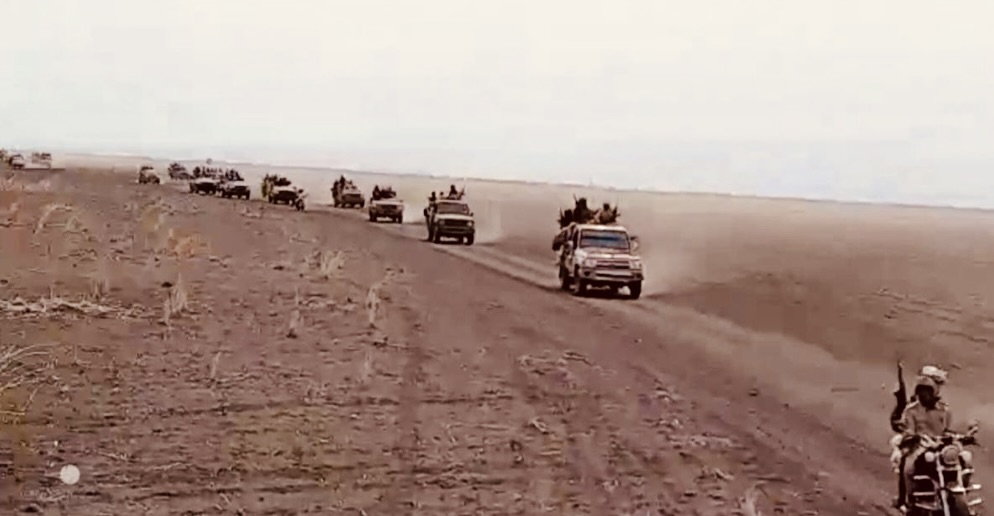
South Kordofan State has entered another week of mounting humanitarian and security strain, marked by fierce ground fighting in Al-Kuweik, drone shelling in the city of Dilling, widening displacement, and deepening shortages of food, medicine and basic services, even as some urban centres remain relatively calm.
In Kadugli, the state capital, fighting subsided over the past week, but the city continues to face acute shortages of food and medicines, prompting steady waves of residents to flee. Markets are running short of basic goods, prices are soaring, and some essential commodities, including onions and salt, have virtually disappeared.
Residents attribute the price surge to the continued closure of the Karkal–Kadugli road following military operations around Al-Kuweik and Keiga, which has cut off supply routes into the city. With goods no longer flowing from surrounding areas, Kadugli’s market has come under severe pressure, compounding hardship for civilians already struggling to cope.
Displacement from the city has accelerated. An activist with the Kadugli Emergency Room said more than 200 people, mostly young men, left the city in a single day last week. At the same time, Kadugli has received civilians fleeing fighting in Al-Kuweik, further straining limited food supplies.
The fighting in Al-Kuweik, about 38 kilometres east of Kadugli, erupted last Wednesday when the Rapid Support Forces, backed by SPLM-North fighters, launched an attack on the area, a key defensive line for the army’s 14th Infantry Division. Clashes lasted for more than six hours before government forces repelled the assault, forcing the attackers to withdraw.
Despite the withdrawal, residents reported intermittent skirmishes and heavy explosions throughout the day. Around 90 percent of Al-Kuweik’s population fled, most heading toward Kadugli, Karkal and Keiga Jaru. The area had already been hosting displaced families from southern Kadugli neighbourhoods and has seen repeated shifts in control since direct fighting reached it in early 2024.
Further west, the city of Dilling was struck by drone shelling on Thursday, January 15, with the attack hitting the main market during daylight hours. Local activists said the strike caused deaths and injuries, including civilians at the transport hub, and forced the immediate closure of the market alongside a shutdown of communications networks.
Inside Dilling, humanitarian conditions continue to deteriorate. Food shortages, a lack of cash, and severe scarcity of medicines have compounded the crisis, while medical staff continue to leave the city. The three hospitals still operating are at risk of shutting down entirely due to dwindling supplies, threatening a collapse of the health sector as fighting and insecurity persist across South Kordofan.
Recent timeline of attacks
- January 6, 2026
- Attack on Al-Kuweik: The Al-Kuweik area, a key defensive line 38km east of Kadugli, witnesses its first direct attack of the new year. This skirmish sets the stage for intensified conflict later in the month.
- Wednesday, January 14, 2026
- Major Battle in Al-Kuweik: The Rapid Support Forces (RSF), supported by SPLA–N, launch a second, larger attack on Al-Kuweik. Heavy fighting involving artillery and explosions lasts for over six hours. The Sudanese Armed Forces (SAF) eventually repel the assault, forcing the attacking troops to withdraw. Despite the withdrawal, intermittent skirmishes continue. The violence triggers a massive displacement, with approximately 90% of Al-Kuweik’s residents fleeing toward Kadugli, Al-Karkal, and Keiga Jaru.
- Thursday, January 15, 2026
- Drone Strike on Dilling: The city of Dilling is subjected to drone shelling during daylight hours. The attack targets the city market and transportation hub, killing civilians—including a prominent Imam—and injuring travelers. The event forces a complete closure of the Dilling market and a shutdown of the Starlink telecommunications network, further isolating the city.
- Monday, January 19, 2026
- Mass Exodus from Kadugli: Following the pressure from the battles in nearby Al-Kuweik and the economic siege, a significant wave of displacement is recorded in Kadugli. Over 200 people, primarily young men, flee the city in a single day. Kadugli faces a dual crisis: a mass exit of its own youth and a simultaneous influx of displaced families fleeing the violence in Al-Kuweik, putting immense pressure on local emergency rooms and food stocks.
 2) Sudanese states raise medical fees amid worsening healthcare crisis
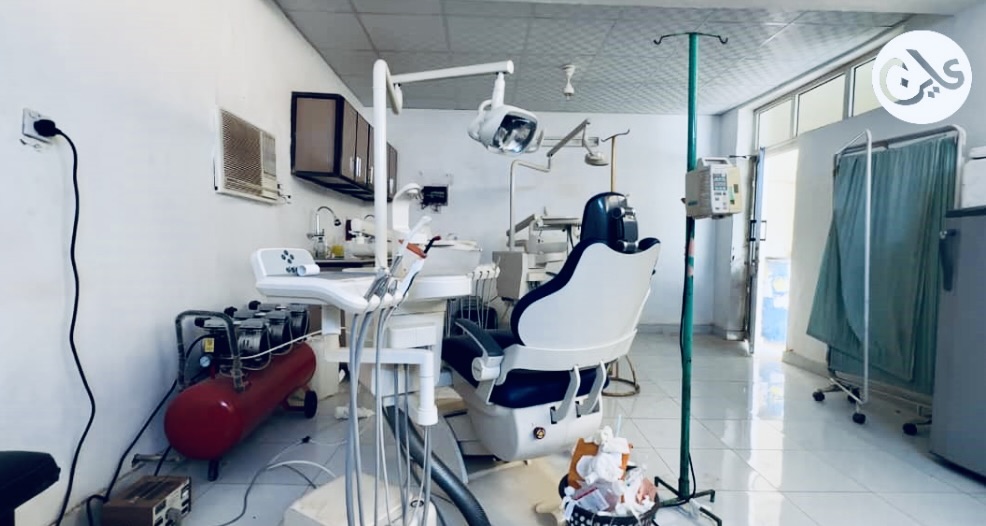
Medical fees across several Sudanese states have surged sharply since the start of the year, with patients facing record costs for basic services in both public and private hospitals, particularly in areas under government control.
In Wadi Halfa, Northern State, prices for diagnostic services have risen steeply, according to the local platform Halfa Today. Regular X-rays now cost between 50,000 and 70,000 Sudanese pounds (roughly US$15 and US$21), while mammograms are priced at about 50,000 pounds, prompting public anger over what residents describe as the conversion of public healthcare into unaffordable commodities.
Medical sources in Wadi Halfa told Ayin that the increases have affected all hospitals and medical centres since early January, with intensive care fees climbing to 180,000 pounds per day (roughly US$54). Private sector operators have attributed the hikes to new taxes introduced under the 2026 government budget, which they say left them little choice but to raise consultation, diagnostic and treatment fees.
Similar increases have been reported across northern and central Sudan. A doctor in Dongola said that intensive care costs at some facilities, including Al-Daman Hospital in Merowe, have reached millions of pounds, placing critical care beyond the reach of most patients.
Al-Daman Hospital recently opened a new intensive care unit with six beds at a reported cost of $150,000, but admission requires paying substantial sums. Doctors say this reflects a broader shift toward cost recovery in a health system increasingly reliant on patients’ payments.
Health professionals argue that the state has largely withdrawn from funding healthcare, leaving services dependent on international organisations. In mid-January, the UN Development Programme announced the launch of four medical oxygen stations across Sudan as part of emergency efforts to shore up a health sector severely weakened by nearly three years of war.
 3) Earthquake near Merowe Dam raises concerns
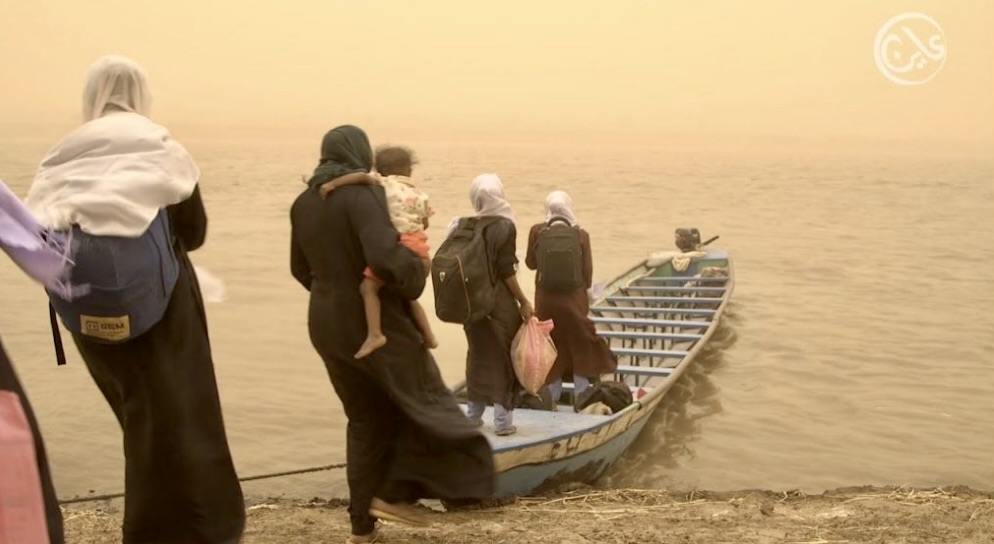
A moderate earthquake struck the Lake area of the Manasir region in Sudan’s River Nile State on Saturday, January 17, prompting residents to flee their homes in panic after feeling strong tremors in several nearby areas.
The General Authority for Geological Research said the quake was an example of reservoir-induced seismicity, a phenomenon linked to the construction and operation of the Merowe Dam and its artificial lake, and not the result of unusual or widespread tectonic activity. In a statement seen by Ayin, the authority noted that seismic activity in the dam’s reservoir area has been monitored since the lake began filling.
According to the authority, more than 150 earthquakes were recorded in the Merowe Dam lake area between 2011 and 2019, describing the level of activity as relatively high but scientifically known and closely observed.
Earth science expert Abdul Karim Al-Amin told Ayin that the Manasir region became part of an active geological belt following the dam’s construction, warning that large volumes of water in the reservoir exert immense pressure on underlying tectonic layers. He raised concerns about incomplete geological and geophysical studies during the dam’s design phase and cautioned that continued tremors could increase the risk of fissures and landslides.
Al-Amin noted that the region had not experienced seismic activity prior to the dam’s completion in 2009, adding that tremors since then have ranged between 2 and 5 on the Richter scale. The Merowe Dam, built in northern Sudan in 2009 at a reported cost exceeding $5 billion, remains central to the country’s power generation but continues to raise environmental and geological concerns.
 4) Sudanese banks adjust exchange rates as government targets gold revenues
Sudanese banks have begun sharply adjusting official exchange rates for the local currency against the US dollar in an attempt to curb the black market and attract liquidity, as economic turmoil continues to fuel market stagnation and soaring prices.
Last week, Omdurman National Bank raised the buying rate to about 3,600 Sudanese pounds per dollar and the selling rate to 3,627, while the Sudanese French Bank lifted its rate by nearly 35 percent to 3,556.57 pounds, briefly exceeding the black market by a narrow margin. At the start of this week, Omdurman National Bank lowered its rates again to 3,400 for buying and 3,424 for selling, reflecting volatile supply and demand.
Economic analyst Omar Abshar said the moves appear to be an attempt by the Central Bank of Sudan to test a free float policy, but cautioned that the authorities may lack the resources needed to sustain such a strategy in the face of black market pressures.
Abshar told Ayin that the central bank is counting on boosting gold revenues from about $950 million in 2025 to $1.3 billion this year by tightening controls on smuggling, though he described the figures as uncertain given the ongoing conflict and weak oversight.
He warned that if banks continue to shadow the parallel market without sufficient foreign currency reserves, traders could trigger sharp new price hikes, potentially accelerating the pound’s decline and deepening Sudan’s economic crisis.
 5) Over 100 civilians killed in North Darfur attacks
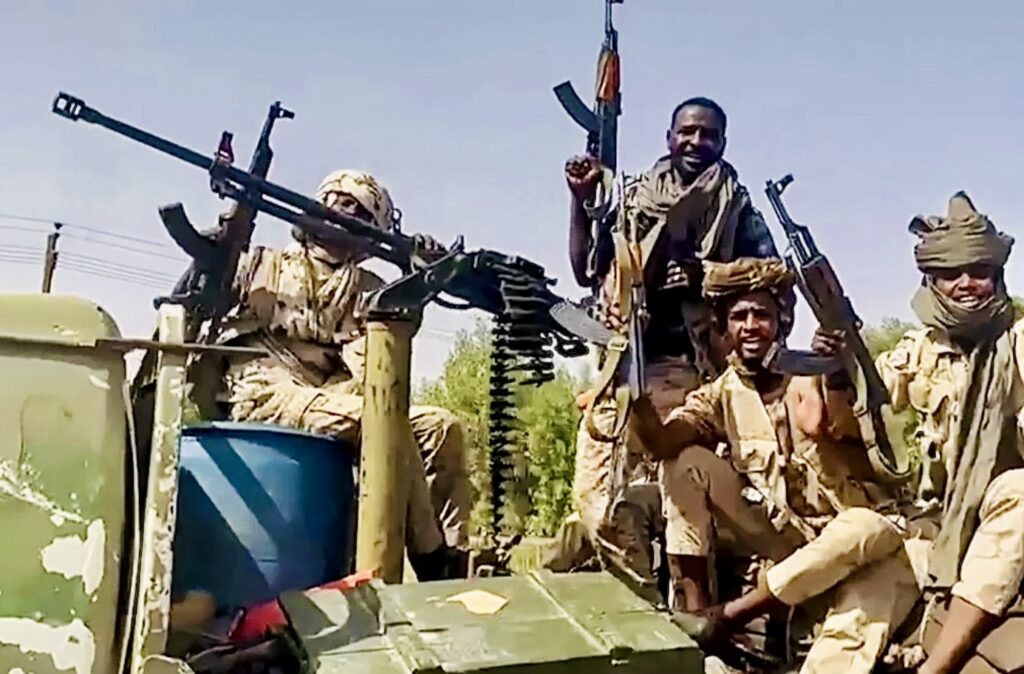
Local emergency responders in Al-Tina, North Darfur State, reported that at least 103 civilians have been killed in a series of ground assaults and intensive drone strikes that targeted multiple areas in the locality, triggering mass displacement toward the Sudanese-Chadian border.
In a statement issued on Sunday, January 18, the Al-Tina Emergency Room said the Rapid Support Forces (RSF) carried out large-scale attacks on the villages of Qadir, Jir Jira, Hajo, Mastoura and Khazan Basu, setting several communities ablaze and forcing residents to flee.
The statement said around 18,000 people have escaped toward the Chadian border, where they are living in the open under harsh winter conditions, with acute shortages of shelter, heating, food, drinking water and medical supplies.
Since late December 2025, RSF drones have repeatedly struck the localities of Karnoi, Um Buru and Al-Tina. Darfur conflict researcher Darrar Adam warned that the RSF is using heavy weaponry against densely populated villages with no military presence, leading to widespread destruction, looting of livestock and the displacement of thousands.
Tensions escalated further on the Sudan-Chad border after the RSF acknowledged on Monday, January 19, that some of its units had mistakenly crossed into Chadian territory and clashed with Chadian forces. The RSF said the incident was unintentional and blamed terrain similarities, while accusing rival armed groups of seeking to drag the region into a broader conflict.
 6) Army insists on military victory while Cairo hosts talks for ceasefire
The Chief of Staff of the Sudanese Armed Forces, Lt-Gen Mohammed Othman Al-Hussein, has pledged to eliminate the Rapid Support Forces (RSF) and retake all areas under their control, declaring that the army will continue advancing on all battlefronts until the RSF’s presence is ended.
Speaking at the Signal Corps headquarters in Khartoum North on Monday, Al-Hussein said the armed forces remain determined to press ahead with military operations, according to a statement published by the army’s official platform the following day.
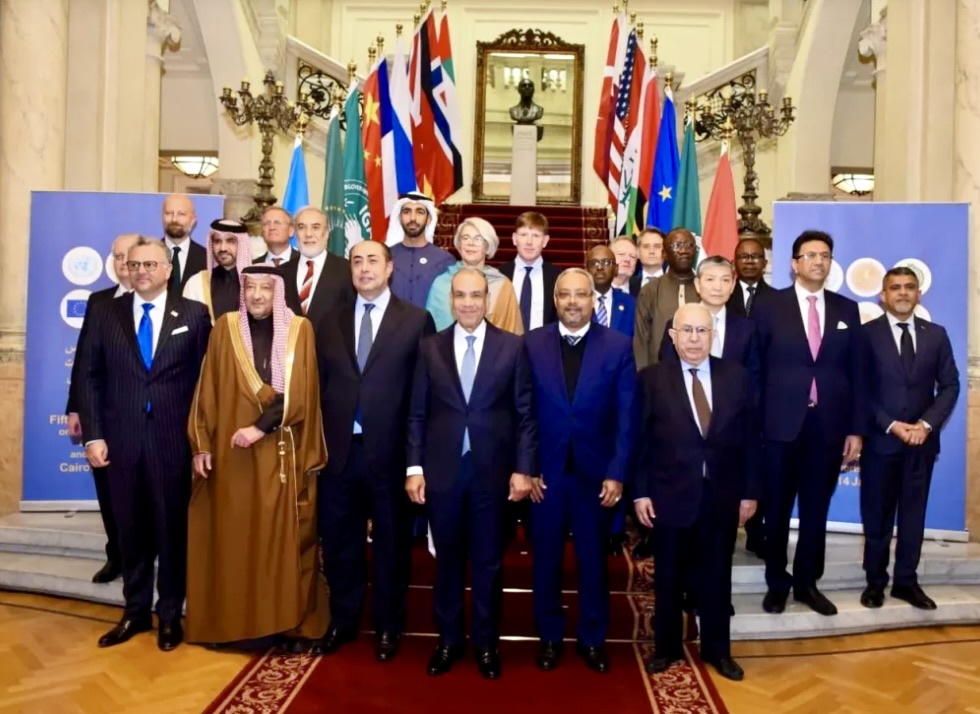
His remarks came as regional and international diplomatic efforts gathered pace in Cairo, where Egypt hosted a meeting of the “Coordination Mechanism for Achieving Stability and Peace in Sudan” on 14 January, attended by senior UN officials, regional foreign ministers and representatives from major international powers and organizations.
Egyptian Foreign Minister Badr Abdel-Aty said a ceasefire must begin with an urgent humanitarian truce, warning that the conflict risks spreading to neighbouring countries. He stressed Egypt’s commitment to Sudan’s unity and territorial integrity, rejecting any form of secession and calling for support for legitimate state institutions.
Abdel-Aty outlined a proposed path to end the war, starting with a humanitarian pause, followed by a sustainable ceasefire and a comprehensive, Sudanese-led political process that would prevent the emergence of parallel authorities.
Meanwhile, fighting between the army and the RSF intensified this week in the Kordofan region, driving new waves of displacement toward El Obeid and SPLM-N-controlled areas in South Kordofan. Separately, the Civil Alliance of Revolutionary Forces “Somoud” said a delegation led by Abdullah Hamdok is touring Europe to press governments to increase diplomatic pressure to end the war.
 8) UN official: Sexual violence is being used as a weapon in the war
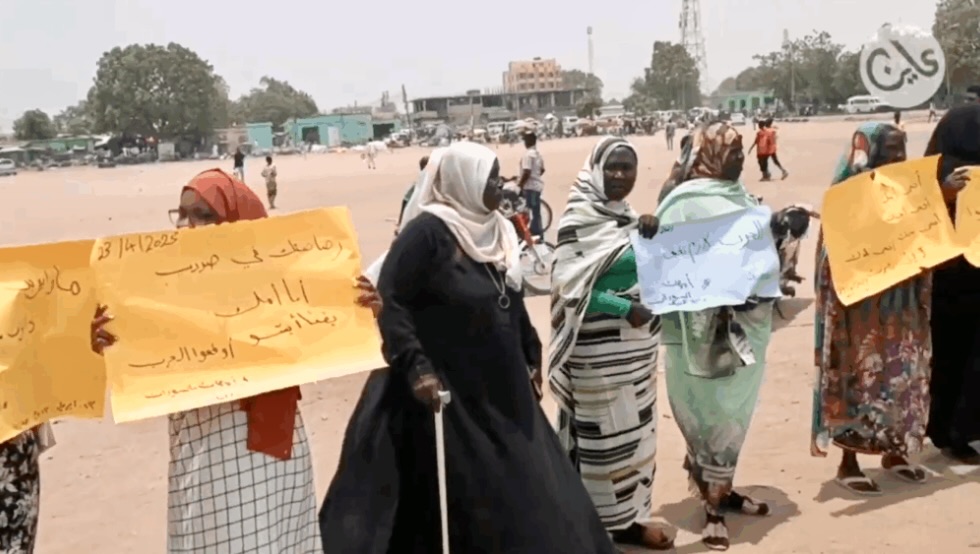
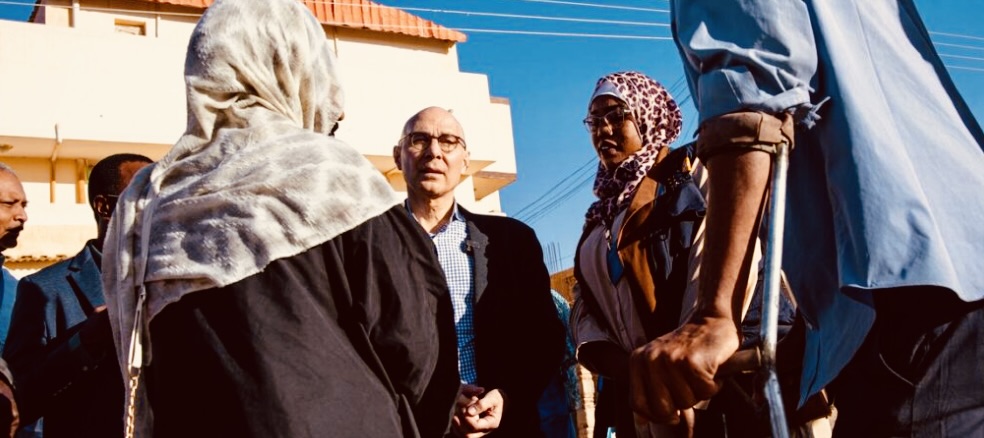
The UN High Commissioner for Human Rights, Volker Türk, said women who fled El Fasher in North Darfur recounted heartbreaking stories of rape and other grave abuses, warning that sexual violence is being used systematically as a weapon in Sudan’s ongoing war.
Speaking after a five-day visit to Sudan that included Port Sudan and cities in Northern State, Türk said he met survivors and reviewed testimonies pointing to widespread sexual violence amounting to war crimes. He stressed that accountability is essential, particularly as victims face an almost total absence of psychological, legal and medical support due to funding shortages and restricted humanitarian access.
Türk said displaced people he met, including at the Al-Afad shelter centre, described severe trauma among women and children caused by bombing, forced displacement, killings, kidnappings and torture. He highlighted acute shortages of shelters, neglect of people with disabilities, and deteriorating living conditions for vulnerable groups.
The High Commissioner urged both the Sudanese army and the Rapid Support Forces to immediately halt attacks on civilian objects, including markets, hospitals, schools and shelters. He warned that strikes on vital infrastructure, such as the Merowe Dam and power facilities, have disrupted healthcare, irrigation and access to clean water, worsening disease and human suffering.
Türk also raised alarm over escalating violence in Kordofan, cautioning that abuses similar to those seen in El Fasher could be repeated amid continued airstrikes, drone attacks, collapsing services and worsening food insecurity that threatens famine.
He further warned of the militarisation of society, including the arming of civilians and recruitment of children, alongside shrinking civic space marked by arrests, enforced disappearances and intimidation of journalists and activists. Türk said his office is documenting violations to ensure accountability, stressing that impunity will only prolong the conflict.
Despite the devastation, Türk said he drew hope from Sudanese civil society, particularly youth and women, calling on all parties and influential regional and international actors to act urgently to end the war, protect civilians and ensure unhindered humanitarian access.
 9) ICC: RSF concealed war crimes in El Fasher with mass graves
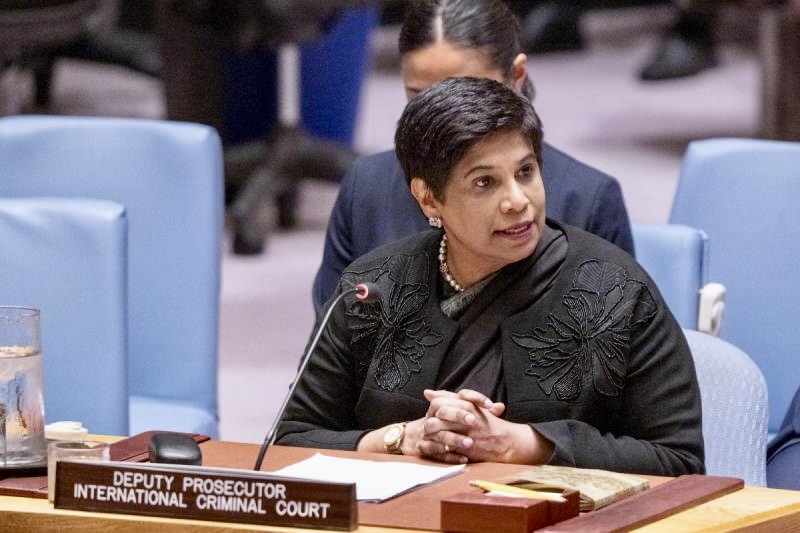
The Deputy Prosecutor of the International Criminal Court (ICC), Nazhat Shameem Khan, said the court has concluded that the Rapid Support Forces (RSF) committed war crimes and crimes against humanity in El Fasher, North Darfur, including mass killings, sexual violence, field executions and the use of mass graves to conceal crimes. She warned that atrocities similar to those committed in El Geneina in 2023 are now being repeated in El Fasher and other parts of Darfur.
Briefing the UN Security Council on Monday, Khan said the findings were based on extensive evidence, including videos, audio recordings, satellite imagery and forensic analysis. The evidence documented mass killings and deliberate attempts to hide bodies through burial and burning, particularly during the height of the siege of El Fasher in late October before the city fell to RSF forces.
She said the takeover of El Fasher was accompanied by an organized and systematic campaign targeting non-Arab communities, involving rape, arbitrary detention, executions and other forms of sexual violence. The crimes, she added, were committed on a wide scale and followed repeated, identifiable patterns.
According to the ICC, analysed videos showed RSF fighters detaining, abusing and killing civilians from non-Arab tribes, as well as celebrating summary executions and desecrating corpses. Khan noted that similar patterns had previously been documented in other Darfur locations.
Referring to El Geneina, she said UN experts estimated between 10,000 and 15,000 people, mostly from the Masalit community, were killed there in 2023. She stressed that available evidence indicates the same crimes were repeated in El Fasher in 2025 and warned that such atrocities would continue unless impunity ends.
Khan confirmed that sexual violence, including rape, is being used as a weapon of war in Darfur, emphasizing that investigating gender-based crimes and crimes against children remains a top priority. She described the ICC’s conviction of Ali Muhammad Ali Abd-al-Rahman, known as Ali Kushayb, as a crucial first step toward justice, and called on states to support the court’s work to ensure broader accountability.
 10) Al-Burhan announces support for Trump’s initiative on Nile waters
Sudan’s army chief, Abdel Fattah al-Burhan, said the government welcomes and supports an initiative by US President Donald Trump to mediate the long-running dispute over Nile River waters, stressing the need for sustainable solutions that preserve the rights of all parties and promote regional stability.
In a post on his X account on Saturday, Burhan said Khartoum backs Trump’s proposed mediation to reach “satisfactory solutions that preserve everyone’s rights,” adding that dialogue remains Sudan’s preferred path to resolving contentious issues related to the Nile.
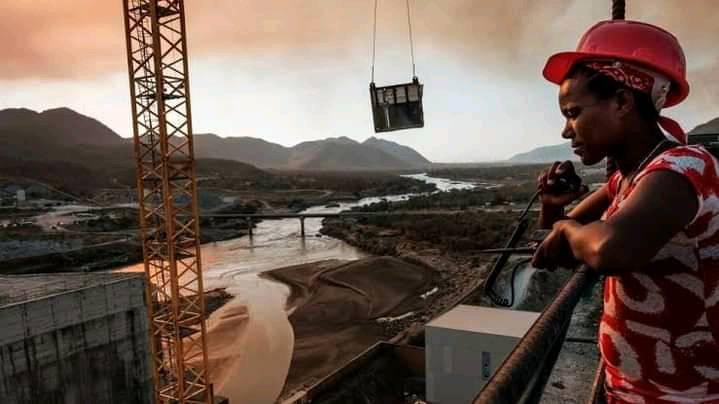
Burhan’s remarks followed Trump’s announcement on Friday that Washington is ready to resume mediation between Egypt and Ethiopia over the Grand Ethiopian Renaissance Dam (GERD). In a message to Egyptian President Abdel Fattah al-Sisi, Trump said the United States aims to help secure a “fair and final” agreement that meets the long-term needs of Egypt, Sudan and Ethiopia, warning against unilateral control of the river’s resources.
The US president said transparent negotiations, supported by technical expertise and American coordination and monitoring, could lead to a lasting settlement and prevent the dispute from escalating into military conflict in the region.
The GERD dispute dates back to Ethiopia’s launch of the project in 2011 near the Sudanese border. Egypt and Sudan have repeatedly called for a legally binding agreement on the dam’s filling and operation, while Ethiopia maintains it is exercising its right to fair and reasonable use of Nile waters. Previous mediation efforts have failed to bridge differences, and Addis Ababa announced last year the start of dam operations despite objections from Cairo and Khartoum.