


Analysis: How confusion over Massad’s proposal deepened diplomatic rifts
15 December 2025
U.S. Special Envoy to Africa Massad Bolous’s early-November peace proposal marked Washington’s most comprehensive effort to push Sudan’s warring parties toward negotiations, according to multiple diplomatic sources speaking to Ayin.
Diplomats say Boulos’ framework seeks to meet urgent civilian needs while creating space for a wider political settlement. The roadmap prioritises de-escalation, followed by structured negotiations that could move Sudan from wartime governance to an agreed-upon, civilian-led transition.
For weeks, Massad engaged both sides, particularly army leadership, to advance the proposal beyond informal circulation. Meetings in Geneva and Cairo were considered unusually productive, with Port Sudan authorities describing a rare moment of mutual understanding between Massad and Sudan’s army leader, Lt-Gen Abdel Fattah al-Burhan. But that fragile progress soon unravelled.
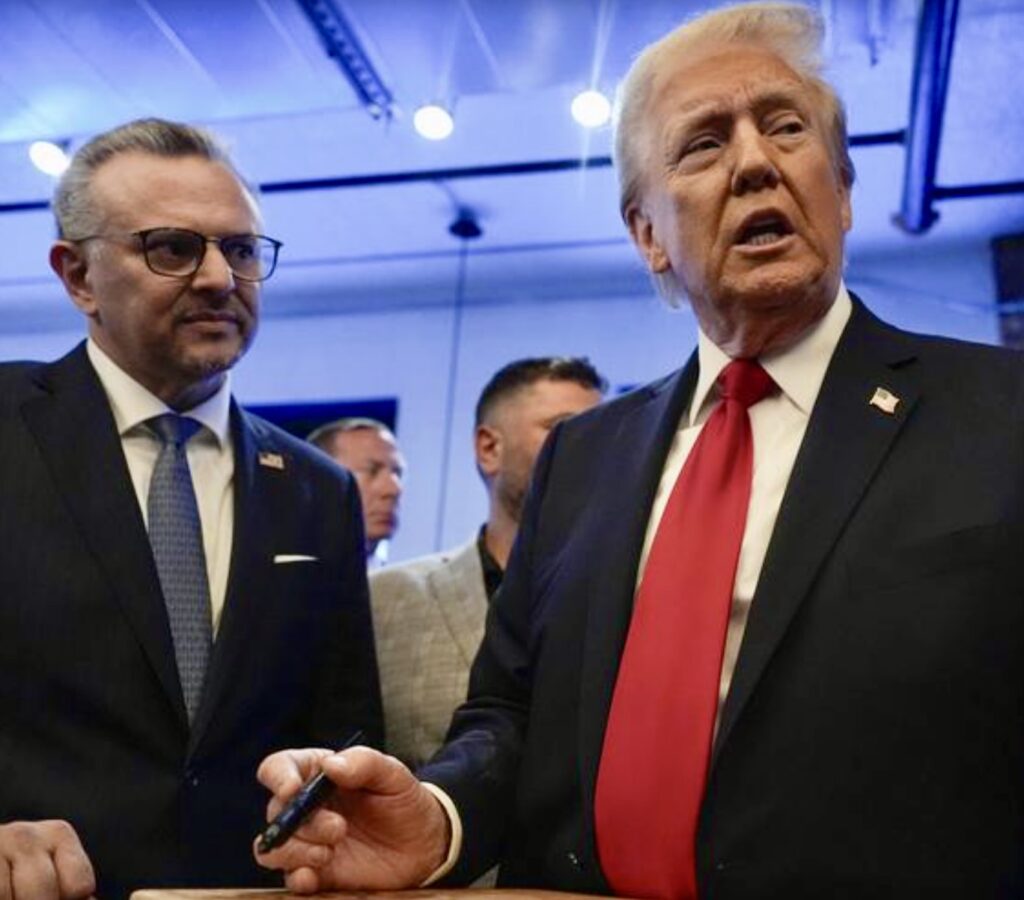
A fatal document mix-up
Diplomatic and Sudanese sources confirmed that a significant error occurred during Massad’s outreach: SAF received two different documents — Massad’s proposal and a separate policy draft previously prepared by the Quad (United States, Egypt, Saudi Arabia, and the United Arab Emirates) before the fall of El Fasher. For reasons still unclear, the Sudan Armed Forces (SAF) leadership interpreted the two papers as a single proposal.
The older Quad draft, intended only as internal policy guidance, contained elements unrelated to Massad’s roadmap. SAF officials assumed Washington was pressuring them into unspoken commitments after merging the documents. One SAF-aligned source told Ayin, “We have two proposals — so which one should we consider?” The overlap created confusion within the command council and heightened suspicions among officers already wary of international mediation.
Clarification could have resolved the issue, but instead, it led to a diplomatic crisis. The misunderstanding fractured the trust Massad had built with Burhan, with diplomats describing the fallout as a “serious setback” that threatens months of confidence-building. Inside SAF, the error deepened internal tensions: some commanders saw the mix-up as evidence of external manipulation; others viewed it as an attempt to push SAF toward concessions that might weaken its battlefield position. By the time the mistake was acknowledged, the damage was irreversible.
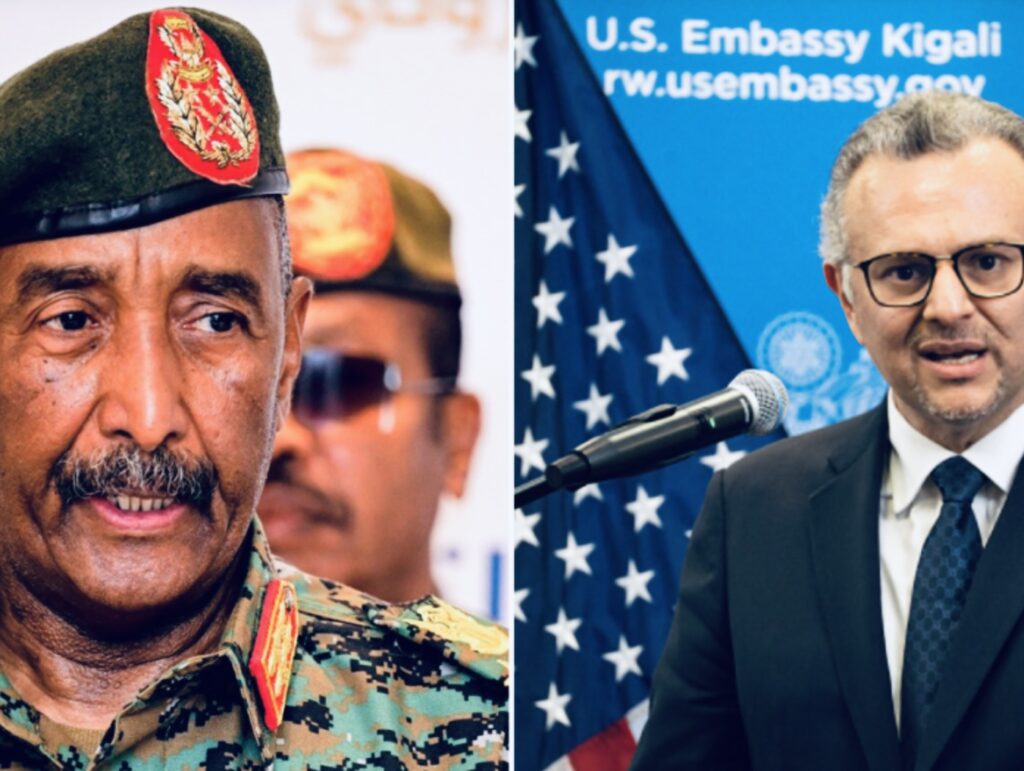
A diplomatic relationship at a breaking point
Sudanese sources say the misunderstanding led to a personal rift between Massad and Burhan. “He is very mad at Burhan and does not tolerate attacks on his reputation,” the source said, noting his sensitivity to accusations circulated by hardline SAF factions.
Burhan, however, feels misled. Sources close to SAF leadership say he views the document mix-up as a breach of the trust established during their Geneva and Cairo meetings. The sense of betrayal amplified internal pressures from SAF commanders, Joint Forces, and Islamist groups, which have long accused Washington of shielding UAE support for the RSF and pushing unfavourable political arrangements for the army.
Hardline factions quickly seized on the incident, using it to challenge Burhan’s diplomatic outreach. The episode reinforced existing narratives within SAF that foreign mediators cannot be trusted and that the U.S. seeks to impose externally crafted solutions while overlooking RSF abuses and resourcing. These views gained greater traction after the document confusion.
The growing mistrust risks isolating Burhan at a time when SAF cohesion is already under strain. Commanders facing battlefield setbacks and political uncertainty have become increasingly sensitive to perceived foreign pressure. Diplomats warn that the rupture between Massad and Burhan may have lasting consequences. Massad had been one of the few external actors able to communicate directly and constructively with SAF’s top leadership; the loss of that channel could complicate future ceasefire negotiations, delay humanitarian access agreements, and deepen SAF’s distrust of international mediation.
Meanwhile, the RSF is likely to interpret the rift as evidence of weakening international consensus — potentially encouraging harder battlefield stances and reducing incentives to compromise.
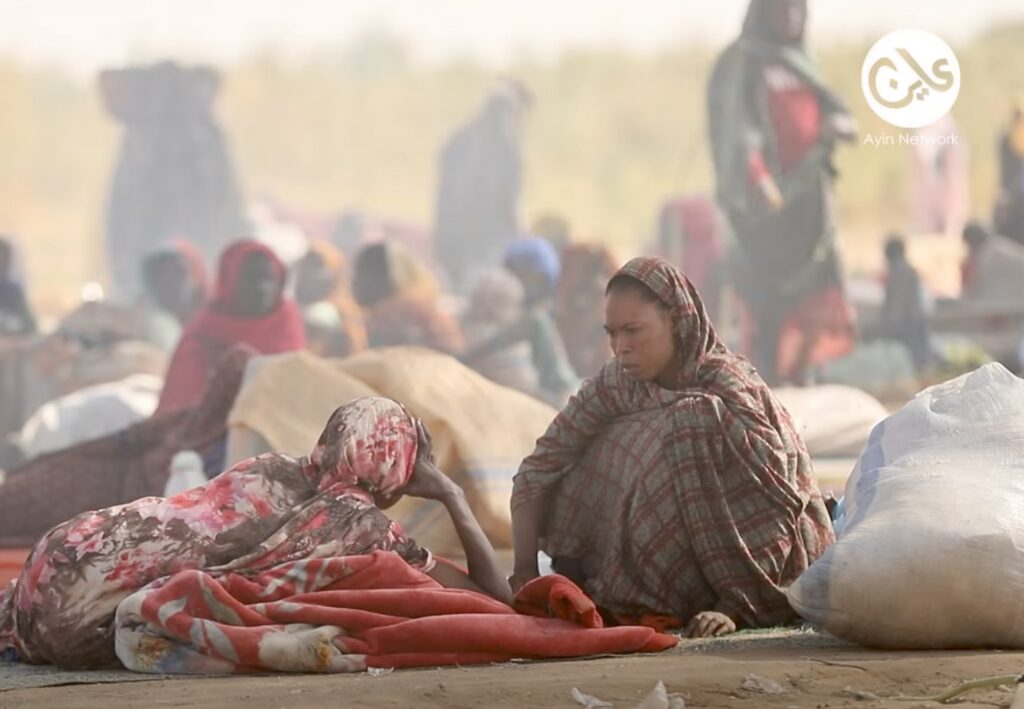
Implications for civilians
For civilians trapped between front lines, the consequences are immediate. The roadmap’s essential components—ceasefire, humanitarian corridors, and service restoration—remain in limbo, while political distrust between Massad and Burhan threatens to prolong the war’s already catastrophic trajectory.
Diplomatic sources emphasise that fixing the misunderstanding is still achievable, but it will require Washington to actively reassure SAF that Massad’s roadmap—not the old Quad drafts—is the real foundation for talks. Whether such assurances can overcome the emotional fallout, and whether Burhan can afford to be seen cooperating with Massad amid rising internal pressure, remains uncertain.
For now, Sudan’s conflict continues without a coherent diplomatic path—trapped between miscommunication, political insecurity, and a widening gulf between the US envoy and the military leadership he had worked painstakingly to engage.