

The US draws a line on Sudan
28 September 2026
The United Nations General Assembly comes to a close this week with one individual missing from the event, Sudan’s army chief Abdel Fatah al-Burhan. The US rejected granting the Sudan Armed Forces (SAF) leader a visa, exposing growing tensions between Washington, Sudan’s military leadership and the regional powers shaping the war.
The crisis began on 21 September after an ‘X’ post by US Senior Adviser Massad Boulos, who referred to Sudan’s Foreign Minister Mohi El Deen Salem as the “SAF-appointed foreign minister.” The contention being the US official’s unwillingness to recognise Mohi El Din Salem as the official government representative for the country.
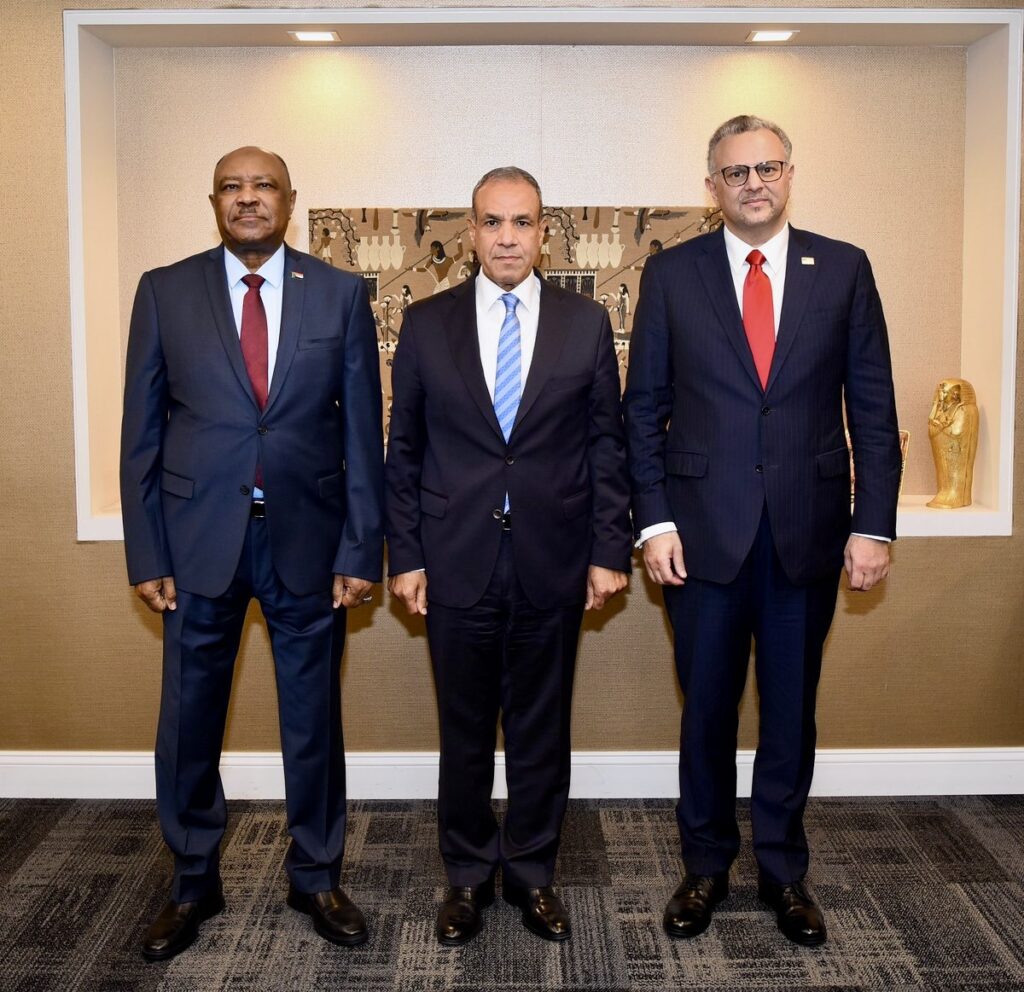
Regional diplomats told Ayin that Egypt convened a meeting between Boulos and Mohi El Deen to de-escalate tensions between the Sudanese Armed Forces (SAF) and Washington. During the meeting, American officials emphasised the importance of signing the proposed agreement for a 90-day ceasefire across Sudan. According to regional diplomats, the SAF delegation also came to understand that its army commander would not receive a US visa to attend the United Nations General Assembly.
Following the meeting, the SAF side sent an official request to the UN to make sure Burhan gets his visa and confirm that his passport remained at the American Embassy in Cairo. United Nations Secretary-General António Guterres voiced regret over the United States’ failure to grant an entry visa to Burhan for the UN General Assembly.
The meeting was followed by a series of statements and messages from the US side that made Washington’s position increasingly difficult to interpret as simply pressure on the SAF to accept a ceasefire.
Neither RSF nor SAF
The US State Department stated on September 22 that neither SAF nor the Rapid Support Forces (RSF) represent legitimate, constitutional governments for Sudan. The position emerging from Washington indicated that it did not see Sudan’s future as one in which either Burhan or the paramilitary Rapid Support Forces commander, Mohamed Hamdan Dagalo (also known as ‘Hemedti’), would remain central to the country’s political future.
The position appears to align with the framework set out last year by the Quad, a diplomatic mediation coalition consisting of the United States, Saudi Arabia, the United Arab Emirates (UAE), and Egypt. In September 2025, the Quad proposed a three-month humanitarian truce, an instant and lasting ceasefire, and a civilian-led political process that excluded the warring parties and sanctioned the Islamist movement in Sudan.
Washington leans on the Quintet
For one senior EU diplomat who spoke to Ayin, the events surrounding the General Assembly point to a much broader shift in American policy. “My interpretation, based on what I observed at the UNGA, is that the US is effectively withdrawing from the Sudan file.” According to the diplomat, Washington has positioned itself against both the SAF and RSF while presenting itself as supporting Sudanese civilians. “They have posted that they are against SAF and RSF and there for the civilians,” the diplomat said.
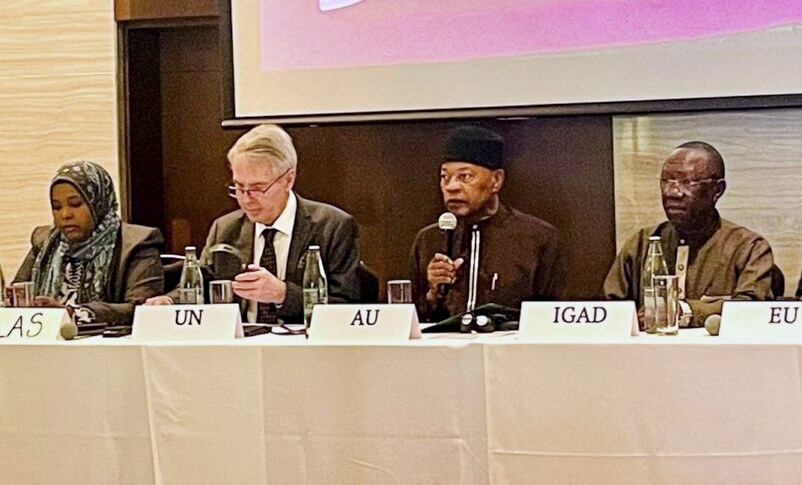
The diplomat believes Washington has effectively delegated responsibility for the next stage of the political process to a broader international grouping tasked with bringing together a civilian government. It is an approach that involves the Quintet – a coalition of five international and regional bodies (the African Union, the Arab League, the European Union, the Intergovernmental Authority on Development, and the United Nations).
The diplomat also connects Washington’s reactions to developments in the Red Sea and Yemen. According to him, Gulf states — including Saudi Arabia, the UAE and Qatar — increasingly believe that the United States is no longer a reliable security partner and are therefore attempting to reduce their dependence on America in general. “The Gulf countries, from the Emirates to Qatar to Saudi, understand that the US is not a reliable partner anymore,” he told Ayin.
Stepping away or stepping forward
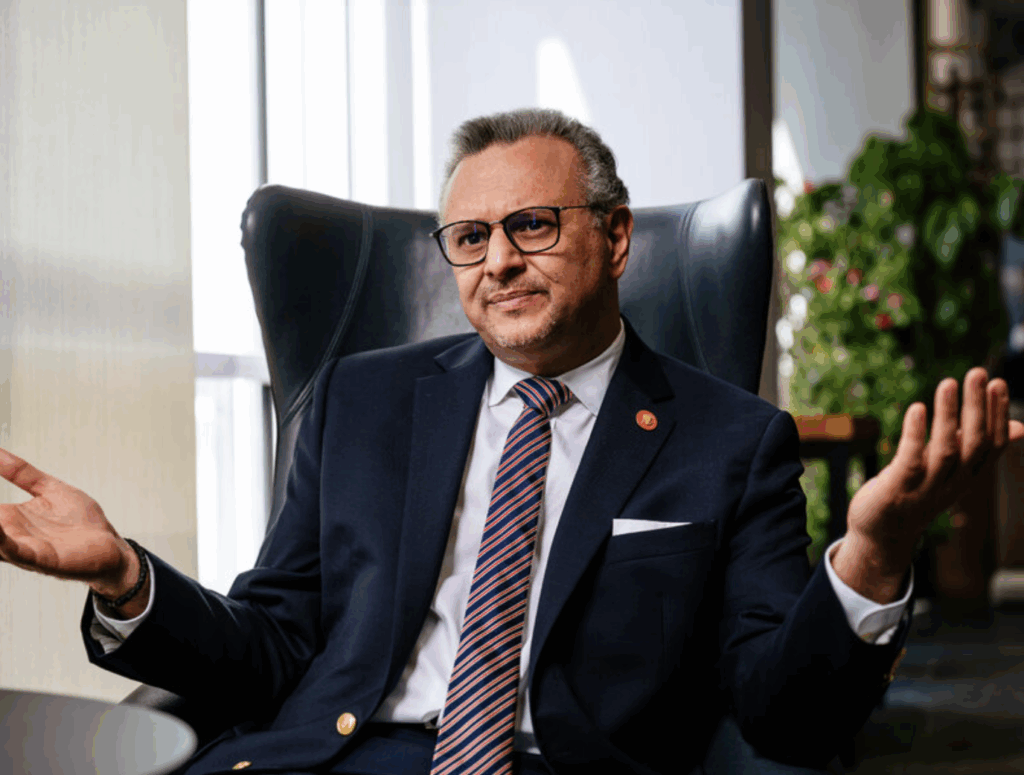
For political analyst Dallia Abdelmoniem, the American move could also create an opportunity for the army. “This move can also benefit the army and how they play it out publicly,” she said. The SAF could portray the dispute as an outside country attempting to impose its political will on Sudan’s “official” government representative.
But Dallia also warned that the pressure could eventually threaten Burhan’s position within the military itself. “If Washington decides to tighten the noose, things could unravel quite quickly around Burhan if the army decides, for example, he’s a hindrance and not an asset,” she said.
For Dallia, the diplomatic conflict raises a critical question: is Washington trying to reshape Sudan’s political equation by pushing Burhan and Hemedti out, or is it gradually stepping back and letting regional powers decide what comes next?