

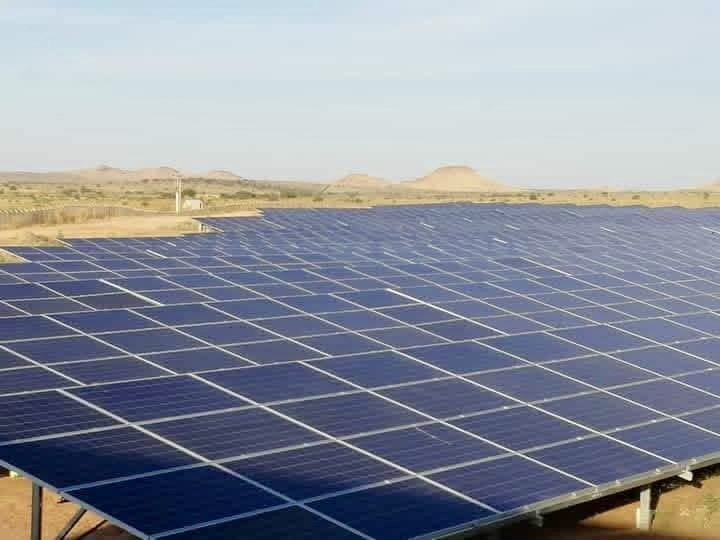
Darfur turns to solar energy as war destroys power infrastructure
15 December 2025
With the war in Darfur devastating nearly all existing electricity infrastructure, thousands of residents have turned to small-scale solar systems as their only reliable source of power. The destruction of public power stations—once providing electricity to cities across the region—has forced communities to seek alternatives for basic needs, from lighting homes to operating water wells and accessing essential online services.
In Central Darfur, Mohamed Abraham says he purchased a small solar system after the war broke out to charge phones, light his home, and operate a Starlink device. With all banks in the region ceasing operations due to fighting between the Sudanese Armed Forces (SAF) and the Rapid Support Forces (RSF), Starlink connectivity became essential for accessing mobile banking applications.
“Before the war, I had very little knowledge of solar systems, and they were difficult to find in the markets of Zalingei,” Abraham said. “Now, nearly three years later, most people in my area rely entirely on solar power—even hospitals and water wells.”
The war destroyed four electricity stations across Darfur, plunging the entire region into darkness. In Nyala, South Darfur, resident Ali Yahia described how quickly communities were forced to adapt.
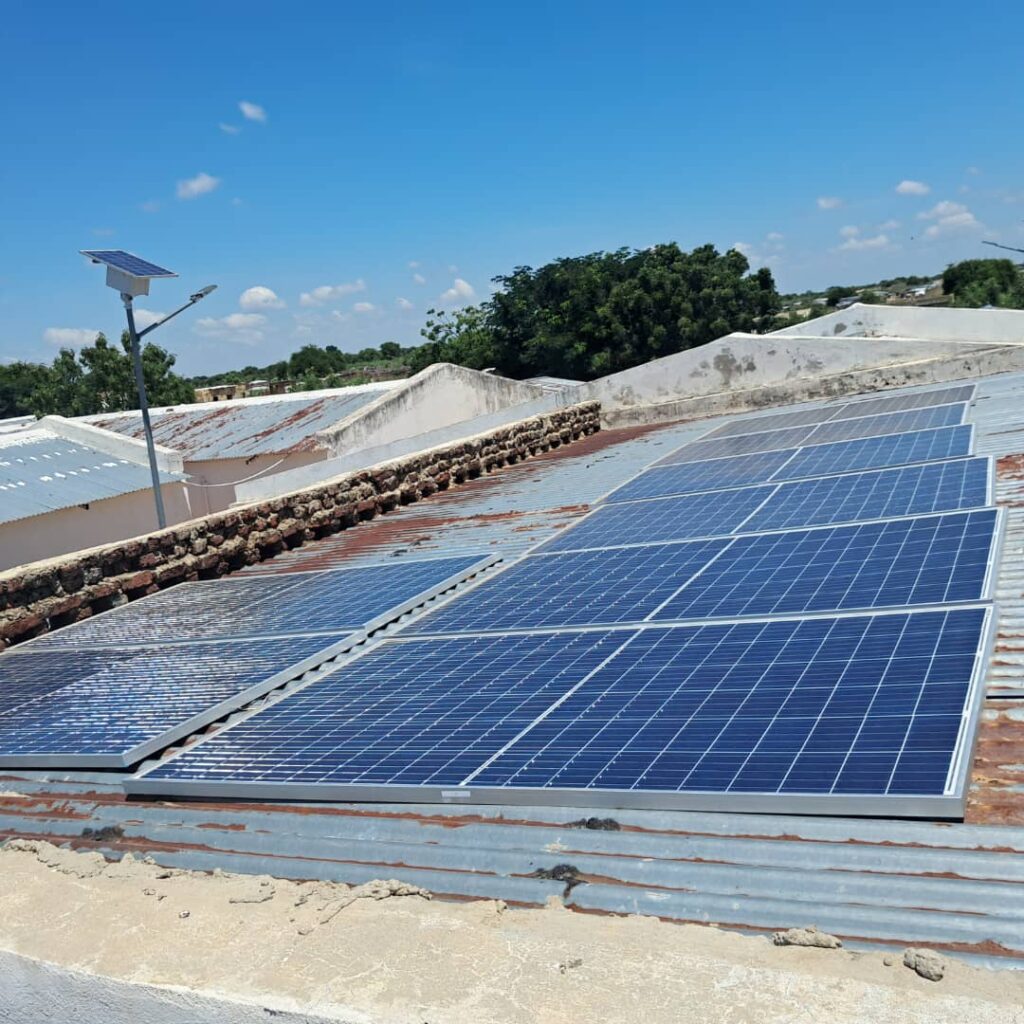
A solar imperative
“Before the war, only two houses in my neighbourhood used solar panels as backups when power went out,” he said. “Now nearly everyone depends on solar energy for essential needs like water pumps and internet access.”
Yahia estimates that nearly 90% of Nyala residents now rely on solar energy, a shift driven by affordability and the region’s abundant sunlight. “It’s not like generators,” he said. “Fuel prices skyrocketed—it became impossible for most families.”
With drinking water systems collapsing across the region, solar-powered water wells have become essential. “If solar energy had not been introduced, many water wells would have stopped operating by now,” said Abraham Ali. “Fuel prices for generators are extremely high, and even repair parts are unaffordable.” Darfur depends almost entirely on groundwater, making the functionality of wells critical for survival.
Researcher Drar Adam explains that even before the conflict, around 80% of Darfur lacked access to public electricity. Since the war began, that figure has effectively risen to 100%, making solar power not a luxury but a necessity.
With fuel prices surging—one barrel of fuel now costing around 1,200 Sudanese pounds (approximately $300)—operating diesel generators is out of reach for most residents and institutions. “Solar energy has reached remote and previously forgotten areas that were never connected to the grid,” Drar said. “People had no choice but to seek alternatives.”

A surge in demand
Former President Omar al-Bashir‘s regime heavily restricted solar energy, according to Haider Suleiman, an exporter of solar systems. High tariffs and import limitations meant only regime-aligned businessmen could bring in solar equipment.
“After the December Revolution, restrictions eased,” he said. “And when the war destroyed the public grid, demand exploded. Dealers began importing systems for homes, farms, and even industrial use.”
Initially, many people distrusted solar energy or doubted its ability to generate electricity. Over time, this changed as communities observed the successful use of solar systems by neighbours and relatives.
Haider explained that solar energy offers flexibility that traditional electricity does not. Families can install a small, inexpensive system for lighting and phone charging—or invest in a larger system for agriculture and commercial needs. “With the collapse of the national grid, demand has increased dramatically,” he said. “Major solar companies are now entering the Sudanese market.”
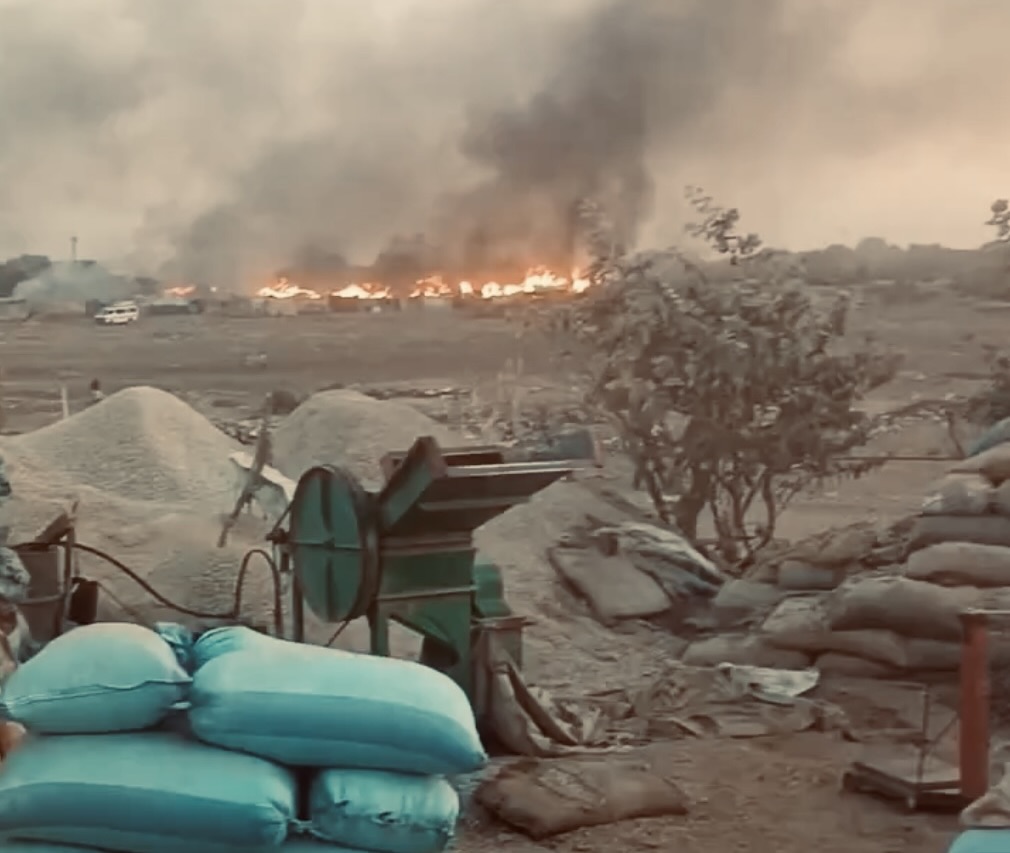
Security challenges and lack of technical support
Despite its rapid spread, the solar sector in Darfur faces severe challenges. The deteriorating security situation has led to widespread looting of solar installations, including systems powering water wells and household units.
Major solar installations in North Darfur—located in Am Kodada, Kuma, Maleet, and Sarf Omra—were dismantled or destroyed during the conflict. The North Darfur government had also signed agreements to install solar-powered systems for the Shagra water station, which supplies the city of El Fasher. However, the project could not begin due to intense fighting between the warring parties.
Moreover, the absence of technical support from importing companies has resulted in significant safety risks. According to Dirar, many users experienced damaged or exploding batteries due to misuse or poor-quality components. He added that weak inspection and regulation at entry points has allowed non-compliant and unsafe products to flood Darfur markets. “The lack of spare parts and repair services remains one of the greatest obstacles,” he said.
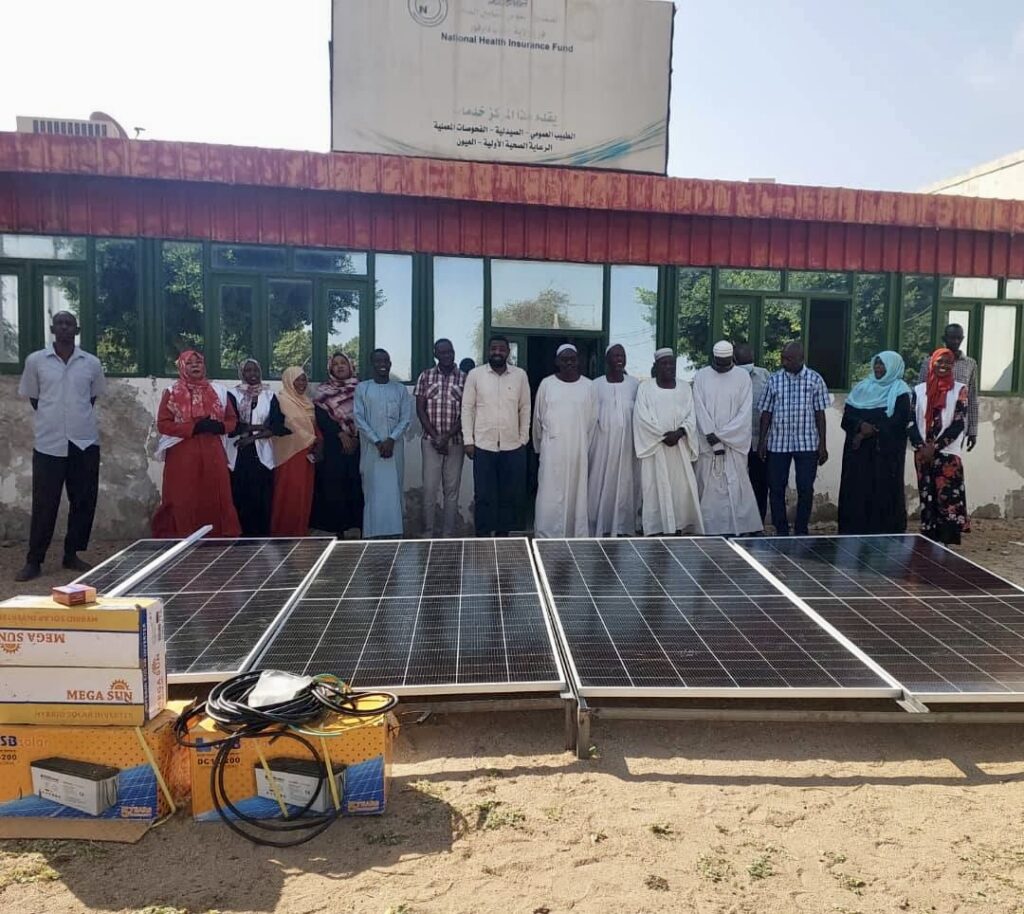
Importing solar to Darfur
Most solar equipment sold in Darfur is imported from China, including products from LC Solar and Jinko Solar, according to a source familiar with the import process.
Dealers and companies transport solar panels, batteries, and transformers through Port Sudan and through Chad, entering the region via Al-Daba city in Northern State or through border routes controlled by the Rapid Support Forces. According to the source, dealers with close ties to the RSF dominate these supply chains.
“One of the main challenges is that dealers treat solar systems like any ordinary goods,” Dirar said. “Without proper technical oversight, the systems are not used to their full capacity.”