


Economic rescue or resource grab, analysing the US-Sudan mineral bill
4 November 2026
As mineral exports from army-controlled areas, particularly gold, continue to surge during Sudan’s conflict, former Cold War powers appear set to seek avenues into Sudan’s mineral markets. Just recently, army chief Abdelfattah al-Burhan held bilateral talks with Russian President Vladimir Putin on the sidelines of the Russia-Africa Summit, calling on Russia to invest in Sudan’s mineral wealth.
Last month, US Representative Jim Baird introduced the Sudan Investing in Minerals, Partnership, Agriculture, Commerce, and Trade (IMPACT) Act, a bilateral partnership under which Sudan would receive American equipment, technology, and technical expertise in exchange for access to its natural resources.
The proposed US economic partnership with Sudan has raised questions about whether American investment could help rebuild the war-torn country or risk strengthening competing political and military interests seeking control of its natural resources.
The initiative would cover agriculture and mining, two sectors with significant potential to contribute to Sudan’s economic recovery. However, the proposed arrangement would not take effect until the US secretary of state certifies that Sudanese authorities have made substantial progress in halting violence against civilians and managing national resources responsibly.
Baird, a Republican representing Indiana, said the conflict was devastating lives and undermining Sudan’s economic prospects. He argued that economic cooperation could contribute to long-term stability, provided civilian safety remained the priority.
Poor timing
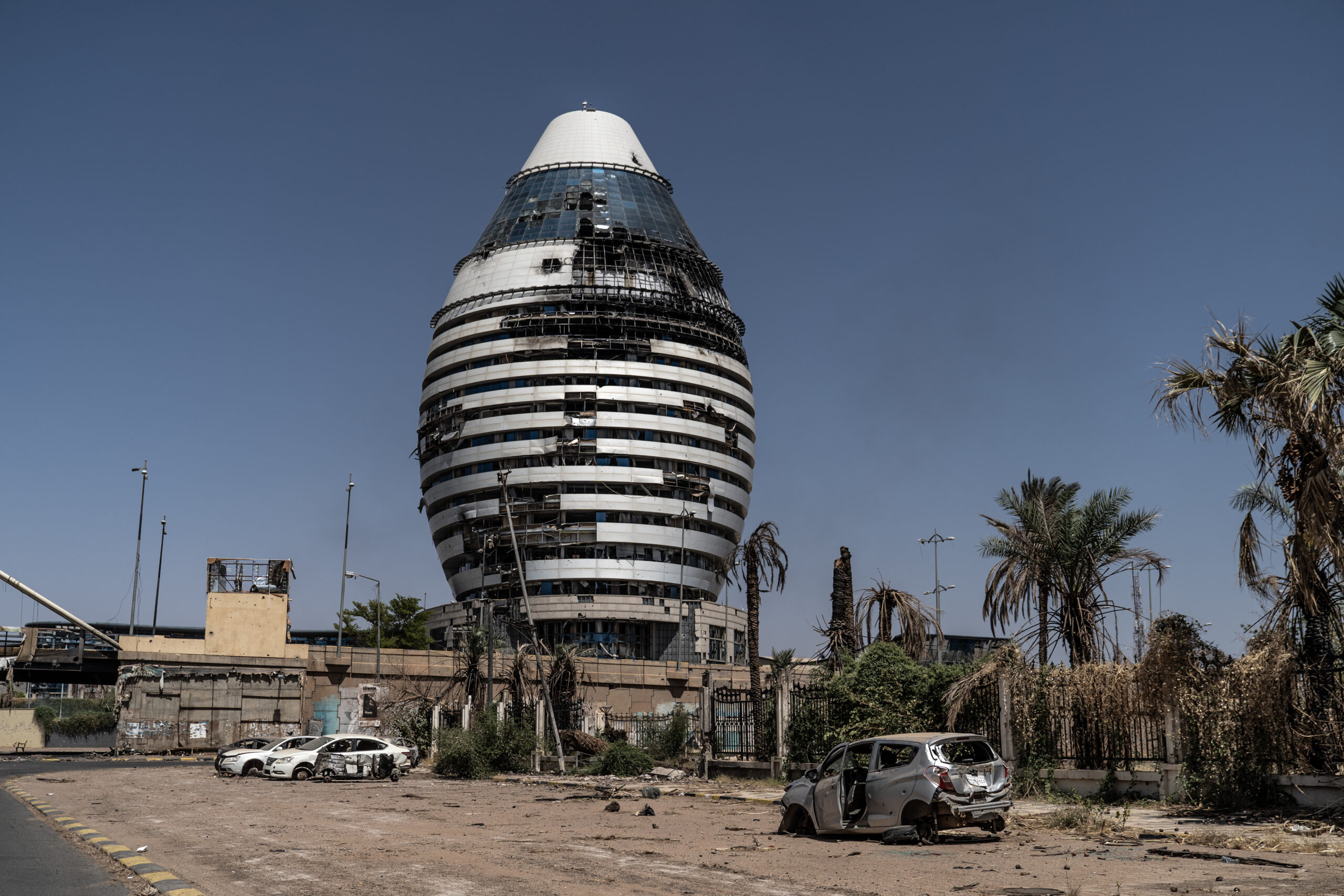
But how civilian security can be established during an ongoing, bloody war where civilians are often the main target is still uncertain. “I think what we need is to end the atrocities,” says Mutasim Ali, senior legal counsel at the Raoul Wallenberg Center for Human Rights. “It’s too early to speak about investments and trade in the country.” Without a united legal civilian leadership, Mutasim also cautioned against pursuing investment before the atrocities had ended, arguing that economic engagement under current conditions could reinforce the existing balance of power rather than help establish peace.
For Sudanese political analyst Dallia Abdelmoniem, the central problem is the gap between the bill’s stated ambitions and the political realities required to implement them. She said the proposal could theoretically support economic development but questioned whether its conditions could be met while the war continued and Sudan lacked an authority capable of delivering on the agreement.
“On paper it does read as something that could potentially be beneficial for the country’s economic development; however, words and agreements on paper never translate to real life.”
If such a proposal were implemented now with Sudan’s closed, war-ravaged institutions, Dallia told Ayin, it would only benefit the warring parties and military elite, not civilians. “Unfortunately our history and recent past show the average Sudanese citizen rarely benefits from any of these deals,” she said.

Open to local, foreign exploitation
Dallia believes Sudan would need stronger trade and business legislation, alongside a comprehensive post-war economic plan, to protect both public and private sectors and prevent economic monopolisation. Without safeguards, she argued, competing military and political factions could seek to secure their share of the country’s resources rather than distribute the benefits more widely.
Mutasim believes that such legislation, if implemented now, would not only favour the Sudan Armed Forces (SAF) but also potentially ensure a devastating status quo. The problem is not necessarily American investment itself, he added, but the absence of credible governance arrangements to prevent resources and economic opportunities from being captured by powerful interests. “If you mean by SAF’s perspective, of course, this approach is a viable economic option.” The army could benefit politically and economically from closer bilateral engagement with Washington, including using such engagement to strengthen its claims to legitimacy. However, Mutasim cautions that investment in territories controlled by competing armed actors could sustain the conflict or entrench the status quo.
Mohamed Suliman, a Sudanese researcher based in the United States, fears that this proposal could leave Sudan particularly vulnerable to foreign actors. Without representative institutions capable of scrutinising agreements and holding decision-makers accountable, Mohamed told Ayin, the proposed partnership could serve American strategic interests while failing to deliver comparable benefits to Sudanese citizens. “Given that Sudan will not have an elected parliament in the near future, this act will likely serve mainly US interests, leaving Sudan vulnerable to resource exploitation.”
US – Russian leverage
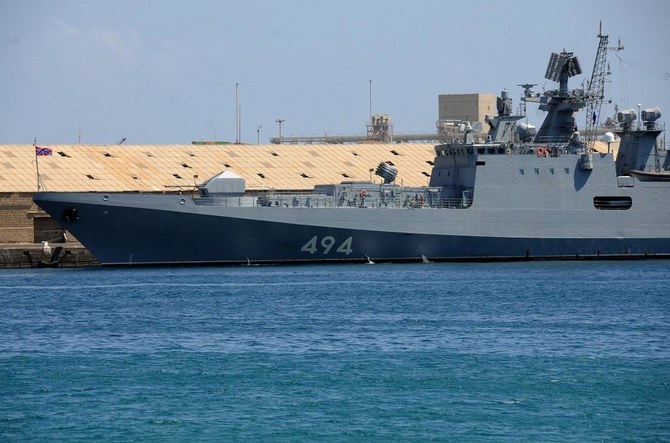
Mohamed adds that the initiative could also be understood in the context of competition over foreign influence in Sudan, particularly Russia’s presence and interests in the country. “In some ways, it could be seen as Washington moving to address the Russian influence in Sudan; probably, the Act may be linked in the future with Sudan stopping the construction of a Russian naval base in the Red Sea.”
Mohamed suggested that the legislation could eventually provide Washington with leverage over Sudan’s political and strategic divisions, including its relationship with Moscow. “This Act will be one of the most powerful levers the US has to shape Sudan’s political landscape, probably more than the sanctions tool the US is currently using.”
The proposed US partnership could eventually contribute to rebuilding communities and developing agriculture and mining. However, without an end to the violence, the establishment of legitimate civilian governance, and mechanisms to ensure that the public benefits from resource revenues, the initiative risks becoming yet another contest over Sudan’s wealth, while the population continues to bear the costs of war.