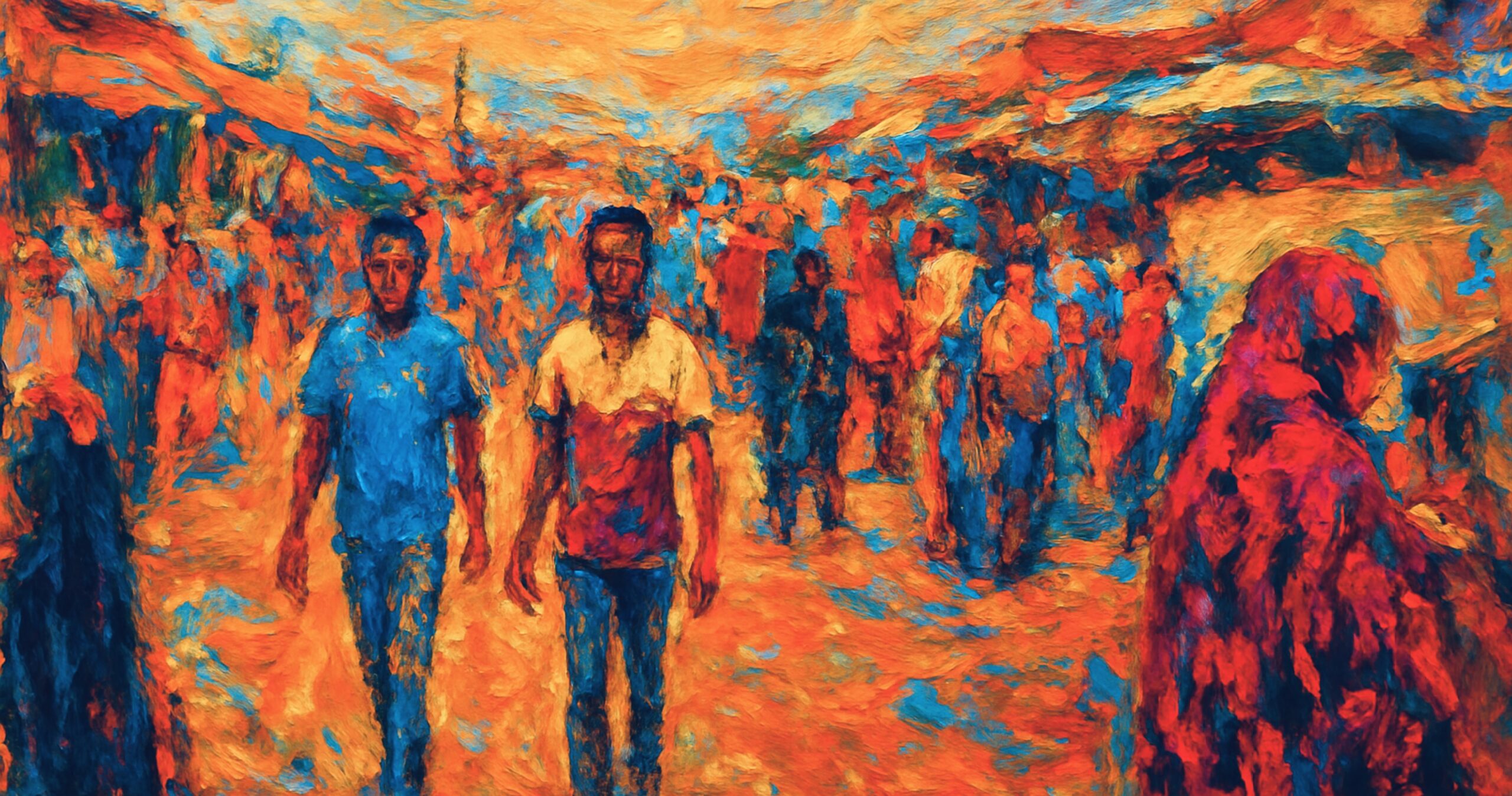
Eid in South Kordofan, a challenge to celebrate
20 March 2026
Military battles to control the towns of Dilling and Kadugli in South Kordofan State have continued for over two years now. For residents of both areas, celebrating Eid today has been challenging.
Eid Without Goods
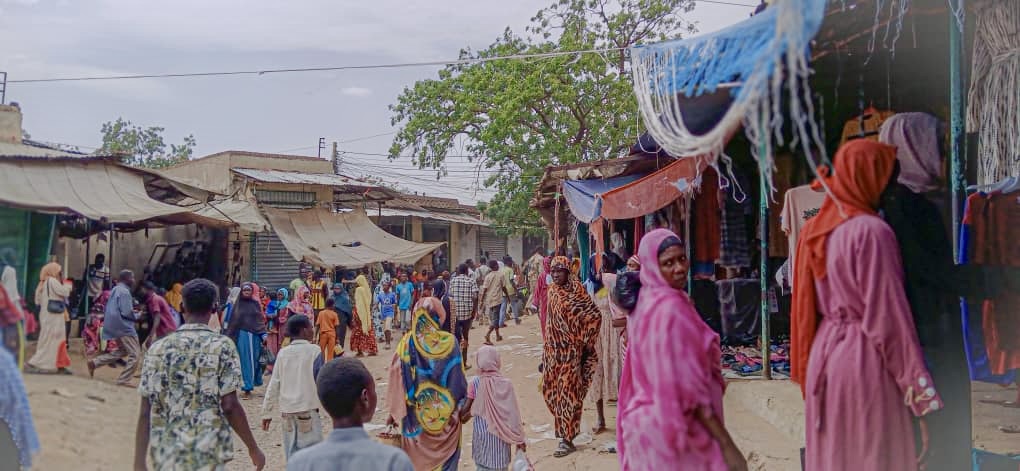
In late February, the army managed to lift the siege imposed by the Rapid Support Forces and their allies, the Sudan People’s Liberation Army-North under Abdelaziz al-Hilu. According to Kadugli resident Asim*, this allowed a certain level of relief for citizens as goods started to circulate within Kadugli. But this respite did not last long.
After the Rapid Support Forces recently took control of the “Tokma” area linking Dilling and Habila, the road leading to Kadugli was cut off, severely affecting local markets up until today. “After the prices of goods dropped because of the breaking of the siege, costs began rising again after the closure of the Tokma road,” he said. Many within Kadugli, the capital city of South Kordofan State, remain penniless, even government employees who haven’t received their salaries in months, he added.
In this context, resident Hassan* says most cannot afford to purchase items for the holiday, even if they are available. “Most families cannot afford to buy much,” Hassan said. “There are no productive alternatives that families can rely on, and salaries are weak and delayed. For example, the head of the household cannot clothe everyone and provide food at the same time.”
Eid is significantly different for Laila*, a Dilling resident, than in the past. Sweets and baked goods normally bought for the occasion are either prohibitively expensive or unavailable. Prices have dropped in Dilling since the lifting of the siege in late February, says resident Musaab*. But household incomes remain low, he adds, making everyone’s collective purchasing power fragile.
Lost Traditions
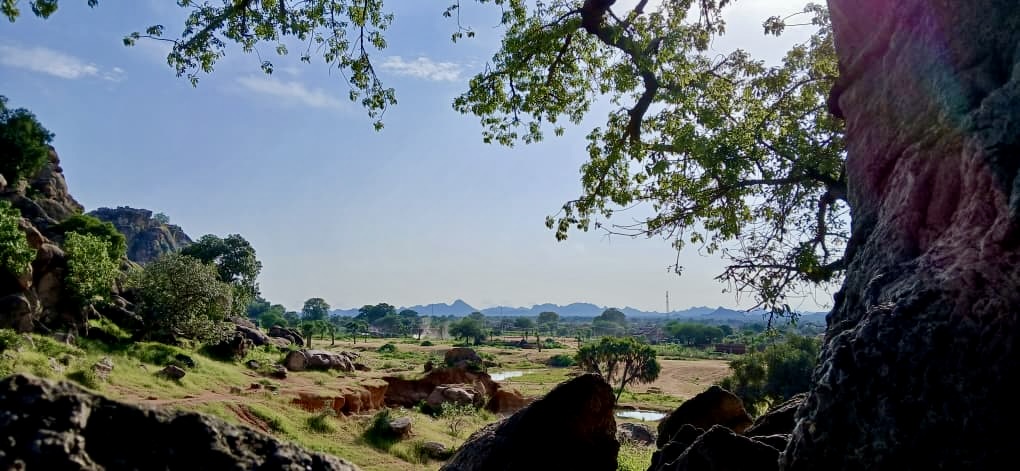
The rituals normally practiced during Eid in Kadugli have changed, says Asim. It had been customary in Kadugli, for instance, to follow a unique greeting ritual held on one of the city’s mountains on the third day of Eid. The tribes belonging to the city would take turns hosting this ritual annually, in addition to organising a large celebration and inviting all residents and the traditional leaders of the city to participate. Asim says that the greeting celebration has been absent from Kadugli throughout the past three years of the conflict due to the insecurity. Drones can target any gathering, he said.
Large parks next to Dilling town used to be picturesque settings to celebrate the Eid holiday, Musaab said. “The largest parks in Dilling are mountainous areas that families used to visit during the Eid season, but they are now turned into military barracks.”
Limited chances for prayer
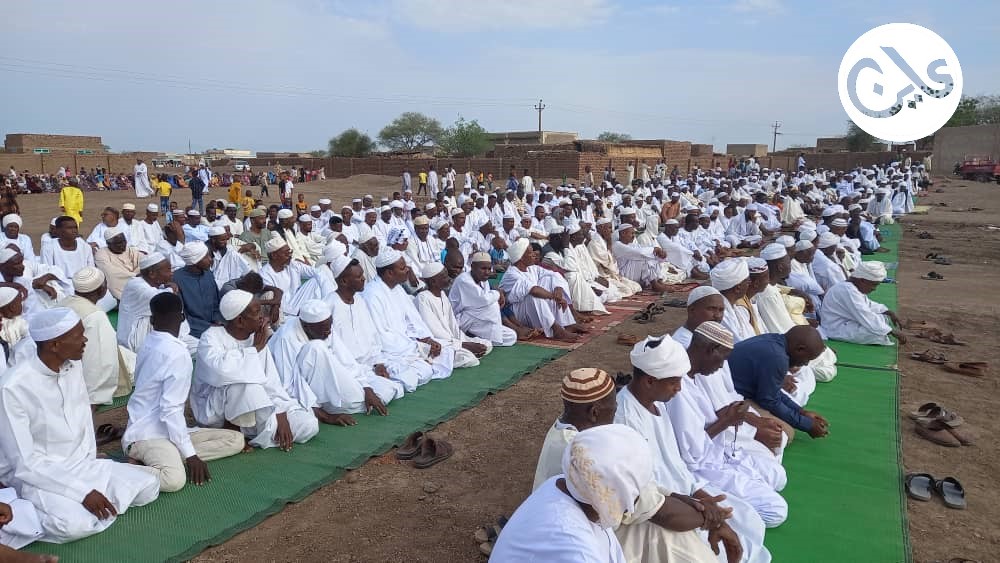
Authorities have prevented Eid prayer in public areas to protect gatherings from potential targeting, residents said. Fears of drones and shelling overhead now taint prayers.
“Holding the Eid prayer in public squares and fields represented one of the most important aspects of the Eid celebration,” says Taha, a resident of Dilling. Now, the only relatively safe place for prayer is within concrete mosques that have a greater ability to withstand targeting.
“It was our custom to perform Eid prayer in large squares and fields such as Freedom Square, which is a huge square that represented the largest gathering point for all residents of Dilling after performing Eid prayer,” Musaab said. “In the past three years, this square has turned into a military area, and gatherings have been prohibited.”
No place to play
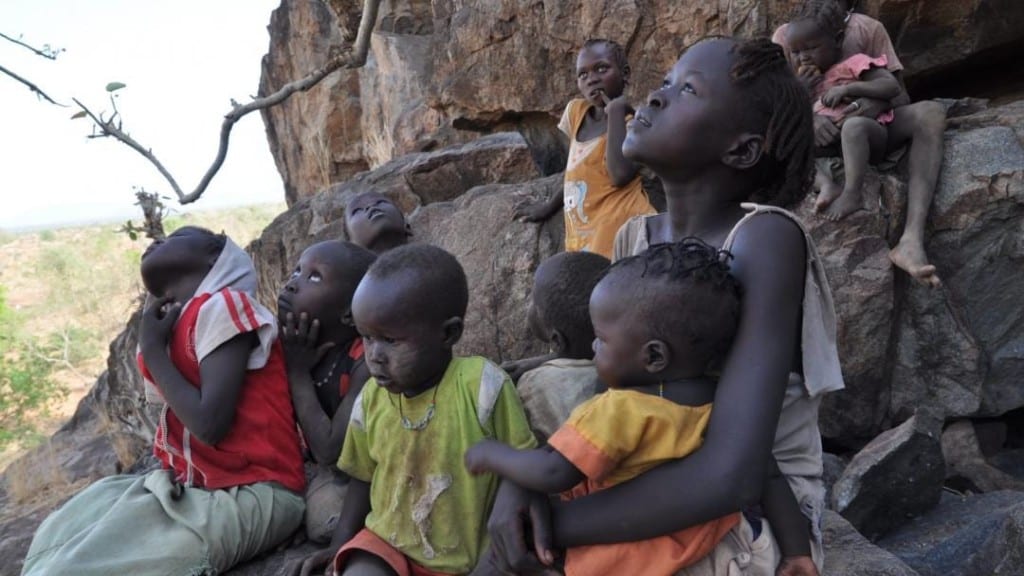
Hamed*, a child of ten years, told Ayin how he used to enjoy fireworks and playing football during the Eid holiday. But now Hamed cannot play in the streets as before. “They don’t let us play in the street because of the shelling. I just play with my brother at home by ourselves.” Hamed added that he remembers, in the past, he would receive new clothes, his mother would prepare baked goods, and, after prayer, they would visit friends and relatives. But the insecurity and tight budgets have curbed all these activities.
“Children do not understand the meaning of the circumstances the city is going through,” Musaab told Ayin. “They were looking forward to getting new clothes and toys, but all these things were impossible under the siege the city experienced.”
In Kadugli, with drones in the air and the remnants of war on the ground – including spent ammunition and unexploded bombs – parents cannot afford to allow their children to play, Hassan said. In Dilling, Laila remains terrified of another attack, forcing her and her family to limit their movements; this included preventing her children from playing outside. “People are afraid of visits and fearful of an attack happening on the day of Eid, and everyone prevents their children from distant visits,” she said.
According to Taha, many residents of Dilling are still traumatised by recent events, and they find it challenging to celebrate the holiday under such circumstances. “The Eid season is a time of reflection, and many of us carry a deep sorrow within our hearts, having lost family members, loved ones, and friends,” he told Ayin. A common phrase Taha has heard from Dilling residents is that they “do not sense the taste of Eid or feel its joy” – since many see little reason to celebrate in the current conflict-ridden circumstances.
*Only the first name is provided for the sources’ security
Related Articles