

17 November 2026
We have developed a series of weekly news briefs covering major topics of the week to keep our readers informed about the multitude of events taking place in Sudan amidst the ongoing, devastating war.
In this week’s edition:
- West Kordofan: Army advances on Al-Nuhud as RSF mobilises reinforcements
- River Nile: Mandates military training in secondary schools
- Kordofan: Drone strikes and indiscriminate gunfire kill 18 civilians
- A new surge in the “customs dollar” to fuel the war effort
- The Red Cross sets up a hotline to report missing persons in Sudan
- Tas’is opens university admissions for students with separate certificate exams
- Darfur: Health services collapse as conflict and malnutrition take a heavy toll
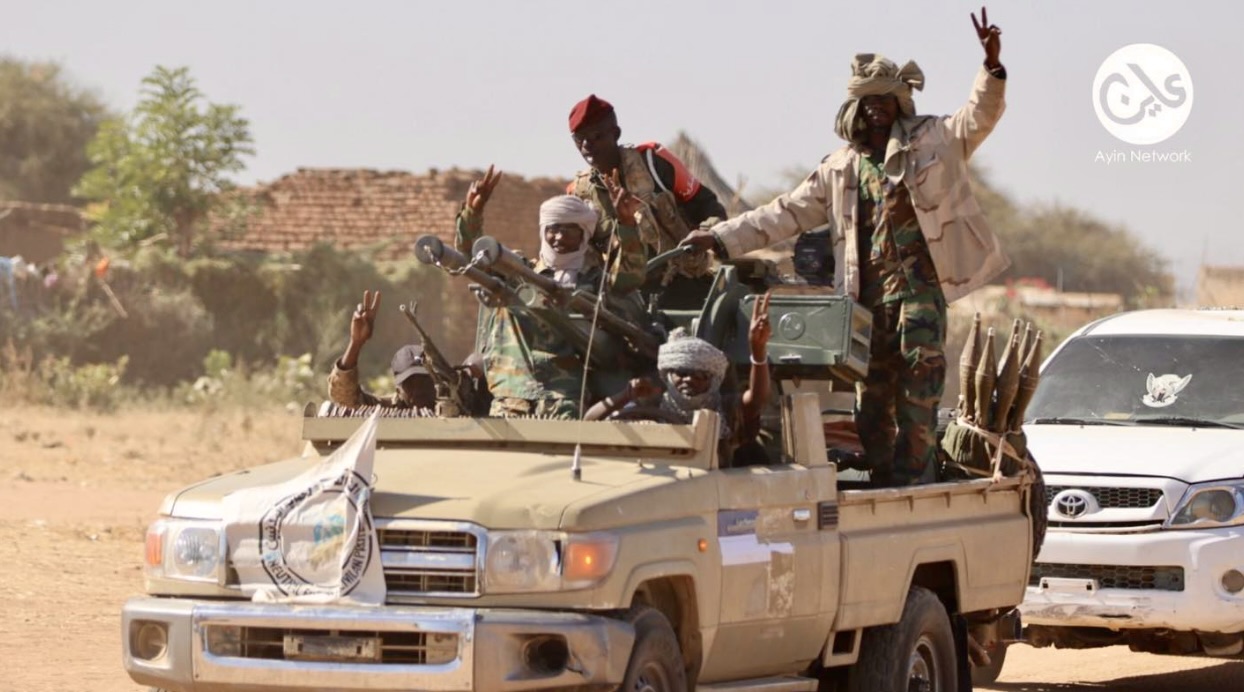 1) West Kordofan: Army advances on Al-Nuhud as RSF mobilises reinforcements
The Sudanese army is advancing toward the city of Al-Nuhud following intense weekend clashes, while the Rapid Support Forces (RSF) have mobilised heavily to defend their positions in the state.
Military confrontations raged from Friday through Sunday as the army pushed westward. Army officials announced the capture of the entire Al-Khuwai locality, including the strategic “Sarif Ankoush” forested belt, which the RSF had been using to evade airstrikes. Pro-military fighters claim their troops are now closing in on Al-Nuhud.
However, RSF-aligned officials strongly denied reports of an army breakthrough. Munim Hamid Munim Mansour, executive director of the Al-Nuhud locality, released videos over the weekend confirming the RSF remains in full control of the city, stating that life is proceeding normally and forces are prepared to repel any offensive.
An RSF field source also countered the military’s narrative, claiming the army has actually retreated eastward toward Ayal Bakhit. The source suggested the military may be pulling back to redeploy troops to the Blue Nile axis in anticipation of upcoming clashes in that region.
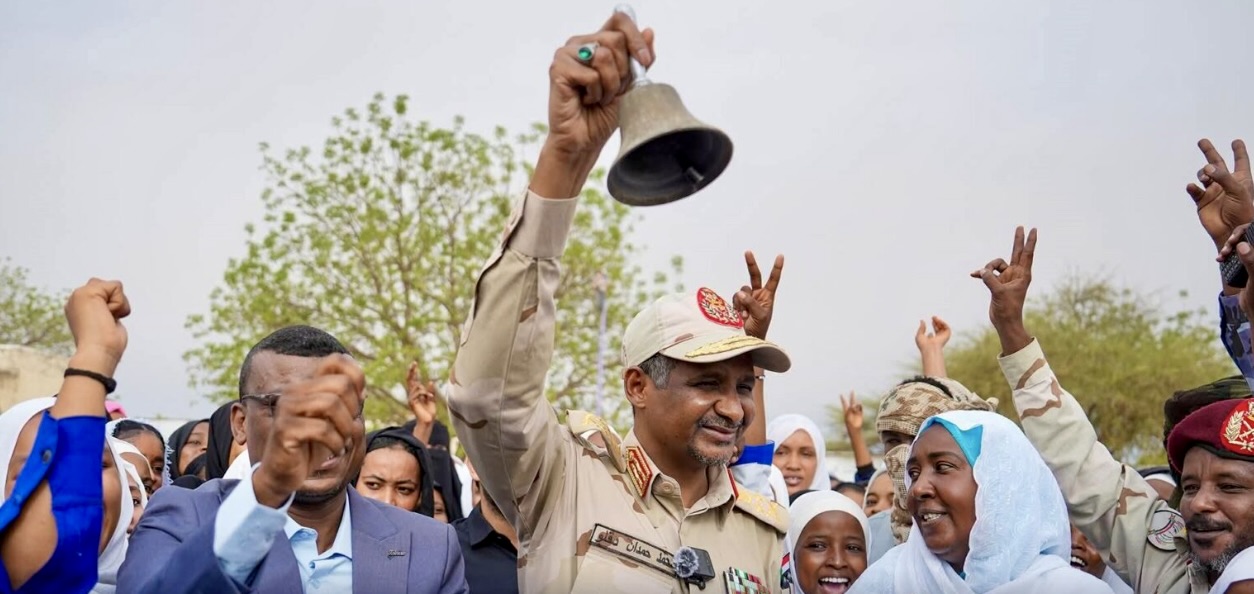
Tensions are escalating as both sides reposition. Eyewitnesses in Ghabish reported a large RSF military convoy arriving from Darfur on Sunday, amid unconfirmed reports that RSF Commander Lt Gen Mohamed Hamdan Dagalo was travelling with the reinforcements.
 2) River Nile: Mandates military training in secondary schools
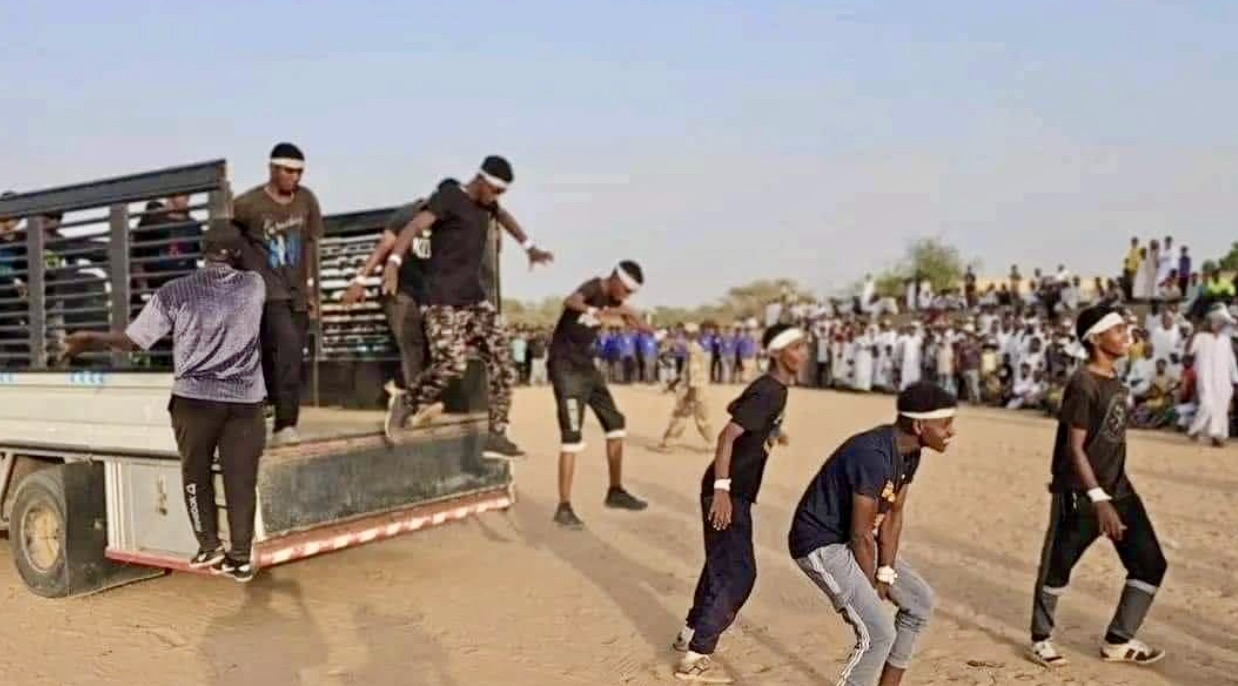
The Ministry of Education in Sudan’s River Nile State has issued a directive to activate military cadet training for boys in local secondary schools. A circular released by the ministry explained that the decision aims to “enhance students’ sense of national identity and revitalise extracurricular activities in schools.”
This new mandate coincides with a severe economic downturn that is deeply affecting students’ basic needs. Many families report they are unable to afford daily breakfast for their children due to soaring living costs, with the price of just two loaves of bread reaching 1,000 Sudanese pounds.
The widespread difficulty in obtaining food during the school day has prompted local volunteers to launch free meal initiatives. Addressing the escalating crisis, Salma Ishaq, advisor on women’s and children’s affairs, confirmed in a press statement that “the government is preparing to launch a campaign to provide school meals for approximately 5 million children across Sudan.”
 3) Kordofan: Drone strikes and indiscriminate gunfire kill 18 civilians
At least 18 civilians, including four children and a woman, were killed and 25 others injured over the weekend in a series of drone strikes and indiscriminate gunfire across North and West Kordofan states, according to local sources and a human rights monitor.
The deadliest incident occurred on Sunday in the Abu Qalb area of West Kordofan’s Abu Zabad locality. The Kordofan Observatory said in a statement that an army drone bombed the area, killing livestock and burning several homes. The Observatory stated that the initial death toll was 15, including women and children.
The strike hit an area where children were playing football and several civilian homes, the Observatory said, adding that three of those killed had not yet been identified because their bodies were burnt beyond recognition.
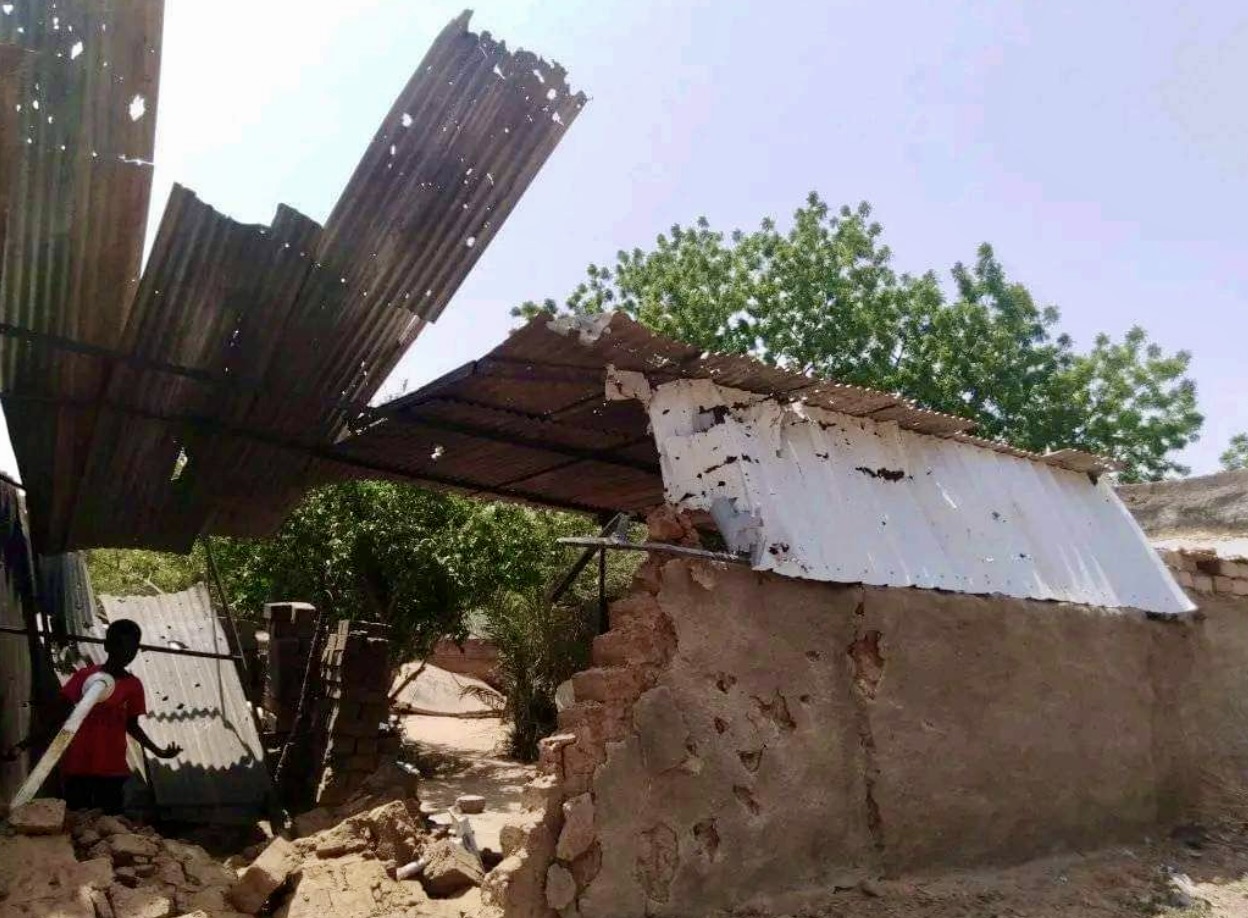
A local source reported that army warplanes renewed their bombardment of the area for the second consecutive day. The source stated that an Antonov aircraft dropped barrel bombs on civilian homes, completely destroying more than five houses, though no casualties were reported. The source added that the escalation has caused widespread fear among residents, leading to the closure of markets and shops and disrupting daily life.
In a separate incident on Sunday in the city of Ghabish, a local source told Ayin that a citizen, Mohammed al-Qurashi, was killed after being struck by a missile fired from a drone that targeted the city. The incident occurred as a Rapid Support Forces military convoy was passing through, travelling from Darfur to the city of al-Nuhud. The source explained that the shelling continued from midday on Sunday until sunset, targeting various locations within the city.
Meanwhile, in the city of El Obeid in North Kordofan, a woman and a child were killed and 25 people were injured on Saturday by indiscriminate gunfire. Local sources said the shooting occurred after false information circulated about the armed forces taking control of the city of El Nuhud, prompting armed men in El Obeid to fire randomly into the air.
 4) A new surge in the “customs dollar” to fuel the war effort
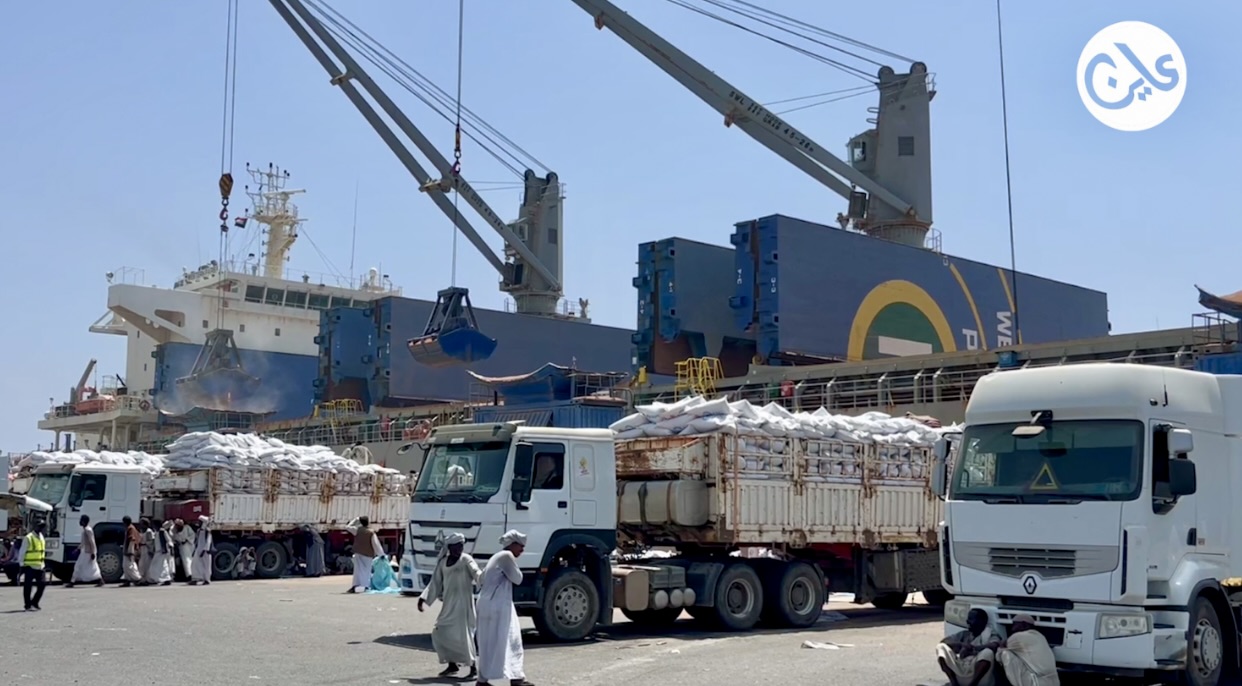
The Sudanese Ministry of Finance has raised the customs tariff to 6,539 Sudanese pounds from 5,631 pounds, triggering market stagnation and exacerbating the country’s cost-of-living crisis as the government scrambles to fund its escalating war effort.
The new rate, which took effect last Sunday, marks more than the fifth time the ministry has increased tariffs this year. The abrupt change has severely disrupted trade, forcing importers to suspend shipments to reprice their goods.
“The increase in customs tariffs on imported goods has been implemented significantly this time, compared to previous increases,” said a customs broker at the Argeen border crossing in northern Sudan. “The decision coincided with the arrival of large quantities of imported goods following the lifting of the ban on luxury goods last month.”
Economic analyst Omar Abshar noted that the government is aggressively chasing the parallel market exchange rate, where the US dollar climbed to 11,200 pounds earlier this week. Despite exempting eight food items from customs duties last month, Abshar characterised the ministry’s pursuit of rapid revenue as greedy, predicting that officials would continue imposing new fees on other goods.
“Whenever the US dollar rises against the local currency, the Ministry of Finance will resort to increasing customs duties; such behaviour has led to paralysis and unprecedented stagnation in the markets,” Abshar said.
The cascading economic effects have driven basic commodity prices to record highs. In Kassala, the price of a single loaf of bread has reached 700 pounds, while citizens in Wadi Halfa are once again lining up for hours outside bakeries.
According to economic analyst Mohamed Ibrahim, grain companies are struggling to secure the foreign currency needed to import wheat shipments. He warned that bread prices could soon hit 1,000 pounds as the local currency continues to deteriorate, pointing to the government’s shifting priorities as the root cause. “The government’s strategy is based on funding the war effort so that the army can advance towards the Darfur region in exchange for limited economic solutions to the living conditions,” Ibrahim said.
He warned that civilian economic obligations will continue to be sacrificed to sustain the military. “The cost of the Sudanese army’s military operations is expected to rise to $200 million per month as it advances in West Kordofan and along the borders of the Darfur region. As it makes progress on the ground, there will be additional funding for the war in exchange for abandoning economic obligations to millions of citizens.
 5) The Red Cross sets up a hotline to report missing persons in Sudan
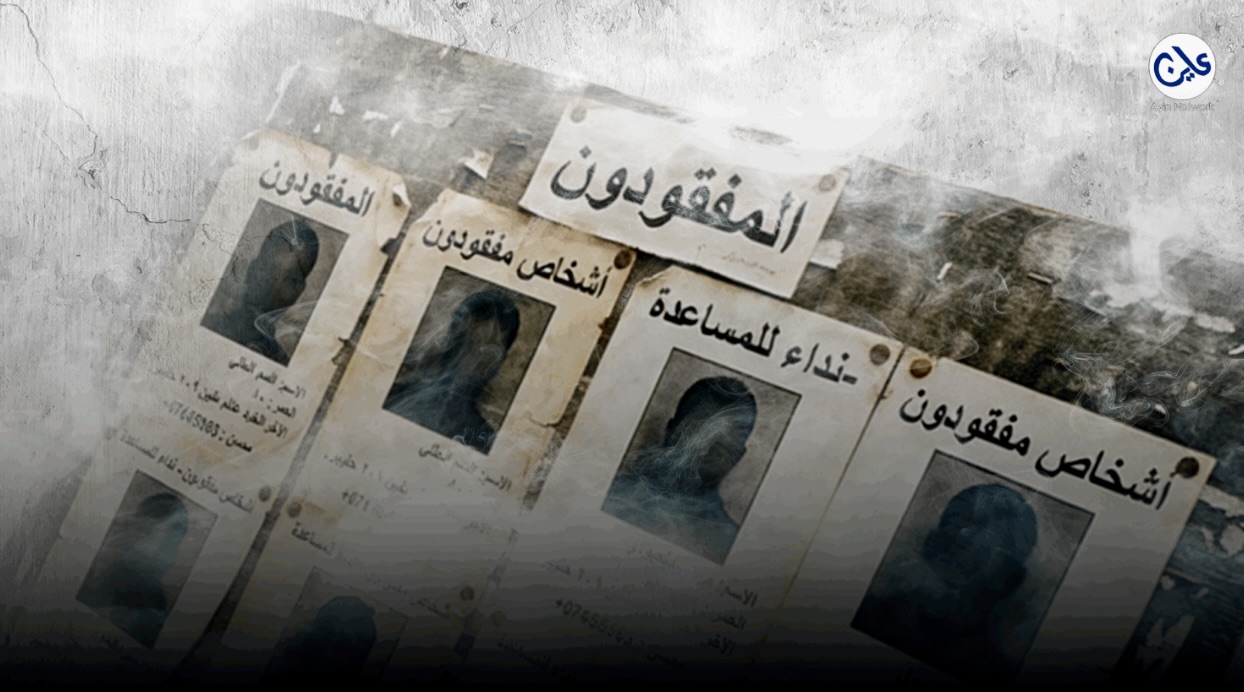
The International Committee of the Red Cross (ICRC) has launched a free and confidential hotline to help families locate relatives missing due to the ongoing armed conflict in Sudan.
With the number of active missing persons exceeding 11,000—including over 9,000 cases recorded since the war erupted in April 2023—the ICRC is urging Sudanese families at home and abroad to report missing loved ones to their nearest Red Cross or Red Crescent offices.
Reem Abdel-Ilah, head of the ICRC’s Restoring Family Links team, announced that a hotline has been established to receive calls and WhatsApp messages from within Sudan. She noted that the Sudanese Red Crescent Society’s volunteer network in various states coordinates the search and field tracking operations. Reem added that they are facing huge challenges in the field due to the insecurity and frequent communication blackouts.
Despite the severe logistical and communication challenges, ICRC teams and their partners successfully determined the whereabouts of 613 missing individuals and helped more than 38,500 people contact their families during the first half of 2026.
Decades of prior conflicts in regions like Darfur, South Kordofan, and Blue Nile have exacerbated the missing persons crisis. The current war has expanded into major cities like Khartoum, forcing nearly 5 million people to flee across borders—primarily to Egypt and Chad—creating what the United Nations describes as the world’s largest forced displacement crisis.
 6) Tas’is opens university admissions for students with separate certificate exams
The admissions committee of the ministry of higher education under the “Foundation” government (Tas’is) has opened university applications for the 2027 academic year across eight institutions in Darfur and Kordofan, further entrenching the divide in Sudan’s educational system.
Headed by Musa Al-Amin, the committee announced in Nyala that applications opened on Monday. Prospective students can apply to universities including Al-Salam, Al-Fasher, Nyala, Zalingei, Al-Daein, and West Kordofan, alongside Nyala Technical College and the Sudan Open University.
This admissions cycle follows the “establishment” government’s move to hold separate secondary school certificate exams last June for over 10,000 students in areas controlled by the Rapid Support Forces (RSF) and its allies. Coalition authorities stated that these parallel exams were necessary because students could not safely reach test centres in army-controlled regions, where war-related road closures and severe security threats made travel impossible.
Highlighting the fractured state of the nation’s education, the education ministry in the army-controlled territories announced its own independent exam results in September, reporting a 69.9% success rate among the 558,837 students who sat for the tests.
The ongoing conflict continues to severely disrupt education. Mass displacement, damaged infrastructure, and persistent travel hazards have now escalated from disparate studying conditions into entirely parallel educational and administrative systems managed by the opposing factions.
7) Darfur: Health services collapse as conflict and malnutrition take a heavy toll
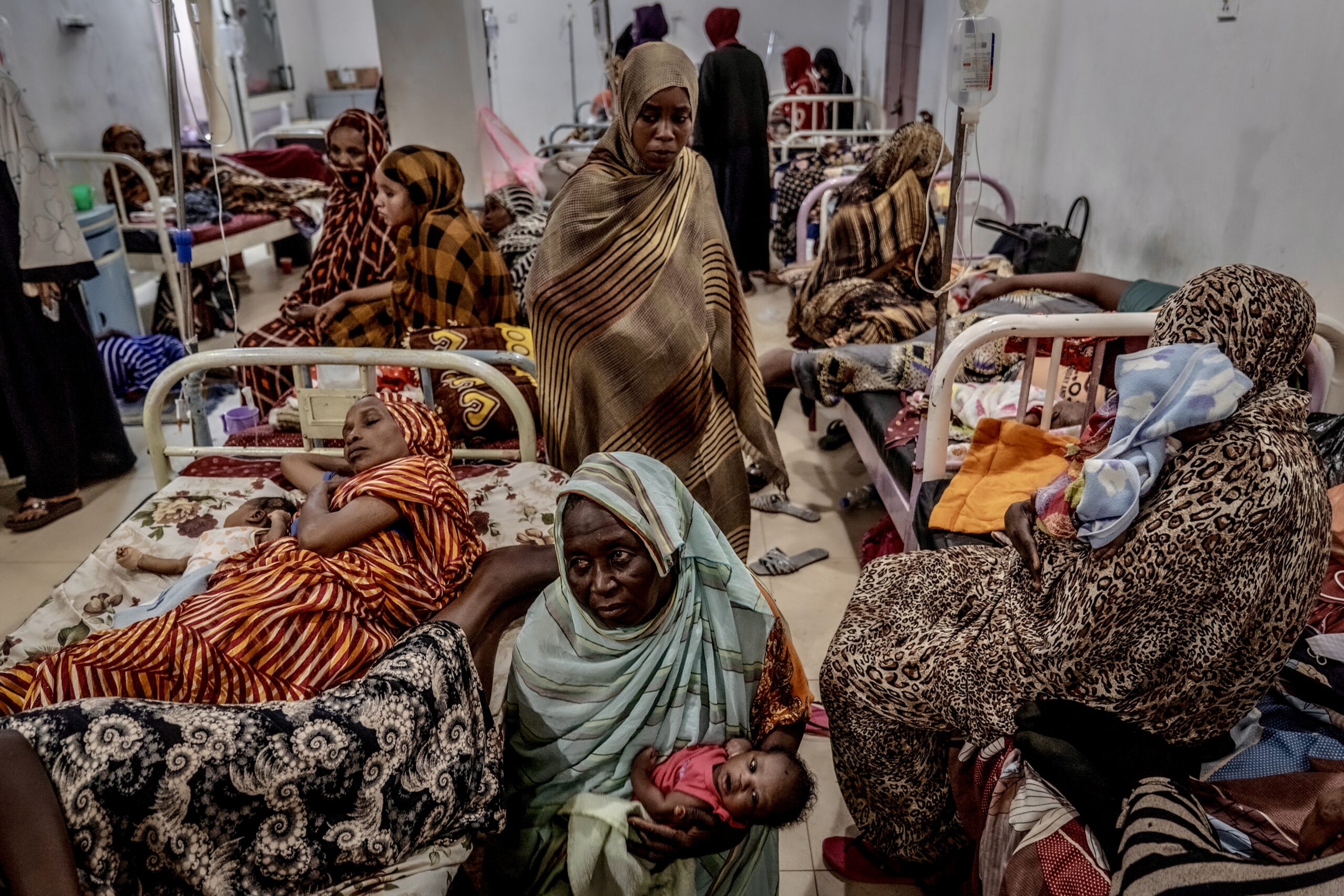
The medical charity Doctors Without Borders (MSF) has issued a dire warning regarding the total collapse of essential health services across Sudan’s Darfur region, leaving vulnerable populations—particularly children—facing a catastrophic public health crisis.
The physical toll of the conflict is starkly visible at facilities like the Al-Daein Hospital in East Darfur State, which was left in ruins following a devastating airstrike on March 20, 2026.
According to a recent press statement from MSF, the destruction of local clinics has forced parents to walk long, gruelling distances just to secure routine childhood vaccinations. For many families, the sheer distance and danger make the journey impossible, cutting them off from essential medical support entirely.
The crisis is deeply compounded by a critical breakdown in the cold chain required to preserve life-saving medicines. MSF confirmed that refrigeration services are severely lacking across the region, with the few surviving units operating at diminished capacity in only isolated pockets of Darfur. Despite these severe logistical barriers, the organisation stated it is currently fighting to implement a targeted child vaccination campaign to stave off looming disease outbreaks.
MSF added that widespread malnutrition across Darfur is acting as a deadly multiplier, stripping children of their immune defences and making otherwise preventable diseases increasingly fatal.
The urgent alarms raised by MSF parallel the broader humanitarian catastrophe unfolding across the country. During a visit to Kosti in White Nile State this week, World Food Programme (WFP) Executive Director Luc Lindbergh emphasised that the absolute priority for the international community and local factions must be an immediate cessation of hostilities.
Painting a bleak picture of the civilian plight, Lindbergh stated that those facing acute hunger in Sudan are left with three tragic choices: rebellion, migration, or starvation.