

10 November 2026
We have developed a series of weekly news briefs covering major topics of the week to keep our readers informed about the multitude of events taking place in Sudan amidst the ongoing, devastating war.
In this week’s edition:
- Sudan’s army prioritises war in 2027 budget amid deepening economic crisis
- Kordofan: Fierce clashes erupt as warring parties trade victory claims
- South Kordofan: Cyanide poisoning kills dozens of livestock
- El Obeid: RSF attacks destroy stock exchange
- Blue Nile: Battles, shelling of drones, and waves of displacement
- Nine thousand Sudanese children arrive in North Africa without their families
- Teachers’ strike enters its fourth week
- Kassala: Security forces arrest ICC-wanted NCP leader Ahmed Haroun
- Dongola: Rare archaeological discovery of the “Church of Jesus”
 1) Sudan’s army prioritises war in 2027 budget amid deepening economic crisis
The Sudanese government has announced that funding the war effort, achieving security, and driving reconstruction will dictate its spending priorities for the 2027 budget.
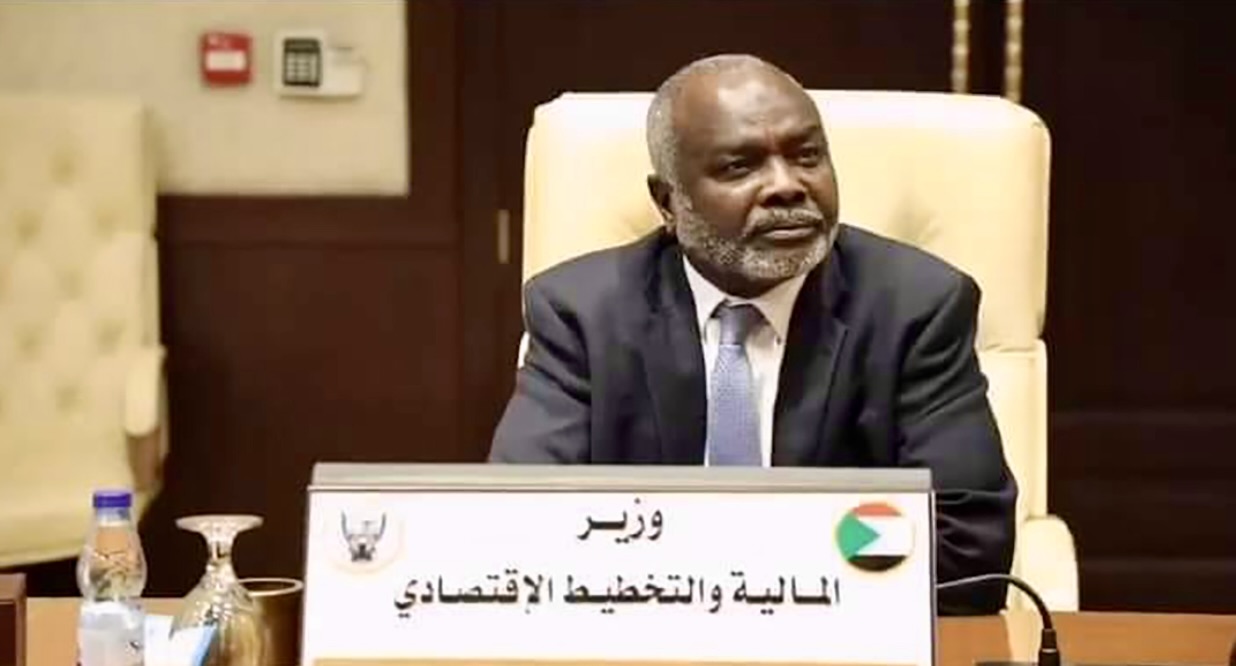
During a recent meeting of ministerial sectors, Minister of Finance and Economic Planning Jibril Ibrahim stated that the upcoming budget is designed to sustain social and economic reforms and support recovery. He emphasised plans to strengthen the finance ministry’s authority over public funds and to leverage private-sector partnerships to maintain basic services and infrastructure during the country’s current “exceptional circumstances”.
The Cabinet, led by Kamil Idris, is preparing to debate the budget amid rising public unrest. Sudan is currently grappling with a severe cost-of-living crisis driven by unprecedented price hikes in food, fuel, and transportation. Exacerbating the situation, the Sudanese pound plummeted throughout October and November 2026, with the US dollar reaching 10,400 pounds on the parallel market. This collapse has largely resulted from severe foreign currency shortages at the Central Bank, which have forced importers to rely on the black market.
“The Sudanese military-led government usually resorts to short-term emergency budgets during war because building expected financial estimates is impossible in light of economic fluctuations, declining production, and the erosion of the national currency,” says economic analyst Omar Abshar. Before the outbreak of the war, the country’s trade balance—the total funds allocated for foreign imports—averaged roughly $11 billion annually. However, the conflict has severely disrupted trade dynamics. “According to statistics issued by the Central Bank, the trade deficit for last year amounted to $3.6 billion, and this year the deficit is expected to reach $4.2 billion in the external trade balance,” he added.
With the 2027 budget heavily geared toward military operations, Abshar estimates that the Sudanese army’s spending on the war effort could soon exceed $5 billion annually.
 2) Kordofan: Fierce clashes erupt as warring parties trade victory claims
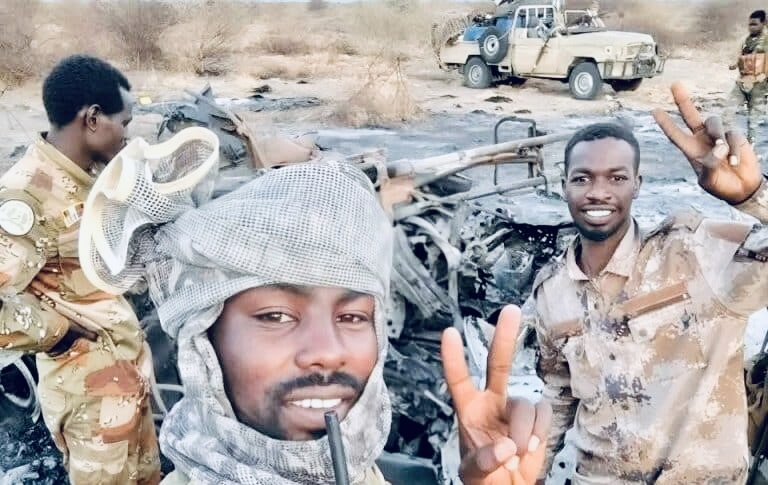
Heavy fighting between the Sudanese army and the Rapid Support Forces (RSF) swept across the Kordofan region between Thursday and Sunday, resulting in high casualties, captured prisoners, and conflicting claims of military dominance.
The violence began on Thursday as the army advanced toward RSF-controlled West Kordofan. Intense battles erupted in the border areas of Abu Qud, Umm Samima, Kazqil, and Al-Hamadi. While a joint force supporting the army announced it had taken control of these territories, RSF fighters quickly countered by releasing videos displaying their continued presence and seized military equipment. During Thursday’s offensive, the army mourned the death of Brigadier General Al-Hadi Hamdallah Al-Bashir, deputy commander of the Al-Sayyad mobile unit.
Fighting resumed on Saturday along the western axis of Al-Mazroub, leading to the army capturing the Ayal Bakhit area in the Al-Khuwai locality. The conflict then peaked on Sunday with a gruelling six-hour battle utilising hit-and-run tactics and flanking manoeuvres in the unpopulated plains between Ayal Bakhit and Al-Khuwai.
Speaking to the news outlet Ayin, a field source described Sunday’s engagement as the fiercest in recent times. “The clashes began after a large military convoy arrived en route to Al-Khuwai before being attacked by the Rapid Support Forces from several directions.”
In the aftermath, both factions declared victory amid significant losses of life and equipment, while the official army command has yet to issue a statement. The RSF claimed to have killed over 600 army troops, captured dozens of fighters, seized 81 vehicles, and destroyed more than 120 others. Conversely, the army-aligned joint force stated it had successfully secured Ayal Bakhit and surrounding areas, seizing 82 RSF combat vehicles and destroying 68 others. Ayin will continue investigating to verify these claims.
 3) South Kordofan: Cyanide poisoning kills dozens of livestock
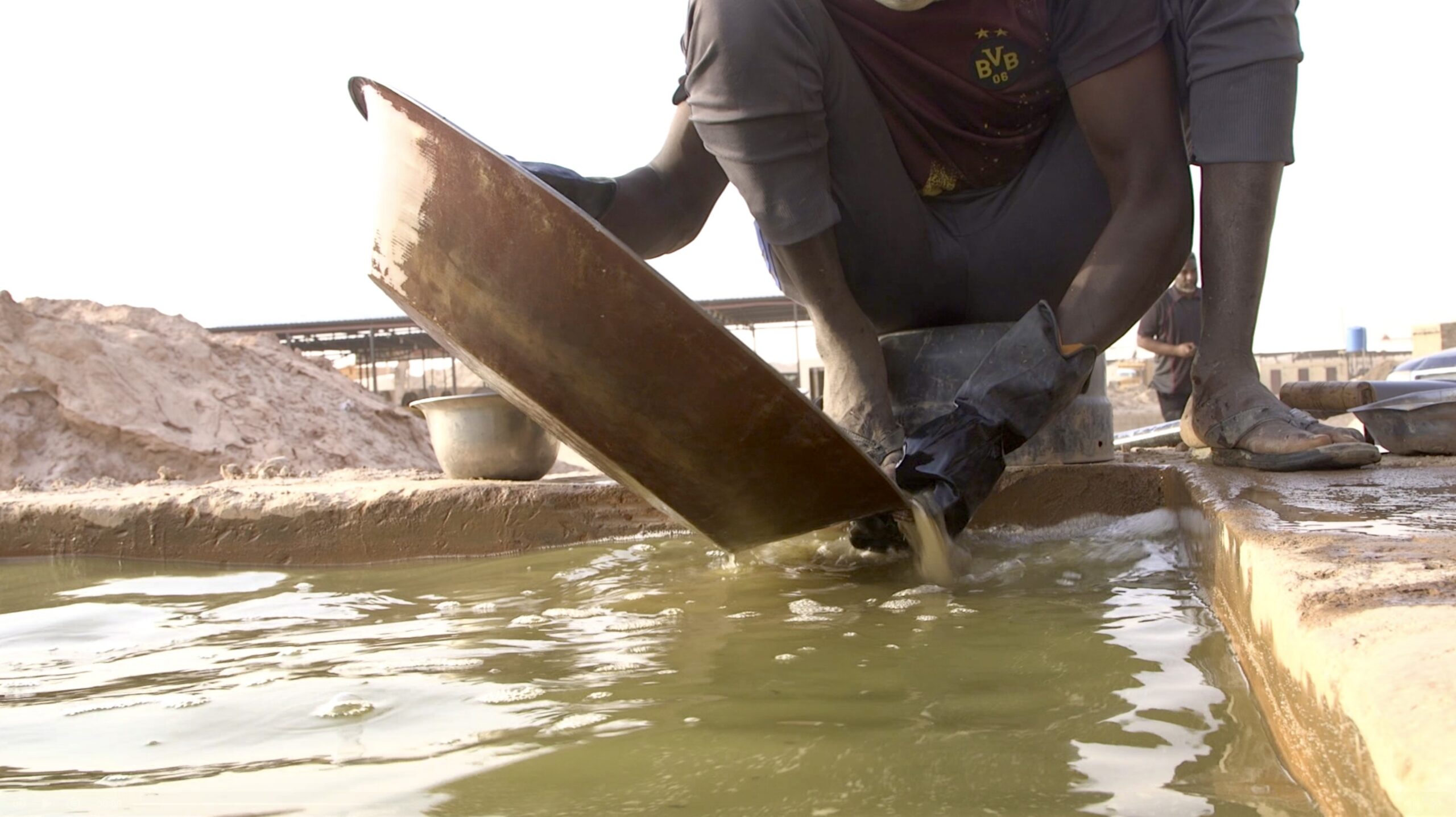
Dozens of sheep have died from cyanide poisoning in Sudan’s South Kordofan State, prompting local watchdog groups to warn of an escalating environmental and health crisis caused by the indiscriminate use of toxic chemicals in gold mining operations.
A local committee opposing the use of cyanide in gold mining operations released a statement on Monday announcing the recent death of 65 sheep belonging to local citizen Abdul Rahim Mohammed Hamdan near the Bashair mine in the Talodi area. The committee warned that “cyanide” is threatening animal pastures, the environment and the population.
This latest incident is part of a broader pattern of chemical contamination in the region. Last year, dozens of citizens in the Al-Taqoula area reportedly died from cyanide-related diseases, alongside dozens of cattle that perished from contaminated drinking water.
Cyanide is a highly toxic substance frequently used in gold extraction. When mishandled, its leakage into soil and water sources poses severe risks to all biological life.
The committee has accused the Sudanese Mineral Resources Company of attempting to obscure the circumstances of the deaths and deny culpability. Because the import, transport, and trade of cyanide operate under strict government control, the committee argues that state authorities are ultimately responsible for the fallout, regardless of whether the mining workers are licensed.
“Companies linked to the joint force allied with the army, along with leaders of the National Congress Party and the Popular Resistance, are carrying out mining activities in which the toxic substance is used,” a member of the committee requesting anonymity for security reasons told Ayin.
The committee also condemned local administrations, holding them responsible for permitting these hazardous activities in exchange for financial gain. The committee is calling on residents to actively confront these environmental and public health threats, warning that the continued use of cyanide and its devastating local impacts could fuel further social and ethnic conflicts and prolong the ongoing war.
 4) El Obeid: RSF attacks destroy stock exchange
A crippling siege and repeated drone attacks by the Rapid Support Forces (RSF) have paralysed trade in El Obeid, severely disrupting the supply of agricultural goods to the country’s main stock exchange. The blockade of the North Kordofan capital has choked off the city’s historic role as a pivotal commercial hub connecting Darfur, South Kordofan, and central Sudan.
Armed groups deployed along strategic routes have brought commerce to a near-total halt by routinely detaining transport trucks. This obstruction has completely cut off the delivery of essential commodities from neighbouring towns and villages, effectively taking vast agricultural areas out of production.
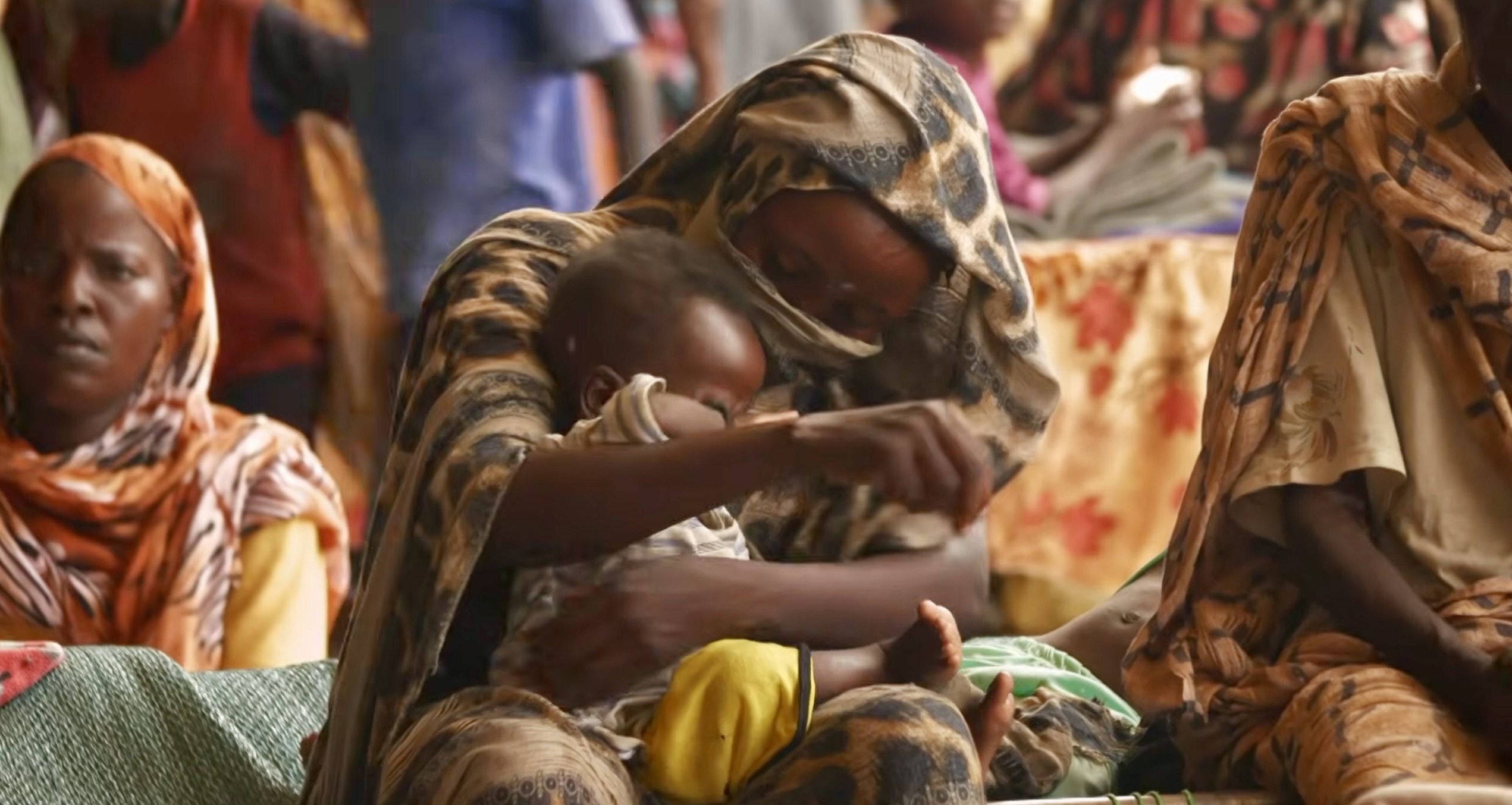
This commercial collapse is also fuelling a dire humanitarian crisis in the city. According to local journalist and resident Omar Wad Abkar, the violence has forced farmers to abandon their lands. “The scarcity of supplies and the halt in financing have led to a dramatic increase in the prices of goods and foodstuffs, estimated at 300%,” Abkar said, highlighting the severe food shortages now facing over 500,000 residents and thousands of displaced people.
The broader economic fallout has also severely affected Sudan’s strategic exports. With large transport trucks entirely blocked from moving goods out of the region, the Gum Arabic Exporters Chamber in North Kordofan State reports that total production of the vital commodity has plummeted by up to 50% as a direct result of the conflict.
 5) Blue Nile: Battles, shelling of drones, and waves of displacement
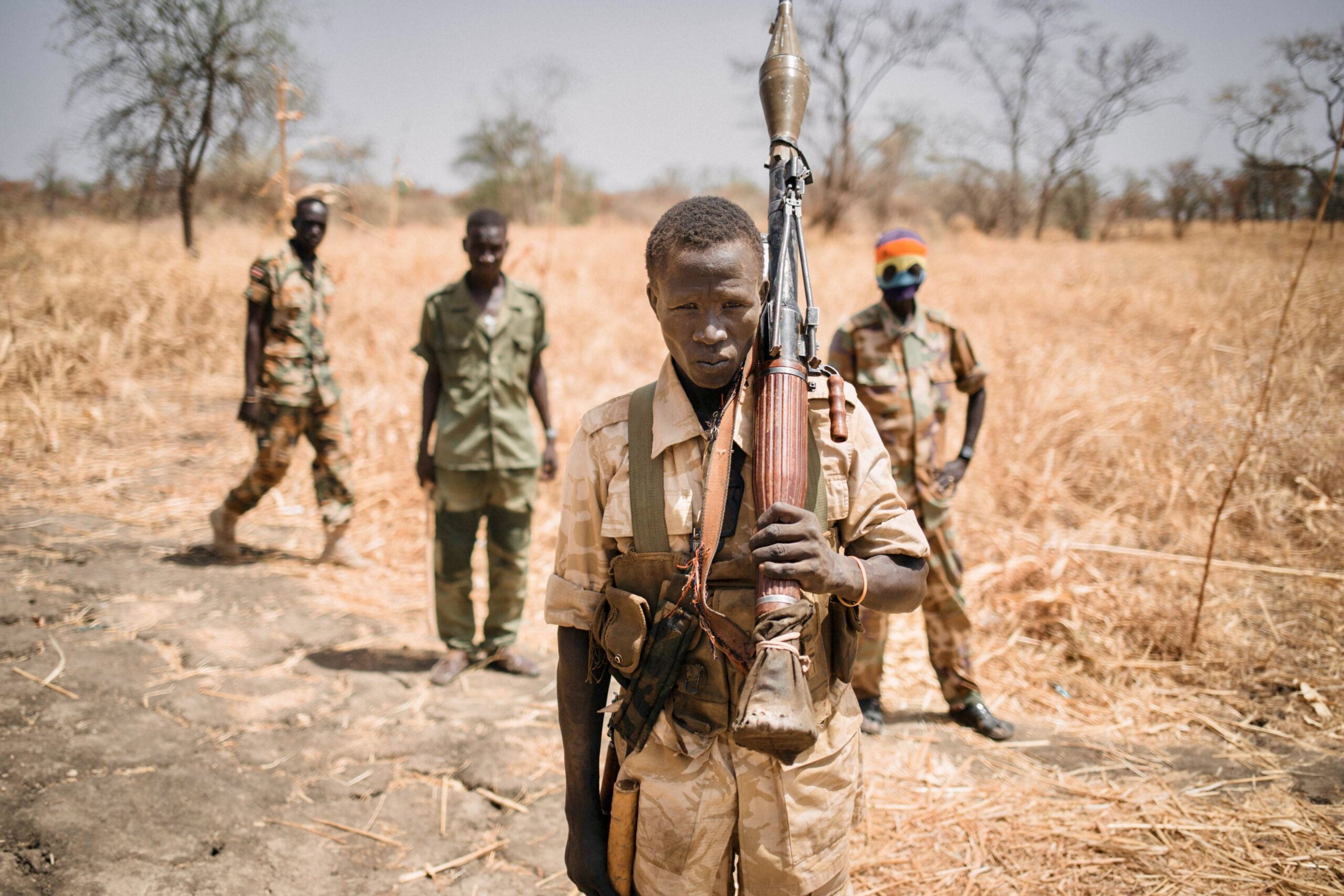
The Blue Nile region is witnessing escalating military and humanitarian developments following clashes between the Sudanese army, the Rapid Support Forces (RSF) and allied Sudan People’s Liberation Army-North (SPLA-N) forces. Last Tuesday, the RSF and SPLA-N seized control of areas in Baw province, including Sali, Al-Baraka, Maqja, and the Kilo 6 area.
According to a local source, Hassan Uthman, military operations in the region have led to widespread displacement towards Damazin, the regional capital. “The Diniro area of Kurmuk, which was home to a large population, has witnessed large waves of displacement towards Damazin, Salbel, and the mountainous regions,” Hassan told Ayin. “The areas of Baw, Fadmiya and Salbil are among the most prominent areas currently receiving displaced people, with the displacement movement extending to the areas of Khor Maqanza and some families arriving at the Al-Salam camps in the city of Damazin.”
Regarding humanitarian needs, local volunteers in Damazin explained that displaced people are facing a severe shortage of food and shelter supplies, as waves of displacement continue. Children are particularly vulnerable, the sources added, with the onset of winter and lack of adequate shelter to protect them from the cold temperatures.
In the Geisan locality, a local source requesting anonymity told Ayin that insecurity has prevented aid agencies from reaching the vulnerable populations. The source pointed out that the RSF and SPLA-N advanced eastward towards the areas of Elias and Omar Dalu and announced their control over them, which led to new waves of displacement in the region.
The source also explained that a number of citizens were forced to leave the displacement centres in Shira and head towards the Dandan and Abu Qami areas in search of safety, given the continued security concerns.
Last Wednesday, drones attacked the city of Damazin, causing widespread damage to civilian infrastructure, including homes. “The repeated attacks and indiscriminate targeting of residential areas have created a climate of fear and panic among the population, significantly impacting their daily lives and their sense of insecurity,” a local resident told Ayin. The resident also noted that a number of basic facilities and services, including water and electricity sources, hospitals and health facilities, were damaged, which increased the suffering of the city’s residents and displaced people.
 6) Nine-thousand Sudanese children arrive in North Africa without their families
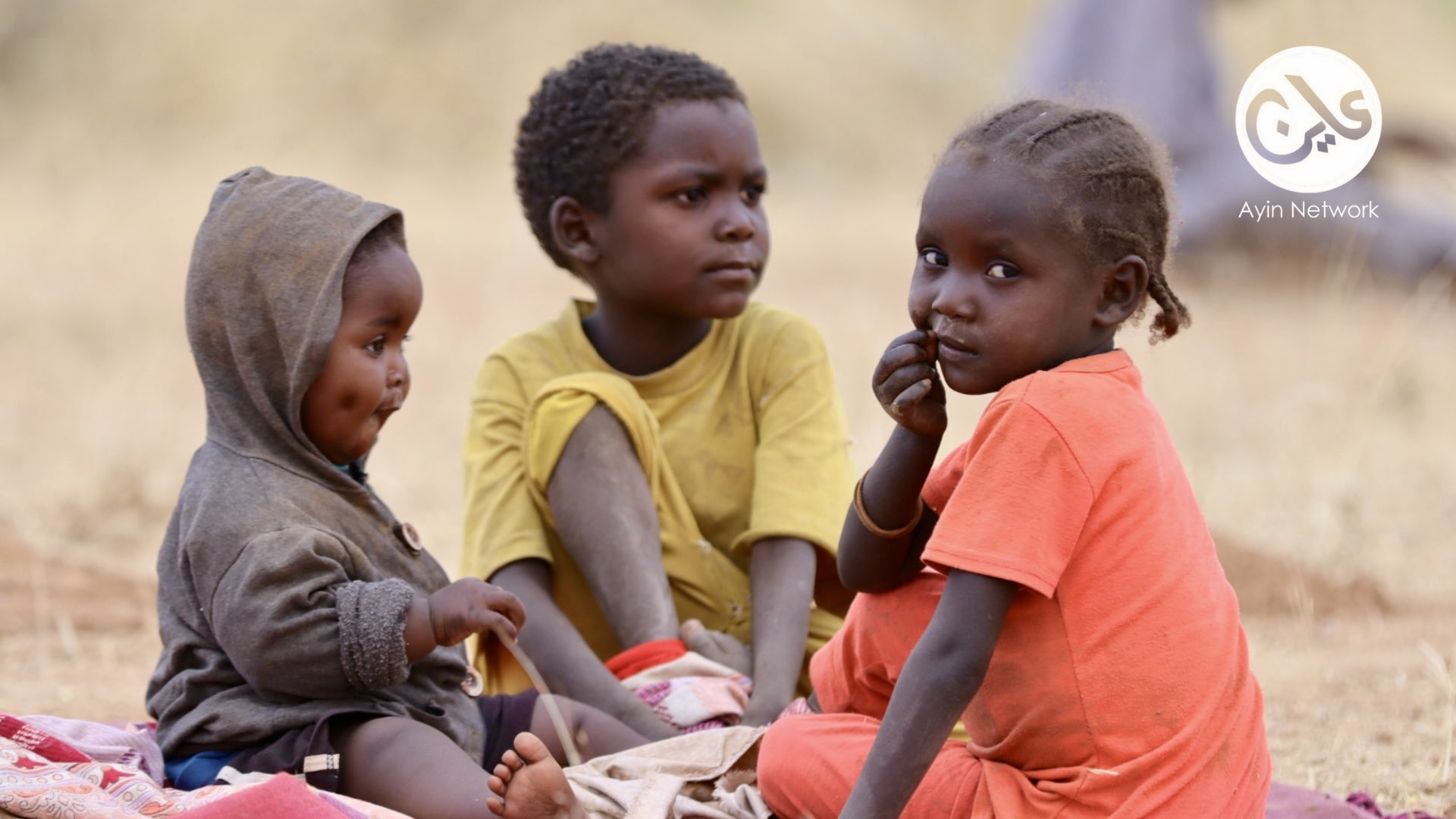
The International Organization for Migration (IOM) has recorded the arrival of approximately 9,000 unaccompanied or separated Sudanese children in North Africa over the past three years, amid warnings that they are at risk of violence, trafficking and exploitation during migration journeys and after their arrival.
“The organisation has recorded an increase in the number of children arriving from Sudan,” said IOM Protection Programme Officer Rawaa Ahmed in a press statement on Sunday. “These children face risks including extortion, violence, human trafficking, and child labour, as well as gender-based violence, forced marriage of girls, and sexual exploitation.”
The UN official warned of the dangers of forced returns, which could separate children from their families again, in addition to some facing detention in destination countries. She stressed the need to provide alternatives to detention that take their needs into account and ensure their protection. She noted that funding shortages are forcing child protection organisations to make difficult choices between providing immediate assistance and ensuring sustainable support for protection systems.
Libya provides a clear example of the risks faced by Sudanese children during migration, with the Global Initiative Against Transnational Organised Crime estimating that there were approximately 10,000 unaccompanied or separated Sudanese children in the country by the end of 2025.
A report issued by the initiative in March 2026 indicated that some children rely on smuggling networks to reach Libya, where they face the risks of kidnapping for ransom, forced labour, begging, sexual exploitation, and detention. This estimate was based on testimonies from representatives of the Sudanese community, humanitarian workers, and local activists, given the absence of accurate official statistics on their numbers.
 7) Teachers’ strike enters its fourth week
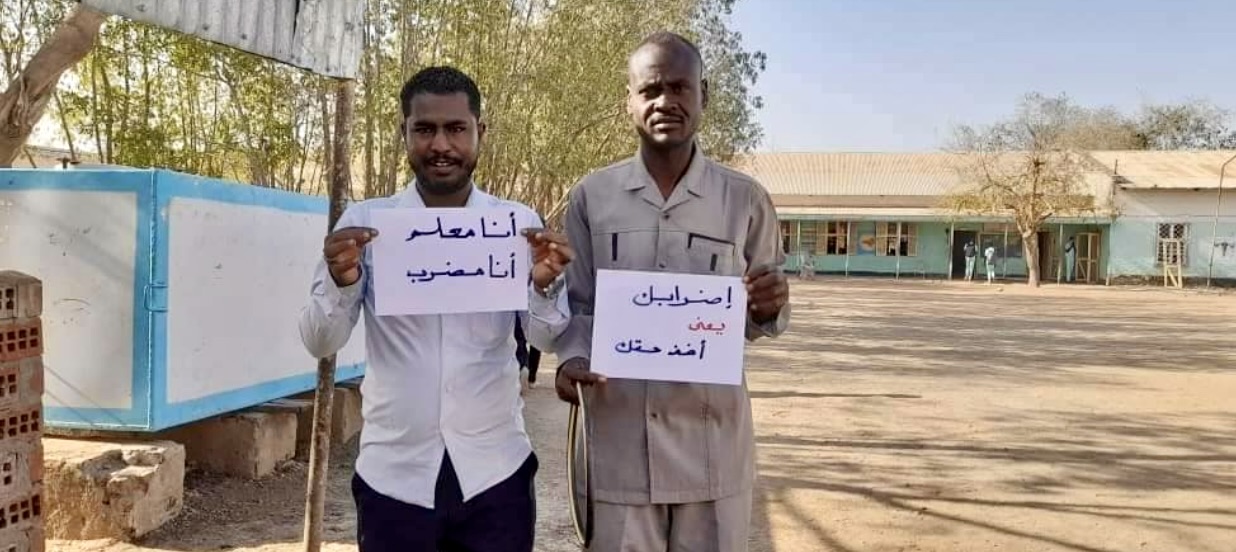
Sudanese teachers are continuing their strike, now in its fourth week, in protest against what they describe as the government’s disregard for their legitimate demands and its attempts to weaken public education.
The media office of the strike committee said in a statement issued on Monday that the strike had entered its first day of the fourth week, stressing that teachers were continuing what it described as a “battle of attrition” and holding fast to their demands.
The statement announced that the strike would continue on Tuesday and that the committee would hold a meeting to assess the situation on the ground and determine the next steps.
Security forces summoned two committee members in Omdurman last Thursday, Al-Nayer Al-Tarifi and Mohamed Adam. The committee stated that Adam was taken to the local security and intelligence headquarters despite suffering a broken leg and being bedridden for over a month, on charges of inciting the strike.
The committee accused the authorities of using intimidation and security harassment to deter teachers from demanding their rights and held them responsible for the safety of the two members.
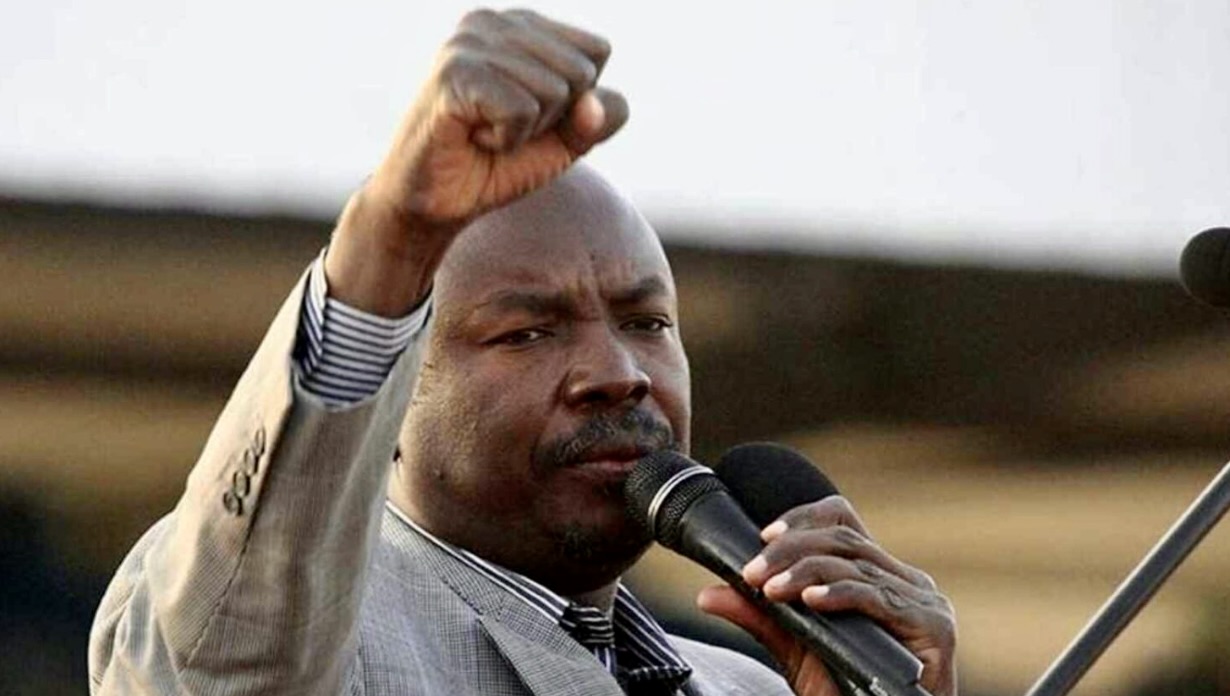 8) Kassala: Security forces arrest ICC wanted NCP leader Ahmed Haroun
Sudanese security forces arrested Ahmed Haroun, the internationally wanted leader of the dissolved National Congress Party (NCP), in the eastern city of Kassala on Sunday. The arrest took place just before Haroun and a small delegation of party members were scheduled to travel to Atbara as part of an administrative tour.
The detention follows Haroun’s highly publicised recent interview on the “Sudan Podcast”. The broadcast sparked intense political backlash, reinforcing allegations of an ongoing alliance between the Sudanese army and the dissolved Islamist-leaning NCP. Haroun and fellow NCP figure Ali Karti both share deep paramilitary roots in the former regime. Haroun previously coordinated the Popular Police and led security operations in Darfur, resulting in his indictment by the International Criminal Court (ICC) for war crimes.
Political and human rights organisations have swiftly responded to these developments. Yasser Arman, head of the Sudan People’s Liberation Movement-Revolution, condemned Haroun’s recent public visibility as a mockery of the nation’s economic collapse, famine, and the suffering of displaced victims, calling it a direct defiance of justice.
Meanwhile, the human rights group Emergency Lawyers called on authorities to disclose Haroun’s exact location and immediately surrender him to the ICC. The group also demanded transparency regarding the fate of other wanted former regime officials, most notably ousted President Omar al-Bashir and Abdul Rahim Muhammad Hussein, urging authorities to clarify the legal procedures being taken against them.
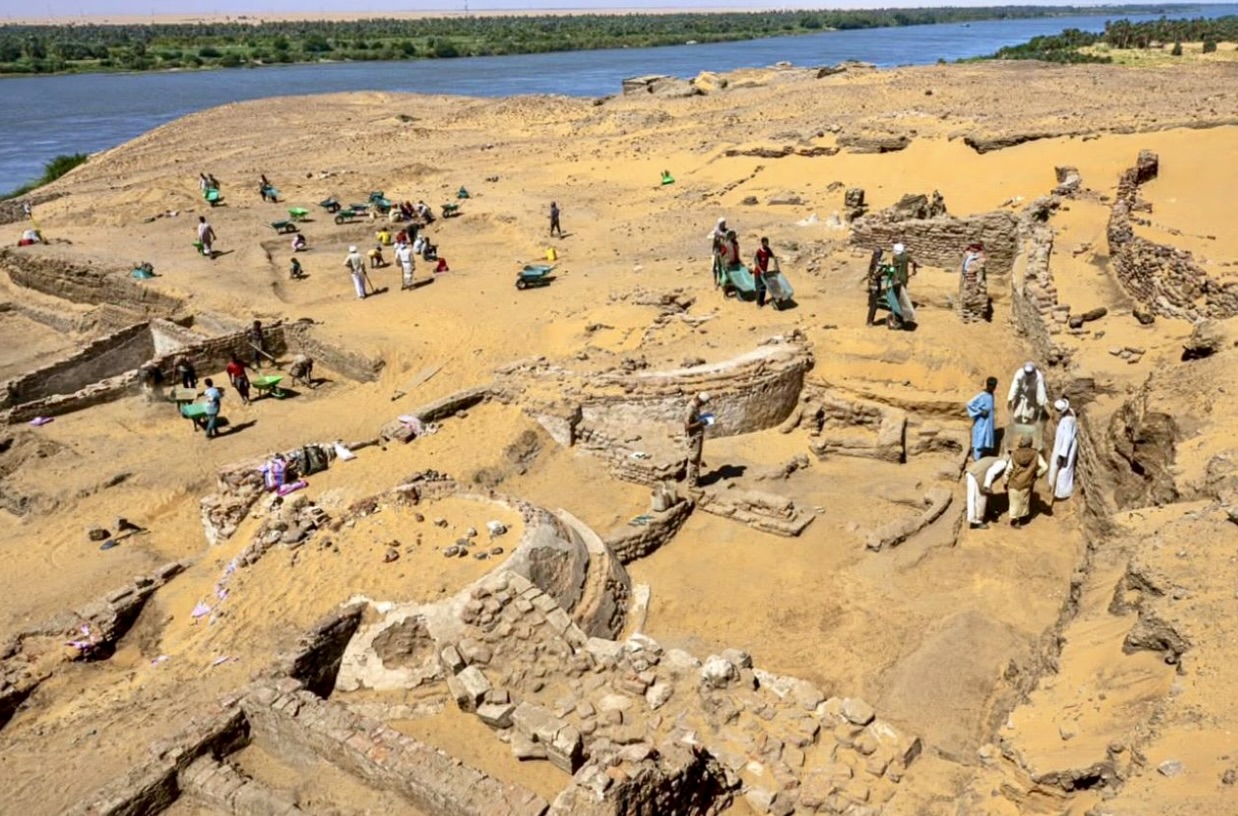 9) Dongola: Rare archaeological discovery of the “Church of Jesus”
A joint Polish-Sudanese archaeological mission has unearthed the “Great Church of Jesus” in the outskirts of Old Dongola, uncovering what researchers describe as the largest and richest mediaeval religious monument in Africa.
Led by Artur Obosque of the Polish Centre for Mediterranean Heritage Archaeology at the University of Warsaw, the team excavated down to the building’s original ground-level entrance. The dig revealed a monumental structure measuring 47 by 57 metres—roughly the footprint of the U.S. White House—with an estimated height of 21 metres. The architecture features a massive amphitheatre and structural wall supports extending 11 metres underground.
Obosque noted that the church’s architectural scale and historical significance rival that of Byzantine architecture’s crown jewel, the Hagia Sophia in Constantinople.
During the excavation, archaeologists discovered a second church attached to the eastern building’s upper wall. From this secondary site, the mission recovered hundreds of rare plaster fragments bearing murals and precise Greek inscriptions. The texts contain chants and hymns from the Book of Psalms, marking the first discovery of biblical hymn texts at the Old Dongola site.