

8 September 2026
To keep our readers informed of the multitude of events taking place in Sudan amidst the ongoing, devastating war, we have developed a series of weekly news briefs covering major topics of the week.
In this week’s edition:
- Severe drought and conflict threaten Sudan’s agricultural season
- International ‘Quintet’ headed to Khartoum in fresh push for Sudanese peace
- Sudanese government intervenes as bread prices skyrocket
- The army controls Hamrat al-Waz and bombs Dilling
- ICC begins hearing on reparations for victims of Darfur commander ‘Ali Kushayb’
- Over 36 bird species return to war-damaged acacia forest in post-war survey
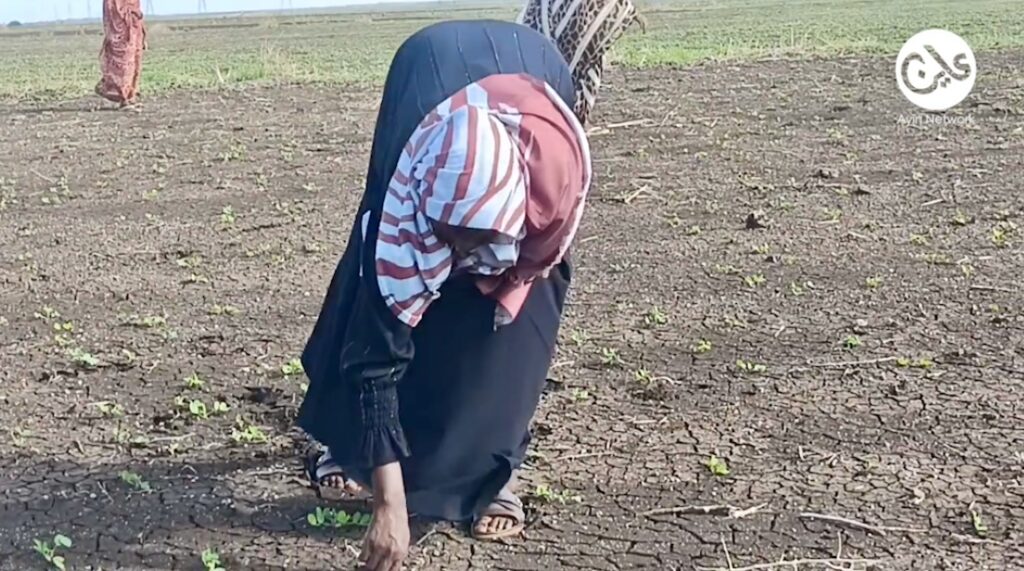 1) Severe drought and conflict threaten Sudan’s agricultural season
 2) International ‘Quintet’ headed to Khartoum in fresh push for Sudanese peace
 3) Sudanese government intervenes as bread prices skyrocket

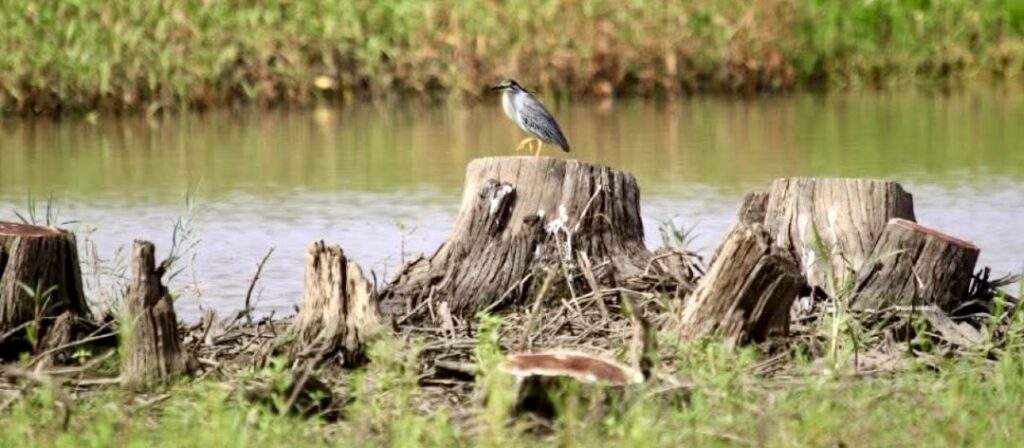
Over 36 bird species return to war-damaged acacia forest in post-war survey
In the first documented field activity since the outbreak of war in Sudan, environmentalists have recorded more than 36 species of resident and migratory birds within Khartoum’s Acacia Forest and its adjacent islands.
The joint observation initiative, conducted by the Sudanese Birdwatching Club alongside the National Forestry Corporation, marks a crucial first step in assessing the capital’s ecological recovery. Situated near the confluence of the White and Blue Niles in the Al-Mograin area, the reserve serves as one of Khartoum’s most significant nature reserves, despite enduring severe combat damage and illegal logging during the conflict.
Birdwatching club member Mohammed Youssef Al-Fatayabi noted that the majority of the birds gathered around the central lake and surrounding small islands, coinciding with the start of the annual migration season along the Nile corridor. The recorded wildlife includes waterfowl, birds of prey, and songbirds, with migratory species using the forest as a vital resting stop forming the largest proportion alongside a population of resident birds.
Awad Siddiq, head of the Sudanese Birdwatching Club, called the presence of 36 species a promising early sign of available food and security. However, he cautioned that confirming a complete ecological recovery requires year-round monitoring to observe nest-building and long-term settlement behaviours.
To protect the returning wildlife, the National Forestry Corporation has deployed guard teams to curb ongoing logging and overgrazing. Siddiq stressed the importance of expanding “citizen science” partnerships between photographers and researchers to map environmental data, while advocating for immediate protections, including hunting bans, community outreach, power line safeguards, and site cleanup campaigns.