4 August 2026
To keep our readers informed of the multitude of events taking place in Sudan amidst the ongoing, devastating war, we have developed a series of weekly news briefs covering major topics of the week.
In this week’s edition:
- Violent clashes resume between Ethiopian army and TPLF along Sudan border
- Egyptian security forces target young Sudanese men to push families out, human rights groups say
- Sudan forms special courts for smuggling and orders troop withdrawal from gold mines
- Power outage paralyzes four Sudanese states for fifth consecutive day
- Kordofan: Economic blockade induces severe food insecurity
- Drone strike on local customary court kills dozens in North Darfur
- Sudan Shield Forces arrest journalist Al-Rayah Issam in Al-Jazeera
- Appeals court orders release of head of Nubian Gathering Ahmed Shifa
 1) Violent clashes resume between Ethiopian army and TPLF along Sudan border
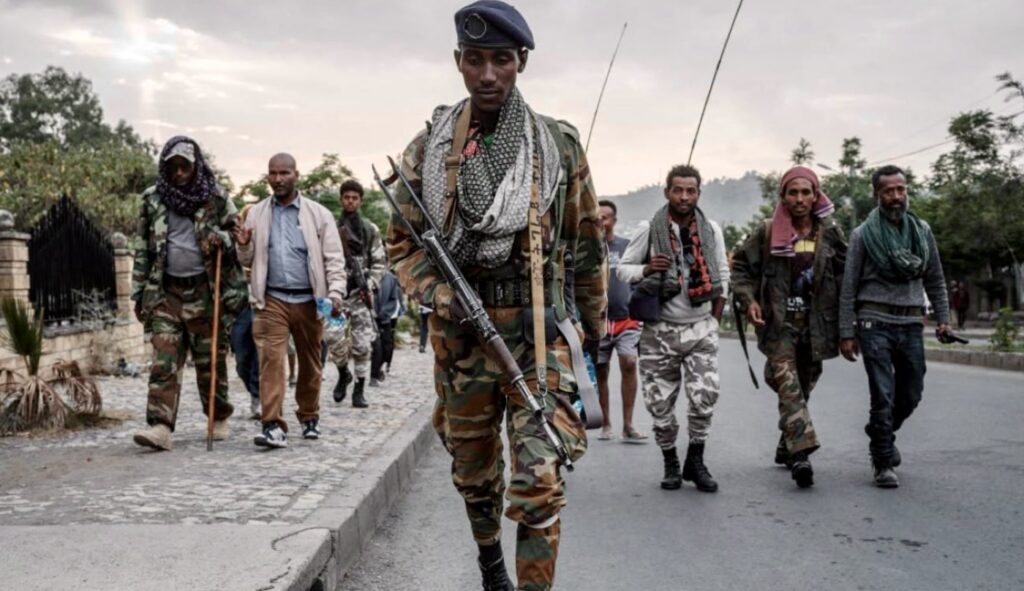
Heavy fighting reignited last Saturday between the Ethiopian army and the Tigray People’s Liberation Front (TPLF), with intense conflict concentrated near the border triangle connecting Ethiopia, Sudan, and Eritrea. Clashes involving heavy artillery, armed drones, and warplanes have centered around the Shererina area and the town of Sheraro in western Tigray, driving hundreds of fleeing refugees across the border into Sudanese camps established during the initial 2020 conflict.
The spillover has directly impacted refugee safety inside Sudan. The Sudanese Ministry of Interior confirmed in an official statement that “the clashes that broke out in the border strip area between Sudan and Ethiopia led to projectiles falling inside a number of refugee camps, resulting in a number of deaths and injuries.”
The escalation follows widespread military recruitment inside refugee shelters, particularly the Um Rakuba camp in Sudan’s Gedaref state. “Officials of the Tigray People’s Liberation Front recently organized extensive mobilisation operations, with speeches through loudspeakers, calling on the refugees to join the fight. The camp is crowded with refugees from Tigray,” a local source in Um Rakuba told Ayin. According to the same source, some young men and women were forcibly drafted to join the frontline in Ethiopia.
The renewed warfare highlights the collapse of the 2022 Pretoria Agreement, as provisions regarding the complete disarmament of Tigrayan forces and the status of disputed western and southern areas controlled by Amhara militias remain unfulfilled. Both sides continue to trade blame for the breakdown. TPLF leaders accused federal forces of launching a “large-scale ground offensive” to besiege the region, while government sources countered that war erupted after TPLF’s “Army 70” unit crossed into Ethiopia from Sudan. “Army 70” is a specialised military unit affiliated with the Tigray Defence Forces (TDF) that has purportedly operated and undergone training along the Sudanese border.
Adding a layer of regional complexity, the TPLF released a statement on Monday directly implicating Sudanese paramilitary forces in the assault: “The Rapid Support Forces, led by General Mohamed Hamdan Dagalo, participated in the attack alongside the Ethiopian army on our military positions in the Shiraro area in the western part of the region.” Ayin is still trying to determine whether there is any veracity linked to the TPLF statement.
 2) Egyptian security forces target young Sudanese men to push families out, human rights groups say
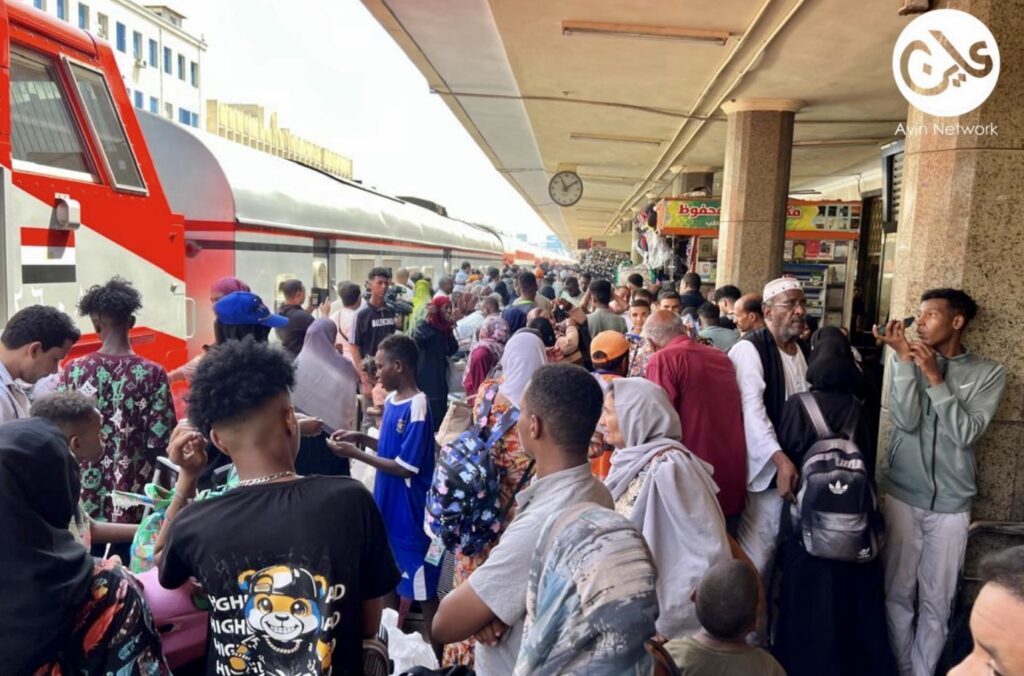
Human rights defenders and affected families report that Egyptian security forces are systematically detaining young Sudanese men in Cairo, Alexandria, and Aswan to compel their families to leave the country. Activists state that young men are being picked up in street sweeps, residential raids, and cafes, then held in police stations under harsh conditions until they face forced deportation.
A Sudanese lawyer based in Cairo explained that detainees are placed for extended periods alongside prisoners facing other charges. “Some young men spend nearly 40 days in police stations, and when they are forcibly deported to Sudan, their families follow them because they lose their sense of security due to the imprisonment of their sons,” the lawyer stated. “This is a pattern implemented by the Egyptian authorities to push Sudanese people to leave.” He noted that extensive raids in Giza and the Pyramids area throughout June and July drove numerous families who had originally fled the war in Sudan to abandon their refuge in Egypt.
The Refugee Platform in Egypt has documented similar security operations targeting Sudanese and South Sudanese gathering spots. The sister of one deportee described how her brother was taken to the Sudanese embassy in Cairo, issued an emergency travel document, and sent to Wadi Halfa. “He was forced again to board the train from Cairo to Aswan with his hands tied,” she shared, adding that despite her brother’s refusal to return even if granted a visa, the family is now planning to leave Egypt to rejoin him.
An estimated 500,000 to over 800,000 Sudanese have sought refuge in Egypt since the outbreak of war in Sudan, though official Sudanese estimates indicate around half a million individuals returned between 2024 and 2025 as pressures mounted.
 3) Sudan forms special courts for smuggling and orders troop withdrawal from gold mines
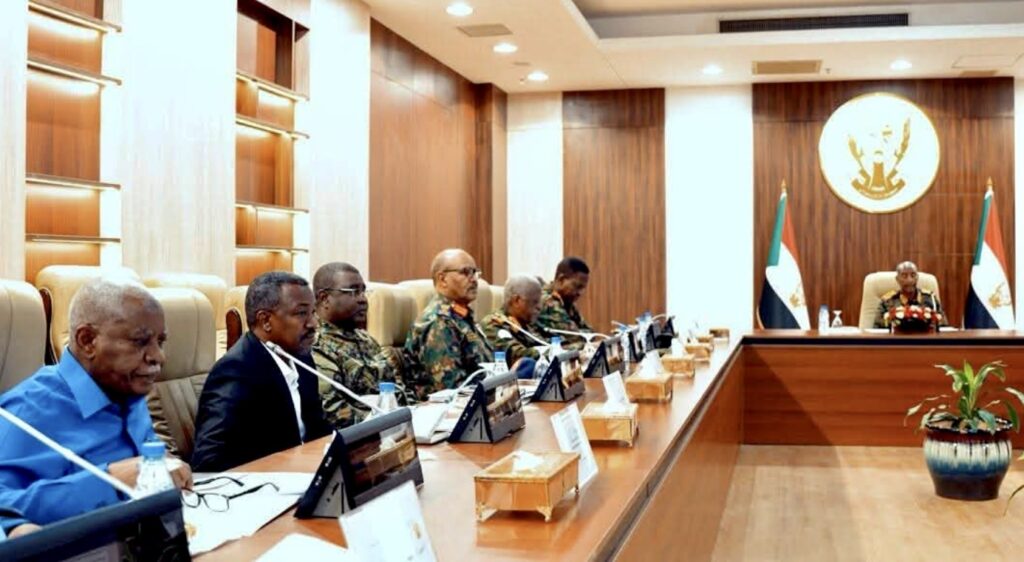
Sudan’s Joint Security and Defense Council, chaired by Lt-Gen Abdel Fattah al-Burhan, has announced the creation of specialized courts to prosecute smugglers of weapons, gold, and narcotics. Following a high-level meeting on Sunday, August 2, the council also mandated the immediate evacuation of all regular military forces and allied armed groups from domestic mining zones.
Minister of Minerals Nour El-Daim Taha publicly welcomed the evacuation order on Monday, August 3, emphasizing that removing armed groups from mining grounds will substantially curb illegal gold trafficking. The directive comes after prolonged complaints from local miners regarding systemic human rights violations, lawlessness, and the covert shipment of extracted gold to unauthorized locations.
Gold mining plays a pivotal role in funding the ongoing conflict in Sudan. While the country produced 70 tonnes in 2025, researchers say the actual amount is far higher, with huge yields illegally smuggled through illicit networks protected by various armed factions. Local miners report widespread armed presence across mines in the east, north, center, and south, while the Rapid Support Forces (RSF) maintain control over the majority of sites in Darfur and parts of Kordofan.
Financial experts have raised questions regarding the execution of the new military directive. “Gold brings in more than $1.5 billion a year for the Sudanese war. This is done by buying weapons with the money from sales or making military alliances that make it easier for armed groups to get to gold mines controlled by both the Sudanese army and the Rapid Support Forces,” said Economist Omar Abshar. He added that for the council’s decision to be effective, it must explicitly outline how to handle army-aligned mining groups and extend to withdrawing commercial entities linked to armed factions across the nation.
 4) Power outage paralyzes four Sudanese states for fifth consecutive day
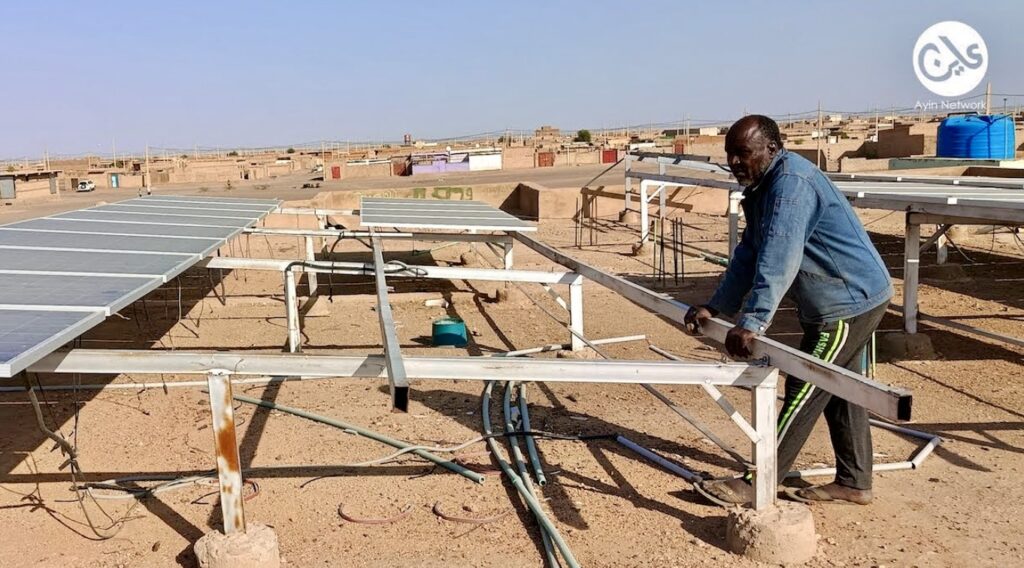
A catastrophic blackout has left major portions of Khartoum, Red Sea, River Nile, and Northern states without electricity for five straight days following a severe fire that damaged main supply feeders at the Merowe Dam. The outage has disrupted daily life, crippled essential services, and sparked public outrage across northern and central Sudan.
In a statement issued Monday, August 3, the Sudanese Ministry of Energy announced that replacement parts for the damaged feeders had arrived at the facility and issued an apology to citizens for what it termed a “critical“ period. Energy officials confirmed an active investigation is underway to determine the cause of the blaze, adding that emergency technical measures were enacted to connect major government hospitals in Omdurman, municipal water stations, and select Khartoum neighborhoods like Kalakla and Haj Youssef to alternative power grids.
Despite emergency workarounds, urban centers remain severely impacted. Discontent is growing among residents facing sweltering heat, mosquito surges, and a collapse in communications. “The Sudanese capital is plunged into darkness, and citizens are facing harsh conditions amid the spread of mosquitoes, high temperatures, power outages, and difficulty charging phones,” said Khartoum resident Amani Abdullah, noting that residents are lining up at shopfronts utilizing generators or solar panels simply to charge mobile phones.
The prolonged crisis has triggered civil unrest. On Saturday, hundreds of protesters blocked the strategic highway connecting the Red Sea coast to Khartoum near Sinkat, Suakin, and Jibit to protest persistent 12-hour daily rolling blackouts, warning of further blockades if government authorities fail to restore power reliability.
 5) Kordofan: Economic blockade induces severe food insecurity
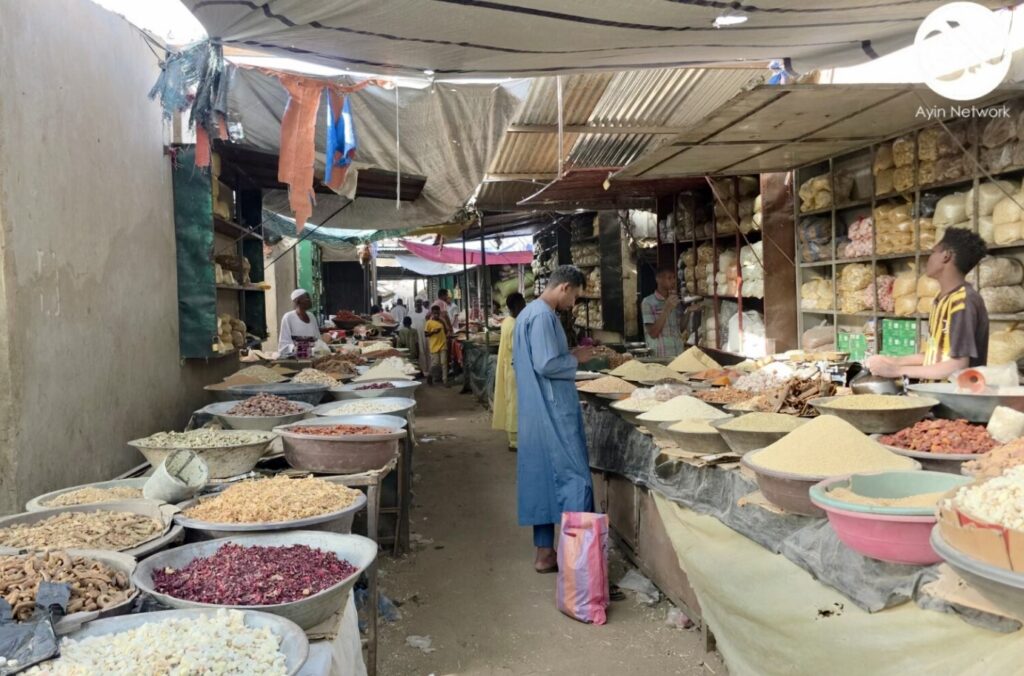
Residents across North and West Kordofan are facing potential starvation as an economic blockade on territories controlled by the Rapid Support Forces (RSF) intersects with intense military mobilization along key transport corridors connecting Darfur and Kordofan. Towns such as Al-Mazroub, Al-Nahoud, Fouja, and Ghabish are experiencing acute shortages of basic staples, particularly millet—the primary dietary staple in the region.
The scarcity stems largely from emergency decrees enacted by authorities in Northern and Khartoum states, which strictly prohibit the transport of commercial goods and food supplies into RSF-controlled zones. Violators face heavy penalties, including imprisonment and the confiscation of trucks and cargo. Consequently, commercial traffic from army-held areas has plummeted, pushing local commodity prices to unprecedented levels, with a single sack of millet now reaching 500,000 Sudanese pounds (roughly $100) in Al-Nuhud.
Compounding the commercial stoppage, alternate trade routes from Darfur and Chad have been severely disrupted. In West Kordofan, torrential rains have rendered roads from the Adré border crossing largely impassable for heavy cargo trucks. Meanwhile, heavy RSF military convoys are occupying key thoroughfares as the paramilitary group moves reinforcements east following recent territorial losses to the Sudanese army east of Bara, including Umm Sayala and Jabra al-Sheikh.
With hundreds of thousands of local residents reliant on food imports from northern Sudan, eastern states, and neighboring Chad, human rights groups warn that tight transit restrictions and expanding battlefield operations are pushing Kordofan toward a catastrophic humanitarian breakdown.
 6) Drone strike on local customary court kills dozens in North Darfur
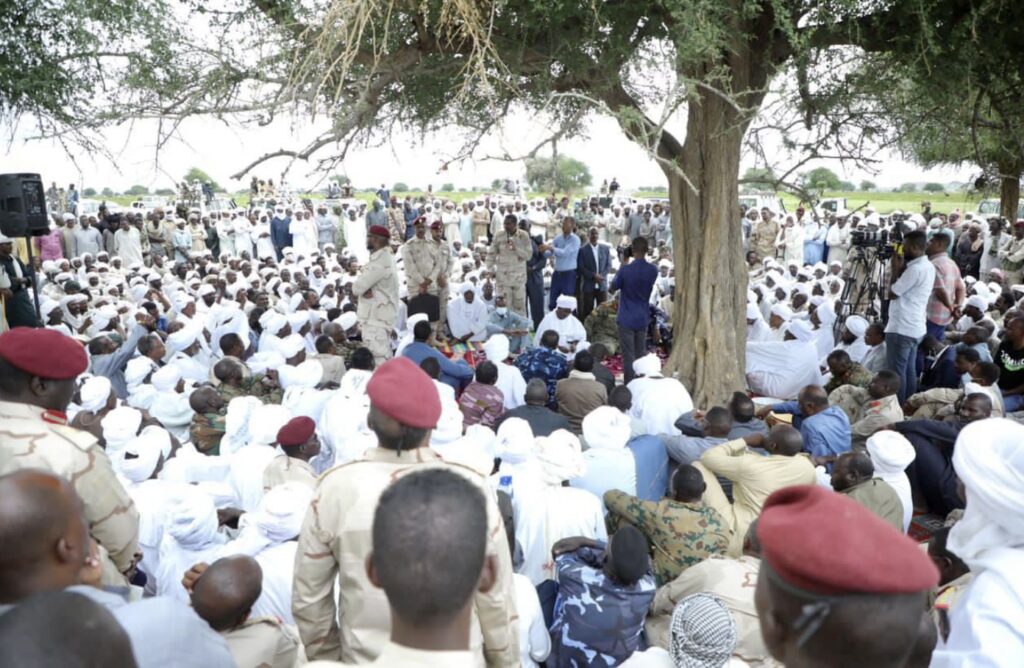
A devastating drone attack on Monday targeted a civil court session in the Zawiya Ghra area of Al-Sereif locality, North Darfur, killing between 35 and 40 people. The strike occurred during the final hearing of a local land and civil dispute, striking community leaders, court officials, and attending citizens.
Local sources confirmed that the dead included four prominent tribal leaders, two religious figures, and two officers from the Rapid Support Forces (RSF). Following the collapse of the formal judicial system across Darfur since the outbreak of war in April 2023, local tribal administrations formed customary courts to resolve civil conflicts. Community leaders and the Emergency Lawyers Group attributed the strike to the Sudanese army, emphasizing that the victims were carrying out traditional mediation functions without political affiliation.
In a public statement, the Emergency Lawyers Group condemned the strike as a “serious violation of the rules of international humanitarian law,” demanding an immediate, independent investigation and urging belligerents to spare civilian infrastructure and traditional dispute-resolution bodies.
The attack marks a continuing escalation in aerial bombardment across North Darfur. According to the UN Office of the High Commissioner for Human Rights (OHCHR), the use of uncrewed aerial vehicles has driven an unprecedented surge in non-combatant casualties. UN figures document over 1,000 civilian deaths in Sudan between January and May 2026, with drone strikes responsible for approximately 80 percent of those fatalities.
 7) Sudan Shield Forces arrest journalist Al-Rayah Issam in Al-Jazeera
The Sudanese Journalists Syndicate announced that journalist Al-Rayah Issam Jaksa was forcibly detained on Sunday by armed personnel affiliated with the Sudan Shield Forces at the entrance to Wad Medani, the capital of Al-Jazeera State. The syndicate stated that Al-Rayah was intercepted while returning from covering an academic event at Al-Jazeera University’s College of Education in Al-Hasahisa and taken to an undisclosed location.
In an official statement issued Monday, the syndicate strongly condemned the detention as an arbitrary act designed to intimidate members of the press. The organisation described the incident as a “flagrant violation of human rights and basic freedoms“ and held the Sudan Shield Forces fully accountable for Al-Rayah’s physical and psychological well-being, demanding his immediate release and protection.
The leadership of the Sudan Shield Forces issued a counter-statement on its official Facebook page Tuesday, denying that a journalist was targeted. The force claimed its personnel in Al-Jazeera State “arrested one of the wanted individuals in cases related to national security“ in accordance with legal procedures before transferring him to a specialised security cell.
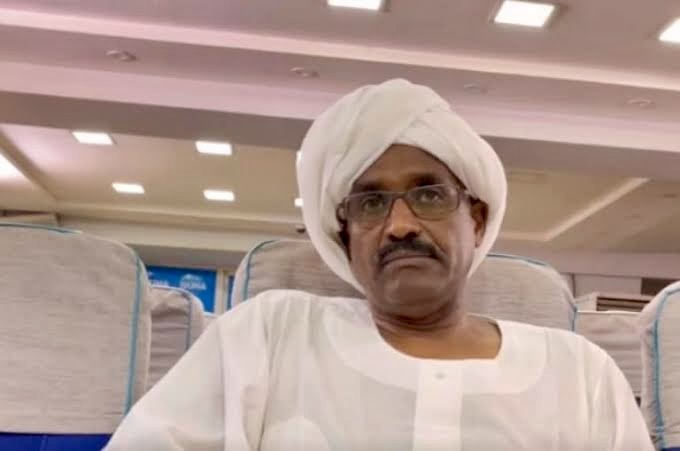 8) Appeals court orders release of head of Nubian Gathering Ahmed Shifa
The Dongola Court of Appeal in northern Sudan has ordered the release of prominent head of the Nubian Gathering and pharmacist, Ahmed Abdullah Khader (known as “Ahmed Shifa”), amending his previous one-year prison sentence to time served. Khader spent 34 days in detention following his conviction by a lower criminal court in late June. The Nubian Gathering is an anti-war advocacy organisation that represents the Nubian community in Sudan.
Defense attorney Imad Mirghani confirmed to Ayin that while the appellate court satisfied the custodial sentence with the 34 days served, it upheld the steep two-million Sudanese pound fine. The National Campaign to Defend Ahmed Abdullah Khader welcomed his release as an “important development” resulting from widespread civil, human rights, and media mobilization, but stressed that legal efforts will continue until the conviction is completely overturned.
The legal battle stems from a complaint filed in July 2025 by a member of the army-aligned Al-Baraa Bin Malik Brigade, who accused Khader of publishing online remarks critical of a deceased brigade fighter and inciting against the armed forces. Khader’s trial began in January 2026 amid significant tension and a heavy presence of armed men inside the Dongola courtroom, raising concerns among international observers and legal advocacy groups regarding fair trial guarantees in wartime Sudan.