28 July 2026
To keep our readers informed of the multitude of events taking place in Sudan amidst the ongoing, devastating war, we have developed a series of weekly news briefs covering major topics of the week.
In this week’s edition:
- Sudanese army reclaims five strategic areas in Kordofan as Hemedti vows escalation
- Security sources warn of rising armed gang activity across Khartoum
- Warrants issued for 47 Sudanese journalists prompt press freedom outcry
- Extreme heatwave paralyzes daily life in Port Sudan
- Gang terror in Rabak leaves young man dead during robbery
- Thermal power barge imported to address Red Sea state electricity shortage
 1) Sudanese army reclaims five strategic areas in Kordofan as Hemedti vows escalation
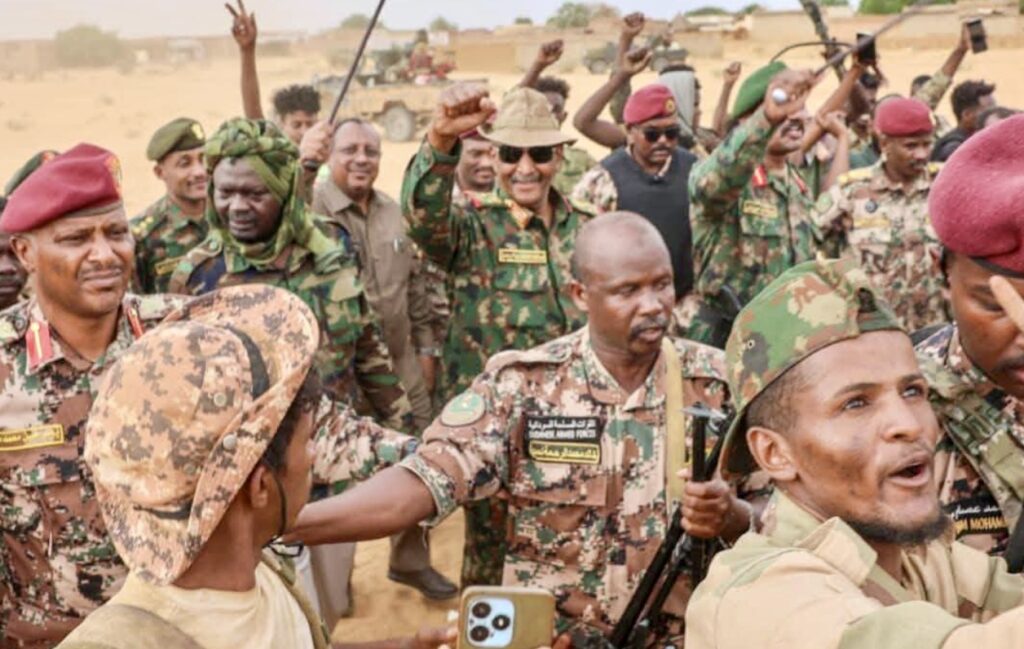
The Sudanese army has recaptured five strategic areas in North Kordofan State following fierce military battles over the weekend, securing a vital export route linking Omdurman and El Obeid that had been largely controlled by the Rapid Support Forces (RSF) since the war began over three years ago.
Army forces established control over Um Sayala, Bara, Jabra Al-Sheikh, Um Qirfa, and Jarejkh. Video footage released by fighters showed troops seizing a large stockpile of weapons abandoned by retreating RSF forces in Jabra Al-Sheikh. Army Commander Abdel Fattah al-Burhan visited the newly secured sites on Monday alongside regional leaders to inspect troops and assess operational progress. Official army statements characterised the offensive as part of a campaign of “successive victories” across the country.
In his initial reaction to the setbacks, RSF Commander Lieutenant General Mohamed Hamdan Dagalo (“Hemedti”) announced a fundamental shift in military strategy on Monday evening, framing the ongoing conflict as an existential struggle. Addressing his forces in a televised statement, Hemedti stated: “Look, young men, we are not against peace. We are for peace, stability, and the security of the citizens. But as long as we are given mere palliatives while others are given free rein, well, from tonight, the reins are no longer in my hands. The reins are in your hands over there. From today onwards, straight ahead, there is no turning back.”
Hemedti further confirmed that the RSF has dispatched significant military reinforcements to active battlefronts, asserting that the fight from now on is a matter of “to be or not to be.”
 2) Security sources warn of rising armed gang activity across Khartoum
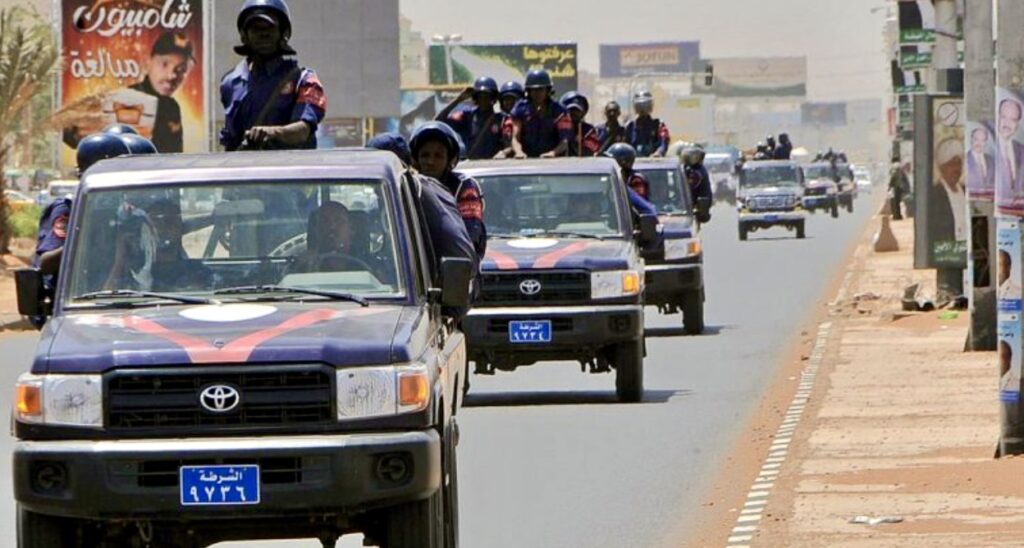
Security authorities and residents in Khartoum State have raised alarms over the growing prevalence of armed criminal networks exploiting current security vacuums, particularly in southern Omdurman and peripheral urban districts. Citizens in the Al-Salha area report frequent home invasions and robberies at gunpoint, resulting in two deaths and dozens of residential burglaries in recent weeks.
A security source disclosed that criminal groups—including individuals formerly mobilised within RSF ranks—had hidden automatic and heavy weaponry in deserted areas far from population centres. “Security forces are conducting daily operations that have resulted in the arrest of dozens of armed men, at a rate of no less than 20 suspects per day. All of them are active within criminal networks that use automatic and heavy weapons to carry out robberies.”
The source added that while several suspects claimed affiliation with joint forces, formal investigations disproved any official connection.
Local police in Jabal Awliya also announced the dismantling of an armed network that specialised in targeting drivers using the “Tirhal” taxi app, resolving 16 recorded robbery and theft cases. Major General Khalid Muhammad Nour Taj Al-Din confirmed the seizure of vehicles, mobile devices, eight Kalashnikov rifles, hand grenades, and bladed weapons in the Al-Safa neighbourhood.
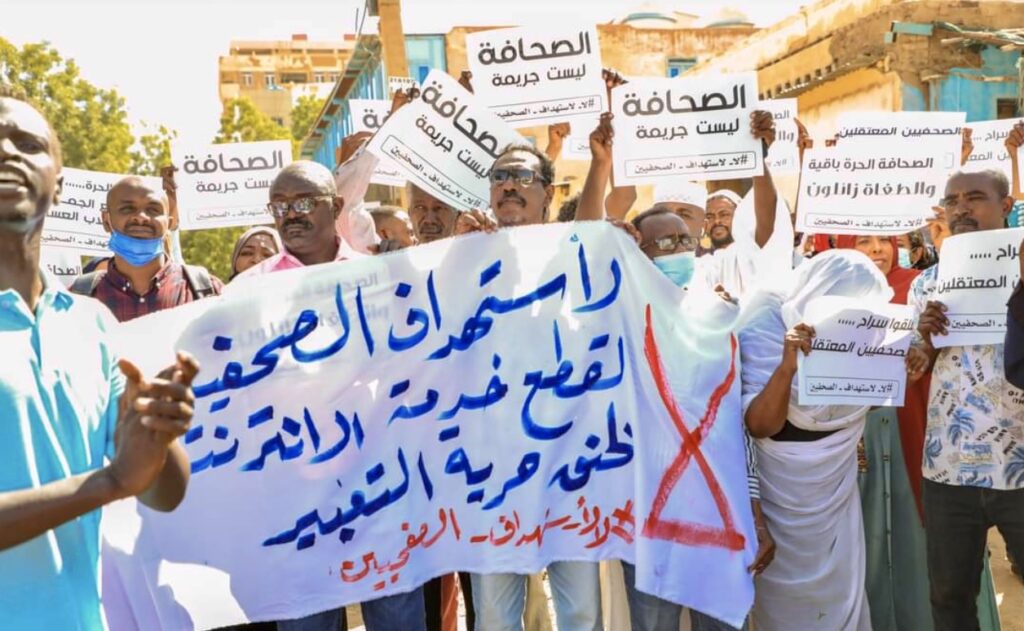 3) Warrants issued for 47 Sudanese journalists prompt press freedom outcry
Trade unions and human rights groups have strongly rejected arrest warrants issued by the Cybercrimes Prosecution in the Red Sea State against 47 Sudanese journalists, warning against attempts to label them as “fugitive defendants”.
The legal actions stem from an investigative report published over a year ago detailing alleged government financial corruption. Prosecutors invoked Articles 10, 23, 24, and 25 of the Cybercrime Law—covering privacy violations, defamation, and false news—giving journalists one week to turn themselves in.
The Sudanese Journalists Syndicate condemned the charges, noting that many named journalists reside abroad and remain accessible. The syndicate urged judicial authorities to respect constitutional guarantees, fair trial standards, and the unique nature of journalistic work. Emergency Lawyers similarly denounced the warrants, warning that using criminal procedure against corruption reporting sends an intimidating message that forces journalists into self-censorship.
Targeted journalist Mohamed Abdelkader publicly noted that he learned of his warrant through public announcements without ever receiving a formal court summons.
Journalist Muzdalifa Mohammed Othman rejected the prosecution’s characterisation, stating that journalists “are neither current nor future fugitives” and warning that legal frameworks must not be transformed into tools for defamation or pressure. Journalist Adam Mohammed criticised the broader trend of invoking cybercrime laws instead of standard press regulations, arguing that applying stringent criminal statutes severely restricts freedom of expression across the country.
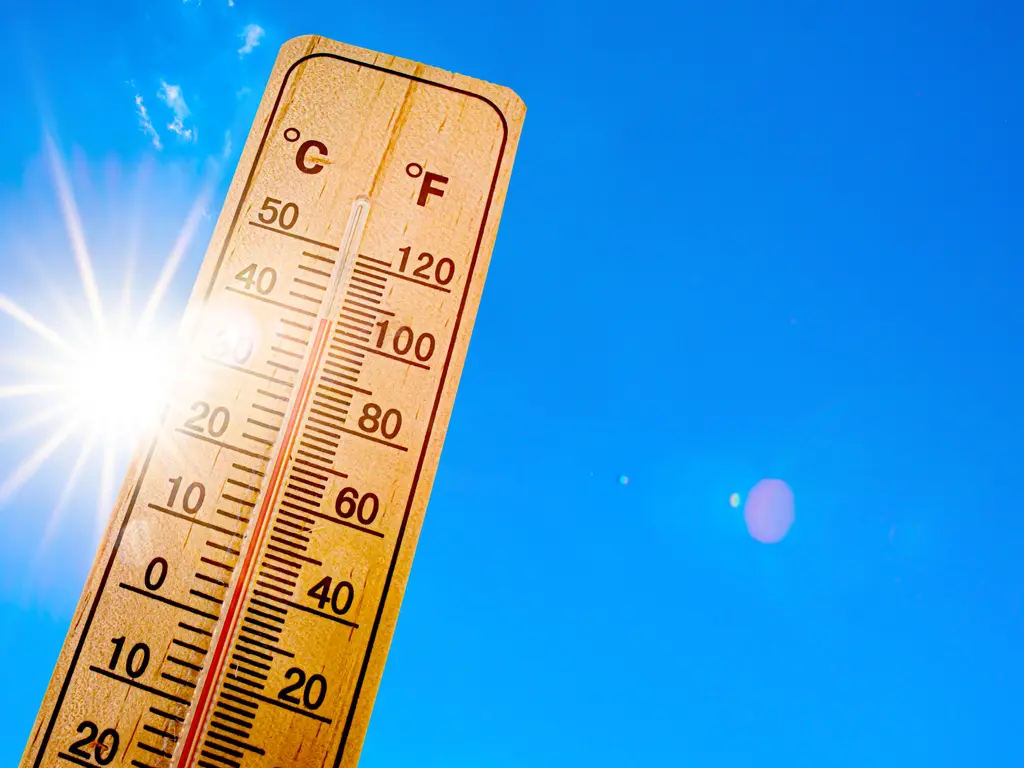 4) Extreme heatwave paralyzes daily life in Port Sudan
Soaring temperatures in Port Sudan have severely impacted nearly one million residents, sparking widespread health warnings over heatstroke risks for children and outdoor market laborers exposed to direct sunlight.
The General Administration of Health Emergencies and Epidemic Control in the Red Sea State issued public warnings regarding extreme heat, urging outdoor workers to take protective precautions and advising families to protect vulnerable populations. Red Sea University announced a complete suspension of academic classes from August 1 until mid-September, arranging discounted bus transportation to assist students returning to their home states.
“The heat wave is directly affecting about one million people living in Port Sudan and the surrounding villages on a daily basis, with a shortage of drinking water, irregular basic services, and a crazy rise in the prices of cooling services, whether electricity or home air conditioners,” says Dr Ahlam Hassan, a local physician.
Dr Hassan stressed the importance of public awareness campaigns instructing citizens to stay hydrated and remain indoors during peak heat hours. Recent weather forecasts recorded dangerous temperature spikes across the state, reaching 46.7°C in Aqiq, 45.7°C in Suakin, 45.2°C in Port Sudan, and 42.9°C in Halayeb.
Civil defense units were deployed to spray water along main thoroughfares to cool public spaces, while resident Malaz Abdel Rahman noted that high demand for private generators has left lower-income citizens enduring scorching conditions on largely empty streets.
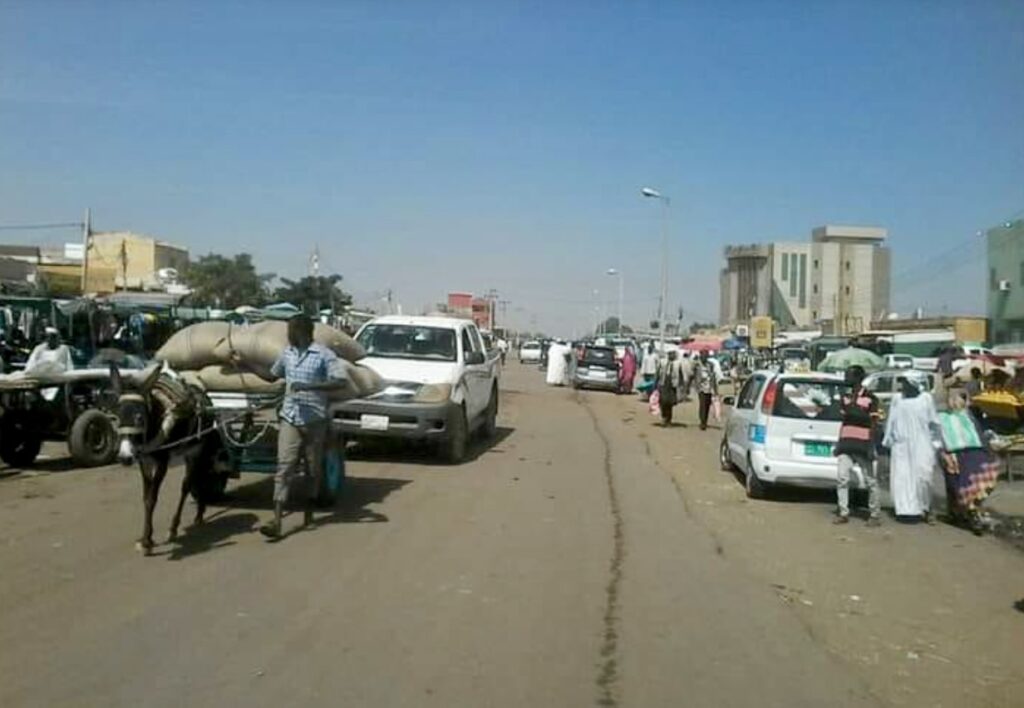 5) Gang terror in Rabak leaves young man dead during robbery
Escalating nighttime gang violence in Rabak, White Nile State, has left residents living in fear following the murder of 30-year-old Bahaa el-Din Mohamed during a home robbery attempt.
Gangs operating in the city regularly infiltrate residential properties at night. “The gangs have made it a habit to climb the walls of houses at night and terrorise the residents, and when they are met with resistance, they do not hesitate to attack with machetes, and some of them carry firearms,” one local resident told Ayin.
Bahaa el-Din Mohamed was killed mid-month while attempting to defend his family home from armed intruders before being buried in his hometown of Jabal Moya.
Civil activist Mohammed Abdullah explained that armed robberies have surged alongside the proliferation of local militias allied with the Sudanese army. “These groups justify their presence by claiming they are protecting the state from the Rapid Support Forces, which are deployed in some areas of North Kordofan,” Abdullah said. “At the same time, the police are less capable than these groups, given their influence and power.”
Abdullah reported that routine nighttime gunfire goes uninvestigated, while street snatchings targeting mobile phones and handbags have forced residents off public streets after dark. Local police officials have not provided public comment regarding the security situation.
 6) Thermal power barge imported to address Red Sea state electricity shortage
The Sudanese Ministry of Energy announced that the private company “Nawawi” has imported a thermal power barge to the Red Sea coast to generate 150 megawatts (MW) and cover current electricity deficits.
Under the agreement, 100 MW produced by the floating barge will be integrated directly into the public grid, supplemented by 50 MW generated from an accompanying land station in Port Sudan. Official statements confirmed that Nawawi offered a competitive price of 4.5 cents per kilowatt-hour, though officials provided no update regarding the previous Turkish power barge contract.
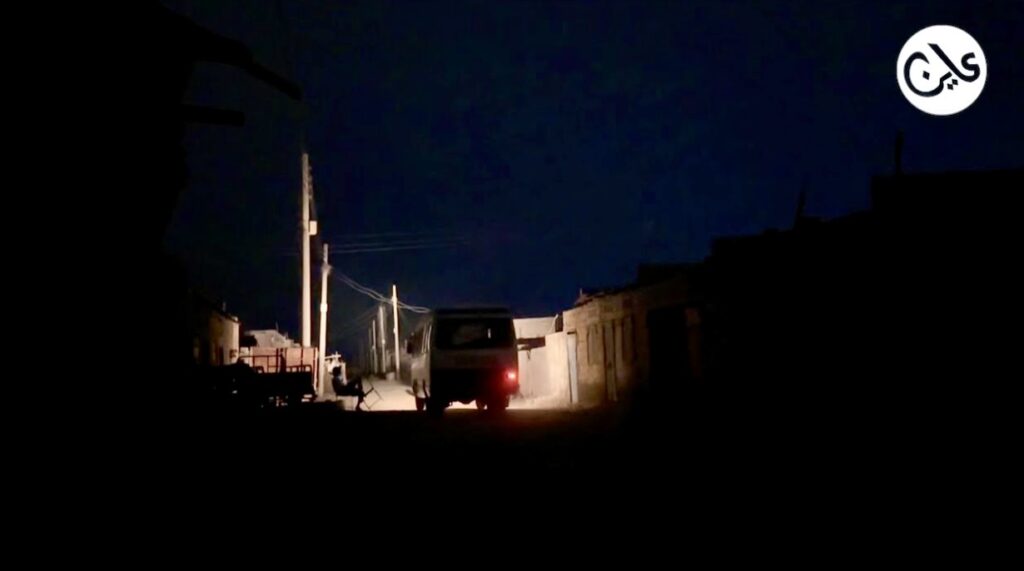
Port Sudan currently experiences extensive daily blackouts lasting several hours during peak heat, compounded by severe airstrike damage inflicted on the main substation last year.
“The importation of a barge by a company affiliated with the Sudanese private sector is considered a shift that may affect the generality of electricity service in Sudan and its gradual transition to privatisation,” said economic analyst Mohamed Ibrahim.
Ibrahim explained that the Ministry of Energy aims to purchase the finished output rather than managing maintenance and fuel logistics directly. However, Ibrahim warned that shifting power generation to private firms could dramatically increase consumer utility costs if prices become linked to parallel market exchange rates.