

21 July 2026
To keep our readers informed of the multitude of events taking place in Sudan amidst the ongoing, devastating war, we have developed a series of weekly news briefs covering major topics of the week.
In this week’s edition:
- New military escalation in North Kordofan
- Civilians killed in ambushes targeting trade convoys in North Darfur
- Violations against Sudanese journalists include sexual violence
- Receding Nile waters cause farmland damage in northern Sudan
- Committee proposes hospital to tackle youth drug addiction
- Civilian kidnappings for ransom surge in West Kordofan
- Sudanese civilian forces meet to develop new peace roadmap
- Sudatel reports record profits
 1) New military escalation in North Kordofan
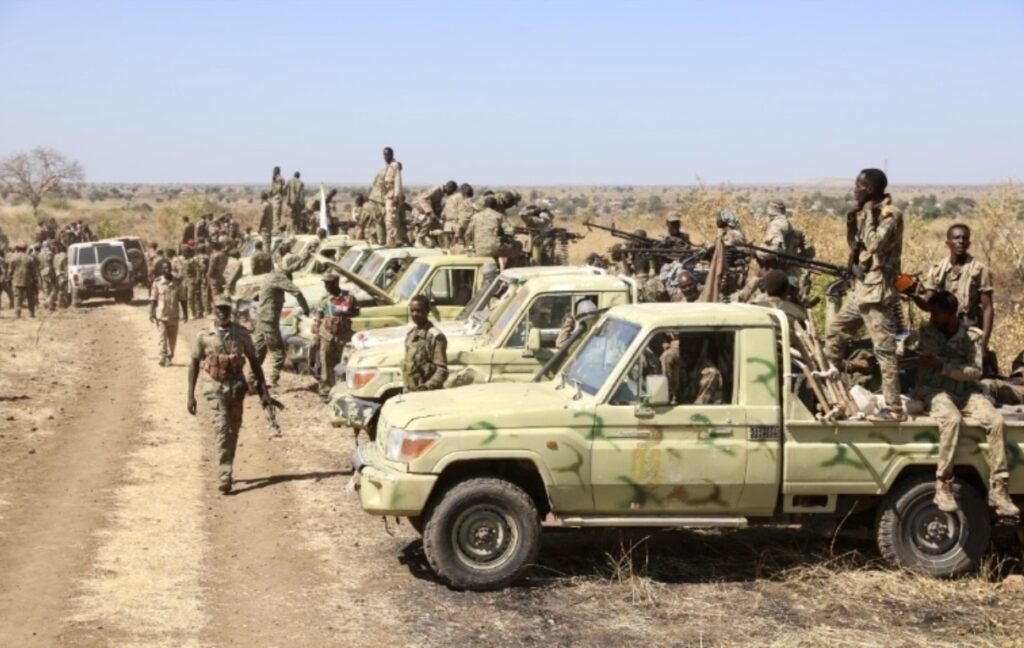
Military operations around El-Obeid, the capital of North Kordofan State, have intensified as the Rapid Support Forces (RSF) launched new movements along southern and southeastern axes. Concurrently, the Sudanese Armed Forces (SAF) carried out heavy air strikes against RSF positions along the export route.
The RSF announced taking control of the Al-Musallamiya area, located southeast of El-Obeid, while fighters released video footage showing military reinforcements arriving at Jabal Al-Hashaba on the road to Kazqil. Field sources confirmed that SAF intensified its air raids over two days using drones and Antonov aircraft, targeting RSF positions east of Bara and along the road linking Kordofan and Darfur.
Inside El-Obeid, residents reported a calm relative to previous weeks following the cessation of direct drone attacks, though severe living conditions persist. “Markets are operating normally, but the high prices of goods and the ongoing drinking water crisis remain the most significant daily challenges,” one local resident told Ayin. “The heavy rains that fell on Sunday provided temporary relief, as many families were able to fill their water tanks.”
In a separate development, the RSF-controlled Tasis government accused the Sudanese army of using chemical weapons during an attack on the Umm Qurfa area of North Kordofan on Saturday. The alliance urged the Organisation for the Prohibition of Chemical Weapons (OPCW) to send an independent technical team to investigate the incident and identify those responsible.
Khaled Danaa, spokesman for Tasis, stated that the accusation is grounded in “field evidence and previous facts” demonstrating the military’s deployment of internationally prohibited chemical weapons.
 2) Civilians killed in ambushes targeting trade convoys in North Darfur
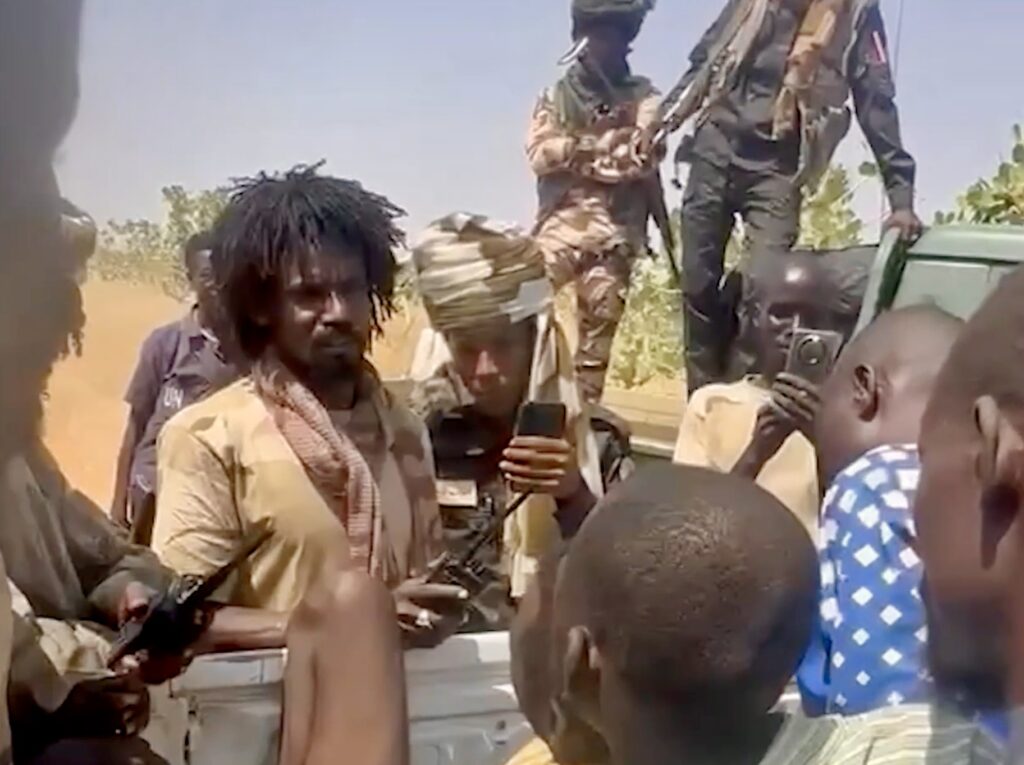
At least ten civilians and several Rapid Support Forces (RSF) personnel were killed during a series of ambushes targeting commercial convoys on desert trade routes near the border triangle linking Sudan, Egypt, and Libya. Local sources from the Maha area reported that the joint forces allied with the Sudanese Armed Forces (SAF) carried out the attacks near the “Al-Joker” area, seizing several vehicles and completely destroying a civilian Toyota Tundra bound for the border region.
Other North Darfur sources indicated that a major joint force contingent—comprising nearly 200 combat vehicles supported by air cover—arrived in the border town of Al-Tina after advancing from Northern State. Meanwhile, the RSF continue to build up forces along western and northern axes in West Darfur near Kulbus and Jebel Moon, sparking fears of impending clashes. Drone strikes were also reported against RSF targets in the Kulbus locality.
The Sudanese military reported that Major General Omar Mansour, commander of the Sixth Infantry Division, inspected troops stationed across operational axes following their withdrawal from El Fasher.
This escalation follows recent claims by the RSF that it recaptured key areas in North and West Darfur, including Abu Qumra, Kornoy, and Ambro, where control continues to shift between opposing forces. Local emergency room volunteers warn that the humanitarian crisis is spiralling as displaced residents seek shelter in surrounding mountains and valleys.
 3) Violations against Sudanese journalists include sexual violence
A joint report submitted to the UN Human Rights Council by the Sudanese Journalists Syndicate and the Committee to Protect Journalists (CPJ) has documented widespread abuses against media workers, including murder, arbitrary arrests, enforced disappearances, torture, and sexual violence targeting female journalists.
The report evaluated Sudan’s compliance with the Universal Periodic Review (UPR) recommendations and concluded that the government has failed to honour the vast majority of its commitments to safeguarding freedom of expression. Authors highlighted a drastic decline in press freedoms since conflict erupted between the Sudanese Armed Forces and the RSF in April 2023.
Journalists in Sudan operate under severe violence, displacement, siege conditions, and frequent blackout measures that obstruct independent reporting. These persistent threats have driven numerous reporters out of the country or forced them to abandon the profession entirely, accelerating the collapse of Sudan’s independent media sector.
The submission noted that the October 2021 coup and the subsequent war have rendered the legal guarantees enshrined in the 2019 Constitutional Declaration ineffective. Authorities routinely use domestic legislation—including the 2018 Cybercrime Law, the 2010 National Security Law, and wartime emergency measures—to criminalise coverage and silence dissent under the pretext of combating “fake news”.
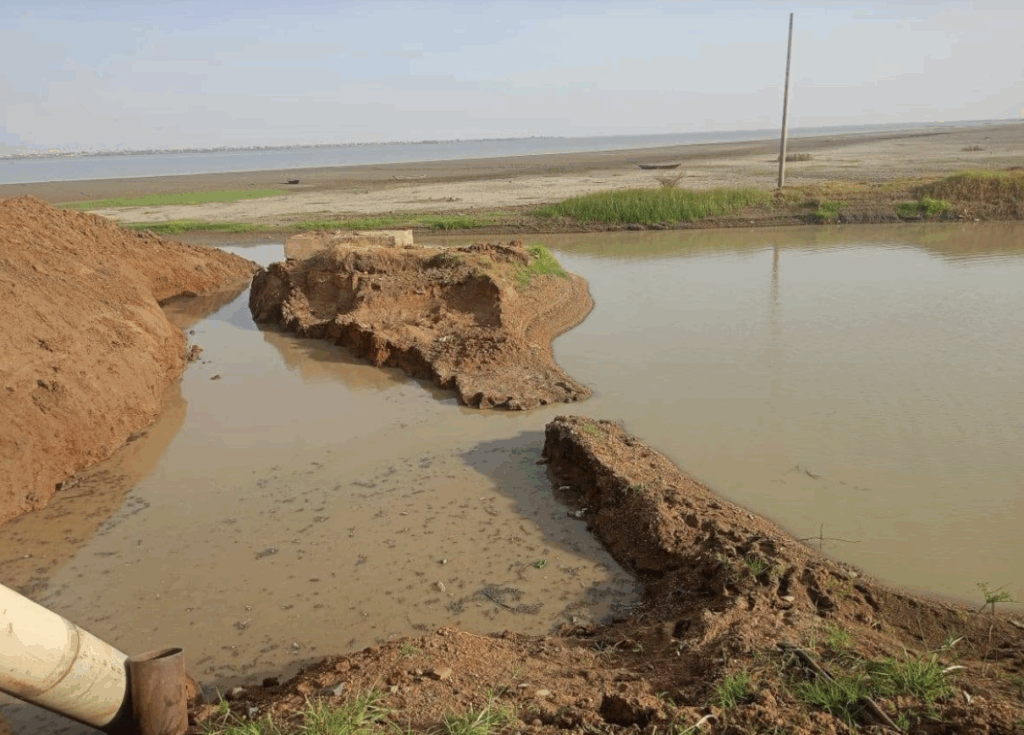 4) Receding Nile waters cause farmland damage in northern Sudan
Farmers in northern Sudan report that the Nile River has receded by over two kilometres in the Al-Salim and Maqasir regions, devastating vegetable crops intended for local markets and severely damaging water intake pumps that supply parts of Khartoum.
Sudan’s General Directorate of Reservoirs acknowledged a temporary drop in daily inflow to the Roseires Dam reservoir from 7 to 9 July, with inflow falling from 207 million to 129 million cubic metres per day. This sharp drop translated into significant discharge reductions downstream at both the Roseires Dam (down 100 million cubic metres daily) and the Sennar Dam (down 82 million cubic metres daily).
Official sources confirmed that the drop stems directly from reduced discharge at the Grand Ethiopian Renaissance Dam (GERD). While hydrological shifts occur naturally, authorities noted that the GERD’s construction has permanently changed river dynamics, requiring specialised operational adjustments at local dams to stabilise national water supplies.
Anxiety among local farmers continues to rise as traditional irrigation setups prove ineffective against the dropping water levels. “The decline in the waters of the Nile has led to increased anxiety among farmers, especially in the ‘Al-Jaref’ area,” a farmer from the Dongola locality told Ayin. “The traditional irrigation system is no longer able to deliver water to agricultural areas.”
 5) Committee proposes hospital to tackle youth drug addiction
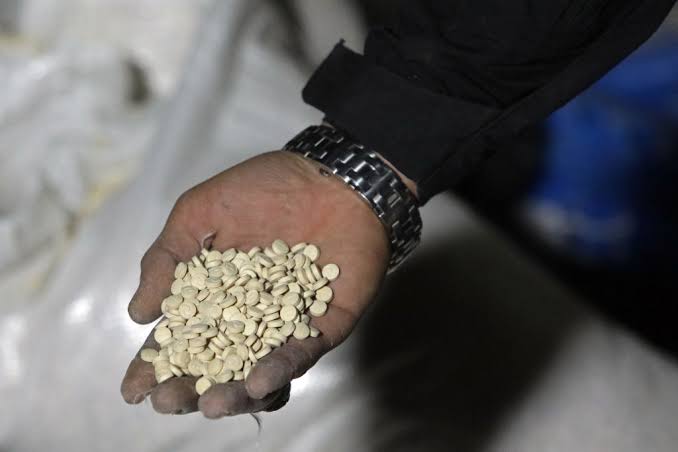
A government committee in Sudan has formally recommended establishing a specialised hospital for addiction treatment, warning of a sharp rise in substance abuse among young adults aged 20 to 30. The proposal includes immediate rehabilitation plans for two key clinics at the Abdel Al-Idrisi Center and Al-Tijani Al-Mahi Hospital.
“The suppression of awareness through addiction is part of the war waged against Sudan,” said Sudan’s undersecretary of health, Ali Babiker, pointing to expanded drug trafficking networks operating amid ongoing armed conflicts.
Speaking at the inaugural meeting of the Supreme Committee for Drug Prevention and Addiction Treatment, Health Minister Haitham Mohamed Ibrahim emphasised the national scale of the threat. “Combating drugs is a second battle targeting the country and its youth, and it must be considered a national security issue. The issue of addiction goes beyond the limits of the health sector, calling for support and assistance from all concerned governmental bodies, civil society organisations, and others to work together to combat and eliminate it.”
 6) Civilian kidnappings for ransom surge in West Kordofan
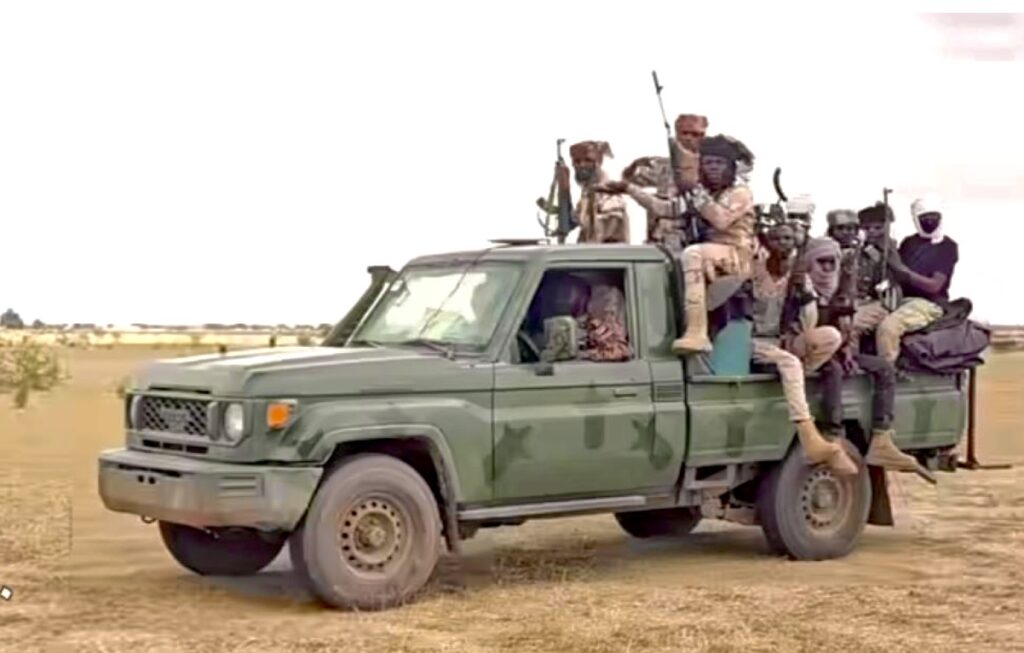
Rapid Support Forces (RSF) elements in West Kordofan State are increasingly targeting civilians for abduction and extortion, with local sources reporting over 120 detentions in the past two months alone.
Extortion groups operating within the RSF reportedly abduct residents from homes and public markets across Al-Nuhud, Al-Khuwai, and nearby villages. Families routinely receive demands for multi-million-pound ransoms, while RSF command structures appear unable or unwilling to curb the rogue operations.
In addition to individual kidnappings, RSF fighters have heavily targeted commercial transport. Local sources report that RSF fighters systematically impound civilian cargo trucks travelling between Kordofan and Darfur, demanding ransoms of up to 5 million Sudanese pounds (about $1,000) per vehicle. Emergency room officials reported that RSF fighters forcibly moved at least 80 crop-laden trucks from Al-Nuhud toward Darfur after they captured the city.
“The crimes of kidnapping civilians and placing them in secret detention centres under threat of arms have become issues that raise severe concerns among communities in Al-Nuhud, Al-Khuwai, Al-Fula, and Al-Mujlad,” says researcher Mustafa Abdel Wahab. “Some civilians have been forcibly disappeared for a year and a half. Those who are somewhat lucky are transferred to Nyala prisons, while those kidnapped and released for ransom often disappear for extended periods.”
 7) Sudanese civilian forces meet to develop new peace roadmap
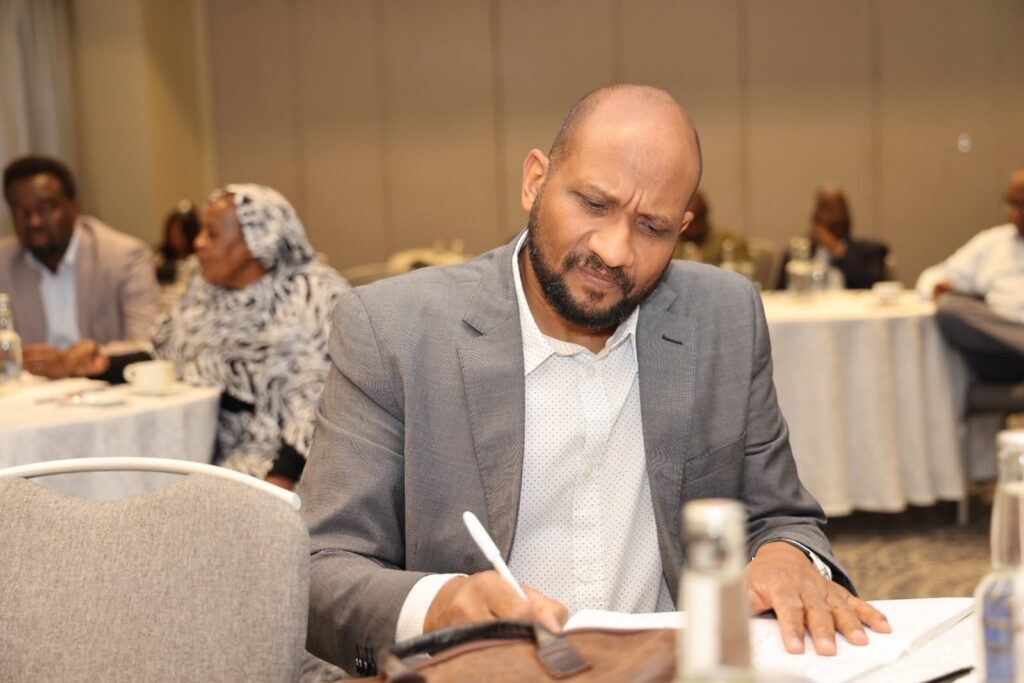
Delegates representing the Sudanese Declaration of Principles forces concluded a two-day conference in Nairobi on July 21 aimed at establishing a unified framework to halt ongoing hostilities and mitigate Sudan’s humanitarian crisis.
Building on a May foundational summit that yielded the “Declaration of Principles for Building a New Nation,” the meeting focused on establishing an integrated approach to protect civilians, coordinate international mediation efforts, and restart a civilian-led political transition.
Organisers reiterated that no military solution exists for the conflict and called for the defeat of political projects linked to the former regime’s Islamic movement, which they accused of instigating and prolonging the war.
A statement issued by the coalition reaffirmed its commitment to a democratic transformation. “Ending the war requires joint action among all democratic forces opposed to the conflict. We remain committed to positive engagement with regional and international partners through a new social contract that turns the page on wars and divisions, opening the way for a Sudan where peace, freedom, and justice prevail.”
 8) Sudatel reports record profits
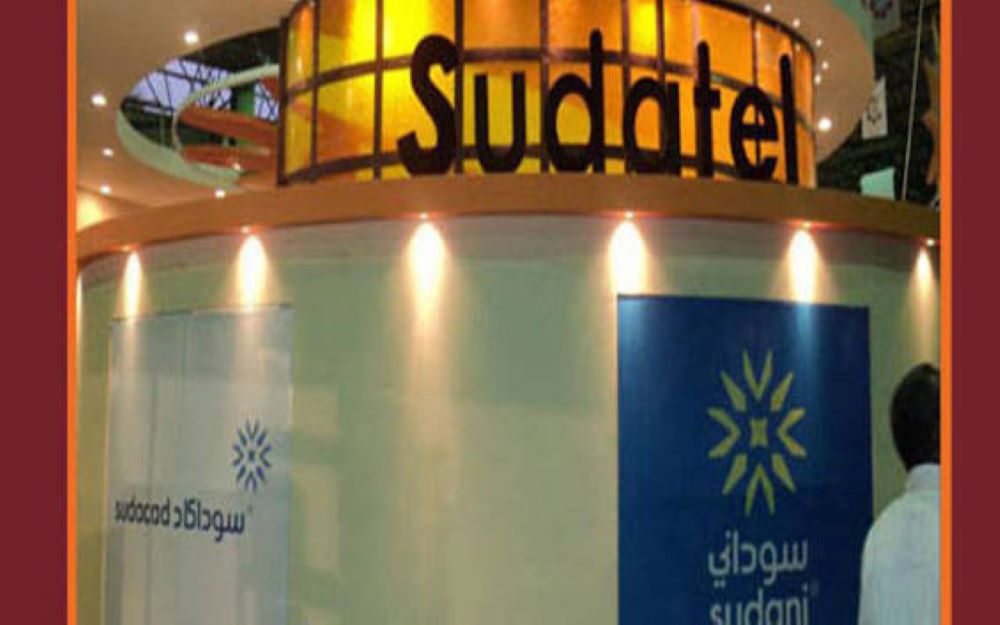
Sudatel Group has announced a net profit of $117.5 million for 2025, marking its highest financial return in recent history. The announcement coincided with the election of Sovereignty Council member Lieutenant General Ibrahim Jaber as Chairman of the Board of Directors for the 2026–2030 term.
Following the General Assembly vote, the board approved a 35% cash dividend payout to shareholders alongside substantial performance bonuses for outgoing board members, including Jaber, Finance Minister Jibril Ibrahim, and former Central Bank Governor Barai Al-Siddiq.
Addressing shareholders, Jaber credited the executive leadership and staff for internal and international milestones, highlighting Sudatel’s participation in the regional Africa Horizon project and describing the $117.5 million profit as “an unprecedented figure since the group’s establishment”.
However, economic analysts offered a critical view of the record profits amidst national hardship. “The majority of the profits achieved by Sudatel came from the expensive services it provides to citizens in Sudan, because the nature of the telecommunications market in the country is very generous towards companies operating at the expense of citizens,” economic analyst Omar Abshar noted, adding that total board bonuses in such operations often exceed $2 million.