

30 June 2026
To keep our readers informed of the multitude of events taking place in Sudan amidst the ongoing, devastating war, we have developed a series of weekly news briefs covering major topics of the week.
In this week’s edition:
- Ground battles erupt between military factions in western regions
- Urgent calls for a ceasefire to save besieged city from disaster
- Pharmacist sentenced to two years in prison following militia pressure
- Government imposes severe fuel price hikes amid national shortages
- The sovereignty council rejects international mediation for humanitarian truce
 1) Ground battles erupt between military factions in western regions
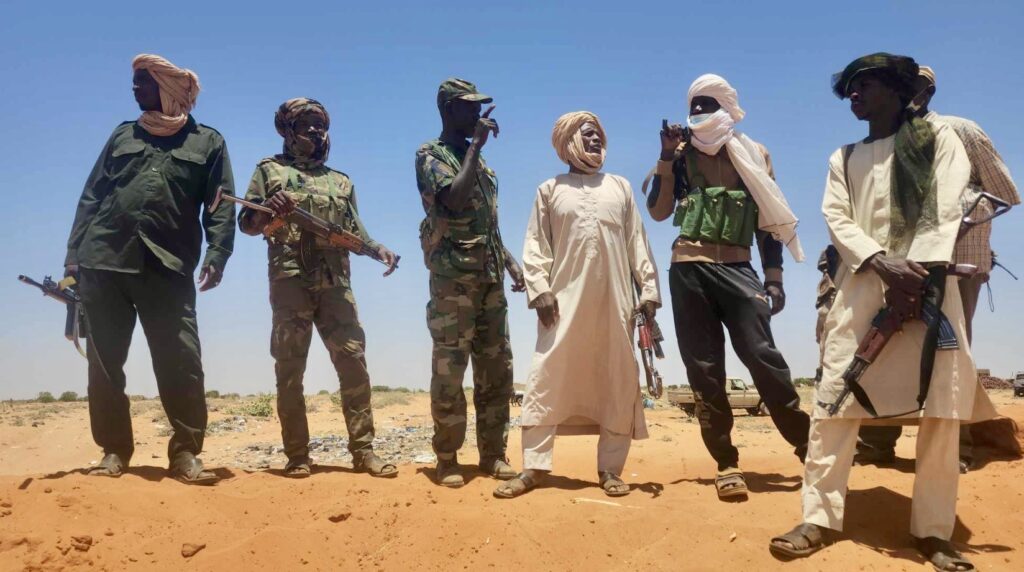
Military clashes intensified over the weekend between the Sudanese army-allied Joint Forces and the Rapid Support Forces (RSF) across North and West Darfur. The Joint Forces announced they have seized control of several key areas, including Abu Qumra, Kornoi, and Amro.
The fighting has notably spread into West Darfur, a historically stable region, where the Joint Forces briefly captured the strategic town of Kulbus near the Chadian border. Following coordinated operations with the Sudanese army and popular resistance, allied soldiers released footage from the town’s gates before quickly withdrawing.
“The joint forces that attacked the city of Kulbus withdrew quickly after filming and announcing their control,” said a field military source. “Which confirms that their objective is not control and advance.” The RSF has reportedly concentrated large, heavily armed units around the besieged city of El Obeid.
These regional developments follow recent statements by the Sudanese army chief of staff, Lieutenant General Yasser al-Atta, who promised to shift the primary theatre of military operations from Kordofan directly into the heart of Darfur. Addressing armoured corps forces, he asserted that the army had plans and equipment that would guarantee it victory in the war.
 2) Urgent calls for a ceasefire to save besieged city from disaster
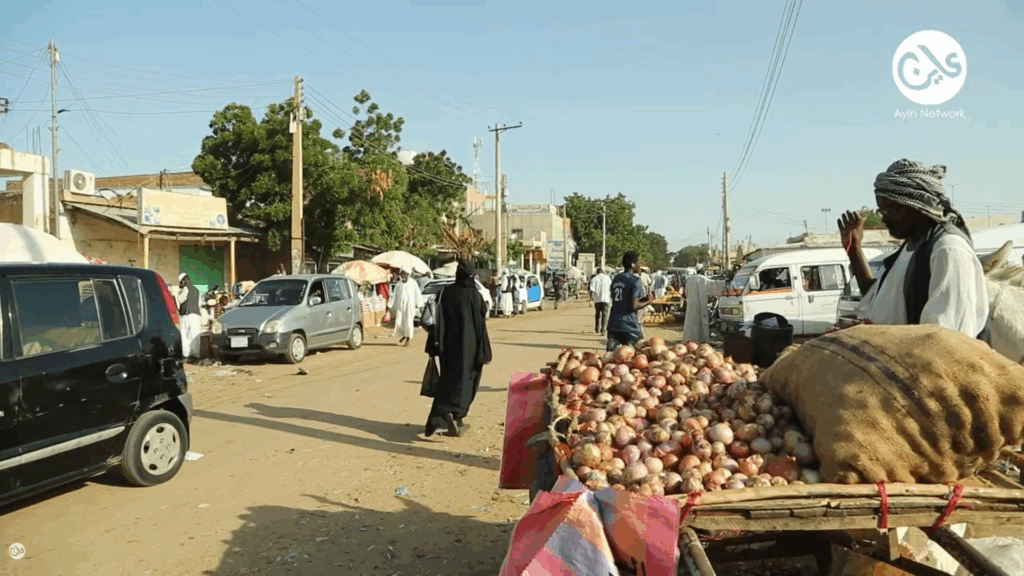
Over 40 Sudanese organisations, including human rights groups and the Sudanese Journalists Syndicate, are demanding a comprehensive humanitarian truce to avert a major catastrophe in El Obeid. The North Kordofan city is currently enduring a strict siege by the Rapid Support Forces alongside persistent drone strikes on civilian infrastructure.
The situation inside the city is rapidly deteriorating. A recent drone strike near a local school in the western neighbourhoods injured five female students with shrapnel. Residents face severe shortages of basic goods, fuel, and clean water, forcing many to rely on potentially contaminated rainwater and raising immediate fears of a widespread outbreak of diarrhoeal disease.
In a joint statement released on Monday, advocacy groups issued an urgent appeal, warning: “The current events in El Obeid represent a clear early warning that cannot be ignored.” They highlighted the severe risk of urban warfare in a densely populated city that currently shelters thousands of displaced individuals fleeing conflicts in neighbouring regions.
The statement further stressed: “It is still possible to spare the city and its inhabitants a large-scale humanitarian catastrophe if the parties to the conflict, with the support of the regional and international communities, initiate an immediate, comprehensive and unconditional humanitarian truce throughout the country.”
Concurrently, the Peace Government of the “Establishment” Alliance has formally appealed for the creation of safe corridors. These pathways are necessary to allow trapped civilians to evacuate to secure areas and to guarantee the uninterrupted delivery of critical humanitarian aid.
 3) Pharmacist sentenced to two years in prison following militia pressure
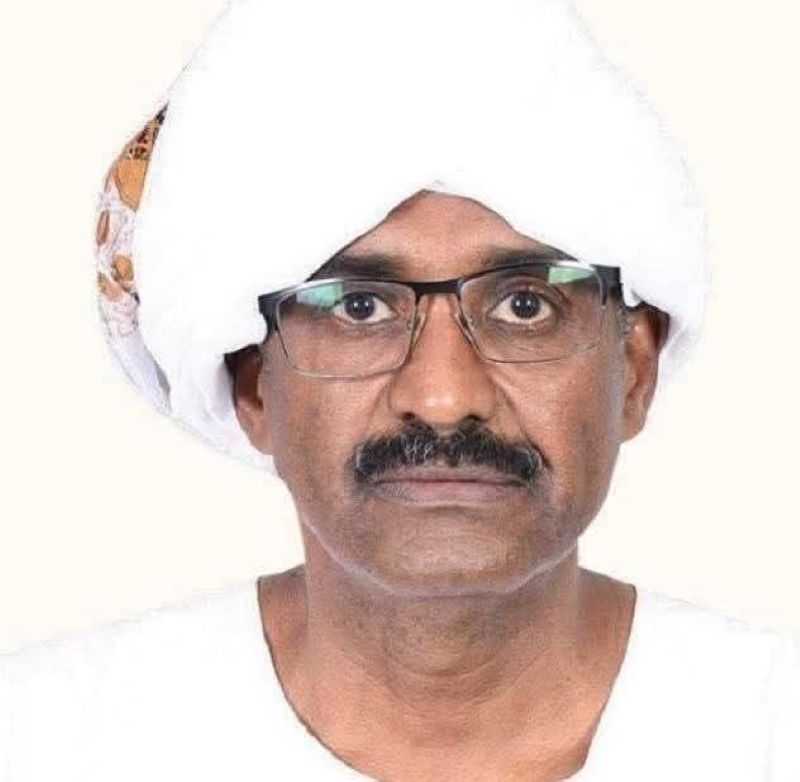
A criminal court in northern Sudan has sentenced pharmacist Ahmed Al-Shafa to two years in prison and fined him one million Sudanese pounds. He was convicted under charges of inciting discontent among regular security forces and disturbing public safety.
The charges stem from accusations that Al-Shafa insulted Hisham Abdel Latif Bayram, a deceased member of the Islamist-affiliated Al-Baraa Bin Malik Brigade. Despite the defence team’s persistent denials of any derogatory remarks, the case was controversially reopened after the brigade allegedly pressured Sudanese authorities.
According to local resistance committees, Al-Shafa was on the verge of acquittal in April 2026 before the Public Prosecution intervened to withdraw the case file. The battalion’s commander is accused of directly using his influence to reverse the judicial process and force the case back to trial.
During the final sentencing on June 30, members of the Al-Baraa Bin Malik Battalion mobilised outside the court headquarters. Local activists condemned this gathering as a blatant intimidation tactic designed to pervert the course of justice and influence the judge’s final verdict.
 4) Government imposes severe fuel price hikes amid national shortages
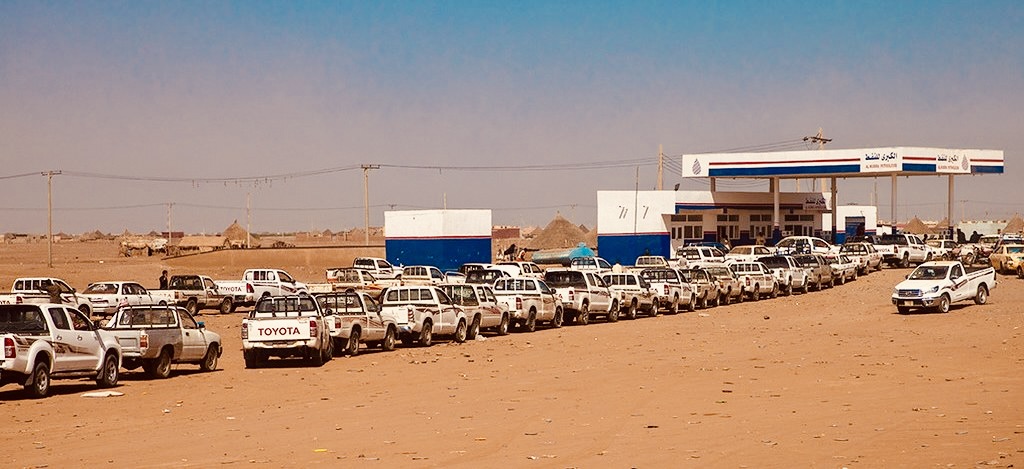
Sudan’s military-controlled government has announced substantial increases in fuel prices, driving the cost of gasoline to 36,000 Sudanese pounds per gallon and benzene to 33,250 pounds. This domestic surge comes paradoxically as global oil prices have dropped to approximately $72 per barrel.
The price hikes have exacerbated a crippling national fuel crisis. In eastern cities like Al-Gedarif, drivers report waiting up to six hours at the few operational stations, while black market prices have skyrocketed to 120,000 pounds per gallon. Similar massive queues line the main streets of the capital, Khartoum, where the cost of a cooking gas cylinder has surged from 75,000 pounds in March to 105,000 pounds.
“The government has failed even to exempt agricultural fuel from the fees imposed on petroleum derivatives,” says economic analyst Mohamed Ibrahim. He noted that government companies and private sector entities control the fuel import market, concluding deals with urgent payment contracts and high prices.
“The private sector and government companies affiliated with the Ministry of Energy taking over the fuel import file will not lead to a reduction in prices, even if the price of a barrel drops globally to $50, because the management of deals is always done between companies, not between countries,” he added.
He believes these highly influential companies intentionally use their leverage to disrupt affordable public sector deals between Sudan and oil-producing countries, which would otherwise be managed more transparently through the state-owned Sudanese Petroleum Corporation.
 5) The sovereignty council rejects international mediation for humanitarian truce
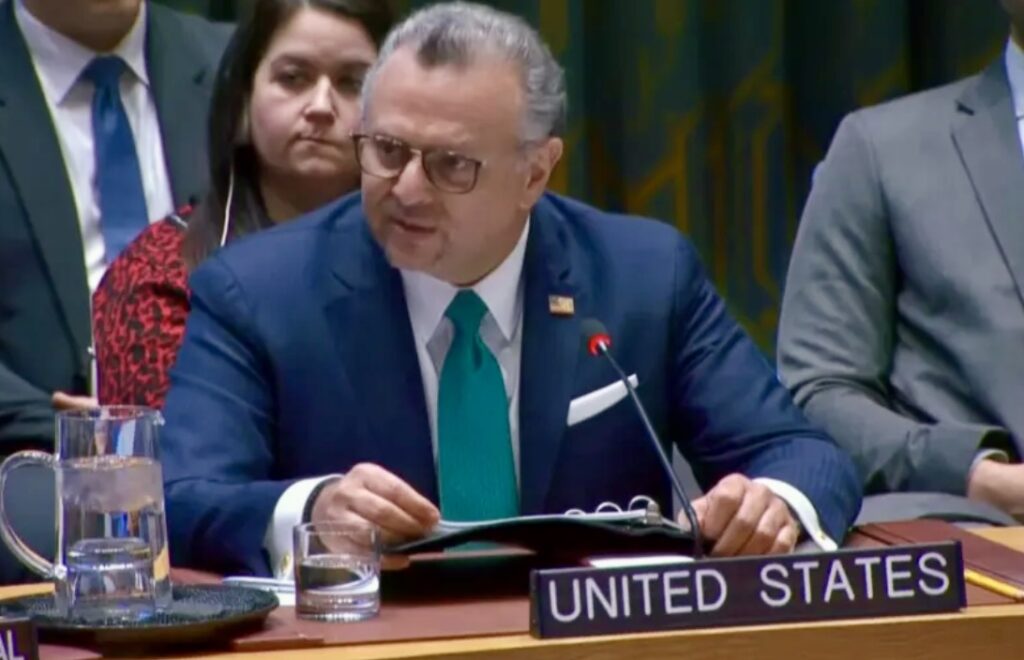
The Sudanese Sovereign Council has firmly rejected the latest United States draft proposal for a humanitarian truce, according to Massad Boulos, the senior US presidential advisor on Arab and African affairs. Speaking before the UN Security Council, Boulos emphasised that the Sudanese Sovereignty Council “continuously rejects US calls for a humanitarian truce that would pave the way for a permanent ceasefire in the country.”
Concurrently, the US Treasury Department has escalated pressure by imposing a new round of sanctions against an Indian company and several Sudanese army-affiliated entities. The measures, which include export restrictions and a ban on state-owned airlines operating in the US, stem from allegations regarding the military’s use of chemical weapons during the conflict.
In response, Sudan’s UN representative, Ambassador Al-Harith Idris, pushed back against international equivalence between the national army and the Rapid Support Forces. He claims the army-controlled government had already submitted a comprehensive peace roadmap in December 2025, which strictly mandates the disarmament and withdrawal of the RSF from all urban centres.
Idris also used the UN platform to condemn the rapid expansion of the RSF’s supply networks. He specifically accused the United Arab Emirates of continuously funding and equipping the paramilitary forces with advanced weaponry and mercenaries through regional airports in Libya, Chad, and East Africa.
Addressing the chemical weapons allegations, the Sudanese envoy noted that a US team had previously tested four sites without finding conclusive evidence. Idris added, “Sudan is a member of the Executive Council of the Organisation for the Prohibition of Chemical Weapons, and any investigation into this matter must be conducted through the organisation,” he added.