

17 March 2026
To keep our readers informed of the multitude of events taking place in Sudan amidst the ongoing, devastating war, we have developed a series of weekly news briefs covering nine major topics of the week.
In this week’s edition:
- The Army repels RSF attack on Dilling amid escalating fighting
- Dismantling committee resumes work targeting former regime
- Lawyer in Wad Medani sentenced to life imprisonment
- RSF claims control of Bara as fighting escalates
- Islamist leader confirms their control over the army, while Burhan denies it
- Sudan launches offline mobile money service
- Power outages deepen crisis across three states
- Civilians trapped as fighting intensifies in Al-Tina
- Female activists and journalists remain forcibly disappeared in Nyala
 1) The Army repels RSF attack on Dilling amid escalating fighting
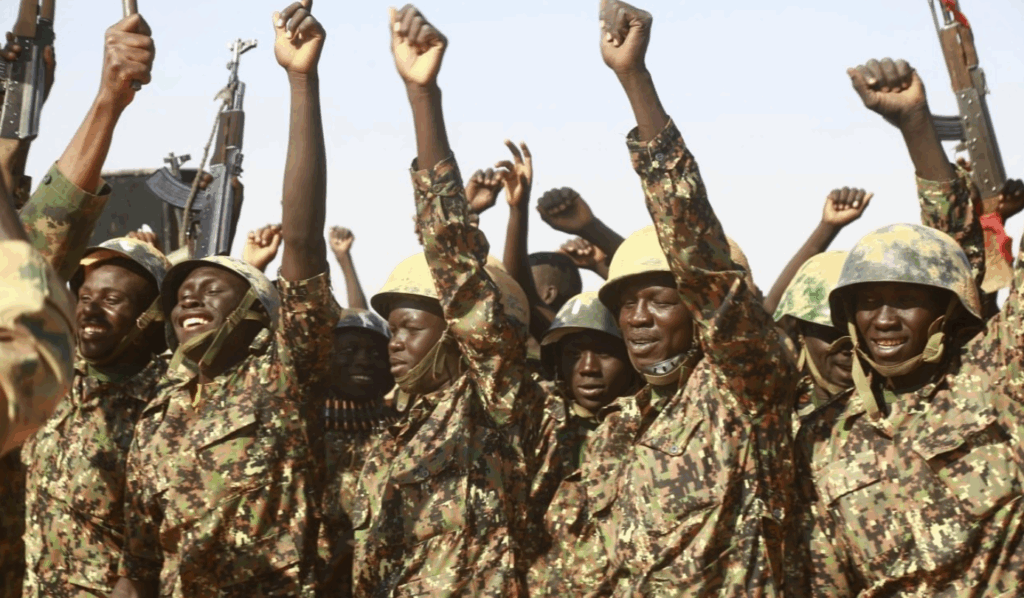
The Rapid Support Forces (RSF), backed by the Sudan People’s Liberation Movement-North (SPLM-N), launched a coordinated ground assault on the city of Dilling in South Kordofan State on Monday but were repelled by Sudanese army forces after several hours of fighting.
According to local sources, RSF fighters advanced from the north while SPLM-N under Abdel Aziz al-Hilu attacked from the west. “The allied forces attacked Dilling on Monday morning, and clashes with army forces lasted for about three hours before the attacking forces withdrew north and west,” a resident from the Al-Tumat neighbourhood told Ayin.
The assault followed days of warnings from residents about troop movements in nearby areas. “Since March 14, residents have been sharing information about the presence of Rapid Support Forces and SPLM-N forces in the areas of Al-Natl, Al-Kadar, and Farshaya,” a volunteer from the Dilling Emergency Room said. “There was an expectation that these movements would lead to an attack on Habila or Dilling,” he added.
The same source noted that the army had conducted drone strikes on Sunday, targeting gatherings of the attacking forces south and west of the city, while maintaining a high level of readiness inside Dilling ahead of the assault.
Monday’s attack marks the fourth such assault on Dilling since the beginning of the year, as fighting intensifies across South Kordofan State. The city remains a key frontline alongside Habila, while Kadugli has seen relative calm recently.
The escalation also comes amid sustained artillery shelling and drone strikes since March 10 on Dilling. On Sunday, shelling killed a woman and injured two others. “The shelling targeted the city from the west and northwest, likely originating from the Al-Kadar and Al-Nattal areas,” one Dilling resident said.
 2) Dismantling committee resumes work targeting former regime
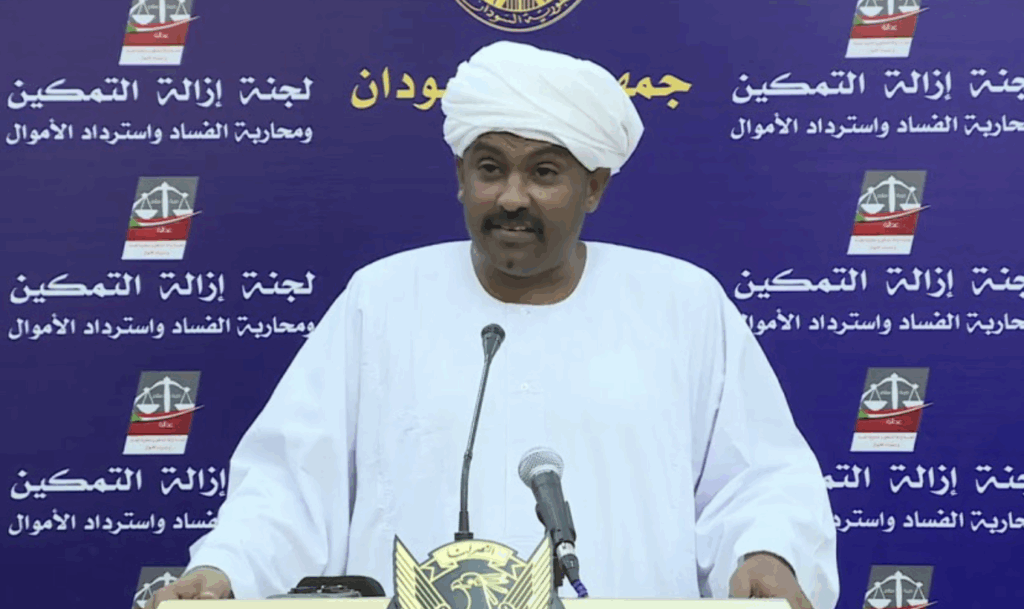
Sudan’s Empowerment Dismantling Committee has announced the resumption of its work after years of suspension, pledging to dismantle networks linked to the former ruling regime and pursue accountability.
In a statement issued Tuesday, the committee said it aims to “end the hijacking of the state by the National Congress/Islamic Movement terrorist system and its fronts” and hold accountable those responsible for crimes committed over three decades of rule, as well as during the period following the October 25, 2021, coup and the April 15 war.
The committee was originally established after the fall of former president Omar al-Bashir in 2019 but was frozen following the military takeover in 2021. It now rejects that decision, stating, “The decision to freeze the work of the committee is illegitimate and is not worth the ink it was written with.”
Chaired by former Sovereignty Council member Mohamed El-Faki Suleiman, the committee said it would resume tracking financial and organisational networks tied to the dissolved regime and recover public funds.
According to its media office, “The committee renews its commitment to continue tracking the financial and organisational networks of the dissolved criminal organisation and to take action against it.”
The statement added that legal action would be pursued against leaders of the former regime inside and outside Sudan, along with efforts to counter what it described as organised disinformation campaigns.
 3) Lawyer in Wad Medani sentenced to life imprisonment
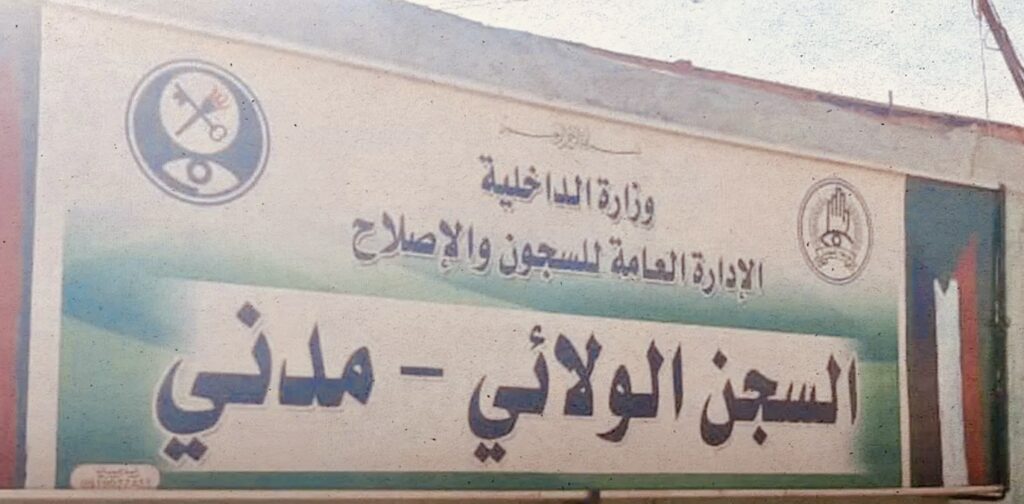
A criminal court in Wad Medani, in Sudan’s Al-Jazirah State, has sentenced lawyer Ahmed Al-Mustafa to life imprisonment on charges of collaborating with the Rapid Support Forces. The ruling was issued on March 11 following brief trial sessions after his arrest at his home in December, according to sources close to him. Al-Mustafa had been active in defending detainees accused of links to the RSF.
A source said the lawyer remained in the city throughout the war and took part in voluntary initiatives to provide food and water to stranded civilians. He later defended detainees in court and secured acquittals for several individuals before his arrest.
“Lawyer Ahmed Al-Mustafa was arrested maliciously because of his defence of detainees,” a friend of the lawyer told Ayin. The same source said the court relied on limited testimony. “The defence presented 10 witnesses—including a member of army intelligence—who confirmed that the lawyer had no connection to the Rapid Support Forces, but the judge decided to listen to only five of them.”
Recently, courts in Wad Medani have issued hundreds of death and life sentences against individuals accused of collaborating with the RSF.
 4) RSF claims control of Bara as fighting escalates
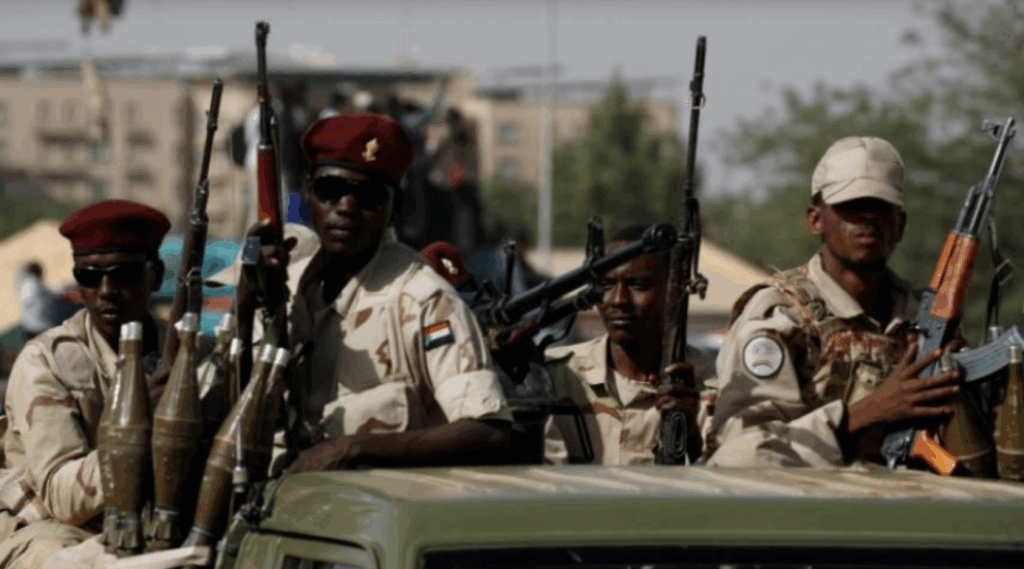
The Rapid Support Forces have announced they regained control of the strategic city of Bara in North Kordofan State following renewed clashes with the Sudanese army. In a statement, an RSF spokesperson said their forces had “liberated the city of Bara,” claiming the fighting resulted in heavy losses for the army, including more than 500 people killed and dozens of armoured vehicles captured or destroyed.
The Sudanese army rejected the claim, stating that “its forces – in a well-thought-out tactical move – evacuated their positions inside the city of Bara to reposition and redeploy within the comprehensive attack plan.” The army added that it had inflicted significant losses on RSF fighters during the clashes and eliminated field commanders before withdrawing.
Bara, located northeast of El-Obeid, has changed hands multiple times recently, marking the third time the RSF has announced regaining control. Amid the escalation, violence against civilians continues. Local sources said gunmen killed two young men in West Kordofan and abducted others for ransom in attacks driven by looting.
 5) Islamist leader confirms their control over the army, while Burhan denies it
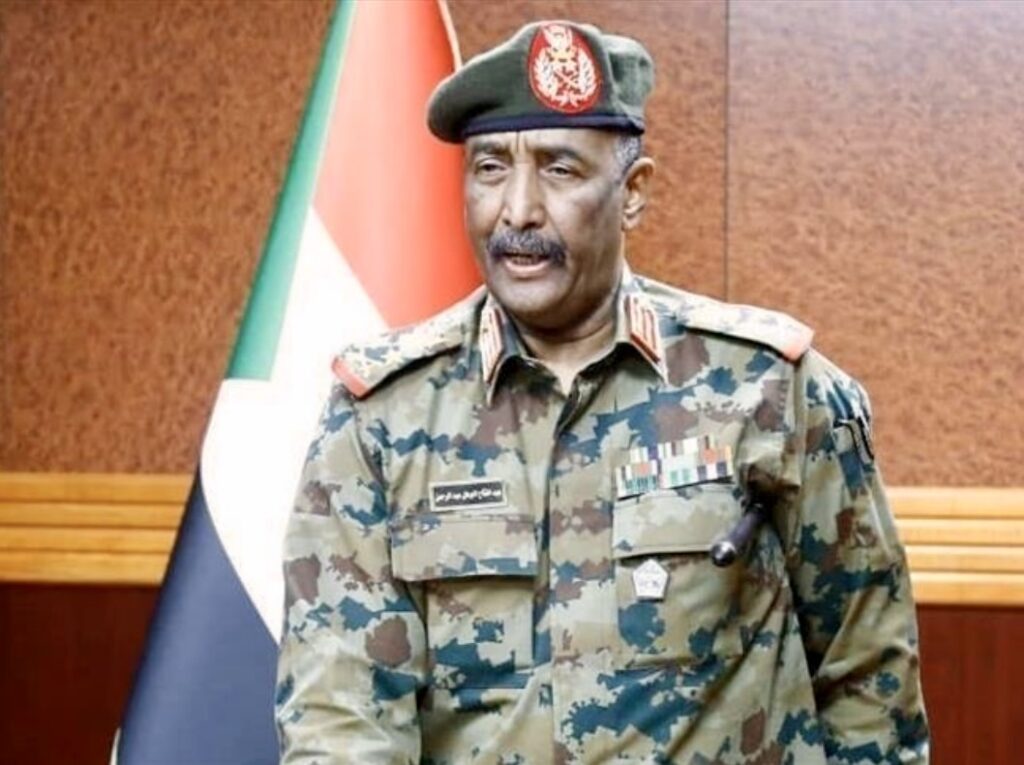
A leaked video of Islamist leader Osman Mohamed Yusuf Kibir has sparked widespread controversy after he claimed that Islamist groups exert influence over Sudan’s army leadership.
“Burhan had no value when the first coup took place… he was sitting like a guard at the door,” Kibir said in a leaked clip. “We agree with Burhan; our plan is for him to remain in power for five years.”
He also claimed that public statements distancing the army from Islamists were made under international pressure, suggesting private coordination continued. In response, army chief Abdel Fattah al-Burhan denied the allegations, stating that the armed forces have no ties to any political group and are aligned only with the Sudanese people.
Burhan said at a Ramadan event that the army would keep fighting, and there would be no truce, ceasefire, or reconciliation before then. The controversy comes amid increased scrutiny following the US designating Sudan’s Muslim Brotherhood as a terrorist organization.
 6) Sudan launches offline mobile money service
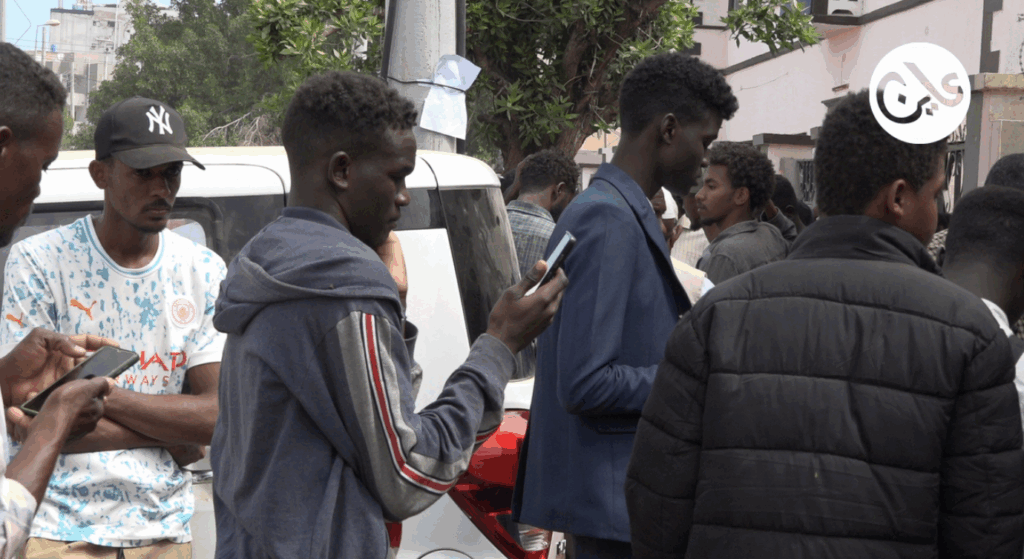
Sudan’s Ministry of Digital Transformation and Communications has launched a mobile money transfer service that works without internet access to expand financial inclusion. The service, introduced in Port Sudan on March 13, uses USSD technology, allowing users to send money using basic mobile phones without needing smartphones or internet connectivity.
“The project aims to expand the use of simplified digital channels that enable citizens to access financial services via mobile phones, especially in areas that suffer from weak internet connectivity,” said Minister Ahmed Al-Dardiri Ghandour.
According to the ministry, the first phase includes services such as money transfers, balance enquiries, and transaction summaries. However, the project has drawn criticism from economic analysts over a lack of transparency regarding the companies operating the system.
The initiative, according to officials, aims to lessen reliance on cash and enhance access to banking services in remote and conflict-affected areas.
 7) Power outages deepen crisis across three states
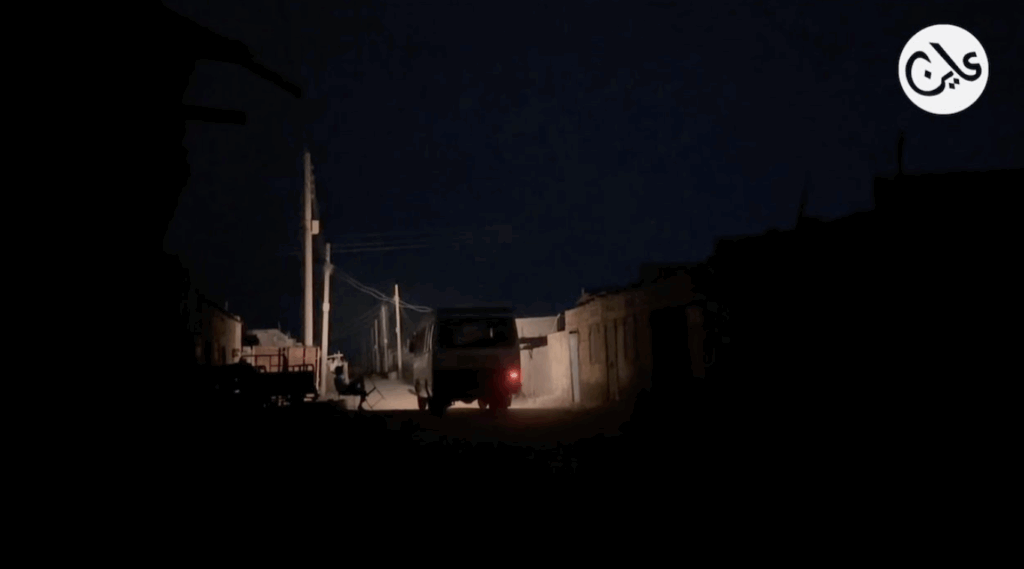
Sudan is facing a severe electricity crisis, with prolonged outages affecting the Northern, River Nile, and Red Sea states. The Sudan Electricity Company reported that faults at the Atbara power station, exacerbated by repeated drone attacks on infrastructure, caused the disruptions.
“The field situation for the maintenance of the cable supplying the Northern State at the Merowe station has reached a completion rate of 70%,” the company said in a statement.
Repairs to other electrical transmissions have progressed more slowly due to technical and logistical challenges. The company said emergency power rationing is necessary to prevent a total collapse of the national grid. It apologised to citizens and said engineers would remain in the field until the electricity supply is fully restored.
 8) Civilians trapped as fighting intensifies in Al-Tina
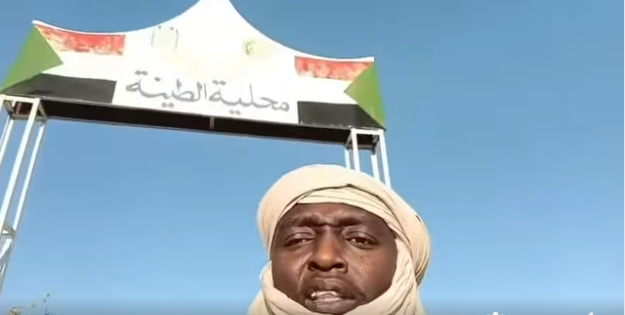
Heavy fighting has erupted in the town of Al-Tina in North Darfur, with both sides claiming control after intense clashes. “Our forces are in complete control of the town of Al-Tina in North Darfur State, following a successful military operation that included regrouping and then attacking and eliminating Rapid Support Forces (RSF) positions,” a source from the joint forces said.
The source added that RSF fighters attacked from three directions but were repelled.
Amid the fighting, humanitarian conditions have worsened. “There are about 760 families currently living in the open, completely lacking shelter, water, food and health care,” says local resident Mohamedin Abdel Nabi.
Aid organisations have been reluctant to enter the area due to security risks, leaving thousands dependent on limited local support.
 9) Female activists and journalists remain forcibly disappeared in Nyala
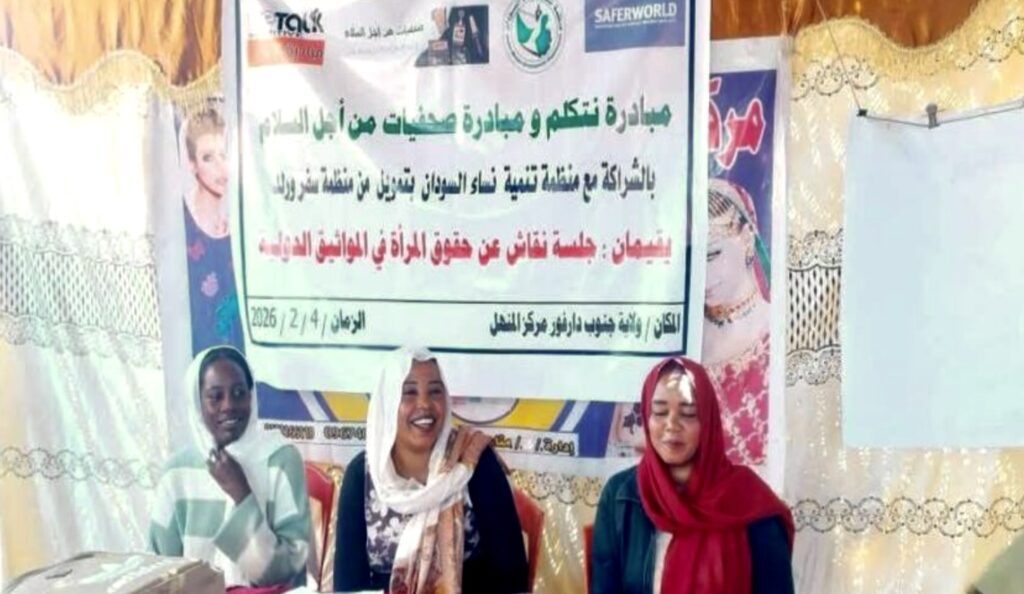
The Sudan Emergency Lawyers Group has issued a warning regarding the forcible disappearance of several female journalists and human rights activists detained by the Rapid Support Forces in Nyala. The group said the women were arrested on March 5 after attending a workshop on women’s rights and have since been held in undisclosed locations without contact.
According to emergency lawyers, the detainees are Mawaheb Ibrahim, Azhar Abdel Moneim Hamed, Ishraqah Abdel Rahman, Dr Manahil Mustafa Al-Sanousi, and Zahraa Mohamed Al-Hassan.
“The arrest of activists in areas under the control of the Rapid Support Forces increases the seriousness of their situation, as these areas witness the absence of any judicial system, which makes it possible for the disappeared to be subjected to ill-treatment, torture, sexual violence, and deprivation of health care and food, and makes any accountability or legal intervention almost impossible,” the group said in a statement.
The Emergency Lawyers call for their immediate release and for authorities to disclose their whereabouts and allow access to families and lawyers. The group also urged international organisations to intervene, citing the risks of torture and ill-treatment in detention.