

17 February 2026
To keep our readers informed of the multitude of events taking place in Sudan amidst the ongoing, devastating war, we have developed a series of weekly news briefs covering eleven major topics of the week.
In this week’s edition:
- A corruption war erupts within Sudan’s military-led government
- 59 killed in two days of drone strikes in Sudan
- Teachers urge independent committee to oversee certificate exams
- Intensified airstrikes batter South Kordofan
- 25,000 on brink of famine in North Darfur
- Escalation of military operations in Blue Nile State
- Sudanese teenager dies in Cairo police station
- Idris: No concrete ceasefire agreement yet
- International pressure mounts to end Sudan war
- Dongola court releases activist Munib on bail
- 1.3 million displaced return to Khartoum amid aid shortages
 1) Corruption war erupts within Sudan’s military-led government
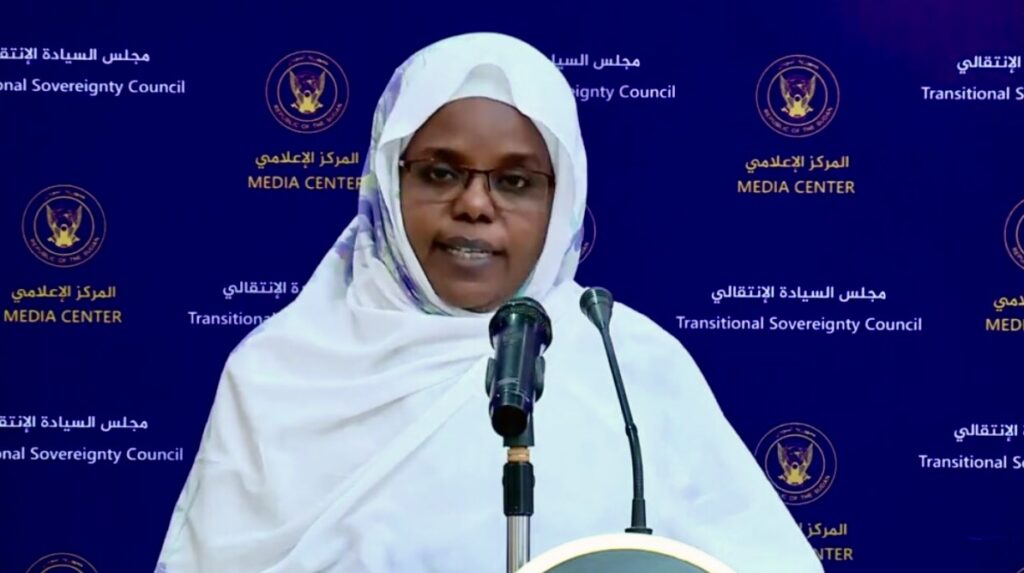
A power struggle framed as a battle over corruption files has erupted among senior officials in Sudan’s military-led government, leading to the potential resignation of Sovereignty Council member Salma Abdel Jabbar and the dissolution of a key committee overseeing the return of state institutions from Port Sudan to Khartoum.
The controversy intensified after Sovereignty Council member Ibrahim Jaber, who headed the Higher Committee for the Development of Khartoum State, signed an $11 million contract to rehabilitate the partially destroyed Al-Halfaya Bridge linking Omdurman and Khartoum North. Pro-government platforms accused him of corruption, while similar accusations targeted Abdel Jabbar over claims she exploited her influence in a land transaction.
According to Khartoum State Media, the Roads and Bridges Authority signed the bridge contract with Ibrahim Balla Contracting Company, alongside a supervisory agreement with Itqan Engineering Consulting Company, with work expected to be completed within nine months. Jaber and Khartoum Governor Ahmed Othman witnessed the signing.
Amid the backlash, Sovereignty Council head Abdel Fattah al-Burhan dissolved the Higher Committee for Preparing Khartoum State for the Return of Institutions and transferred its responsibilities to the Council of Ministers. Shortly afterward, Jaber appeared in a video alleging misconduct by other officials, stating he discovered ministries had rented properties in Khartoum in US dollars despite the availability of civilian and military premises.
Jaber said he asked Prime Minister Kamil Idris whether he had approved renting property in dollars, and “he denied knowing about it.” He added that he referred the matter to the Auditor General, whose report confirmed the payments were made under a letter from the Council of Ministers and involved “a senior minister.” In the recording, Jaber said he had ordered the cancellation of dollar-denominated leases, the return of funds to the state treasury, and accountability for the responsible official.
Separately, Abdel Jabbar reportedly visited a land office in Khartoum after an official refused to process paperwork for an investment plot due to a freeze on transactions. She ordered the director dismissed, but hours later Idris visited the office, apologised, and reinstated the official. Abdel Jabbar subsequently submitted her resignation to Burhan, who has yet to decide on it.
A source close to the developments described the crisis as fundamentally “a power struggle between the Sovereignty Council and the Council of Ministers,” adding that the Cabinet resents Jaber’s involvement in executive tasks. The source said Burhan’s dissolution of the committee was meant to ease tensions but warned that the confrontation “will not stop” with both sides holding corruption files that could surface publicly.
 2) 59 killed in two days of drone strikes in Sudan
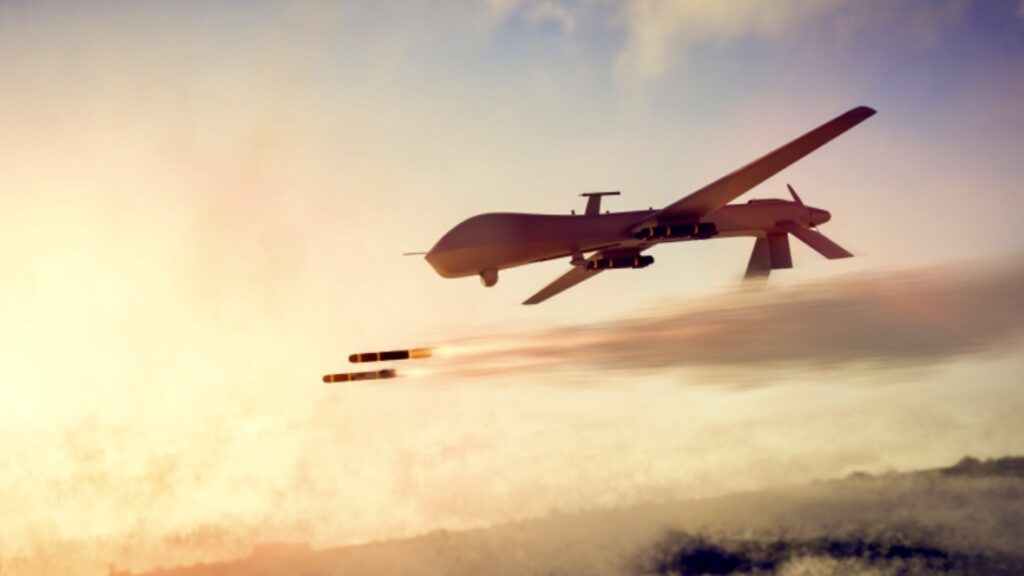
At least 59 civilians were killed and dozens injured in drone airstrikes across North and West Kordofan and Sennar states over two days, according to a count by local monitors, marking a sharp escalation in aerial attacks by the army and the Rapid Support Forces (RSF).
Emergency lawyers said 28 people were killed and dozens wounded when a drone struck a crowded market in Al-Safiya, northeast of Sudri in North Kordofan, on Sunday evening. The statement noted the market was filled with “women, children, and the elderly,” warning the toll could rise. The area is under RSF control.
On Monday, a drone allegedly operated by the army bombed a shelter for displaced people in Al-Sunut in West Kordofan, killing 26 and injuring 15, according to local sources. In Sennar State, a drone reportedly used by the RSF struck Al-Mazmum Hospital on Sunday, killing three people and wounding seven.
Local sources also accused the RSF of bombing Al-Rahad Abu Dakna, killing two and injuring 10 who were transferred to hospitals in Al-Rahad and Al-Abyad. In Abu Zabad, projectiles landed near the central market without causing civilian casualties. The army claimed that it had destroyed a Chinese-made air defence system that the RSF carried with them during those strikes.
Allegations also surfaced about a drone attack on the Adiko market near the Sudanese-Chadian border, which resulted in injuries to traders and the destruction of shops and a fuel depot. Meanwhile, drone strikes continued in Dilling and Kadugli in South Kordofan despite a relative lull in ground fighting.
The surge in drone warfare underscores the intensifying use of remote aerial attacks by both sides, raising concerns over mounting civilian casualties and damage to vital infrastructure in contested areas.
 3) Teachers urge independent committee to oversee certificate exams
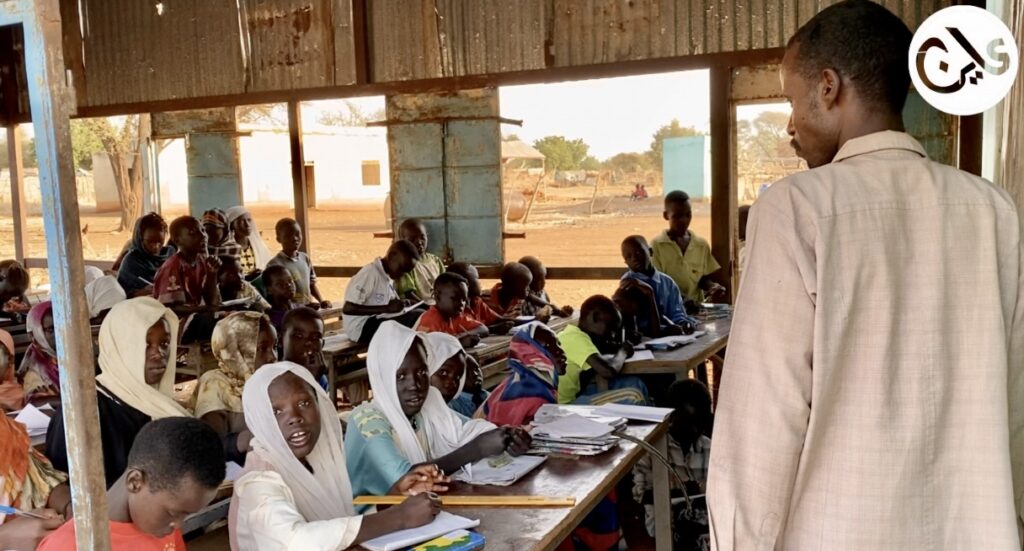
The Sudanese Teachers Committee has called for the formation of an independent national body to oversee secondary school certificate examinations, warning that holding separate exams in rival-controlled areas could deepen divisions in the country.
Committee spokesperson Sami Al-Baqir said the group has a “complete and ready vision” for establishing the committee and is awaiting approval from both the Sudanese army and the Rapid Support Forces (RSF). He said the proposed body would initially form through consensus among the concerned parties before expanding to include regional and international organisations, including UNESCO, to enhance independence and provide technical support.
On Monday, the Council of Ministers of the RSF-aligned “Establishment” Alliance Government announced it had completed technical, administrative and security arrangements for the 2026 Sudanese Certificate Examinations, pledging to provide the opportunity to all students, including those unable to sit exams during the war years.
Al-Baqir said the proposed national committee’s main role would be to coordinate between education authorities in areas controlled by the RSF and those under the federal Ministry of Education to ensure access for all students. This would include agreeing on exam dates and locations, securing safe transport routes, and establishing mechanisms for delivering exam papers with international participation.
He warned that organising separate examinations “would represent the beginning of the division or fragmentation of Sudan,” cautioning against politicising education to bolster one side’s legitimacy. Denying students the chance to sit exams for a third consecutive year, he said, risks deepening what he described as “emotional separation” among Sudanese people.
The committee stressed that education is a constitutional and moral right that must not become “a tool of conflict or a means of war,” noting that nearly 19 million young people have been deprived of schooling since the conflict began.
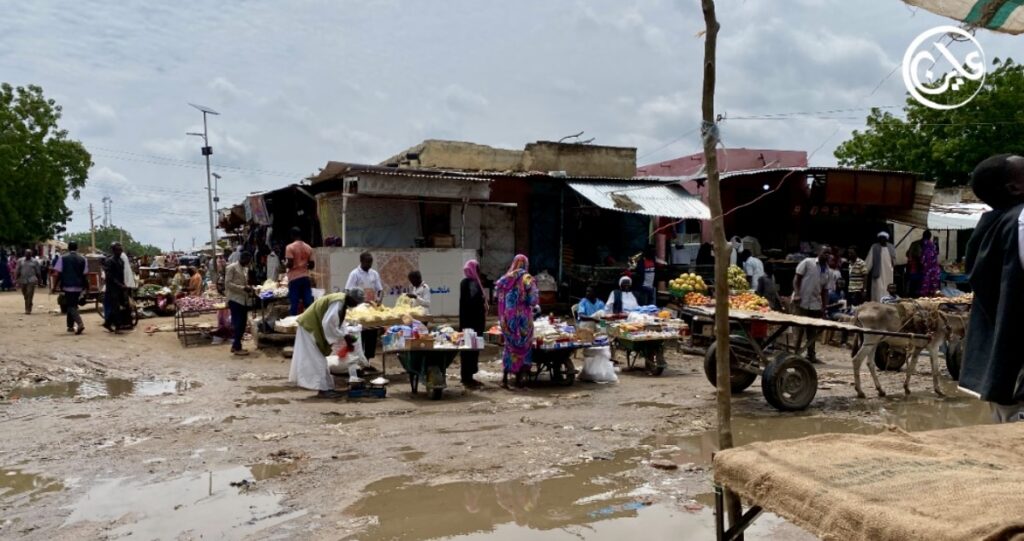 4) Intensified airstrikes batter South Kordofan
Drone attacks have intensified in South Kordofan, with residents of Dilling and Kadugli reporting near-daily bombardments targeting military sites and residential neighbourhoods.
A witness in Dilling told local media: “On Saturday, February 14, the city of Dilling was targeted by strategic and suicide drones with indiscriminate attacks on schools, markets, and residential neighbourhoods. There were four drones in total.” Another source said the city had been bombed more than 12 times in recent days, prompting authorities to temporarily shut down the Starlink internet network.
Civil activist Saeed Al-Taher said, “Throughout this week, the city’s residents wake up to the sounds of drones that begin flying at seven in the morning, and the shelling always starts at ten o’clock.” He added that schools such as Al-Humaira Primary School for Girls and Ali Al-Karrar Secondary School were targeted because army-aligned forces had used them briefly as positions.
In Kadugli, drone strikes hit military sites and residential areas, injuring civilians and damaging property. Local sources said repeated bombardments led authorities to suspend Starlink services temporarily.
Meanwhile, in Abbasiya Taqali, a landmine exploded beneath a tuk-tuk returning from a weekly market. Resident Taqali Mutasim Bakhit said: “The tuk-tuk was on its way back, having come from the Damar area, west of Sanadra, for the weekly market held on Mondays and Thursdays.” The blast killed nine people instantly, with another dying later, and injuring six others.
The escalation highlights the widening impact of drone warfare and landmines on civilians in a region already strained by protracted conflict.
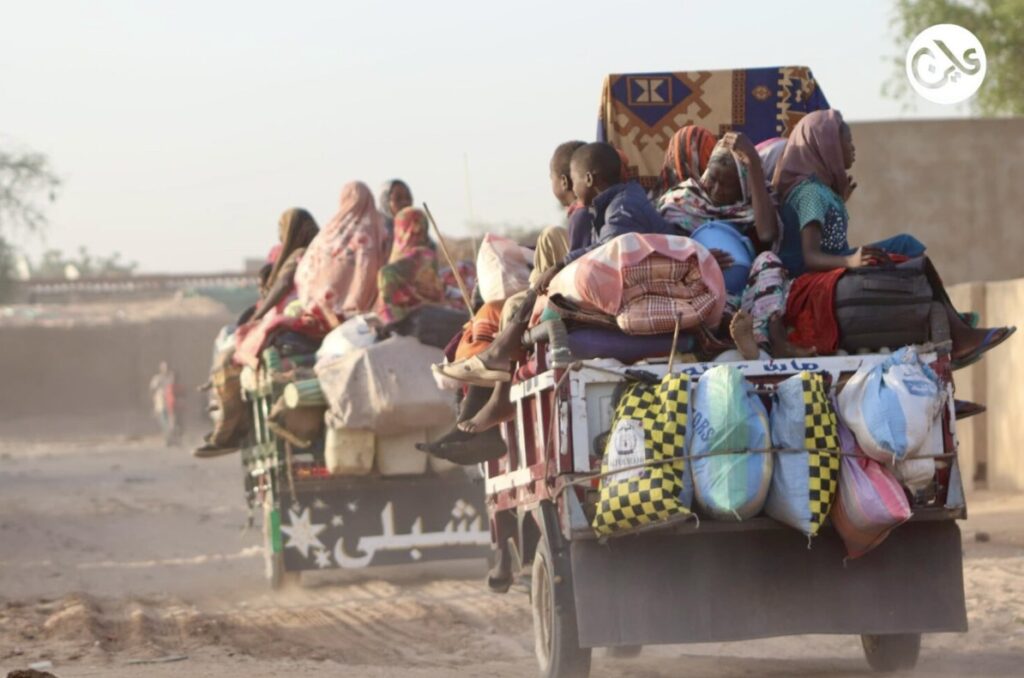 5) 25,000 on brink of famine in North Darfur
Nearly 25,000 people in the localities of Umm Buru, Karnoi and Al-Tina in North Darfur are on the brink of famine, as fighting and drone warfare disrupt livelihoods and block humanitarian access, according to relief sources.
Since mid-December 2025, the RSF has launched attacks aimed at seizing control of the areas. A military source said the army has slowed their advance through extensive use of Turkish drones, describing battles that are “limited to drones” with the army “having the upper hand.”
“We can say that the battles in these localities are limited to drones, with the Sudanese army having the upper hand, having managed to enhance the use of these weapons in a different way than it was weeks ago,” the military source told Ayin.
However, a humanitarian worker warned that security conditions and the presence of drones have halted agriculture and trade. “The crisis is worsening because displacement, or crossing the border into Chad, is also a risky process, and humanitarian organisations are unable to reach these disaster-stricken areas,” he said.
With limited access to food and markets and restricted movement across borders, aid workers fear famine conditions could deepen in the coming weeks if fighting persists.
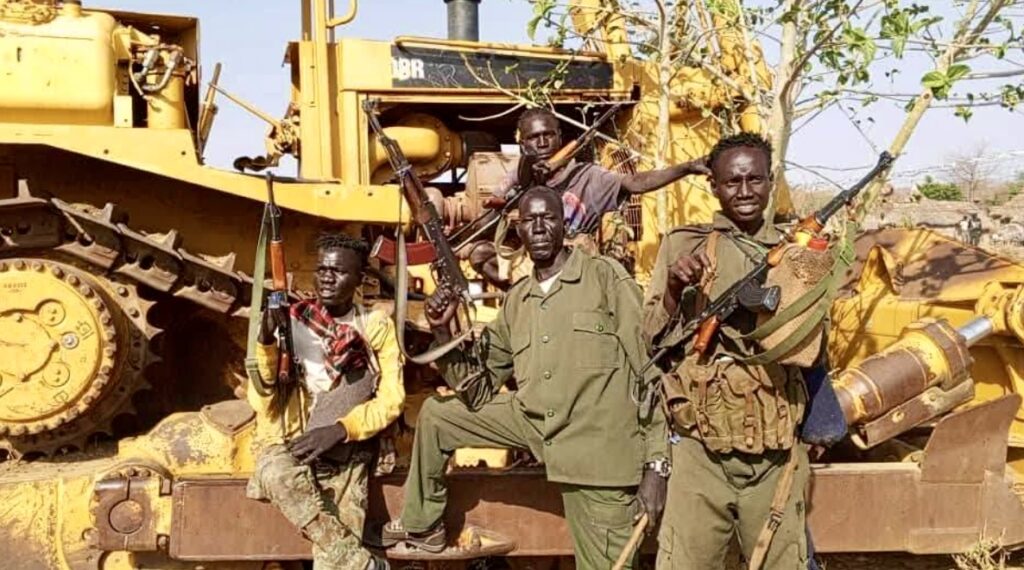 6) Escalation of military operations in Blue Nile State
Ground fighting and drone strikes have escalated in Blue Nile State, with multiple areas targeted over the past week amid renewed clashes between the army, RSF, and allied groups.
“Ground military operations intensified again on Saturday, 7 February, with simultaneous attacks on the Kurmuk and Silek areas,” a military source told Ayin. The source added that the armed forces repelled the assaults but faced renewed attacks the following day.
On 13 February, army drones bombed Yabus market, reportedly causing civilian casualties, though no precise figures were available. RSF drones also struck Bakuri in Qaysan province, targeting the headquarters of a humanitarian service organisation known as Clustium. The state’s Humanitarian Aid Commission condemned the strike as a “blatant assault on humanitarian services.”
A humanitarian observer said the drone attacks in Bakuri, Qaysan and Yabus “resulted in dozens of citizens being wounded and killed,” but accurate casualty counts remain difficult due to communication blackouts and restricted access.
Meanwhile, the governor of Kurmuk said displacement is increasing toward South Sudan and northward to Damazin and Baw, as sporadic clashes continue across several fronts in the state.
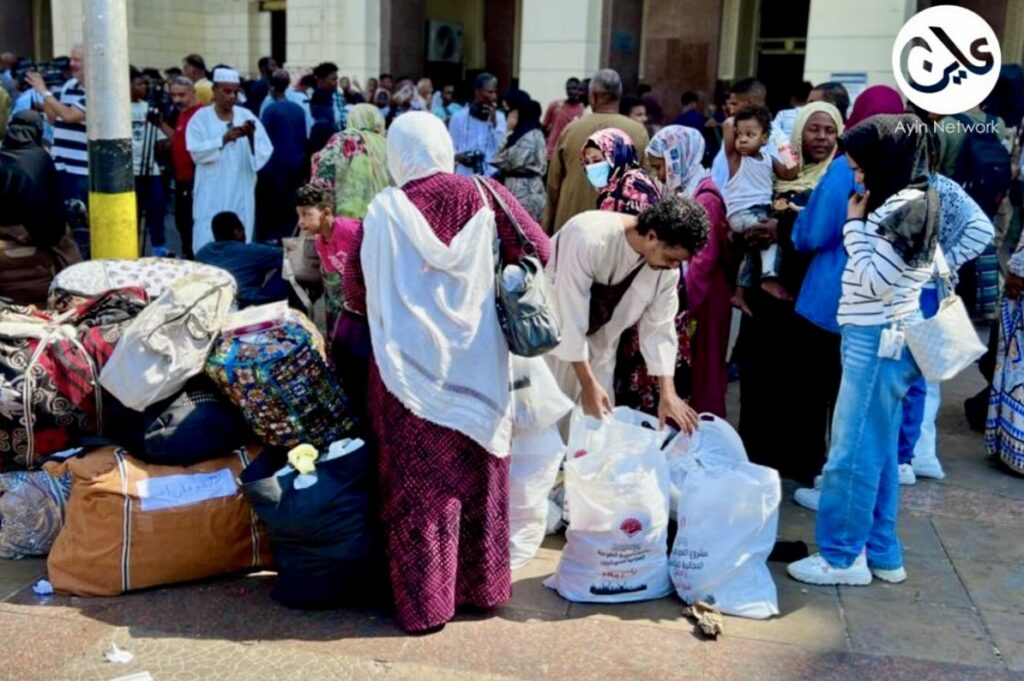
 8) Idris: No concrete ceasefire agreement yet
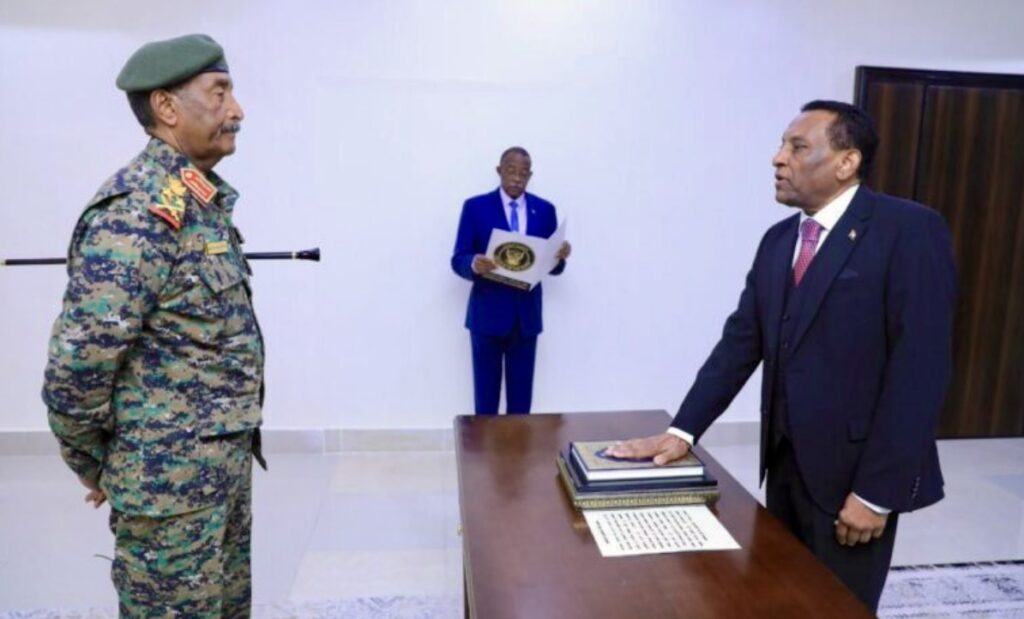
Prime Minister Kamil Idris said his government is engaged in ongoing talks with the United States, Egypt and Saudi Arabia over a tripartite initiative to end the war, but no firm ceasefire agreement has been reached.
“We, as Sudanese, launched our peace initiative and submitted it to the United Nations. This initiative, presented by Sudan, ensures integration and harmony with the tripartite initiative led by Washington, Riyadh, and Cairo,” Idris said during a speech at the Munich Forum in Germany on February 14th.
“The government’s initiative stipulates that the Rapid Support Forces fighters lay down their weapons, evacuate cities and areas, and enter main camps,” he added. He emphasised that the initiative aims to restore “legal and legislative authority to Sudan as a single, unified country and protect civilians.”
 9) International pressure mounts to end Sudan war
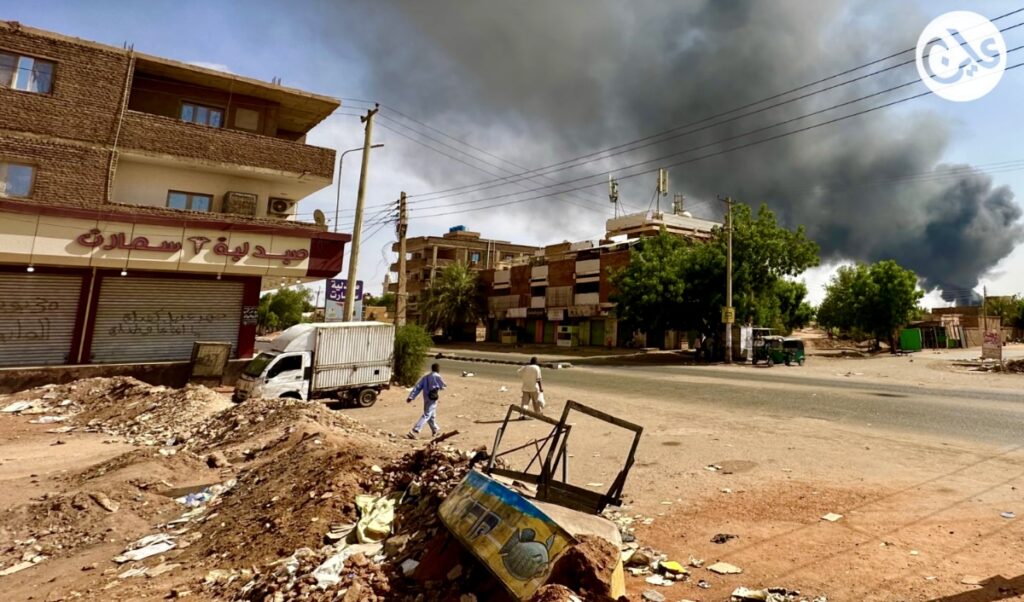
International officials have intensified calls for an immediate ceasefire in Sudan as the conflict approaches its third year, with mounting humanitarian consequences.
At the Munich Forum, White House senior advisor Massad Boulos said President Trump is committed to ending the war and working with Saudi Arabia, the UAE, and Egypt. He described the RSF’s actions as amounting to genocide, particularly in El Fasher.
UN Secretary-General António Guterres, speaking at the African Union summit in Addis Ababa, said, “We must first and foremost work to create the conditions for putting pressure on both sides of the conflict,” adding that countries arming the parties must also be restrained.
The African Union’s Commissioner for Political Affairs, Peace and Security, Bankole Adeoye described the crisis as “the worst humanitarian crisis in the world right now” and said the roadmap calls for “a permanent and unconditional ceasefire”, humanitarian access and comprehensive political dialogue.
Officials acknowledged that, despite diplomatic momentum, Sudan’s crisis continues to receive insufficient global attention, even as humanitarian needs deepen.
 10) Dongola court releases activist Munib on bail
The Criminal Court of Dongola in northern Sudan has ordered the release of civil activist Munib Abdel Aziz on ordinary bail, setting 1 March for the next hearing.
Munib was arrested on 19 December for participating in commemorations marking the seventh anniversary of the December Revolution, prompting widespread calls for his release. A campaign argued his detention violated constitutional rights.
According to supporters, the prosecutors dropped charges under Articles 50, 51, and 26 of the 1991 Penal Code but amended the case to include provisions from the 2007 Cybercrime Law and other Penal Code articles.
The trial comes amid reports of intensified crackdowns on activists and volunteers calling for an end to the war, with rights groups alleging abuses in detention facilities.
 11) 1.3 million displaced return to Khartoum amid aid shortages
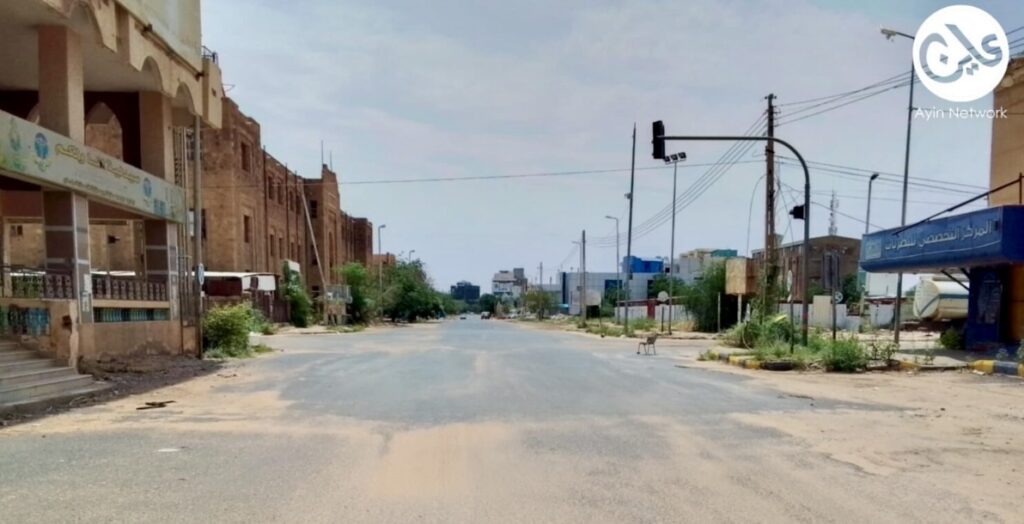
More than 1.3 million displaced people have returned to Khartoum State in the largest wave of returns since the conflict erupted in April 2023, even as humanitarian needs remain severe.
UN data indicate that approximately 12 million people have been forcibly displaced, including about 9 million internally displaced and more than 3.5 million refugees in neighbouring countries. An estimated 33.7 million people will require assistance in 2026.
The International Organization for Migration reports that over 3.5 million internally displaced persons have returned home, including about 530,000 who came back from neighbouring countries in 2024 and 2025, most of them from Egypt.
However, ongoing fighting in Darfur and Kordofan continues to drive new displacement, while aid agencies have appealed for $6 billion to fund the 2026 response plan, warning of worsening hunger and collapsing services.