

Sudan in a Week: Ayin News Bulletin #19
4 February 2025
To keep our readers informed of the multitude of events taking place in Sudan amidst the ongoing, devastating war, we have developed a series of weekly news briefs, covering nine major topics of the week.
In this week’s edition:
- Sudanese army reinforces air defenses around Khartoum airport
- Sudanese authorities expand levies on traditional gold miners
- New York Times: Egypt harbours a secret drone base
- Sudan moves toward privatisation of health sector amid public outcry
- Dilling sees relief as army reopens road amid continued drone attacks
- Dongola court sets February 8 trial date for activist Munib Abdel Aziz
- Escalation between Cairo and RSF deepens regional tensions over Sudan
- Drone attacks hit El Obeid as fighting eases in North Kordofan
 1) Sudanese army reinforces air defenses around Khartoum airport
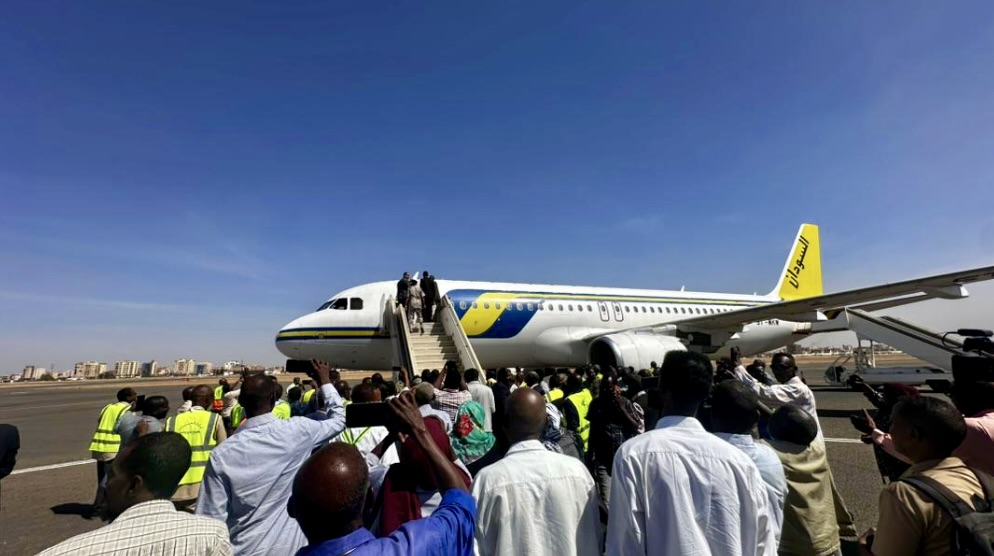
The Sudanese army has strengthened air defense systems around Khartoum International Airport as domestic air traffic resumes after a suspension lasting nearly two and a half years, officials said.
A responsible source at the Sudan Airports Company told Ayin that the military deployed air defense equipment around the airport perimeter to prevent drone attacks and safeguard air navigation. The move followed the resumption of flights on February 1, after airspace over the capital had been closed since the outbreak of war between the army and the Rapid Support Forces (RSF).
An informed airport official said the operation of domestic flights linking Khartoum with eastern, northern, and central states required “necessary precautions,” confirming that the defense system had already been installed.
A Sudan Airways aircraft landed at Khartoum Airport on February 1, marking the airline’s first arrival since operations were halted in April 2023. Prime Minister Kamil Idris described the flight as confirmation of the return of air navigation, predicting renewed growth for the national carrier.
Flights remain restricted to relatively secure regions, while routes to Darfur and Kordofan are still suspended due to ongoing fighting. Drone attacks previously targeted Khartoum Airport in October 2025, posing serious risks to air traffic.
Much of the airport infrastructure was heavily damaged during battles that erupted in the early days of the war. The RSF controlled the airport until March 2025, when the army recaptured it after extensive destruction to aircraft and terminal facilities.
 2) Sudanese authorities expand levies on traditional gold miners
Traditional gold miners in northern Sudan say government authorities have imposed new levies on mining activities, worsening their economic hardship amid falling gold prices and deteriorating health and environmental conditions.
A miner at the Al-Khanaq mine in Northern State told Ayin that the Sudanese Mineral Resources Company raised fees on each sack of ore-bearing stones to 27,000 Sudanese pounds, up from 16,000. Miners who attempt to bypass official channels face fines of up to 150,000 pounds per sack.
He said the measures disproportionately affect small-scale miners who depend on daily production, unlike large traders and well owners who pay a fixed 10 percent of gold output. The fee hikes coincide with a sharp drop in gold prices, which fell from 547,000 pounds per gram last week to about 473,000 pounds.
Another miner said around 5,000 people work at the Khanaq mine, most of them young people displaced by the war and forced to seek livelihoods in hazardous conditions.
Miners complained of toxic waste accumulation, poor sanitation, and the absence of properly equipped medical centers. Oxygen shortages, a common health risk for miners working in deep shafts, remain unaddressed.
According to official figures, about two million people work in traditional mining across Sudan—a number expected to rise as the war continues to devastate other sources of income.
 3) New York Times: Egypt harbours a secret drone base
The New York Times reported on February 1 that drones were launched from a covert airbase inside Egypt near Jabal al-Uwaynat to conduct airstrikes in Sudan. The investigation cited satellite imagery, flight records, and interviews with Western and regional officials.
According to the report, the strikes targeted the Rapid Support Forces, using advanced military drones, including Turkish-made systems. The base is reportedly located within a large agricultural project in Egypt’s Western Desert.
The newspaper said the findings underscore Sudan’s transformation into a high-tech war zone shaped by overlapping foreign interventions. Egyptian and Sudanese officials did not respond to requests for comment.
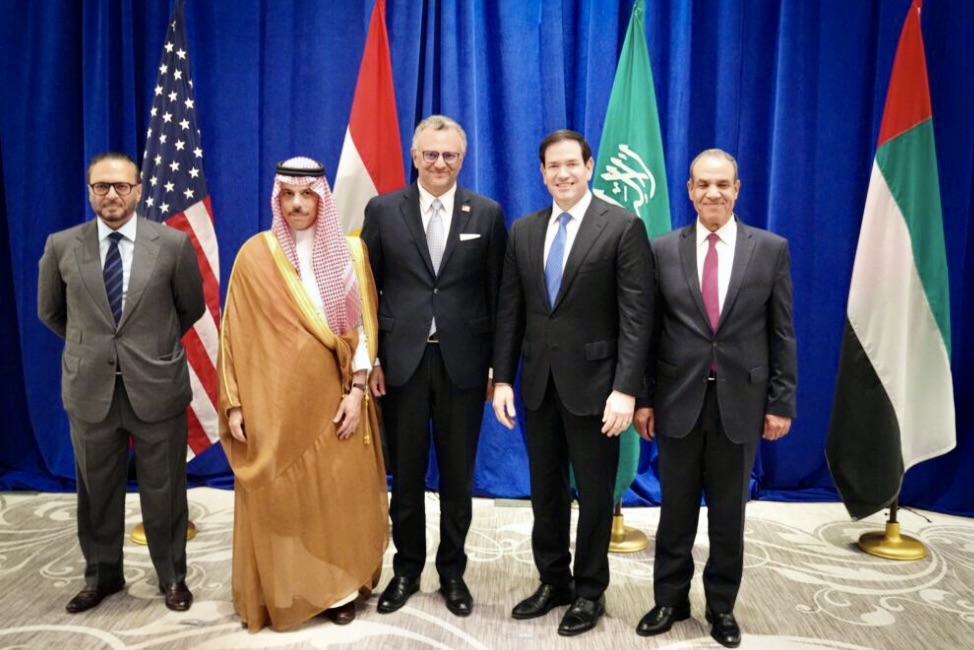
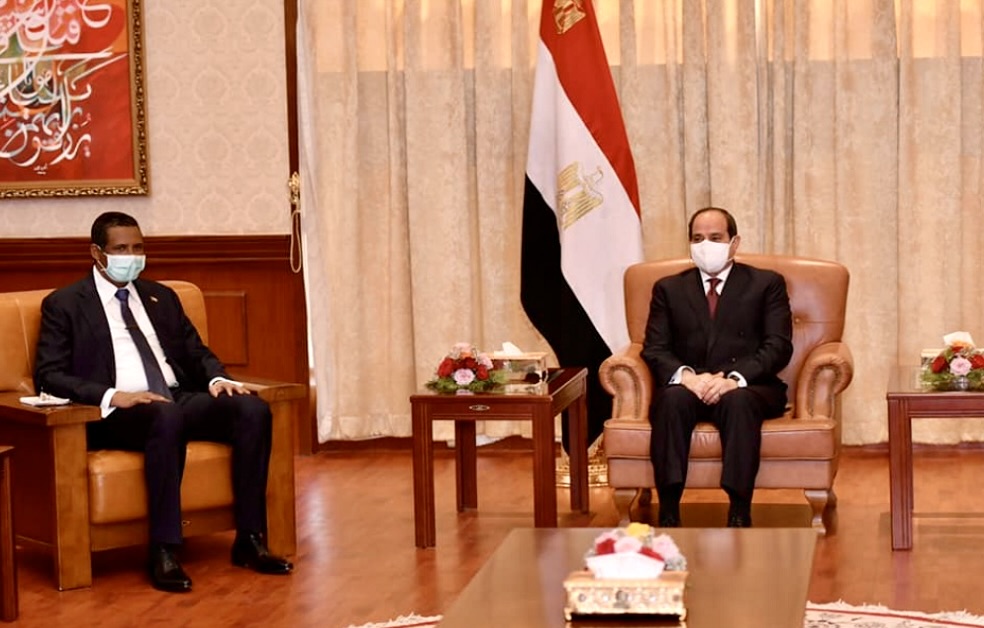
Meanwhile, diplomatic sources told Ayin that divisions within the Quartet—led by the United States and including Saudi Arabia, Egypt, and the UAE—have deepened. Riyadh and Cairo reportedly prioritise ending the war, while the UAE insists on excluding Islamists from Sudan’s political future.
The source said Washington has shifted focus toward convening a humanitarian conference, reflecting the growing inability of the Quartet to reach consensus on a broader political settlement.
 4) Sudan moves toward privatisation of health sector amid public outcry
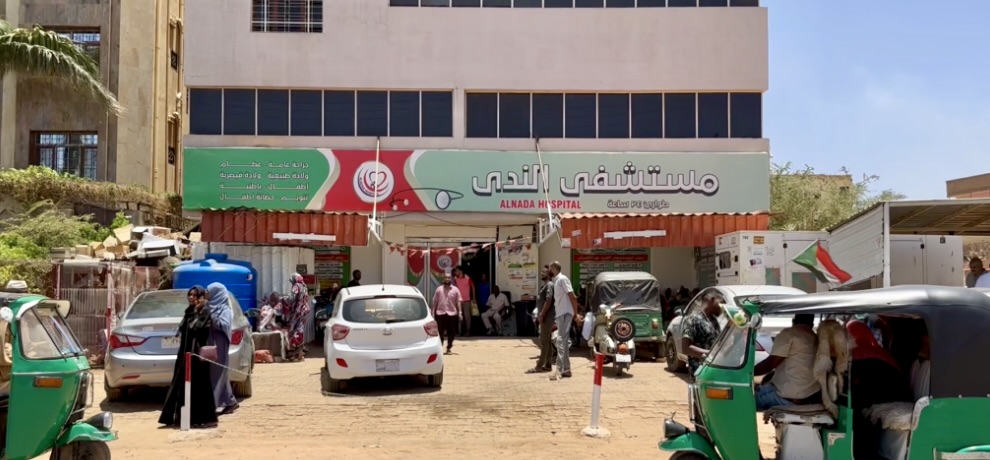
Sudanese authorities are moving toward a gradual privatisation of the health sector, raising public concern as access to affordable care continues to deteriorate under the strain of war and economic collapse.
Citizens report sharp increases in consultation fees, medication prices, and ambulance costs. A resident in Atbara told Ayin that medical consultations now range from 100,000 to over one million Sudanese pounds, while ambulance transfers between cities can exceed two million pounds.
At Omdurman General Hospital, patients complained of shortages in intensive care beds, medicines, and electronic payment failures. One man said his uncle, suffering from a blood clot, was denied intensive care despite urgent need.
Since the outbreak of the war, about 155 public and private hospitals in Khartoum State have shut down, forcing patients to seek treatment in cities such as Atbara, Merowe, Kassala, and Port Sudan.
The government has not disclosed health sector spending in the 2026 emergency budget, while doctors say public funding has all but disappeared, leaving international organizations to fill the gap.
Tensions escalated in Abu Hamad after a patient died due to oxygen shortages during ambulance transfer, prompting a partial strike by medical staff protesting what they described as public defamation of the hospital.
 5) Dilling sees relief as army reopens road amid continued drone attacks
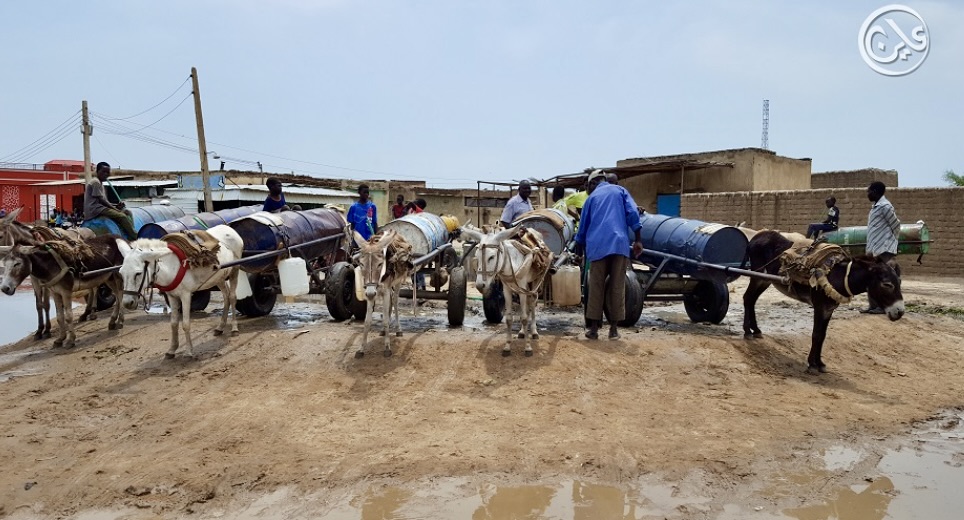
South Kordofan witnessed rapid security developments this week as the Sudanese army announced the reopening of the Kadugli–Dilling road, easing a prolonged siege on Dilling despite ongoing drone attacks.
Living conditions in Kadugli remain dire due to the closure of the national highway, which has caused shortages of food and cash. Fighting continues in strategic northern areas linking Kadugli and Dilling.
Residents reported heavy clashes near Keiga and Borno, with drone strikes hitting areas around Karkal. In response, the army carried out airstrikes aimed at repelling RSF positions along the road.
In Dilling, drones have continued to target markets and residential neighbourhoods. Emergency response officials said drone activity increased sharply following the lifting of the siege, though several drones were intercepted.
The reopening of the road led to a significant influx of goods and a dramatic drop in food prices. Staple commodities fell to a fraction of their previous costs, providing temporary relief to residents.
Kartala has emerged as a vital trade corridor but has also become vulnerable to drone attacks, raising fears it could become the next flashpoint.
 6) Dongola court sets February 8 trial date for activist Munib Abdel Aziz
The Dongola General Court has scheduled February 8 as the first hearing in the trial of civil activist Munib Abdel Aziz, following amendments to the charges against him.
Abdel Aziz was arrested on December 19 for participating in events marking the anniversary of Sudan’s December Revolution. His detention sparked widespread calls for his release from civil society and legal groups.
According to a campaign statement, prosecutors dropped serious charges related to undermining the constitutional order and inciting war, replacing them with accusations under the Cybercrime Law and other penal code provisions.
The revised charges include spreading false news, inciting discontent among security forces, and disturbing public peace, with penalties ranging from fines to imprisonment.
The trial comes amid intensified crackdowns on activists, volunteers, and human rights defenders calling for an end to the war.
Rights groups warn that the continued prosecution of activists reflects shrinking civic space and growing repression under wartime conditions.
8) Drone attacks hit El Obeid as fighting eases in North Kordofan
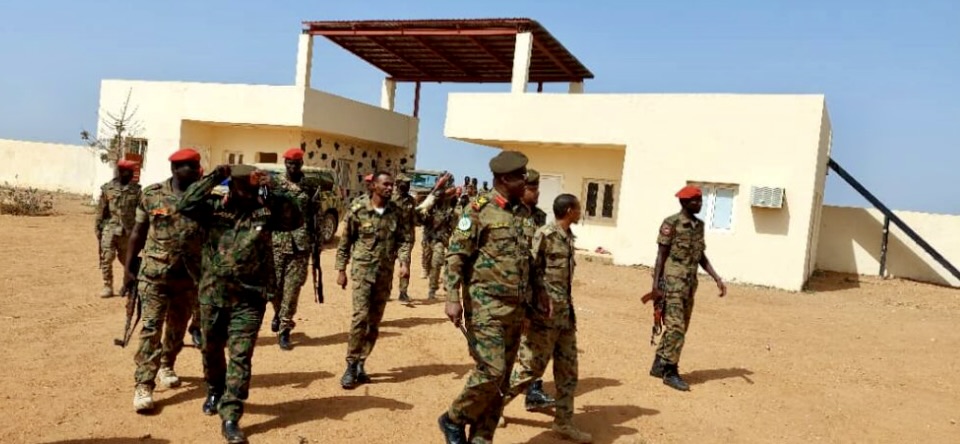
The Rapid Support Forces launched a large-scale drone attack on El Obeid, the capital of North Kordofan State, while ground clashes in the region declined this week.
Local sources told Ayin that more than ten suicide drones targeted military and government sites, including army headquarters, police facilities, and telecommunications infrastructure, causing widespread fear but no confirmed civilian casualties.
The army’s air defenses reportedly intercepted several drones, though RSF-affiliated media claimed successful strikes on military targets. The Sudanese army has not commented.
Ground fighting in North Kordofan has largely subsided, with only limited skirmishes reported near the Alouba area southeast of El Obeid.
The city remains besieged from three directions by the RSF, with only an eastern supply route still open toward White Nile State.
The army continues to reinforce El Obeid, treating it as a key logistical hub for ongoing operations in Kordofan.