

Sudan in a week: Ayin News Bulletin #18
29 January 2025
To keep our readers informed of the multitude of events taking place in Sudan amidst the ongoing, devastating war, we have developed a series of weekly news briefs, covering nine major topics of the week.
In this week’s edition:
- Al-Burhan seeks security cooperation with Washington in exchange for abandoning the Quartet
- Sudanese army announces lifting of siege on Dilling
- Gold prices surge past half a million pounds, raising smuggling fears
- Heavy clashes erupt in Sudan’s Blue Nile region
- Tensions flare between citizens and police in Kassala
- Bureaucratic delays stall Wadi Halfa water upgrade project
- Activists arrested, doctor tried over “incitement” charges
- Aid workers warn of starvation and displacement in North Darfur
- Khartoum government moves to recover looted vehicles
- South Sudan army orders civilian evacuations amid clashes
- IOM: Over 3.3 million displaced people return to Sudan
- Sudan approves 2026 emergency budget, targets inflation
- Teachers’ Committee and UNICEF: The education disaster continues in Sudan
- Returnees to Khartoum face soaring home repair costs
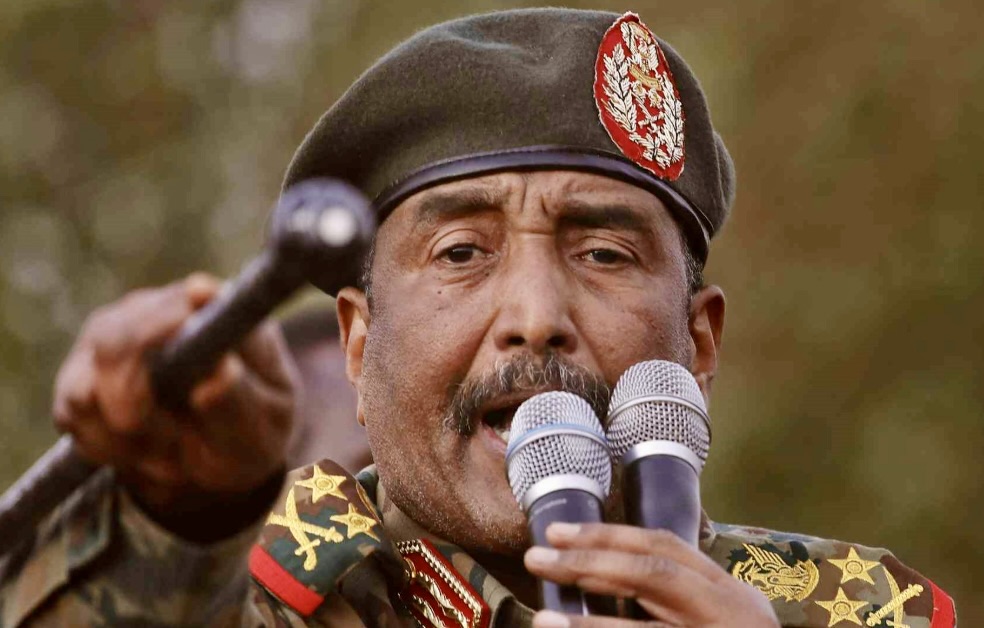 1) Al-Burhan seeks security cooperation with Washington in exchange for abandoning the Quartet
Sudan’s intelligence chief, Lt-Gen Ahmed Ibrahim Mufaddal, held unannounced talks with US security and military officials in early January, diplomatic sources said, in a move initiated by army chief Abdel Fattah al-Burhan to revive security cooperation with Washington.
According to an informed source, the meetings were conducted in strict secrecy at Burhan’s request, with the aim of restoring intelligence ties similar to those that existed between 2005 and 2012 during the presidency of Omar al-Bashir, when cooperation was led by former intelligence chief Salah Gosh.
Burhan had publicly signalled this approach in a Wall Street Journal article published last November, indicating Sudan’s readiness to work with the United States on counterterrorism efforts in the Red Sea and Horn of Africa.
The diplomatic source said Sudan’s military leadership views Washington as a “potential ally” and hopes to secure US backing by offering security cooperation in return for the United States stepping away from the Quartet mechanism’s political roadmap. However, the source noted that no breakthrough has been achieved, as Washington and its partners prioritise ending the war before advancing bilateral security arrangements.
In a separate development, Burhan reiterated his refusal to return to negotiations with Rapid Support Forces commander Mohamed Hamdan Dagalo, known as Hemedti, in an article published on January 24 in the Turkish outlet Almanak Diplomatik.
Meanwhile, a senior British delegation met Burhan in Port Sudan to discuss the conflict and bilateral relations. Britain’s special envoy to Sudan, Richard Crowder, said London stands with the Sudanese people and is working to support security, humanitarian relief, and recovery, while urging an urgent ceasefire and protection of civilians, particularly in El Fasher.
Crowder added that the UK, which will assume the presidency of the UN Security Council next month, is coordinating closely with the United States and international partners to end the conflict and will co-host a conference with Germany in April to support Sudan.
Burhan has also intensified regional security engagement, receiving Egypt’s intelligence chief in Port Sudan for talks on counterterrorism, Red Sea security, and regional stability, as well as coordination to facilitate humanitarian aid amid Sudan’s deepening crisis.
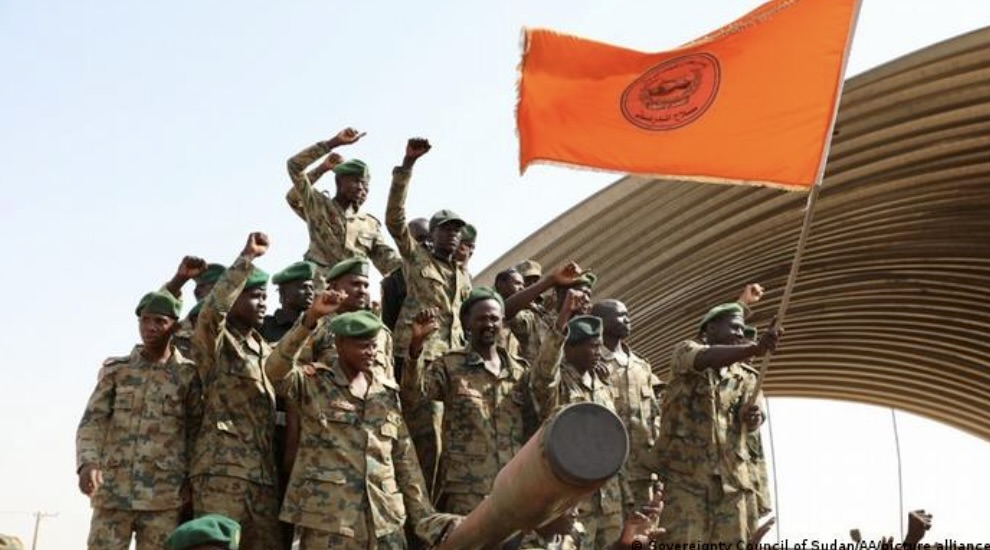 2) Sudanese army announces lifting of siege on Dilling
The Sudanese Armed Forces announced the lifting of the siege on the city of Dilling in South Kordofan State after more than two years, following military operations that reopened key supply routes from North Kordofan.
According to the army, forces successfully linked up on Monday, January 26, after taking control of Habila town, about 30 kilometres east of Dilling, following clashes with the Rapid Support Forces (RSF) and their allies in the SPLM-N.
The reopening of the eastern road allows commercial traffic and humanitarian aid to reach Dilling, which has faced severe shortages and the threat of famine since mid-2025 due to a prolonged blockade.
Residents welcomed the development, describing it as a critical relief after months of isolation, rising prices and shortages of basic goods, though concerns remain over the sustainability of the access.
Meanwhile, humanitarian agencies warned that displacement continues in South Kordofan, with new waves of civilians fleeing Kadugli due to ongoing fighting and drone strikes.
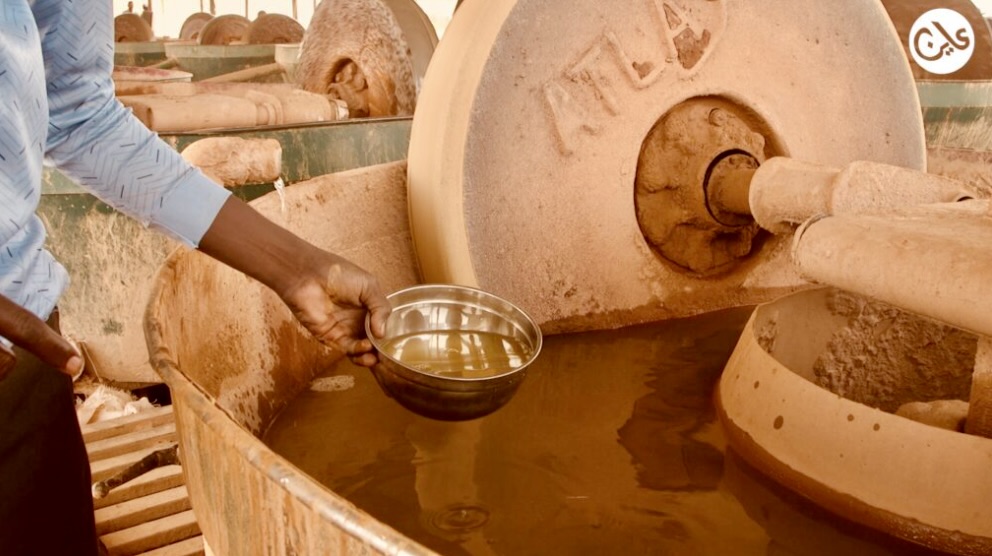 3) Gold prices surge past half a million pounds, raising smuggling fears
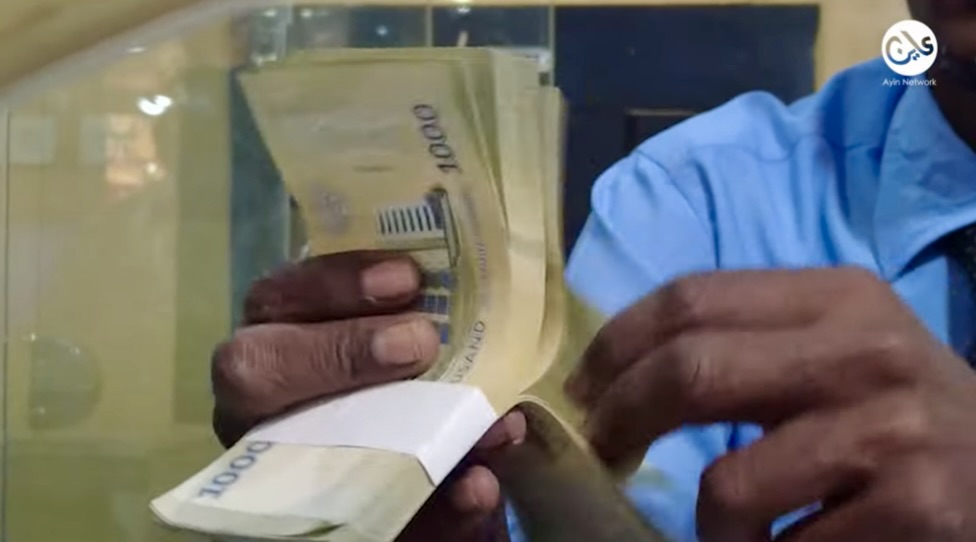
The price of a gram of gold in Sudan has exceeded 500,000 Sudanese pounds, tracking a global surge driven by rising demand and declining confidence in the US dollar.
Economic analyst Ahmed bin Omar said Sudan’s gold market is closely tied to international prices, particularly those in Dubai, with local rates calculated based on the dirham’s value in the parallel market.
Gold prices jumped from 480,000 to 503,000 pounds within a week, amid increased hedging by investors and central banks following global economic uncertainty.
Finance Minister Jibril Ibrahim has previously said Sudan produces around 70 tonnes of gold annually, but most of it is lost to smuggling networks. Economists warn that higher prices could further incentivise illegal exports, costing Sudan billions of dollars annually and undermining state revenues.
 4) Heavy clashes erupt in Sudan’s Blue Nile region
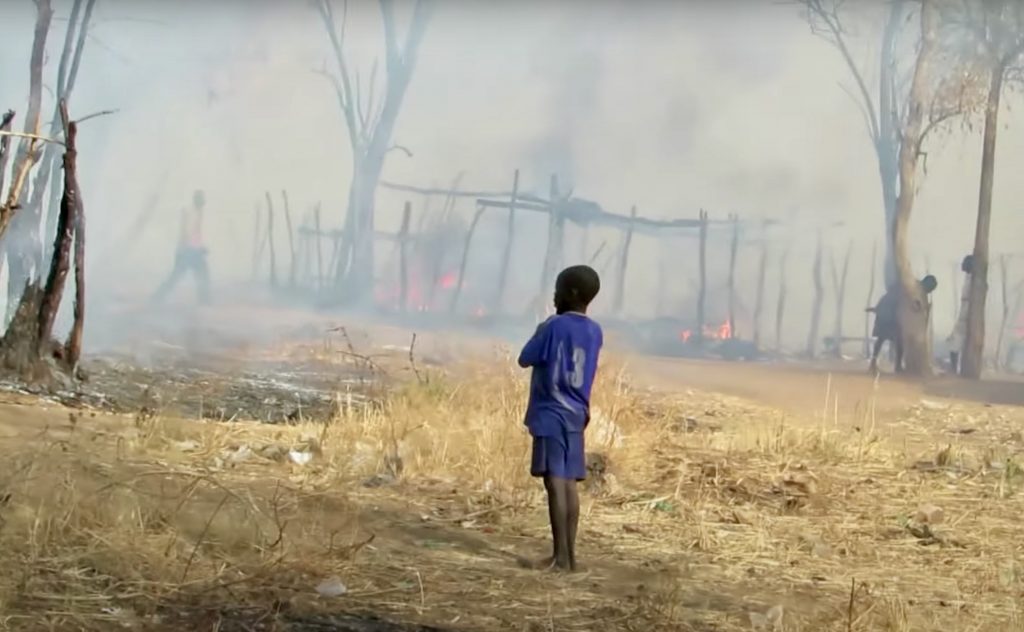
Violent clashes erupted in several towns in Sudan’s Blue Nile State over the weekend, as fighting intensified between the Sudanese army and the Rapid Support Forces near the border with South Sudan.
The army’s 4th Infantry Division in Damazin announced it had regained control of the Al-Silik area west of the Blue Nile, declaring an end to RSF presence there after what it described as heavy losses among the attackers.
Local sources said the RSF launched coordinated attacks on the towns of Silk, Ahmar Silk and Malken using heavy artillery, armoured vehicles and infantry units.
The assault was reportedly a response to intensified army air raids earlier this month in the Yabus area, close to the Ethiopian border.
Researchers and humanitarian observers warned that renewed fighting in the Baw locality could displace tens of thousands of civilians, many of whom depend on farming and pastoral livelihoods.
They cautioned that further regional involvement could destabilise neighbouring South Sudan and worsen an already fragile humanitarian situation.
 5) Tensions flare between citizens and police in Kassala
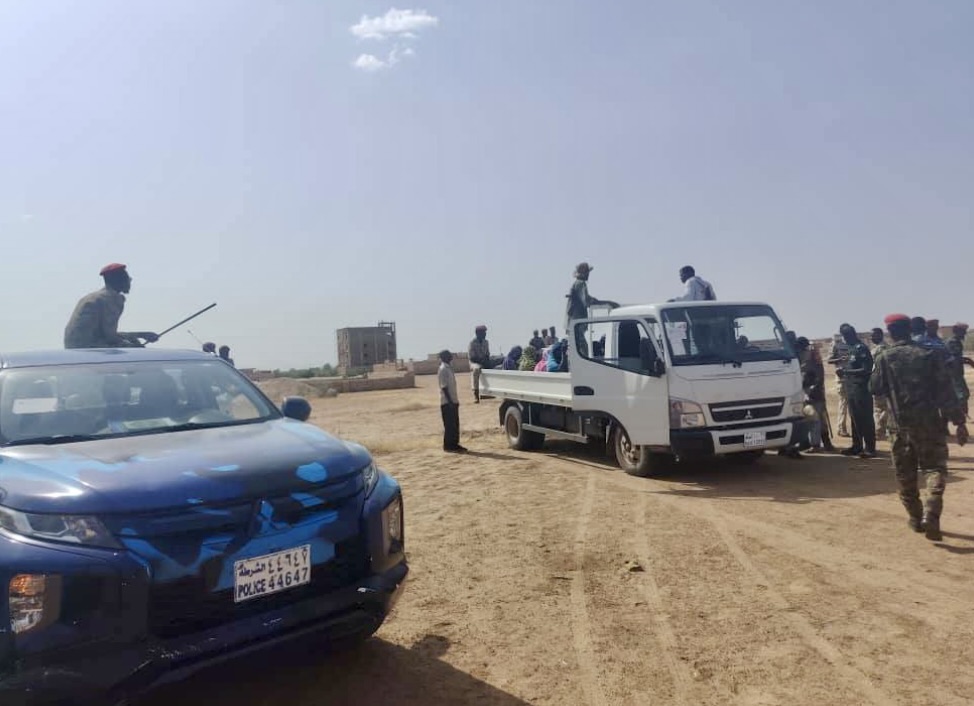
Tensions flared in western Kassala State after confrontations broke out between anti-smuggling police forces and residents of Qarqaf town near the Eritrean border.
Local residents said the unrest began after police arrested a villager, prompting dozens of residents to gather in protest and leading to clashes with security forces.
The situation escalated when some protesters attempted to set fire to a police camp, causing partial damage before authorities intervened. Police later arrested dozens of people in connection with the unrest, while confirming that operations to combat smuggling along the eastern borders would continue.
Activists criticised what they described as heavy-handed security measures, warning that aggressive enforcement risks inflaming tensions in economically marginalised border communities.
The Interior Ministry has recently announced plans to deploy additional equipment and vehicles to tighten border controls amid rising smuggling activity.
 6) Bureaucratic delays stall Wadi Halfa water upgrade project
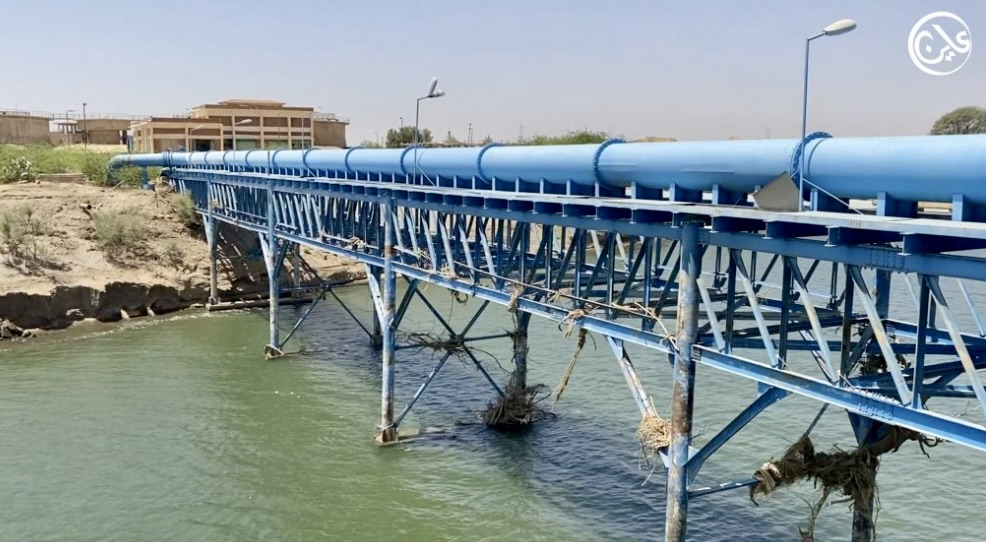
For the fifth consecutive year, efforts to modernise the drinking water network in Wadi Halfa city have stalled amid what local activists describe as persistent bureaucratic obstruction by federal authorities.
The northern border city continues to suffer chronic water shortages due to an aging distribution network and the poor performance of its main water treatment plant.
In early 2025, Wadi Halfa locality reached an agreement with UNICEF to rehabilitate the water station and transmission network, with partial funding secured and equipment arriving months ago.
However, members of resistance committees say the project has been deliberately blocked within federal institutions, preventing the release of approvals needed for implementation.
Officials warn that the cost of the project could reach $10 million and that further delays risk the collapse of donor commitments.
Volunteers say the worsening water crisis could trigger a serious health and environmental disaster, particularly as the city’s population grows due to displacement.
8) Aid workers warn of starvation and displacement in North Darfur
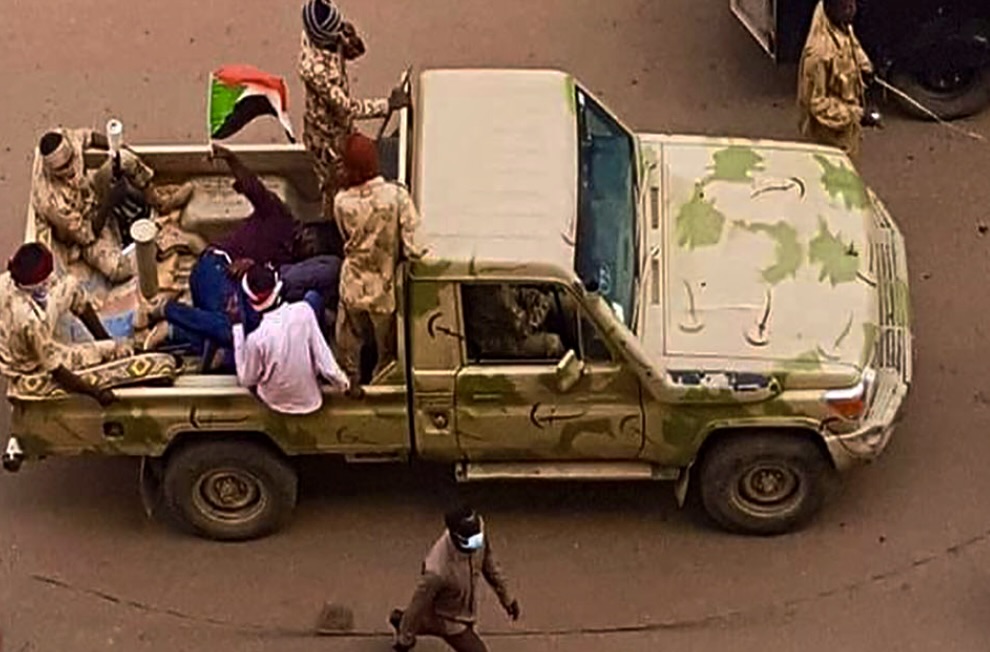
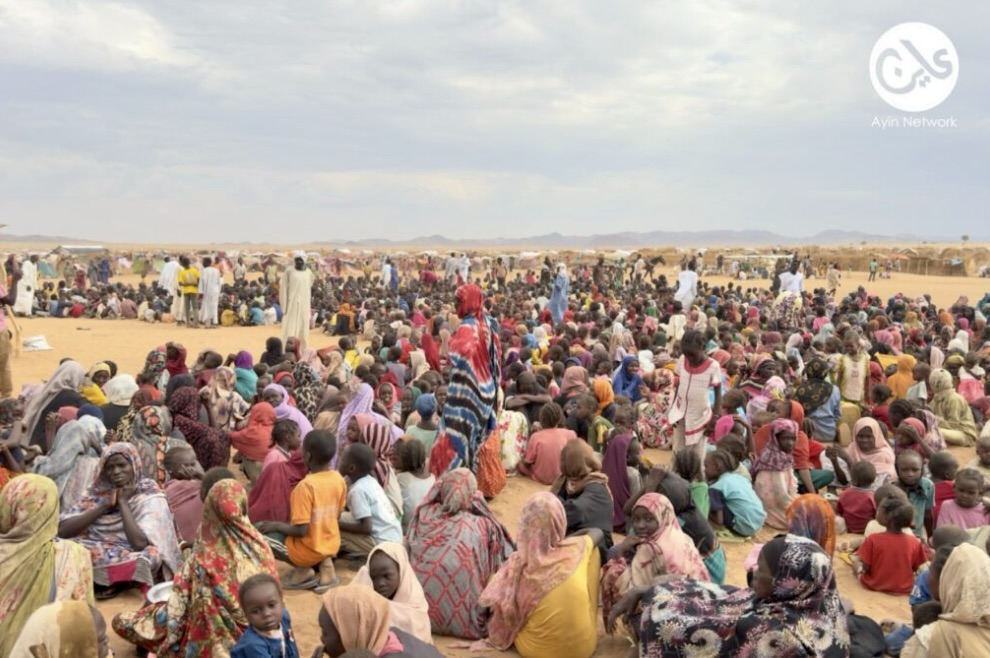
Humanitarian agencies warned that thousands of civilians in North Darfur face starvation or forced displacement following renewed RSF attacks on villages in Karnoi, Um Baru and Al-Tina localities.
The UN Office for the Coordination of Humanitarian Affairs said it has been unable to reach the affected areas, leaving at least 2,000 families trapped amid active fighting.
Local emergency rooms reported that many civilians have fled into desert areas, where they lack food, water, shelter and medical care.
Aid workers estimate that up to 50,000 people have been affected by the violence, with many attempting to flee toward the Chadian border. Humanitarian sources warned that insecurity has made relief operations nearly impossible.
Activists say pregnant women, children and the elderly are among the most vulnerable as the crisis deepens.
 9) Khartoum government moves to recover looted vehicles
Khartoum State authorities announced plans to collect tens of thousands of looted and abandoned vehicles left behind during two years of fighting in the capital. Officials said the vehicles will be gathered at designated centres and returned to their owners through legal procedures once ownership is verified.
The move comes as government institutions gradually resume operations in Khartoum following the return of the Sovereignty Council and Council of Ministers earlier this month.
The Central Bank has also reopened its headquarters, restoring electronic banking and clearing services for the first time since mid-2023.
Residents reported partial restoration of electricity in several neighbourhoods, raising cautious hopes of a broader return of basic services.
 10) South Sudan army orders civilian evacuations amid clashes
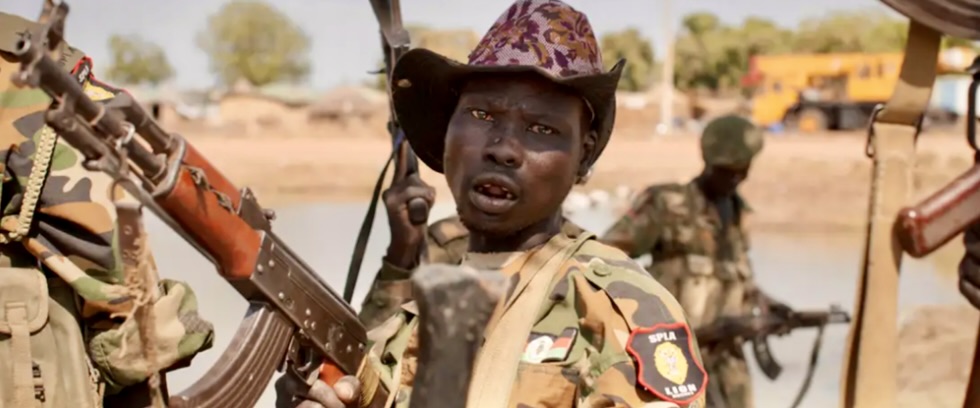
South Sudan’s army has ordered civilians to evacuate three areas in Jonglei State, signalling preparations for a large-scale military operation against opposition forces.
The army called on residents of Nierol, Uror and Akobo to move to government-controlled areas and asked UN peacekeepers and aid agencies to leave within 48 hours.
The United Nations described the clashes as the most violent since 2017, reflecting a sharp deterioration in security conditions. Despite the evacuation order, UNMISS said its peacekeepers remain deployed in Akobo to prevent further escalation.
Doctors Without Borders confirmed it had evacuated staff after receiving security warnings from authorities.
Fighting has intensified as forces loyal to Vice President Riek Machar confront government troops near the Ethiopian border.
 11) IOM: Over 3.3 million displaced people return to Sudan
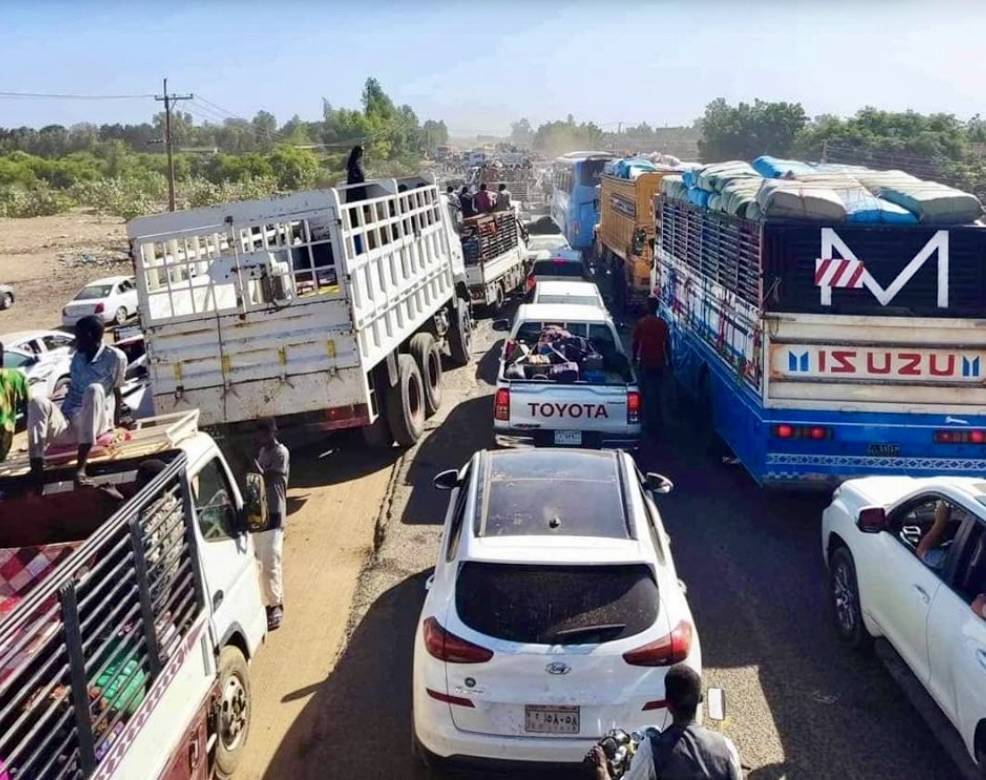
The International Organization for Migration said more than 3.3 million displaced people have returned to their areas of origin across Sudan, despite ongoing conflict.
According to its latest Displacement Tracking Matrix report, Sudan still hosts over 9.2 million internally displaced people spread across more than 11,000 locations.
Children make up more than half of the displaced population, underscoring the severe humanitarian toll of the war.
The report noted a modest decline in displacement nationwide, though increases were recorded in several conflict-affected states.
Return movements rose by 10 percent compared to the previous month, mainly involving people previously displaced within Sudan. The IOM warned that returns are occurring amid limited services, insecurity and fragile living conditions.
 12) Sudan approves 2026 emergency budget, targets inflation
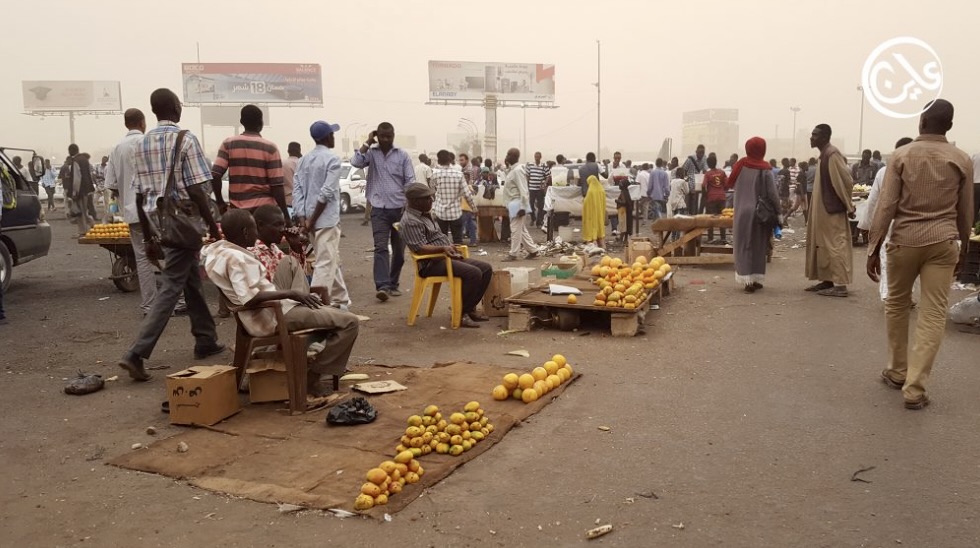
Sudan’s Sovereignty Council and Council of Ministers approved the emergency budget for 2026 during a joint meeting in Khartoum, the first since the outbreak of war in April 2023.
The government described the meeting as a milestone in the gradual return of executive institutions to the capital.
Prime Minister Kamil Idris said the budget aims to achieve economic growth of about 9 percent and reduce annual inflation to 65 percent. Officials did not disclose detailed budget figures, citing wartime priorities and security considerations.
Most public spending continues to be directed toward military operations, salaries and basic administration. The joint council is temporarily exercising parliamentary powers until a legislative body is formed.
 13) Teachers’ Committee and UNICEF: The education disaster continues in Sudan
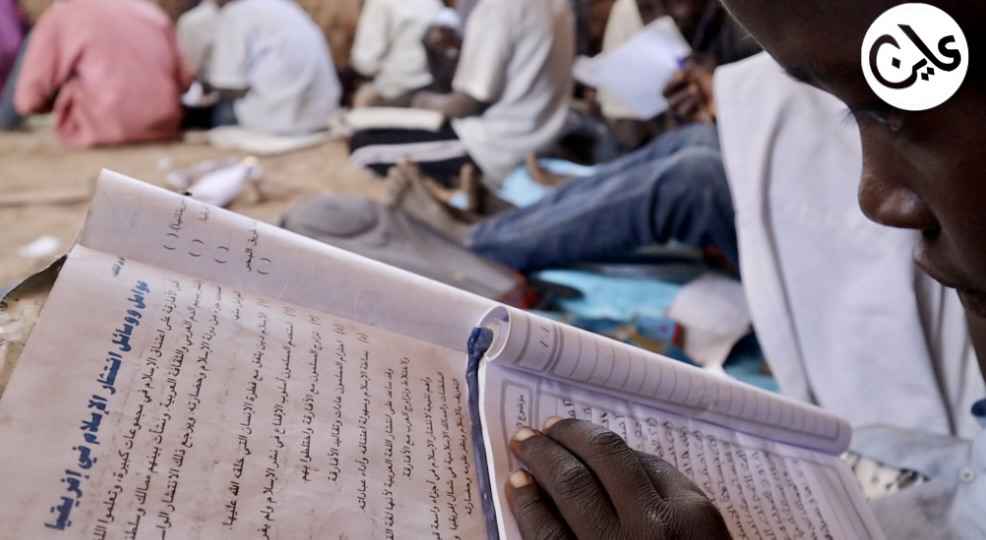
The Sudanese Teachers Committee warned that the scale of the country’s education crisis is far greater than recent international estimates suggest. The committee said millions of children were already out of school before the war, with numbers rising sharply after April 2023.
Schools remain closed across Darfur, parts of Kordofan and other conflict-affected regions, while reopening elsewhere has been limited and inconsistent.
Teachers criticised what they described as the use of misleading figures that understate the disaster. They warned that prolonged disruption threatens a generation of children with permanent educational loss.
UNICEF estimates eight million children are currently out of school nationwide.
14) Returnees to Khartoum face soaring home repair costs
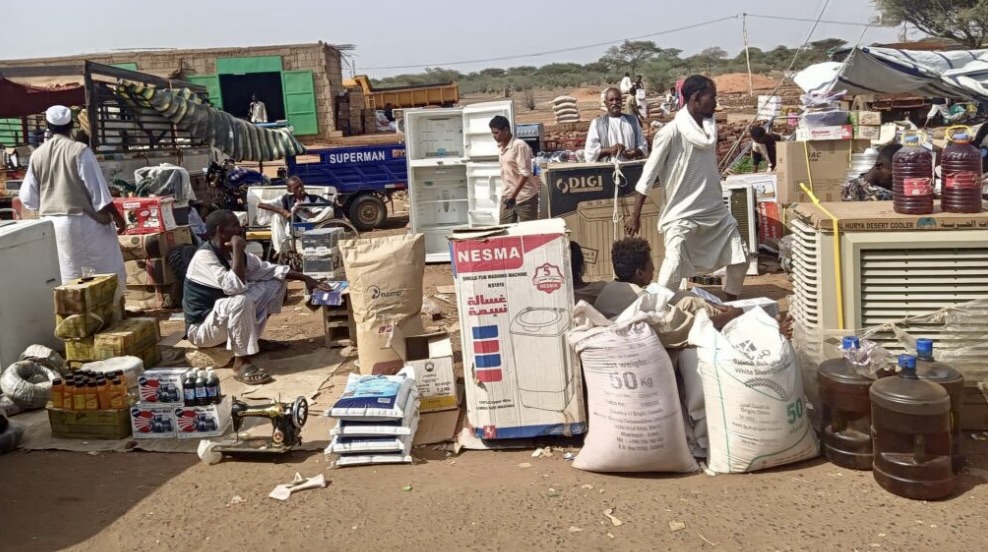
Sudanese families returning to Khartoum face enormous costs to repair homes looted and damaged during RSF control of large parts of the capital.
Returnees say looting extended beyond furniture to include doors, windows, electrical wiring and water infrastructure. Some residents reported spending tens of billions of Sudanese pounds on repairs, including costly solar power systems due to the collapse of public electricity networks.
Even after rehabilitation, many homes remain unfurnished due to the high cost of replacing stolen appliances.
The financial burden is delaying family reunifications and slowing the broader return to the capital. Residents say meaningful recovery will depend on compensation mechanisms and restored public services.