

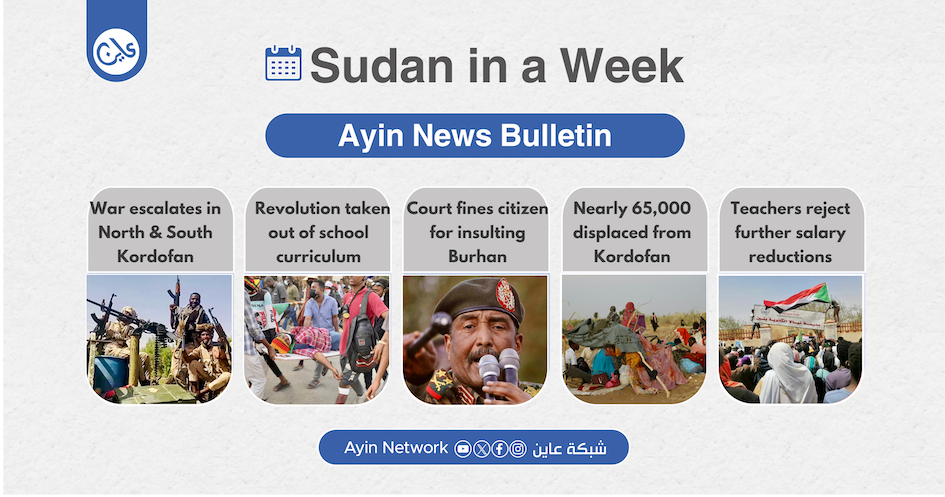
Sudan in a week: Ayin News Bulletin #15
7 January 2025
To keep our readers informed of the multitude of events taking place in Sudan amidst the ongoing, devastating war, we have developed a series of weekly news briefs, covering nine major topics of the week.
In this week’s edition:
- A week of military escalation in North and South Kordofan
- Controversy over removal of December revolution from school curricula
- Drone warfare intensifies across Kordofan, Darfur and Northern State
- Court fines citizen for insulting Sudan’s army chief online
- Sudanese political forces unveil new charters in push for civilian unity
- Court halts sale of public square in New Halfa
- Old currency remains in circulation despite central bank’s withdrawal plan
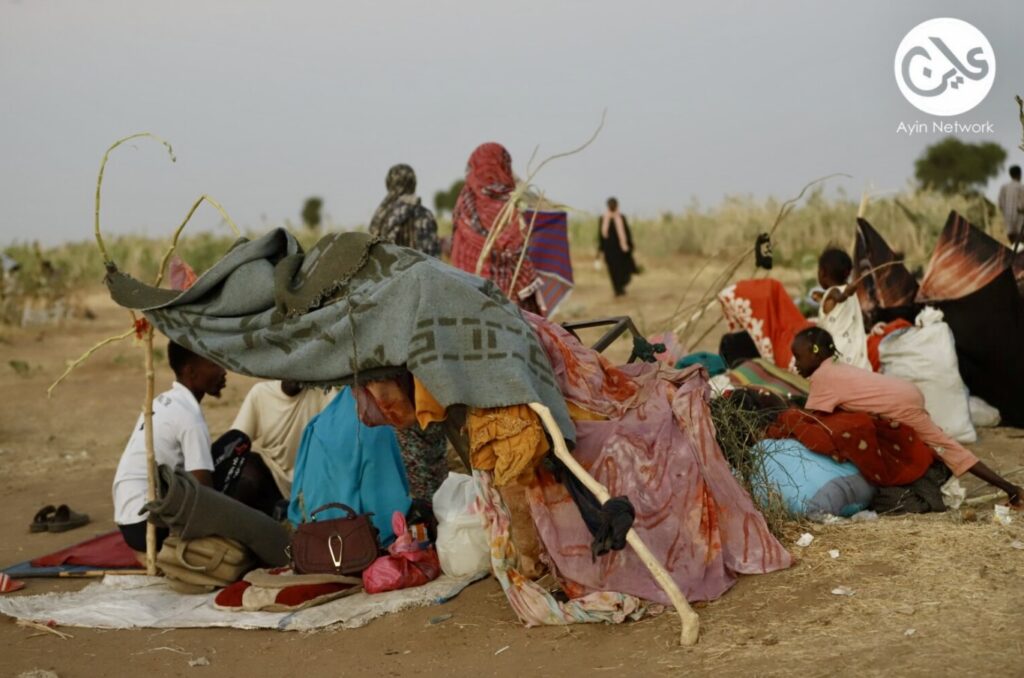
- Nearly 65,000 displaced from Kordofan region in two months
- Teachers reject salary deductions and threaten legal action
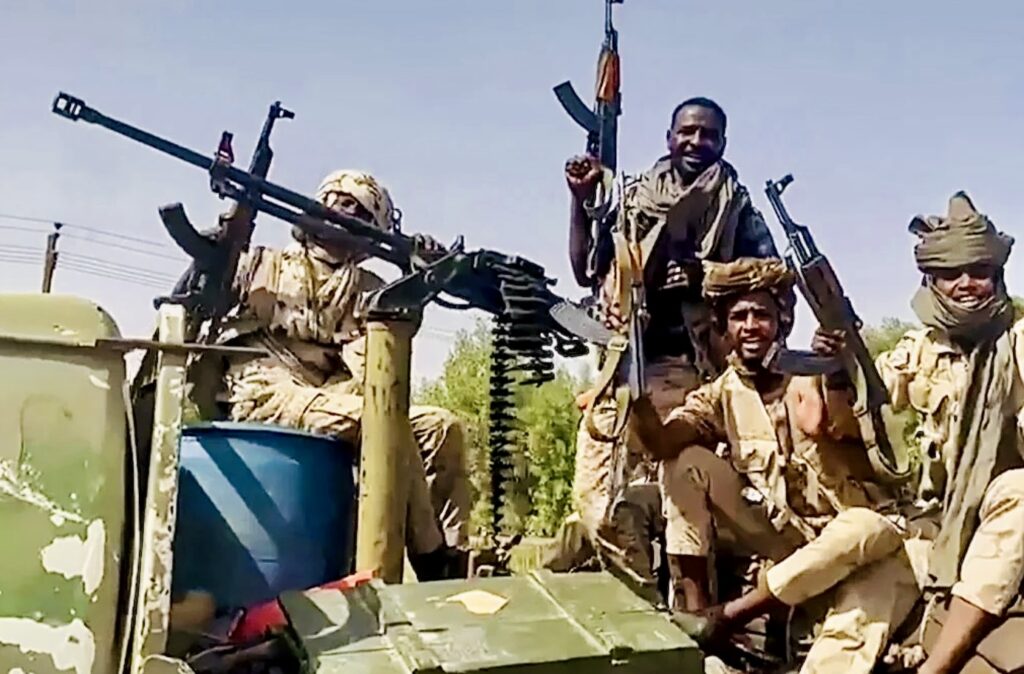 1) A week of military escalation in North and South Kordofan
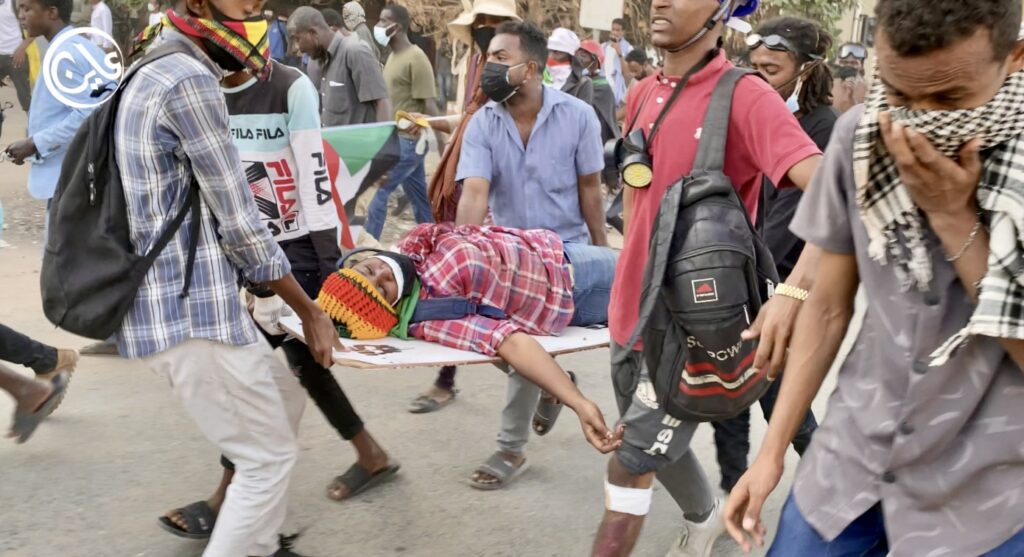 2) Controversy over removal of revolution from school curricula
A wave of controversy has swept Sudan after education authorities in Kassala and Red Sea states ordered the removal of references to the December Revolution and its slogans from primary school textbooks, sparking accusations of historical erasure and political censorship.
The directives mandate deleting a lesson titled “Freedom, Peace and Justice” from the fourth-grade Arabic curriculum, along with an essay on the December Revolution and parts of the “My Country” unit for third-grade pupils. Additional units were also removed from fourth- and fifth-grade textbooks.
An informed education source told Ayin that identical instructions were circulated in Red Sea State and are likely to be expanded nationwide, as they stem from recommendations by technical committees formed by the federal Ministry of Education to review school curricula.
In September 2025, Education Minister Al-Tohami Al-Zein Hajar established a high-level committee to reassess general education curricula, raising concerns that similar deletions may extend to intermediate and secondary schools.
The transitional government that followed the 2019 overthrow of Omar al-Bashir had previously amended curricula to include material documenting the December Revolution and its slogans.
Sayed Abdel Rahman Tamba, head of the teachers’ committee in Kassala, said educators were “shocked” by the decision, describing it as an illegitimate attempt to erase the values and aspirations of the revolution.
The Sudanese Teachers’ Committee in Kassala rejected the changes outright, warning they represent a dangerous effort to silence dissent and rewrite history.
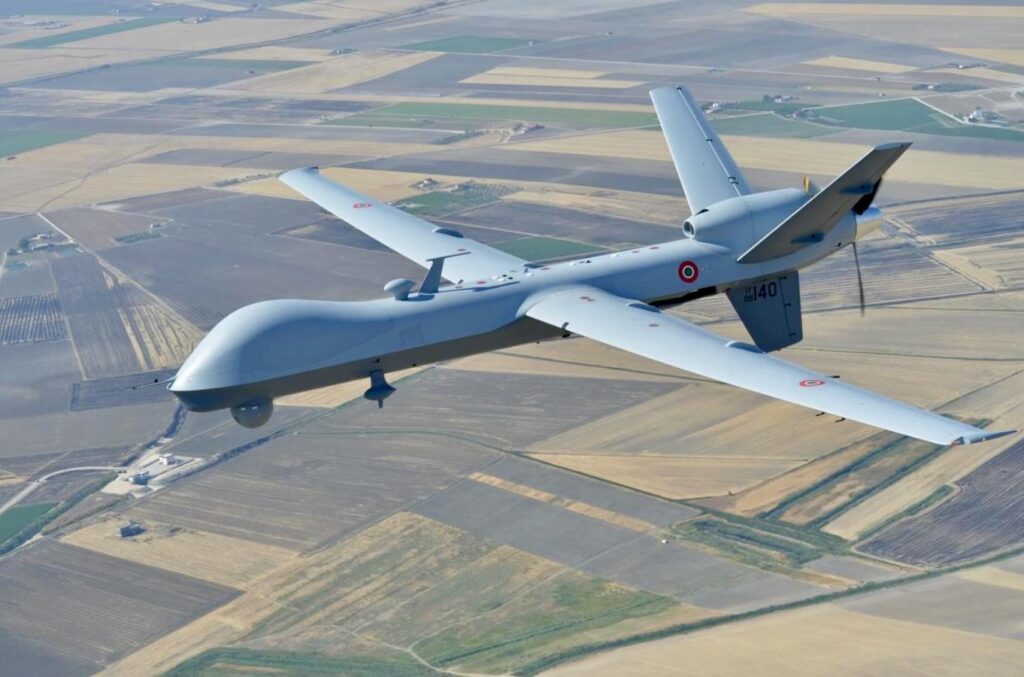 3) Drone warfare intensifies across Kordofan, Darfur and Northern State
Sudan has witnessed a sharp escalation in drone attacks across Kordofan, Darfur and the Northern State, causing hundreds of civilian casualties in what observers describe as the most intense wave of violence in recent months.
In South Kordofan, the city of Dilling has been repeatedly targeted by drone strikes attributed to the Rapid Support Forces (RSF) since early January. Local officials confirmed increased drone activity along the Dilling–Kadugli road, prompting concern from the UN humanitarian coordination office.
In North Kordofan, a suicide drone struck the El Obeid power station on January 4, briefly disrupting services before repairs were completed. Aid workers say both sides are increasingly relying on drones as ground fighting declines.
In Darfur, the Sudanese army launched drone strikes on RSF logistics warehouses and fuel depots in Nyala and Kulbus, while the RSF accused the army of deadly raids on multiple locations in North Darfur State.
At least 40 people were reported killed in Al-Firdous, including senior RSF figures. Musa Hilal, leader of the Revolutionary Awakening Council, described the incident as a massacre, placing primary blame on the RSF while not ruling out army involvement.
In the Northern State, the army said it intercepted drone swarms targeting Merowe’s air base, dam and military headquarters, underscoring the widening geographic scope of drone warfare.
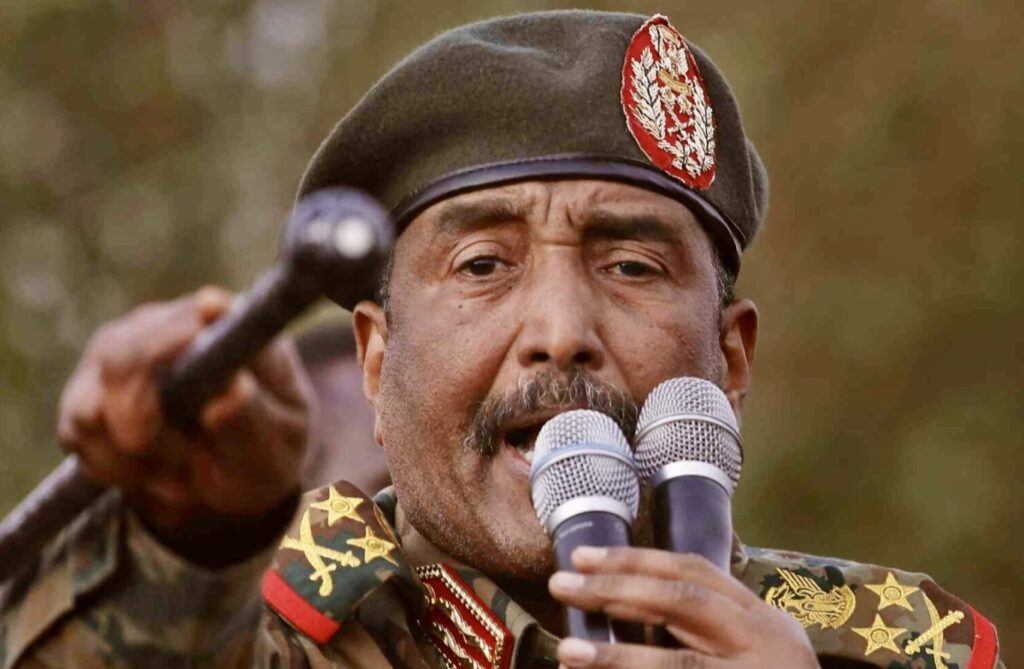 4) Court fines citizen for insulting Sudan’s army chief online
A criminal court in Dongola has fined a Sudanese citizen one million Sudanese pounds (roughly $249) for insulting army chief and Sovereignty Council chairman Abdel Fattah al-Burhan on social media.
Judge Mohamed Taj Fadl Elsayed ruled that Omar Al-Tayeb must pay the fine or serve six months in prison, citing evidence presented by prosecutors under Article 26 of the Information Crimes Law.
The case stems from a Facebook post published in December 2025, which authorities deemed offensive to the head of state.
Human rights activist Salam Hussein described the ruling as “a dangerous turning point,” warning it signals a new phase of silencing dissent amid expanded surveillance of online platforms.
The verdict follows amendments to Sudan’s Cybercrime Law approved in October 2025, introducing harsher penalties of up to ten years in prison for online offences.
Activists say the law is increasingly used in army-controlled areas to suppress calls for ending the war and restoring civilian rule.
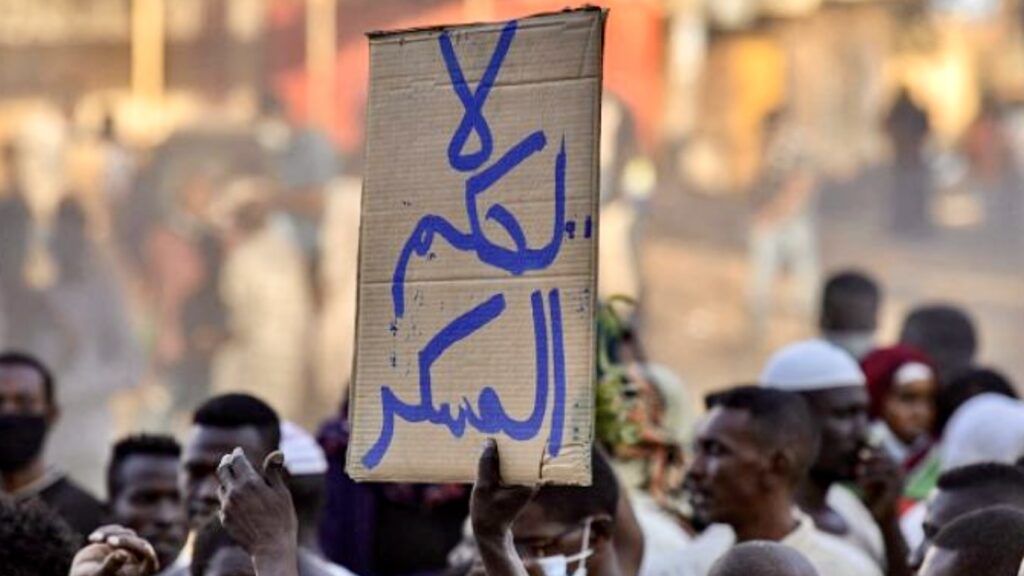 5) Sudanese political forces unveil new charters in push for civilian unity
Sudanese political and civil forces have launched parallel initiatives aimed at ending the war and rebuilding a unified civilian front, amid growing public disillusionment with fragmented opposition groups.
The Alliance of Radical Change Forces announced a new charter calling for an immediate ceasefire, the dissolution of militias, the completion of the December Revolution’s goals and the preservation of Sudan’s territorial unity.
Alliance spokesperson Mohammed Al-Saigh said the charter remains open for discussion with revolutionary forces and stresses reliance on international support only as a complementary factor.
Meanwhile, political parties and civil society groups meeting in Cairo signed the “Cairo Charter,” which prioritises ending the war and establishing a unified civilian centre through dialogue.
The charter commits signatories to justice, accountability and reparations for victims, while coordinating diplomatic engagement to pressure for a ceasefire and constitutional rule.
Major parties and professional bodies endorsed the document, describing it as a step toward silencing the guns and restoring civilian life.
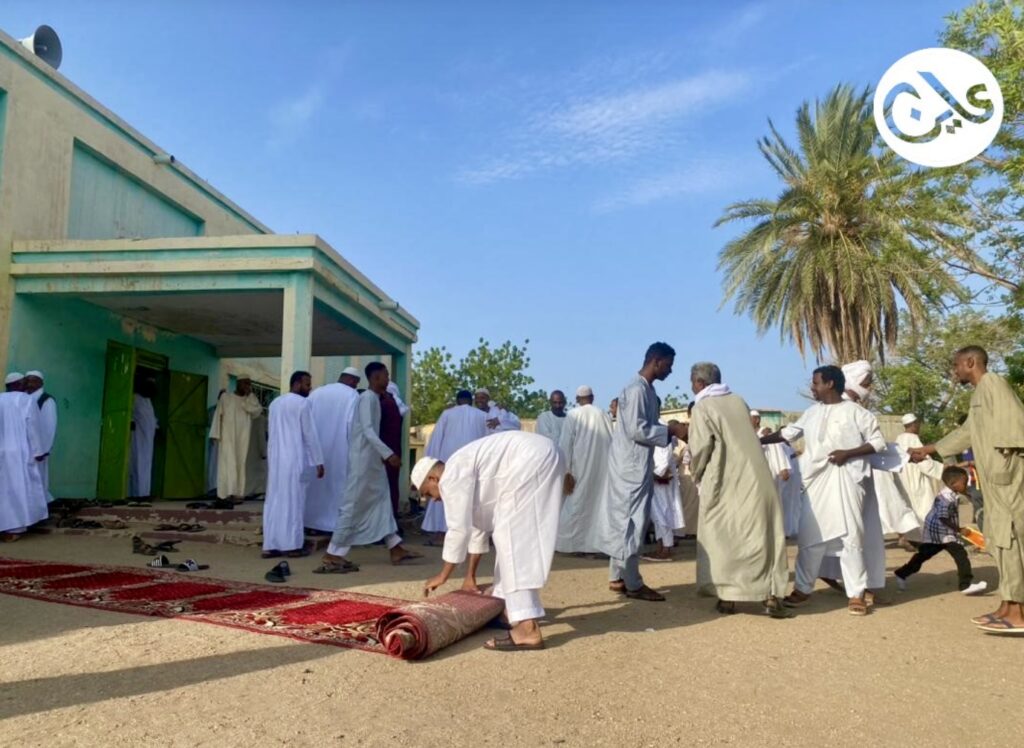 6) Court halts sale of public square in New Halfa
An administrative court in New Halfa has ordered a temporary halt to the sale of a major public celebration square after residents challenged the government’s decision to convert it into commercial shops.
The square, located in Block 5 and dating back to the 1960s, spans about 33,000 square metres. The Ministry of Infrastructure in Kassala State surprised the citizens by allocating 179 shops on the land.
After failed appeals to local authorities, residents filed a legal challenge, prompting the court to freeze all transactions until a final ruling is issued.
The court rejected a government request to lift the suspension, despite claims that the decision affected state revenues.
Residents called on the public to attend the next hearing, denouncing what they described as corruption and the systematic sale of public spaces.
Similar disputes have erupted across Sudan as cash-strapped local governments seek new revenue sources.
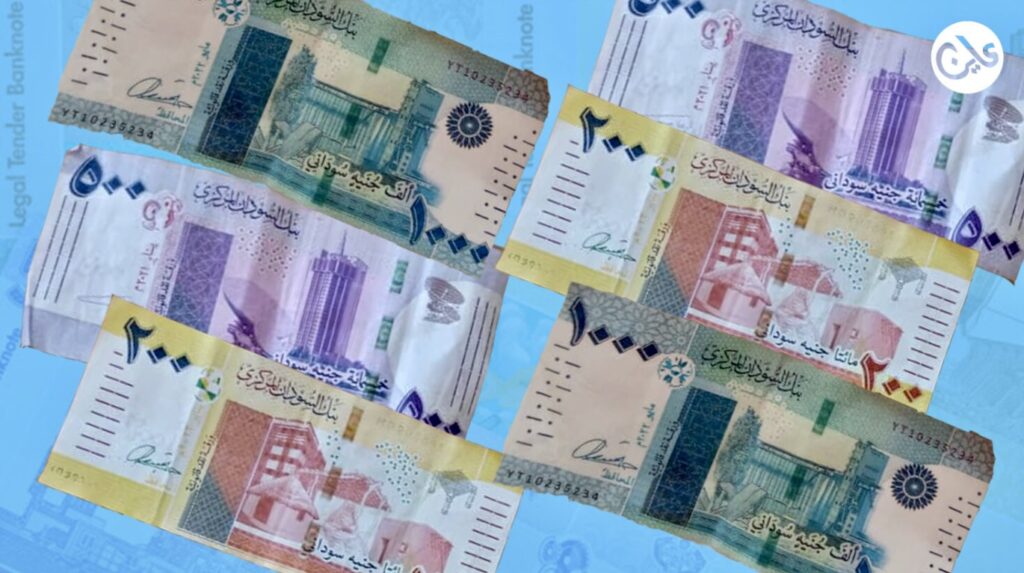 7)
7)  8) Nearly 65,000 displaced from Kordofan region in two months
The International Organisation for Migration reports that the displacement of nearly 65,000 people from Sudan’s Kordofan region occurred between late October and the end of December 2025.
The Displacement Tracking Matrix recorded 42,780 displaced persons in North Kordofan, 21,860 in South Kordofan, and 250 in West Kordofan.
A total of 56 displacement incidents were documented across 18 localities, the majority linked directly to fighting between the Sudanese army and the Rapid Support Forces.
Two incidents were caused by fires, displacing more than 500 people in West and South Kordofan.
The IOM warned that continued insecurity is forcing civilians to flee within and beyond state borders, while humanitarian access remains severely constrained.
 9) Teachers reject salary deductions and threaten legal action
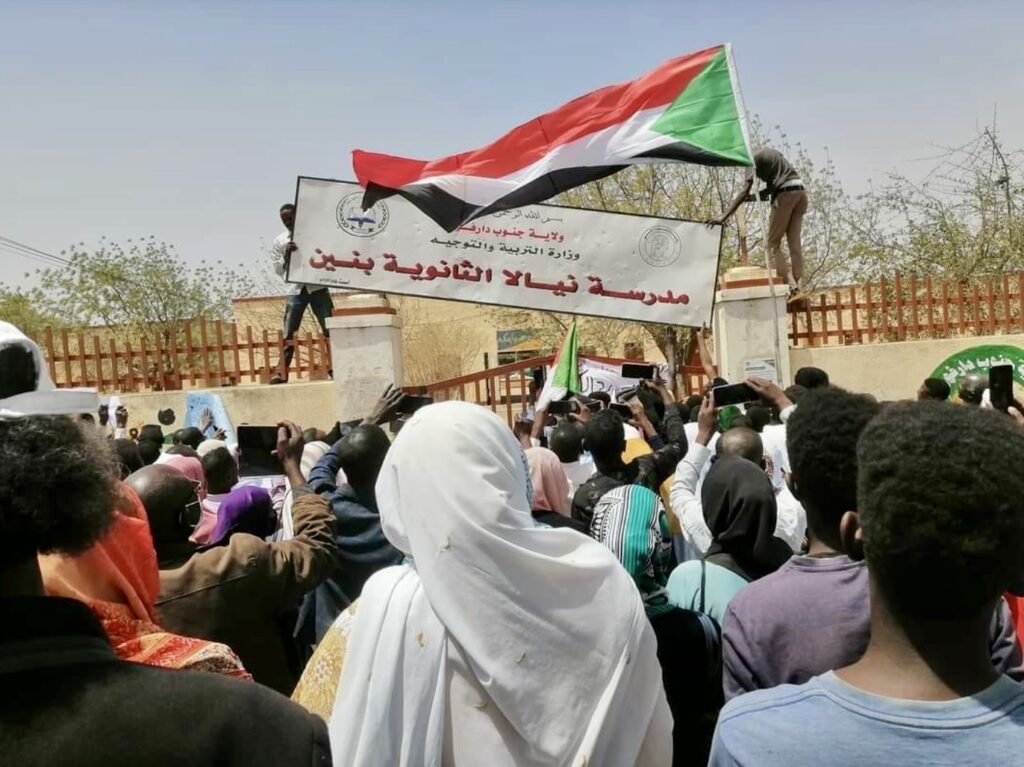
The Sudanese Teachers’ Committee has rejected renewed salary deductions under the name “Sheikan Insurance,” calling the move an attempt to revive exploitative practices from the former regime.
The committee said teachers previously endured 13 unlawful deductions totalling nearly 30 percent of their wages, most of which were abolished after the December Revolution.
Members questioned the transparency, coverage and legality of the insurance scheme, particularly the exclusion of cancer patients.
The committee accused an “illegitimate union” of imposing deductions without consultation or authorisation.
Warning of legal action, teachers demanded an immediate suspension of all deductions until full terms are disclosed and fair coverage guaranteed.
The committee also criticised the 2026 budget, noting stagnant wages, unpaid arrears, and an education crisis that has forced thousands of teachers out of their professions and left millions of children without schooling.