


Sudan in a week: Ayin News Bulletin #11
9 December 2025
To keep our readers informed of the multitude of events taking place in Sudan amidst the ongoing, devastating war, we have developed a series of weekly news briefs, covering nine major topics of the week.
In this week’s edition:
- South Kordofan: Intensifying Battles amidst a humanitarian crisis
- Kassala: Armed robbery and gang rape sparks outrage
- China withdraws from Sudan’s oil sector as RSF advances
- Burhan and Minawi renew political alliance
- Authorities restrict family departures from El-Obeid
- ICC sentences Ali Kushayb to 20 years
- RSF arrest campaign after Katila airstrike
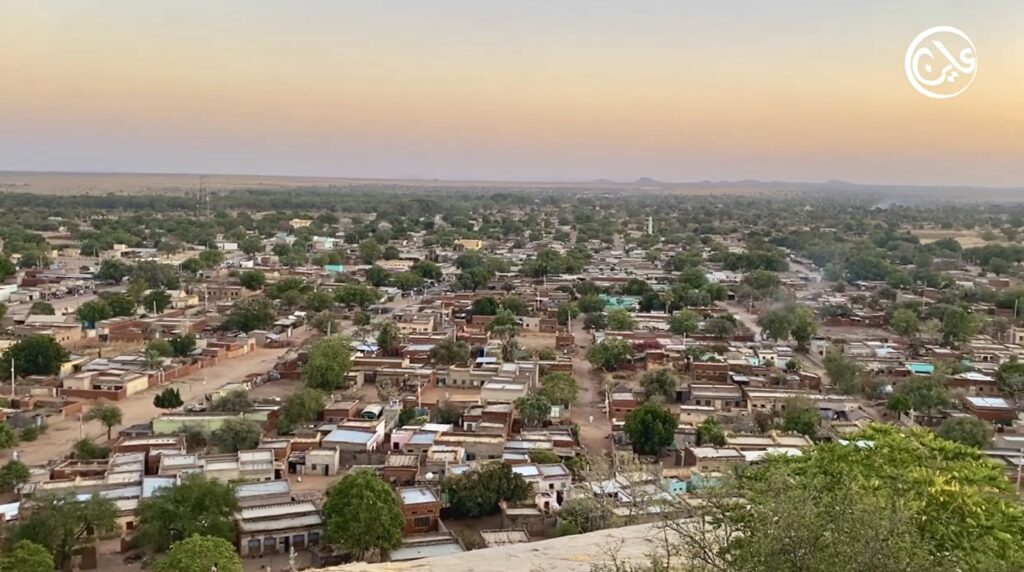 1) South Kordofan: Intensifying battles amidst a humanitarian crisis
Military developments escalated sharply in South Kordofan last week as the end of the rainy season reopened ground operations for the Rapid Support Forces (RSF) and their ally, the SPLM-N. The Sudanese Armed Forces (SAF), now operating defensively after months of offensive action, launched coordinated air and ground strikes to reinforce positions around Kadugli. The renewed clashes have deepened the state’s humanitarian strain and endangered this year’s agricultural harvest.
On 5 December, RSF and SPLM-N forces seized the Keiga al-Khail garrison north of Kadugli, a key forward post of SAF’s 14th Infantry Division. Residents fled in large numbers from Keiga and nearby villages after the takeover. The area has repeatedly changed hands throughout the conflict, reflecting its strategic value.
Kadugli now faces heightened siege conditions. RSF control over the Dubeibat highway and disrupted routes through West Kordofan have left the city nearly isolated. Civilians reported growing panic as RSF-aligned forces advanced from the north and west, prompting renewed displacement toward Um Dulu, Al-Karkal, and Dilling.
Local activists told Ayin that authorities warned Miri-area residents to evacuate and simultaneously barred Kadugli families from leaving the city—forcing many to flee covertly at night. Residents fear imminent large-scale fighting around the 14th Division headquarters.
Meanwhile, eastern South Kordofan experienced deadly drone strikes. A series of attacks on Kalogi on 4 December killed more than 90 people, including 43 children, according to local sources. Witnesses said a drone struck a kindergarten and then bombed crowds gathering after the first blast.
Medical workers reported that several of the injured died en route to Abu Jubeiha Hospital due to the difficult, unpaved roads. Emergency teams offered free treatment, but conditions remain dire amid disrupted communications and growing displacement.
Further south, fighting intensified around Al-Abbasiya, while Dilling remained relatively calm despite continued siege conditions. Supply routes have been cut since the RSF seized Babanusa, forcing hundreds of families to flee. Local activists say displaced civilians are moving toward SPLM-N areas and onwards to South Sudan, though the routes are dangerous and heavily restricted.
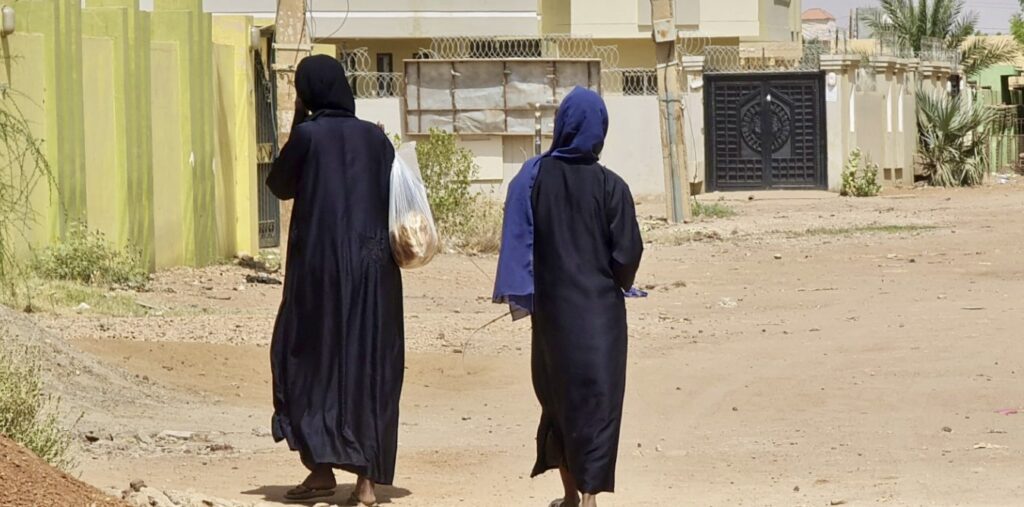 2) Kassala: Armed robbery and gang rape sparks outrage
Residents of Kassala were shaken when an armed group stormed a home in the Al-Halanga neighbourhood early on 5 December, looted the property, and gang-raped a young woman in front of her family. The incident has heightened fear in a city already struggling with rising lawlessness.
Witnesses told Ayin that the attack occurred around 4 am, when gunmen broke into the home and assaulted the family. The resident said the rape occurred after the perpetrators finished the robbery, leaving the neighbours shocked.
Authorities in Kassala State announced they had arrested three suspects linked to the incident. Charges were filed under Article 149 (rape) and Article 175 (armed robbery) of the Sudanese Criminal Code.
A government statement said security forces launched an immediate investigation, taking witness statements and conducting searches that led to the arrests. Further enquiries are ongoing.
Kassala residents say armed groups have proliferated since the outbreak of Sudan’s largest conflict, with some reportedly maintaining hideouts inside residential neighbourhoods. Locals are demanding the disbanding of these groups and restoration of security.
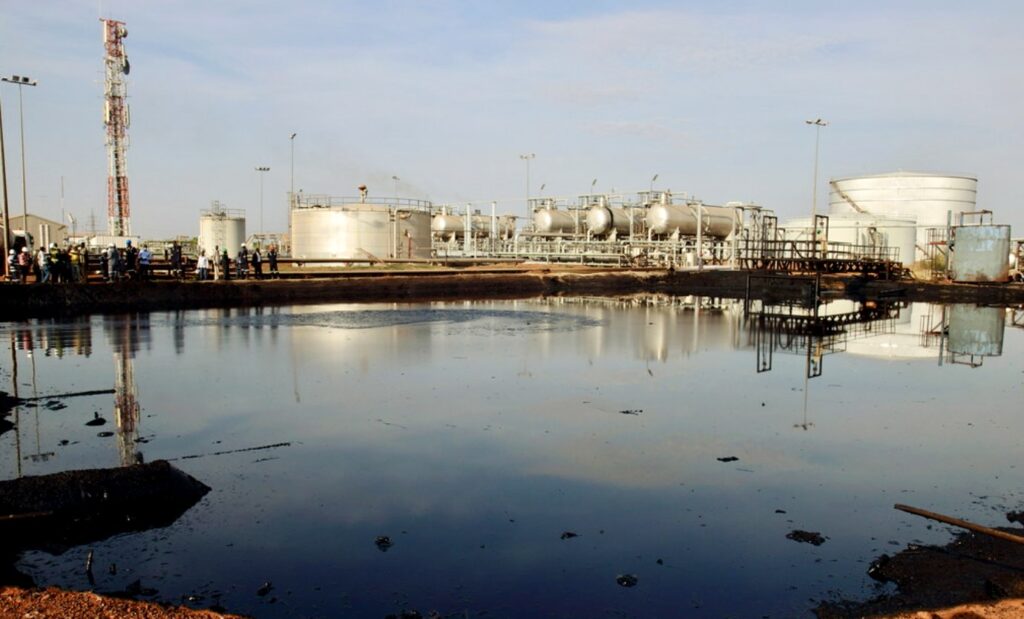 3) China withdraws from Sudan’s oil sector as RSF advances
Sudan and South Sudan are scrambling to protect vital oil infrastructure after the Rapid Support Forces advanced toward key fields in West Kordofan. China National Petroleum Corporation (CNPC) announced its withdrawal from the sector after three decades of involvement. The move comes amid escalating insecurity around the Heglig and Balila oil zones.
Tensions rose after RSF forces seized Babanusa on 1 December and later advanced into the vicinity of Heglig. On 8 December, SAF troops securing the Heglig field withdrew to South Sudan under a bilateral arrangement, avoiding confrontation near the installations.
CNPC formally notified Juba and Port Sudan that it would exit operations and requested urgent consultations. Industry officials say drone attacks on Heglig in November heightened concerns for company personnel and assets.
RSF declared full control of Heglig on 8 December and pledged to secure the facilities to ensure continued oil flow to South Sudan. South Sudan’s officials confirmed that their defence forces had moved near the field under prior agreements with the army to prevent infrastructure destruction.
Oil production in Heglig has already fallen from 60,000 barrels per day in 2018 to around 20,000 amid political turmoil and insecurity. Experts warn that workers and companies now require strong guarantees to continue operations.
West Kordofan’s local administrators are forming a specialised force to guard the field and restrict unauthorised access. Meanwhile, analysts note that South Sudan’s relations with the United Arab Emirates may influence RSF’s behaviour to prevent disruptions in oil exports.
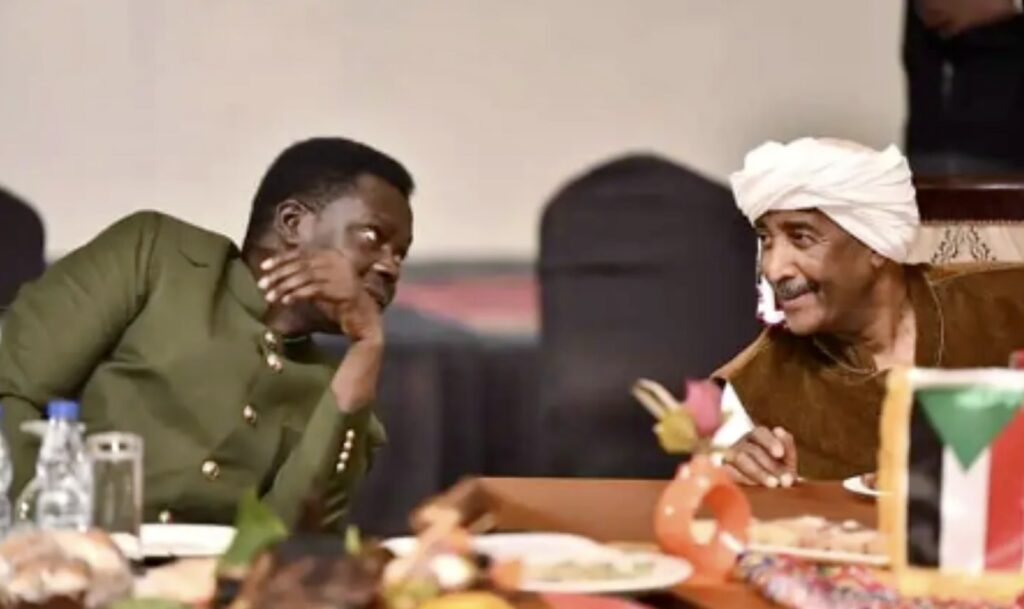 4) Burhan and Minawi renew political alliance
Sources in Port Sudan told Ayin that Sudanese army chief Abdel Fattah al-Burhan has forged a renewed alliance with Darfur governor and Sudan Liberation Movement leader, Minni Arko Minawi. The rapprochement places Minawi closer to military decision-making amid army setbacks in Darfur and Kordofan.
Relations had deteriorated earlier this year, when Minawi publicly criticised the army for failing to break the RSF siege at El Fasher. The loss of El Fasher, Bara, and Babanusa recently further strained confidence in SAF’s leadership.
According to sources, Burhan praised Minawi at a memorial event in late November, indicating a shift toward cooperation. Minawi is now expected to play a central role in coordinating ground forces from allied armed movements.
SAF has increasingly relied on these movements due to years of attrition, retirements, and defections during the Bashir era, coupled with the army’s former dependence on the RSF for ground combat missions.
Military officials say the new partnership aims to shore up SAF’s defences amid RSF threats to advance on Al-Obeid and other strategic towns.
 5) Authorities restrict family departures from El-Obeid
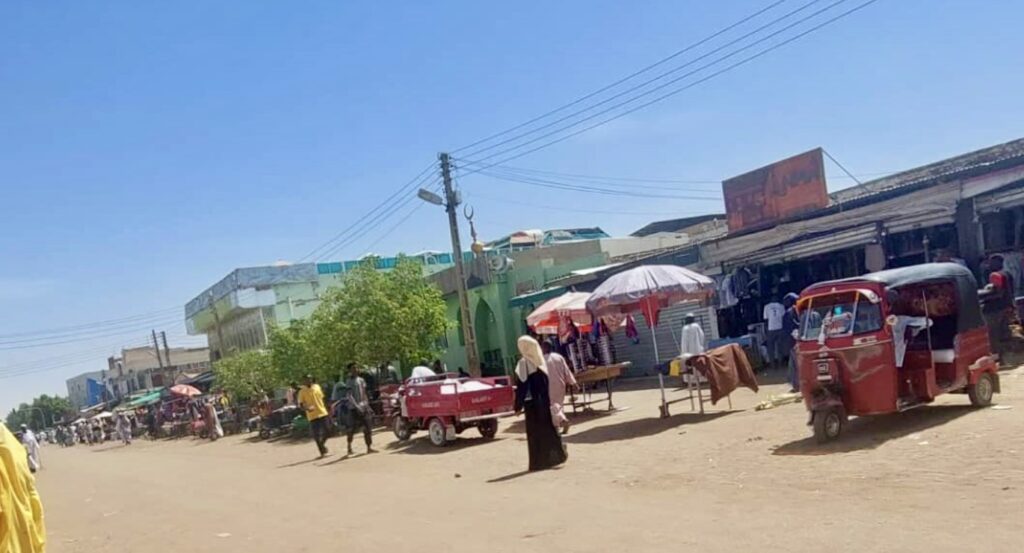
Security authorities in El-Obeid, North Kordofan, have begun preventing families from leaving the city en masse amid widespread fears of an imminent RSF attack. Residents told Ayin that officials at the central bus terminal turned families back, claiming buses were full, but individuals travelling alone were permitted to depart.
The restrictions come as El-Obeid faces renewed siege conditions. After the RSF captured Babnusa and the Heglig garrison, the city is now encircled from the west, north, and south, with only the eastern exit toward White Nile State remaining open.
Residents say panic surged after the fall of El Fasher and Babnusa, prompting many displaced families and locals to attempt to flee. Authorities have tried to reassure citizens, but roadblocks remain in place at the city’s land port.
El-Obeid has served as SAF’s main command hub for operations across Kordofan, launching multiple offensives toward Bara, Kazqil, and Umm Samima. Military sources say SAF and allied forces are now planning measures to secure the city from RSF encroachment.
Civilians report deep anxiety over whether SAF can halt an RSF advance. Economic activity has slowed sharply, and the once-vibrant agricultural trade supplying gum arabic and peanuts has collapsed due to road closures.
 6) ICC sentences Ali Kushayb to 20 years
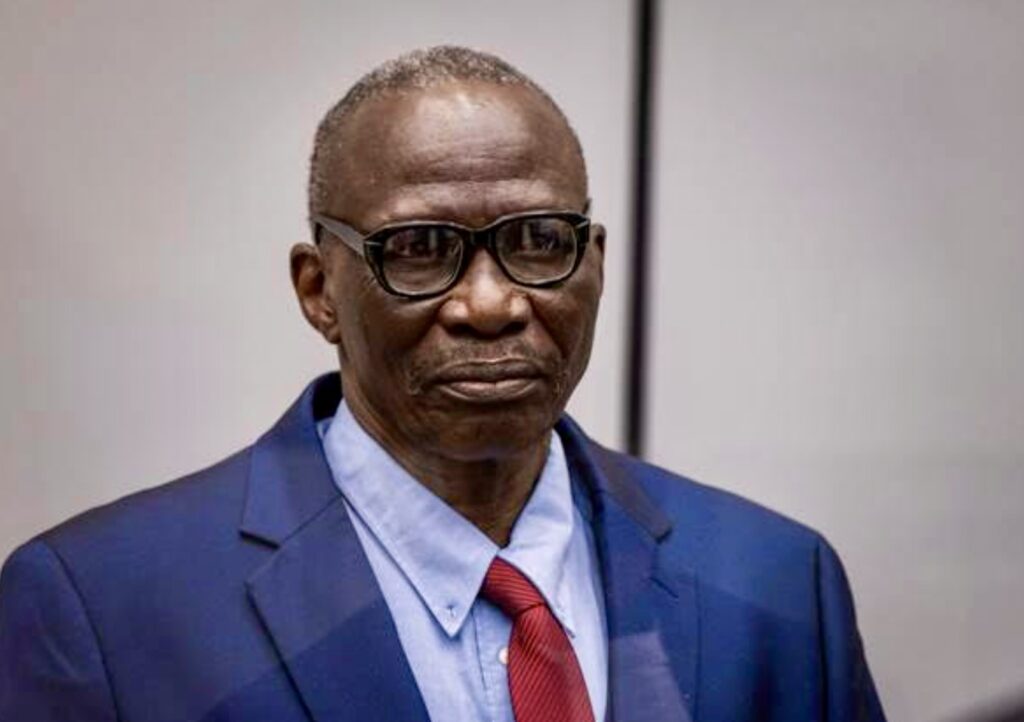
On Tuesday, the International Criminal Court sentenced Janjaweed commander Ali Muhammad Ali Abd-al-Rahman, known as “Kushayb,”to 20 years in prison for war crimes and crimes against humanity committed in Darfur between 2003 and 2004.
The sentence, announced in The Hague, will be counted as his voluntary surrender in June 2020. Judges cited his cooperation and courtroom conduct but affirmed the gravity of the crimes.
Kushayb was convicted in October on 27 counts, including murder, rape, torture, and persecution, linked to brutal attacks on Darfuri civilians. Prosecutors had sought a life sentence, citing at least 213 killings and 16 documented rapes.
The ICC Office of the Prosecutor said it is reviewing the judgement to determine next steps. Investigations into atrocities in Darfur remain active, with a particular focus on El Geneina and El Fasher.
The ruling marks the first major ICC conviction related to Sudan’s current conflict landscape and is viewed as a critical step in long-delayed accountability efforts.
 7) RSF arrest campaign after Katila airstrike
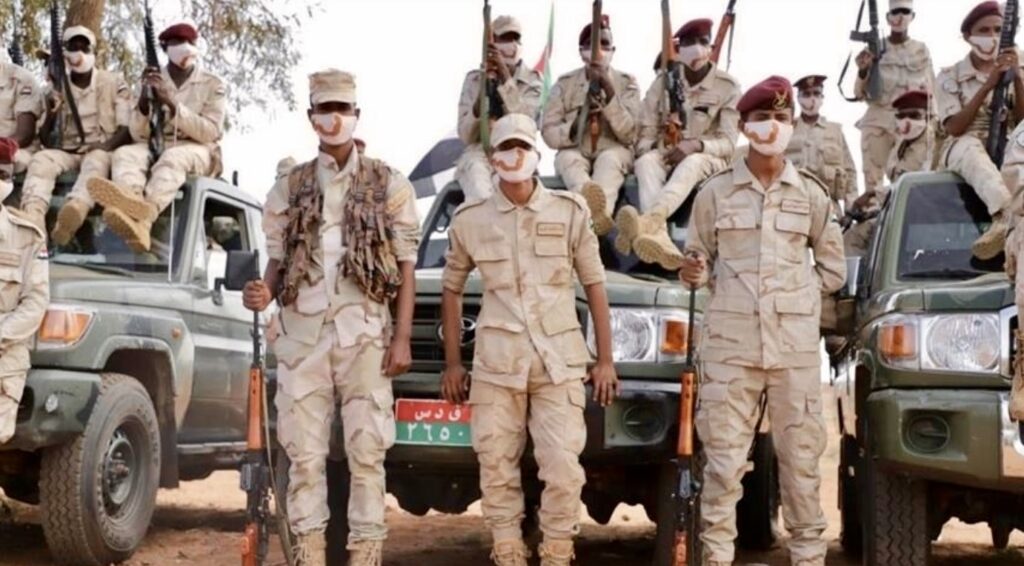
The Rapid Support Forces launched a sweeping arrest campaign in the Kutum and Tulus localities in South Darfur following a deadly airstrike that hit a convoy welcoming the state’s civil administration leader in Katila on Monday. RSF forces accused hundreds of detainees of involvement in the targeting.
Local sources told Ayin that at least 88 civilians were killed and more than 100 wounded in the strike, with the injured transferred to hospitals in Nyala. The head of the civil administration, Yusuf Idris Yusuf, was also wounded and remains under medical care.
Witnesses said RSF personnel confiscated phones and communications equipment during the arrests and transported detainees to Nyala for interrogation.
The deaths included two ministers from the civil administration, two administrative officers, and traditional leaders. The attack has raised concerns about escalating reprisals and worsening insecurity across South Darfur.
Analysts warn that the incident could deepen tensions surrounding RSF’s efforts to establish parallel governance structures in Darfur—a development that critics say risks entrenching fragmentation and fuelling further abuses.