

24 November 2026
We have developed a series of weekly news briefs covering major topics of the week to keep our readers informed about the multitude of events taking place in Sudan amidst the ongoing, devastating war.
In this week’s edition:
- The commander of Sudan’s shield announces deployment of forces outside Sudan
- Dozens killed in Ansari gold mine collapse
- Mass displacement as West Kordofan civilians flee RSF retaliation
- Four civilians killed in Khartoum in attacks targeting a UN compound
- Soaring interstate travel fares as national highways remain in disarray
- RSF and allied forces advance in Blue Nile; local volunteers support conflict-displaced
- Sudan’s Sovereign Council acknowledges the existence of a cost-of-living crisis
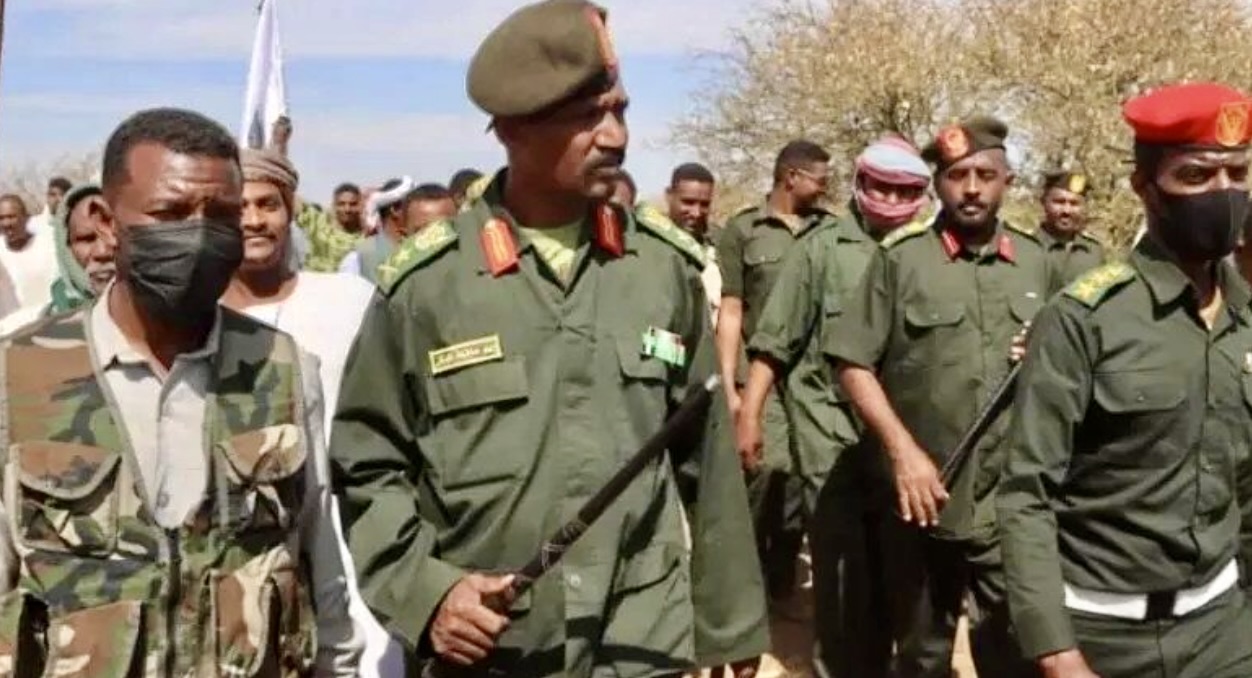 1) The commander of Sudan’s shield announces deployment of forces outside Sudan
The commander of the Sudan Shield Forces, Abu Aqla Keikel, announced that after obtaining “military numbers”, he would send battalions outside the country.
Speaking to a number of his troops in the East Nile district north of the Sudanese capital on Sunday, Keikel added that the Sudanese army’s commander-in-chief had ordered the issuance of military identification numbers to the Sudan Shield Forces. This means that the military identification number entitles us to monthly salaries, including the deployment of battalions outside of Sudan,” Keikal stated.
“Sudan’s Sovereign Council Chairman, Abdel Fattah al-Burhan, has agreed with Saudi Arabia to send thousands of fighters from the Sudanese Shield Forces to the Kingdom for deployment near the border with Yemen,” a military source told Ayin. “The first batch of Sudanese military battalions to depart numbers around 2,000 fighters, most of whom are from the Keikel forces.”
Keikel returned from Saudi Arabia on November 20 and celebrated with his supporters at his home in Wad Medani on Saturday, on the occasion of his return from performing Umrah.
“Al-Burhan is proceeding in the same manner as the ousted President Omar Al-Bashir, who is trying to form an alliance with Saudi Arabia to obtain political, financial and diplomatic support,” said Adel Al-Sunni, a researcher in the security and military sector.
Al-Sunni pointed out that the salary of a Sudanese fighter for participating in military operations in the Kingdom of Saudi Arabia on the border with Yemen reaches $3,000 per month, an amount that tempts many soldiers.
Keikel defected from the Rapid Support Forces in October 2024, announcing his joining the Sudanese army. Since then, the Sudan Shield Forces, which he leads, have expanded by attracting thousands of young men from the states of White Nile, Al-Jazeera, Al-Butana, El-Gedaref, Kassala, Khartoum and Sennar.
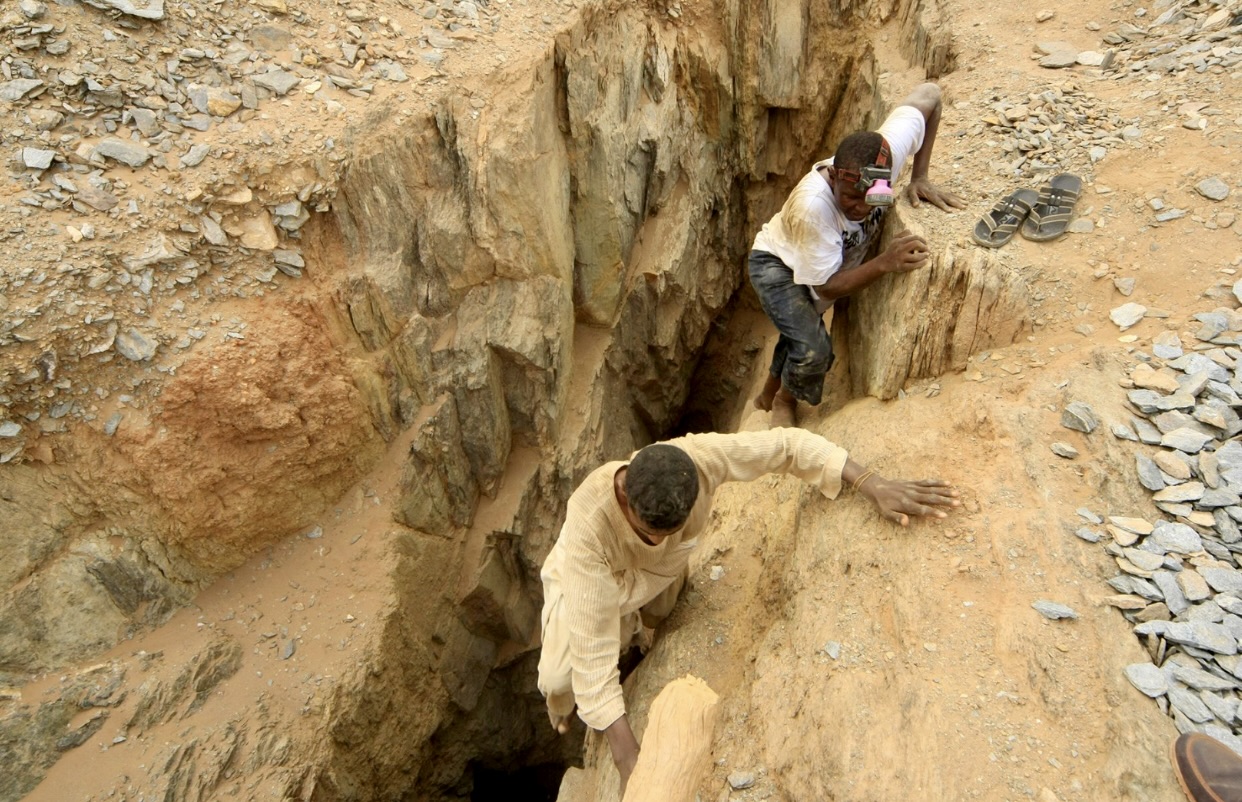 2) Dozens killed in Ansari gold mine collapse
Last Saturday, a gold mining well collapsed in the Ansari mine, Red Sea State, near the Egyptian border, killing dozens of traditional miners. The bodies of the victims could not be recovered, according to local miners in the area.
“Among the dead are six people from one family who come from Bara locality in North Kordofan State,” said a family member who lost a relative in the collapse. The source noted that the final number of dead is still unknown, and a number of villages belonging to the Um Sayala administrative area lost a group of their sons in the incident. Another village, Umm Razouqa, lost eight of its sons, the source added.
The Ansari mine is located in the North Valley region, in the far north of the Red Sea State, near the Sudanese-Egyptian border, and includes a large market known as “Ansari Market”, which serves as a gathering place for traditional miners in the region.
The mine itself had been subjected to an air strike on October 10, which, according to local human rights groups, resulted in the death of at least 72 miners. Collapses of traditional mining wells are frequent in working conditions that lack safety procedures, as the wells are dug manually and can reach depths of 30 to 40 metres in fragile soil and without supports, protection and ventilation.
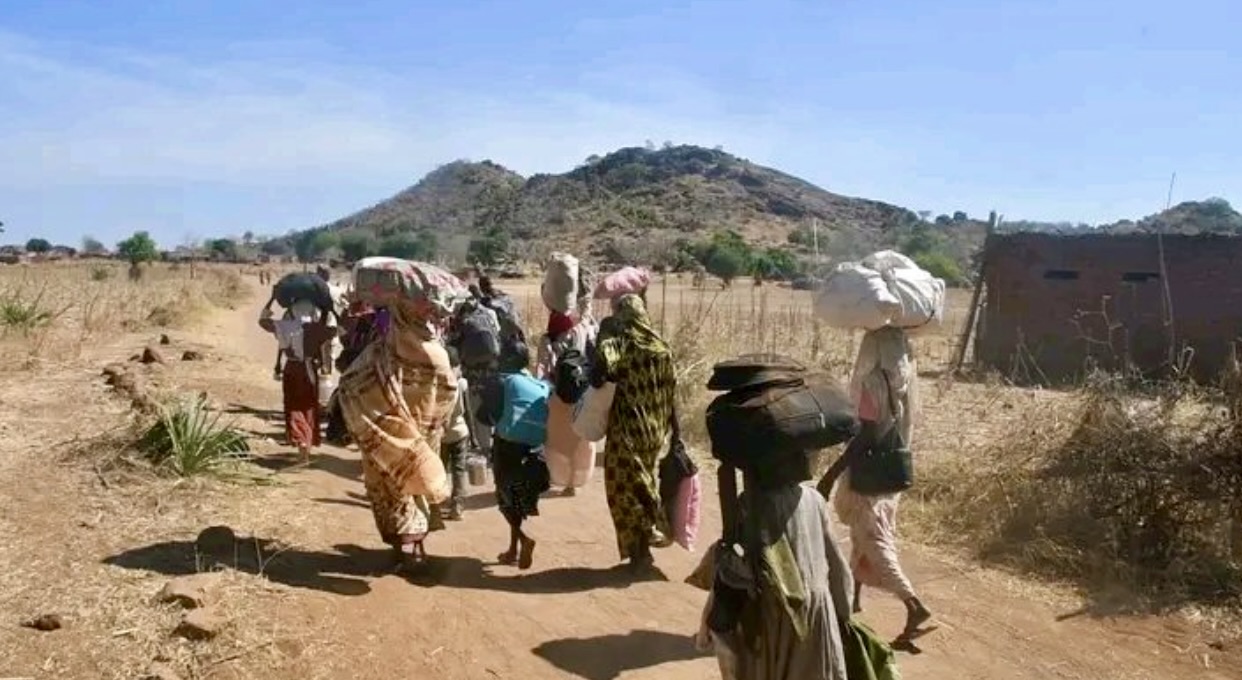 3) Mass displacement as West Kordofan civilians flee RSF retaliation
Local sources and a human rights monitor confirmed that hundreds of residents were recently displaced from several villages in the Abu Zabad locality of West Kordofan State as a result of retaliatory attacks launched by the Rapid Support Forces on areas reached by the Sudanese army in the previous week before its withdrawal.
Groups from the Rapid Support Forces (RSF) infiltrated the areas known as “Al-Sa’atat” on November 21 and 22, the same sources told Ayin. These areas include Al-Sa’ata Al-Zarqa, Al-Sa’ata Bukhari, Al-Sa’ata Bartala, Al-Sa’ata Al-Jazair, Al-Sa’ata Al-Douma, and Al-Sa’ata Taqnu, along with several smaller villages and hamlets. The RSF looted shops, homes, and livestock, and assaulted and intimidated residents.
The Kordofan Human Rights Observatory said that villagers fled almost en masse to the city of El Obeid, on foot or using animals and motorcycles, leaving behind their homes, property and livelihoods. The observatory linked these developments to the recent arrival of army forces in the area and the release of videos by affiliated army groups showing citizens celebrating the arrival of these forces before the army withdrew eastward and the Rapid Support Forces (RSF) advanced again into the area. It suggested that the violations may be acts of reprisal due to the citizens appearing in those videos.
The Observatory held the Rapid Support Forces directly responsible for the attacks, demanding that its leadership stop them and hold those involved accountable. It also criticised the army personnel for filming citizens while their forces were in the area and then withdrawing without regard for the risks those citizens might face.
In a statement, the Observatory warned against using images of civilians in propaganda or political and military recruitment without providing them with adequate protection, emphasising that the appearance of citizens in videos with one of the conflict parties does not negate their status as civilians, nor does it justify targeting or punishing them collectively.
 4) Four civilians killed in Khartoum in attacks targeting a UN compound
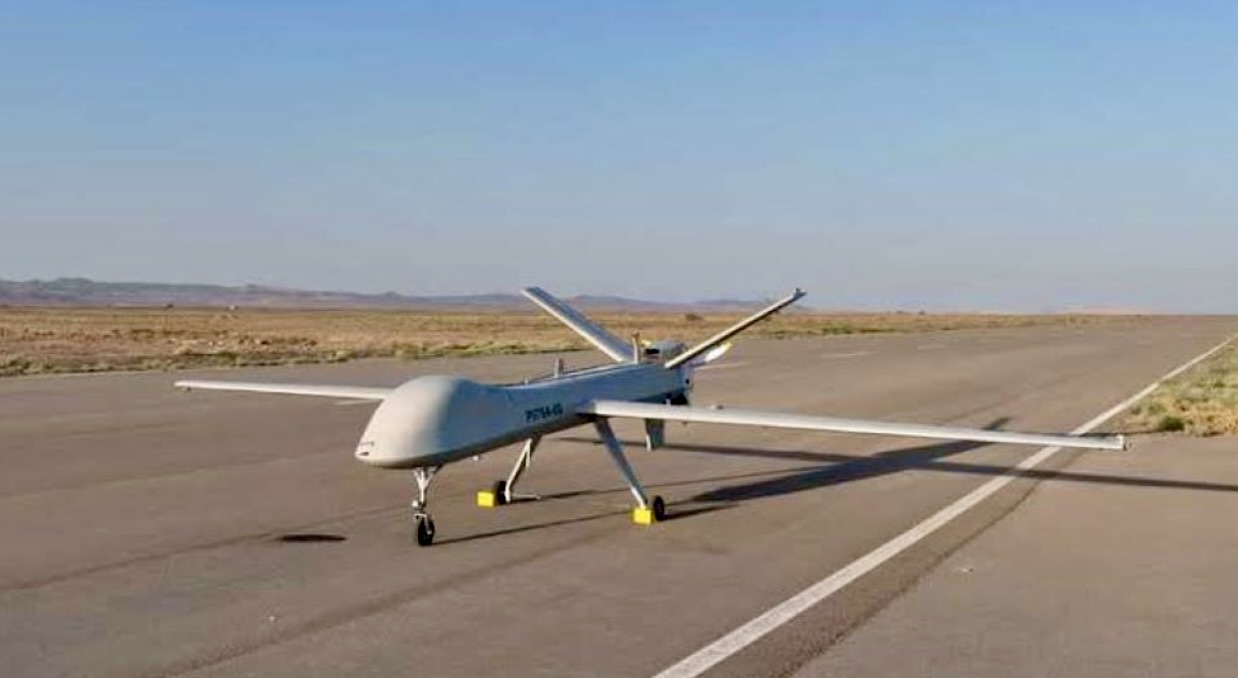
The UN Humanitarian Coordinator in Sudan, Denise Brown, said in a statement on Sunday that a drone had damaged a UN agency building in the Sudanese capital while staff were present. The United Nations News website confirmed that a drone attack on the Sudanese capital on November 22 killed four civilians.
Khartoum State Media reported that a drone destroyed a house in the Karari locality of Omdurman, Block 75 Housing, and the roof fell on the heads of the residents, killing 3 young men inside one of the rooms and injuring 10 people, including 5 children.
Egypt, Qatar, and Saudi Arabia were quick to condemn the airstrikes that targeted various parts of the Sudanese capital and demanded that civilian facilities not be targeted, stressing their commitment to the sovereignty and unity of Sudan.
A diplomatic source told Ayin that the attack, which damaged buildings belonging to a UN agency, has prompted the international organisation to conduct a new review of its security plans to protect its headquarters, staff, equipment, and assets. “It’s difficult to say that the UN will operate in Khartoum as it did before this incident; UN staff will take new measures to protect themselves and their offices,” the source added.
 5) Soaring interstate travel fares as national highways remain in disarray
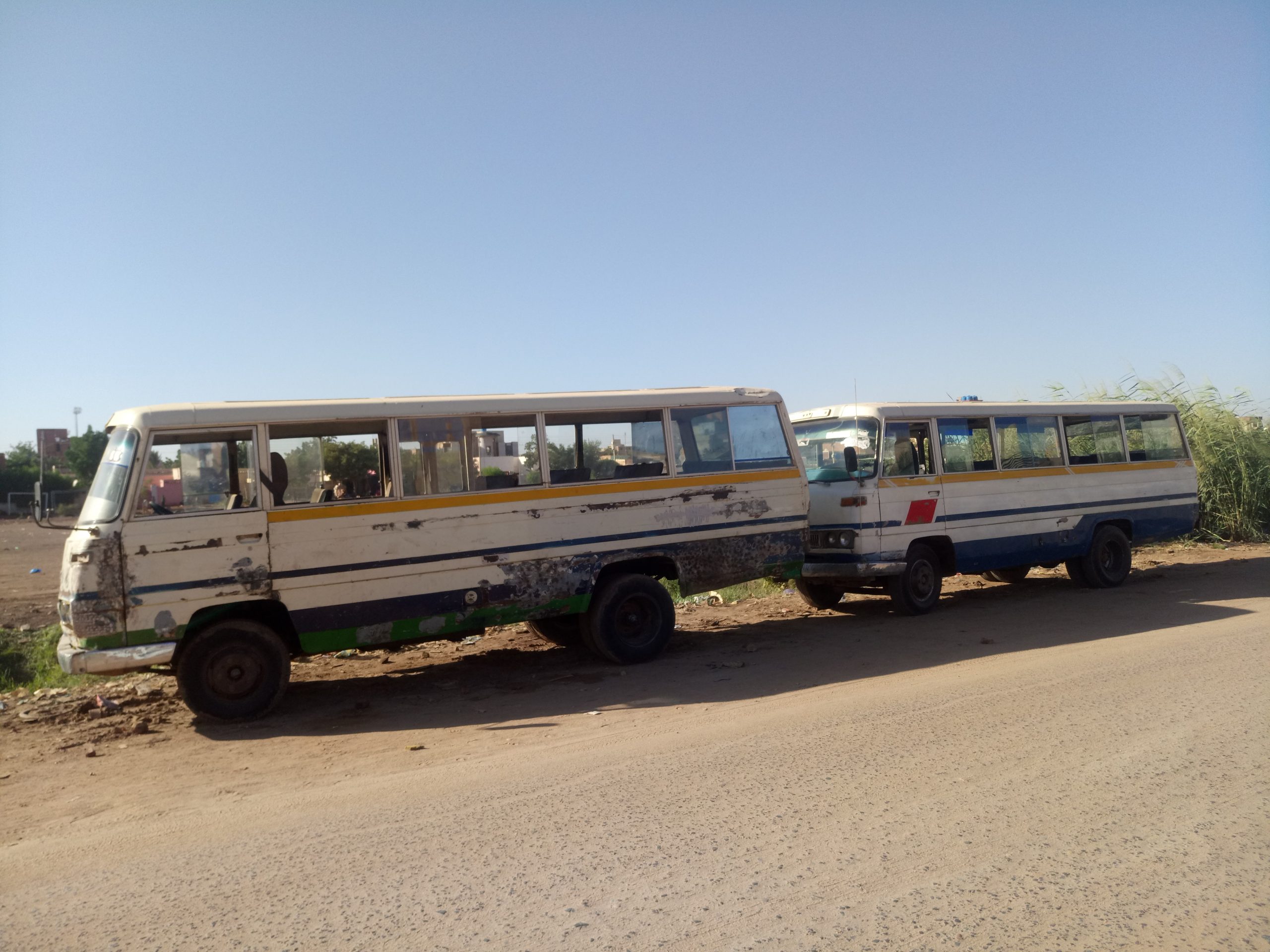
With transport companies exiting the market due to huge increases in operating costs, travel ticket prices in Sudan have risen significantly during October and November, reaching 100,000 pounds for routes not exceeding 400 kilometres.
“Many buses spend days getting fuel, while the prices of spare parts have jumped to one million pounds for small parts, and in the face of these challenges, some companies have frozen their operations,” said Elias Mohamed Zein, a worker at a transport company in the Omdurman Market. “Travel tickets for a family now cost up to one million pounds, equivalent to one hundred US dollars, from Khartoum to Port Sudan.”
Amna Ahmed, a university student studying in the Sudanese capital, pointed out that travel consumes most of the students’ expenses. “If I decide to move from the Nile River to Khartoum on a monthly basis, the costs remain high and beyond my means, so I prefer to travel every three months to stay with my family.”
The price of a gallon of fuel, especially diesel, which is in high demand by transport and bus companies, has risen to 60,000 pounds in most states, amid fears of a new increase due to fluctuations in the exchange rate in the parallel market.
“Fuel and spare parts are a crucial factor for the sustainability of transport services in Sudan, in addition to the existence of government levies on land crossings between states,” said Hani Othman, a researcher in transport economics. Hani noted that the cost of running a single bus trip from the capital to Port Sudan had risen to 2 million pounds (equivalent to 200 US dollars) compared to 500,000 pounds in April 2026, an increase of 300%.
The researcher also pointed out that the transport sector is operating on destitute roads and is incurring daily losses. Sudan’s Ministry of Transport acknowledged in mid-November that the country’s national roads had deteriorated and said it was working on building a new road with new specifications linking Port Sudan and Khartoum.
 6) RSF and allied forces advance in Blue Nile; local volunteers support conflict-displaced
A military escalation across Sudan’s Blue Nile region this week has forced thousands of civilians to flee their homes as the Rapid Support Forces (RSF) and the allied Sudan People’s Liberation Movement-North (SPLM-N) seized new territory. Local sources told Ayin that the joint forces, allied under SPLM-N leader Abdelaziz al-Hilu, captured Deimaq, Bau town, and the Suda area in Bau Province after attacking Fadmiya and Taqa. In neighbouring Geisan Province, the forces took control of City 11 and Sinja Nabq, while Sudanese army troops remained stationed in City 10.
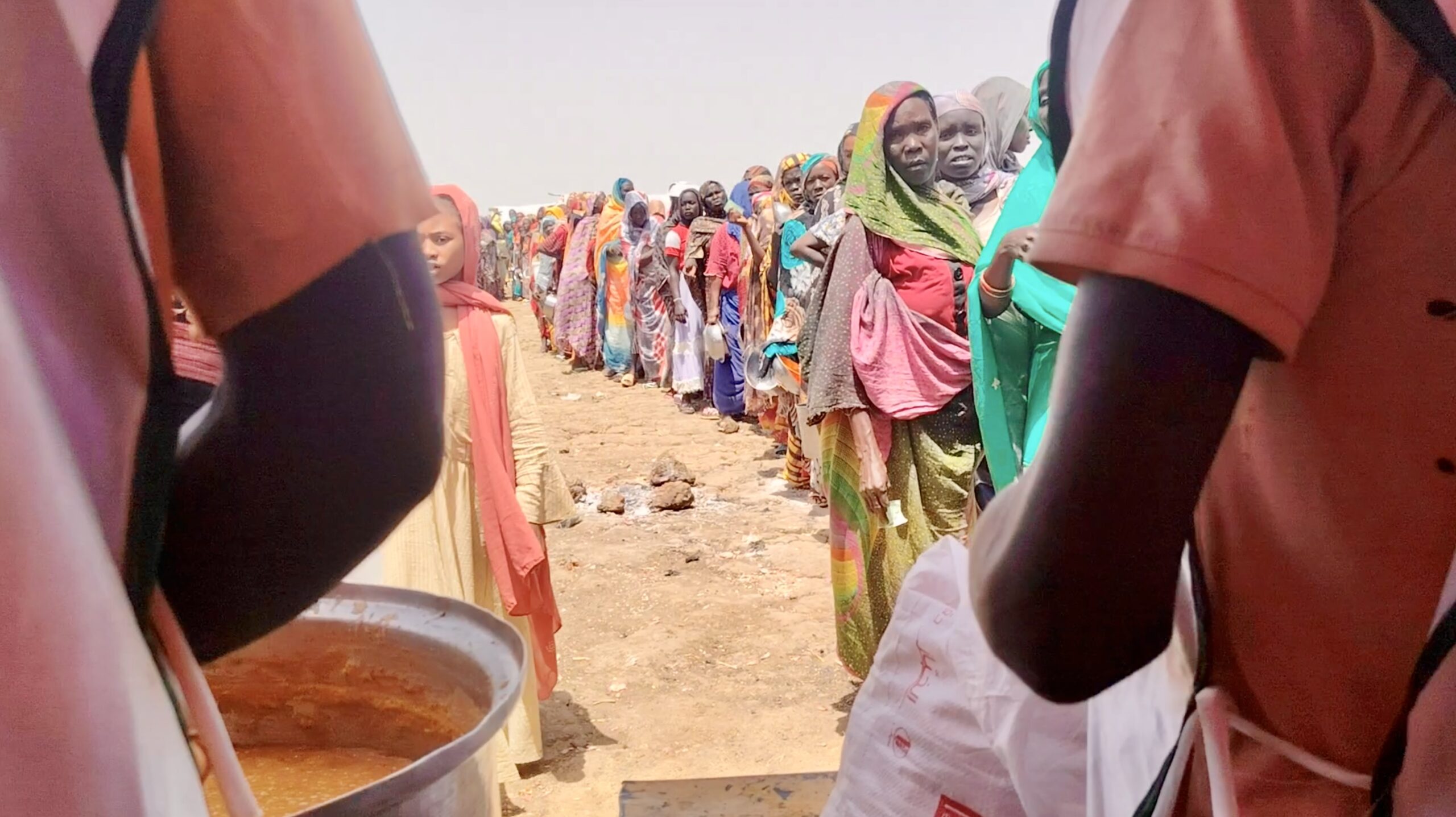
The fighting has triggered widespread displacement from City 9 and City 10 in Geisan, as well as Karkur and Abu Qarn in Bau. While many displaced residents fled toward Damazin, Agdi, and Al-Tadamun, reports indicate that large numbers of people remain missing or stranded in the forests of Bau. Across several affected areas, fighting has disrupted the delivery of basic services.
As clashes draw closer to Damazin, Al-Roseires Province has absorbed a massive influx of approximately 20,000 displaced families, according to a local humanitarian volunteer. The newcomers have been distributed across shelters and host communities, including Al-Zahra, Mak Yusuf, Al-Wahda, Musab Ibn Umair, Al-Azaza, Juwayriya, Hafsa, and Al-Farouq.
Local community initiatives are scrambling to evacuate stranded civilians and deliver emergency relief, having already provided food, drinking water, and healthcare support to more than 12,000 families in Al-Roseires. However, volunteers warn that local resources are severely overstretched. Speaking anonymously to Ayin, a volunteer in Bau described the humanitarian situation as “extremely complex,” noting that relief efforts are hindered by acute shortages of funding, fuel, transportation, and logistical support.
With food shortages worsening and prices rising, volunteers are appealing to national and international organisations for urgent funding and supplies—particularly food, clean water, healthcare, and shelter. Aid workers emphasise that women, children, the elderly, and people with disabilities face the greatest danger, warning that the onset of winter will further compound health and humanitarian risks for the displaced population.
 7) Sudan’s Sovereign Council acknowledges the existence of a cost-of-living crisis
The Sudanese army chief and head of the Sovereignty Council, Lieutenant General Abdel Fattah al-Burhan, acknowledged the existence of a cost-of-living crisis due to the financing of military operations, in addition to the country facing what he described as an “economic war”.
“It is true that there is a cost of living crisis, which is due to resources, part of which goes to the war, and we are also facing an economic war,” Burhan said in a speech in Khartoum North.
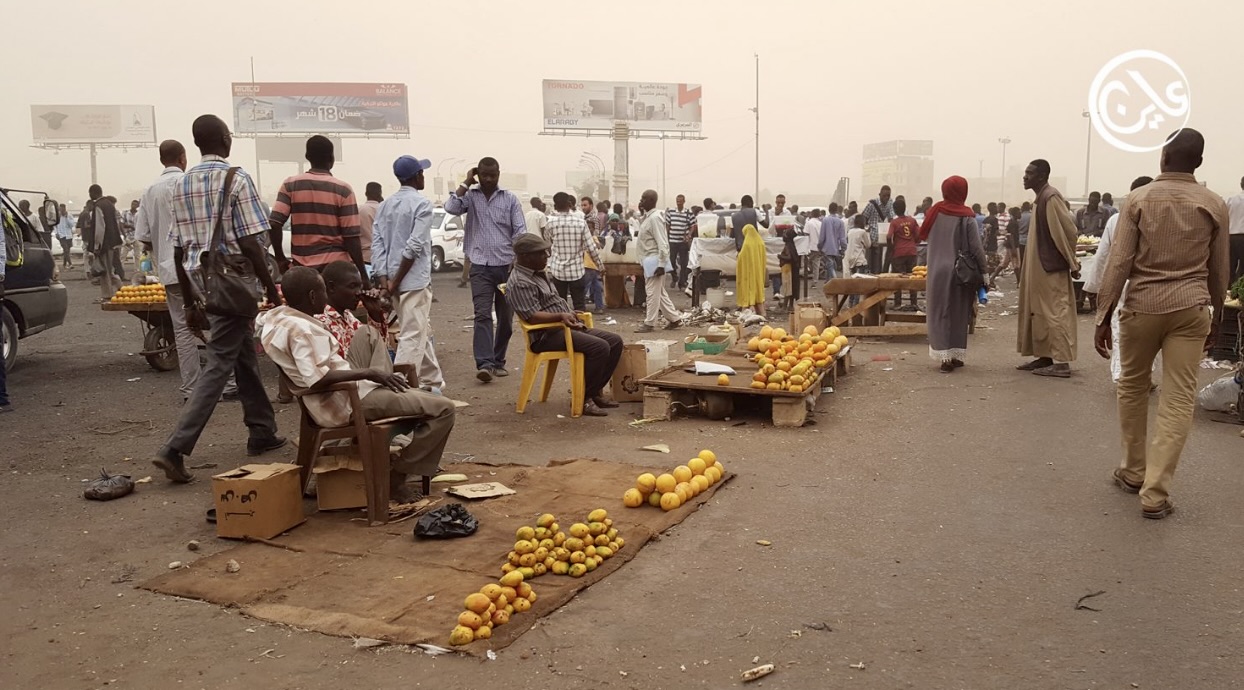
Burhan’s remarks coincided with a wave of price hikes, including for bread and fuel, the two main commodities. Citizens said that buying food now costs nearly 3 million pounds a month just to survive (equivalent to 300 US dollars). Meanwhile, the minimum wage in the government sector in Sudan does not exceed 12,000 pounds, which is equivalent to about one US dollar at the black market rate on Tuesday, November 24.
“People are using bicycles to get around, especially schoolchildren and workers, because of the high cost of public transportation,” said Manal Mohamed Ahmed, a resident of eastern Khartoum. “In the bakery east of Khartoum, I saw people buying only three pieces of bread, complaining that they could not afford to buy more, and they were accompanied by children,” she added.
The price of the US dollar in the black market has now reached an unprecedented 11,600 Sudanese pounds, according to foreign exchange dealers.
Economic analyst Mohamed Ibrahim painted a bleak picture of the economic situation, describing it as approaching the brink of “economic collapse” due to the national currency’s inability to cover the purchasing power of basic commodities.
“With the determination to continue the war until the end, the army commander knows that this decision will be at the expense of the economy, and perhaps they know that the US dollar will reach 25,000 pounds, yet they are giving priority to the war and dismantling the Rapid Support Forces,” he added.