

3 November 2026
We have developed a series of weekly news briefs covering major topics of the week to keep our readers informed about the multitude of events taking place in Sudan amidst the ongoing, devastating war.
In this week’s edition:
- Armed groups prey on travellers fleeing across western transit routes
- Ethiopian authorities shut consulate amid escalating border dispute
- Military reinforcements signal impending ground battles across the Kordofan region
- Sudanese fuel price hikes trigger severe transport crisis across major cities
- Cairo talks warn unilateral dam management threatens shared water security
- Sudan courts strategic Russian ties amid warnings over regional blowback
- WFP chief announces Sudan as his first destination amid rising hunger
- Severe malnutrition crisis grips Kalma Displacement Camp
 1) Armed groups prey on travellers fleeing across western transit routes
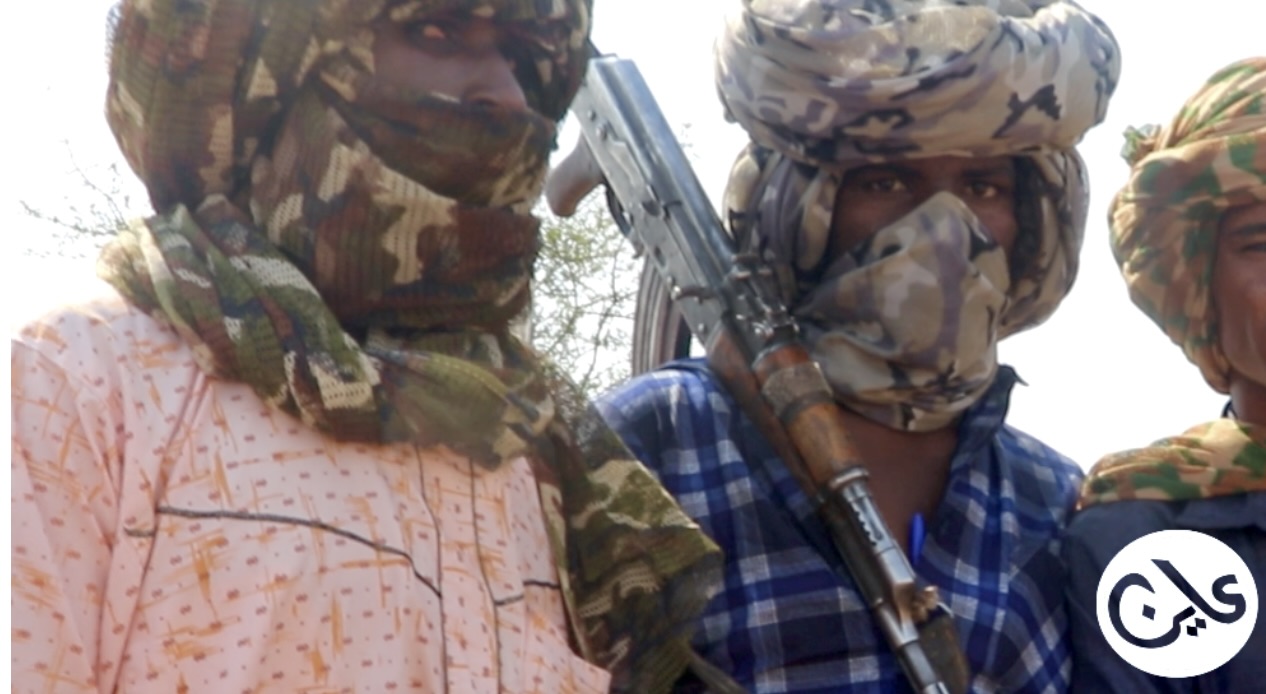
Travellers fleeing West Kordofan towards El Obeid, the capital of North Kordofan State, are facing a surge in armed robberies at gunpoint amid deteriorating security conditions. The routes west and northwest of the city have become active contact zones between the Sudanese army and the Rapid Support Forces, where weapons and ammunition flowing cheaply and easily into Darfur have empowered criminal gangs to intercept passing vehicles.
Civilians journeying from Ghabish, West Kordofan State, have reported harrowing ambushes to news outlet Ayin. In one attack near the Al-Khuwai area, gunmen intercepted a passenger vehicle, seized every possession aboard, and left the passengers with nothing but the clothes they were wearing.
In another incident, a woman who asked not to be named said she left the town of Ghabish with her five children, heading towards El Obeid, but an armed group intercepted their vehicle after they passed the Um Kridim area. The group looted all their belongings and seized the vehicle, forcing them to continue their journey on foot. The woman told Ayin that she and her children, along with the other passengers, walked for more than six hours before finally reaching El Obeid.
These violent encounters strike families already pushed to the brink, with many forced to sell their household belongings just to afford travel fares. Ayin previously documented dozens of youths enduring similar 300-kilometre journeys on foot, braving severe exhaustion, thirst, hunger, and physical assaults from rival military forces who accused them of aiding the opposing side.
 2) Ethiopian authorities shut consulate amid escalating border dispute
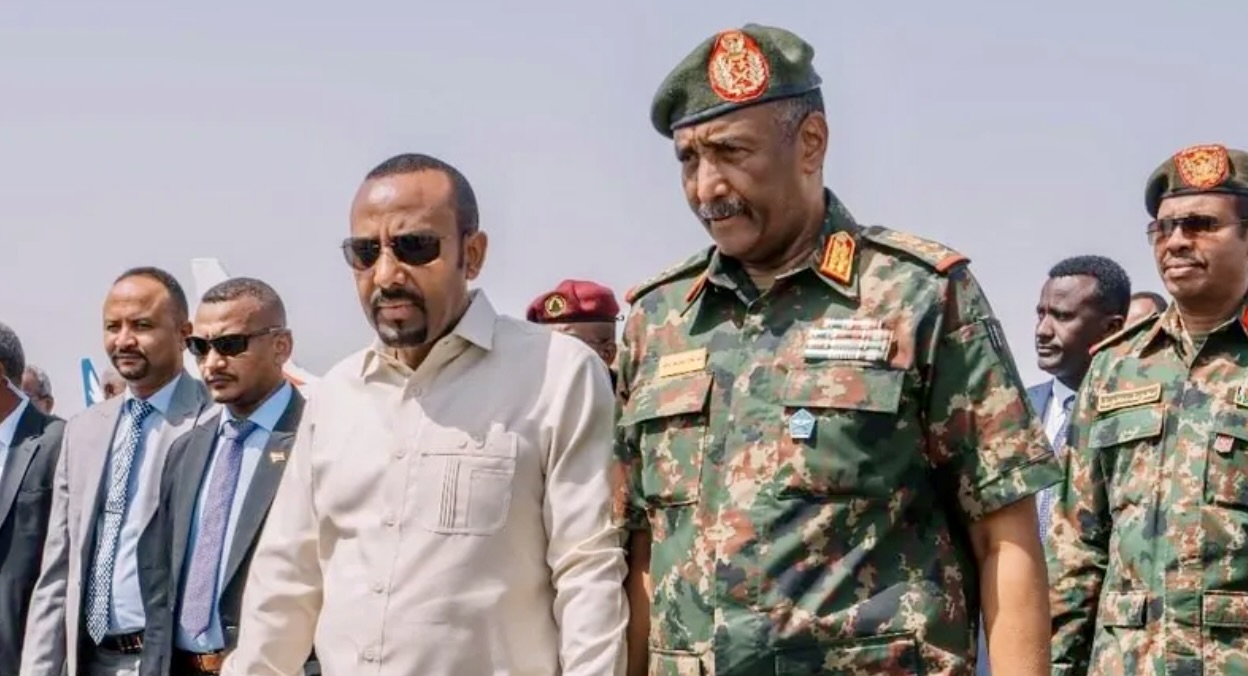
Ethiopian authorities have closed the Sudanese consulate in the city of Assosa and expelled its diplomatic mission, marking a sharp escalation in tensions between the two neighbouring countries. The move represents Addis Ababa’s first official reaction after Sudan filed formal complaints against Ethiopia with the United Nations Security Council and the African Union Peace and Security Council over alleged cross-border hostilities.
Sudan’s mission in Assosa—comprising six diplomatic staff members alongside military and security attachés—was declared persona non grata and given a strict deadline to leave the country. “Ethiopian authorities informed members of the diplomatic mission around 10 pm on Monday that the consulate was closed and asked them to leave the country within 48 hours,” a Sudanese government source told Ayin.
The diplomatic fallout follows Khartoum’s accusations that rebel Rapid Support Forces (RSF) used Ethiopian territory to launch missile-equipped suicide drones into Sudan. According to a statement from the Sudanese Foreign Ministry, the cross-border strikes targeted power stations, civilian landmarks, and vital infrastructure across several states, inflicting civilian casualties and disrupting essential public services. Sudanese authorities confirmed that they have formally submitted documentation and evidence substantiating the drone operations from Ethiopian soil to both international bodies.
 3) Military reinforcements signal impending ground battles across the Kordofan region
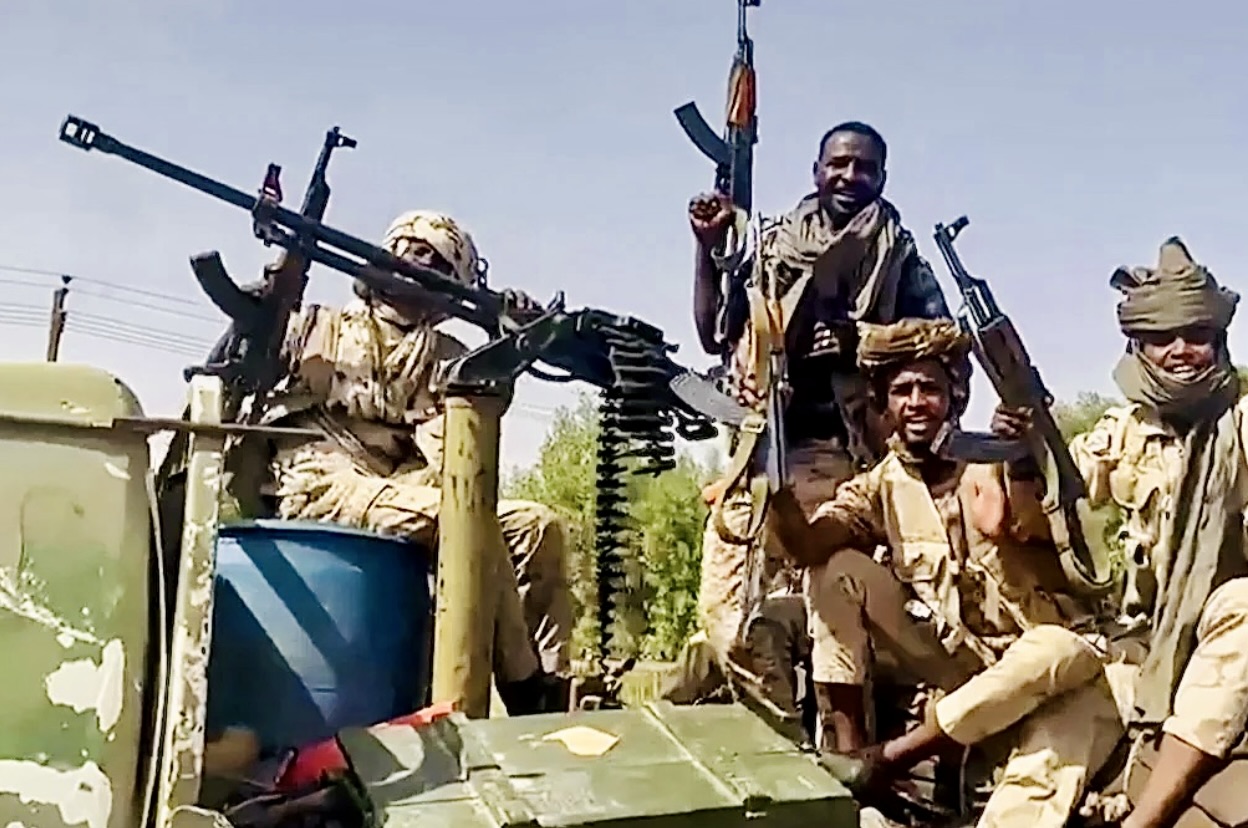
Sudanese army reinforcements have arrived across multiple locations in North Kordofan State, signalling imminent ground clashes with the Rapid Support Forces (RSF), which have been amassing troops in northern West Kordofan. According to eyewitnesses reporting to Ayin, continuous RSF troop movements have been monitored in northern West Kordofan, while field sources confirmed the arrival of military reinforcements in North Kordofan. Observers indicated that clashes could soon break out toward the Hamra al-Sheikh area along the desert axis.
The troop buildup follows remarks delivered on Sunday by the Chief of Staff of the Sudanese Army, Lieutenant General Yasser Al-Atta, who affirmed that military operations toward the Kordofan and Darfur regions would continue while pledging not to target local tribes or seek retribution against residents. During his address, Atta accused the RSF of using foreign fighters from several countries and the United Arab Emirates and Israel of supporting what he described as “a conspiracy against Sudan”.
Tensions escalated further on Monday when the General Command of the Armed Forces announced that air defence units had shot down a hostile FH-95 drone south of Wad Banda in West Kordofan. The recent developments threaten a three-week lull in ground fighting along the Kordofan front.
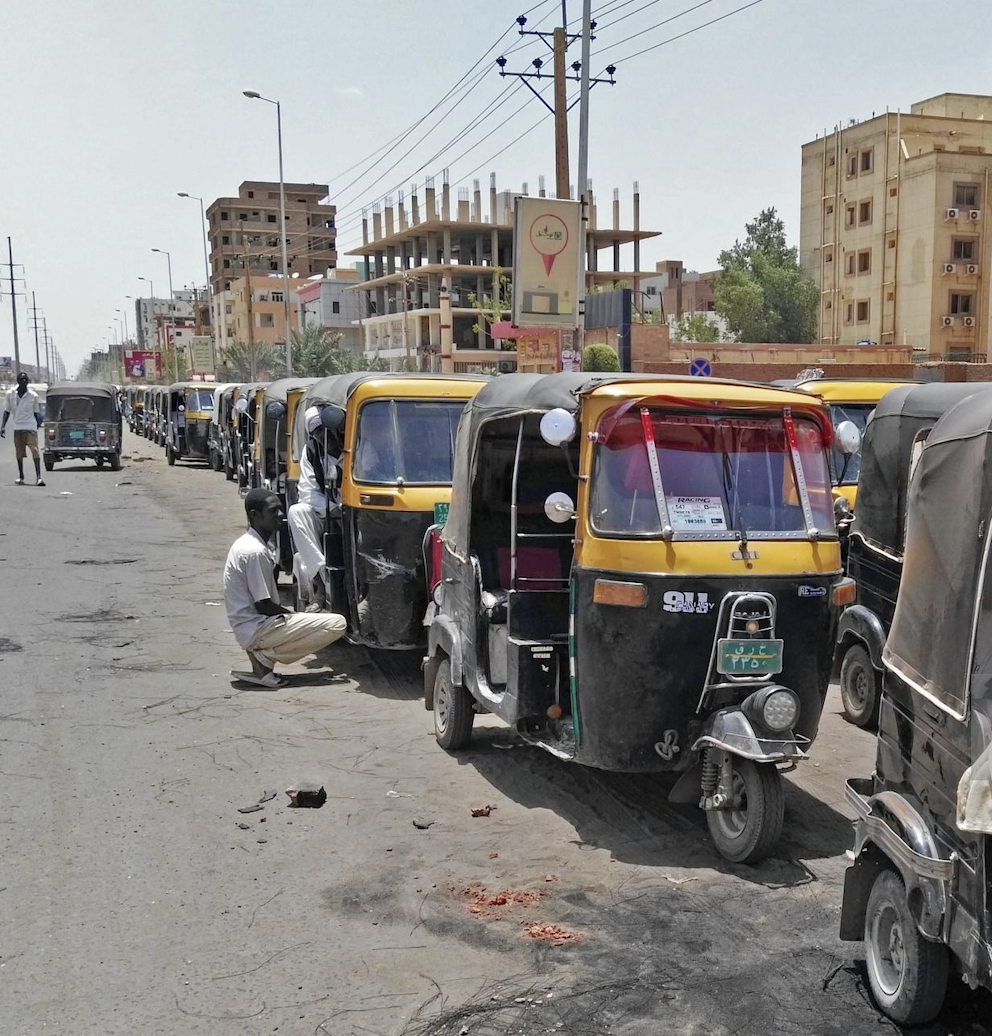 Sudanese fuel price hikes trigger critical transport crisis across major cities
The Sudanese government, in coordination with fuel importers, has introduced steep price increases that have paralysed urban transportation networks across the country. Effective Monday, November 2, the price of gasoline rose from 9,300 to 11,330 pounds per litre—reaching 51,438 pounds per gallon at stations in key states like Khartoum and Al-Jazeera—while diesel jumped from 8,500 to 10,910 pounds per litre, or 49,531 pounds per gallon.
The sudden hike sparked widespread transit chaos, leaving commercial buses trapped in sprawling station lines and forcing thousands of commuters to walk long distances to and from work. With public options largely halted, authorities deployed police and government vehicles to shuttle stranded residents across the capital. “Police cars transported citizens more than once from the bus station in Omdurman when it was difficult to get buses, as most of them spent long hours in fuel queues,” Amjad Salah, a young man working in the private sector, said.
The shortages arrive alongside persistent infrastructure challenges facing the country’s energy grid. According to a statement issued by the Sudan News Agency on Tuesday, Minister of Energy and Oil Al-Mutasim Ibrahim indicated that emergency committees and technical crews are responding swiftly to Rapid Support Forces strikes to secure the electricity supply. While acknowledging that existing preventive protections are not fully sufficient, Ibrahim noted that “there is continuous development to keep pace with the methods of drone attacks.”
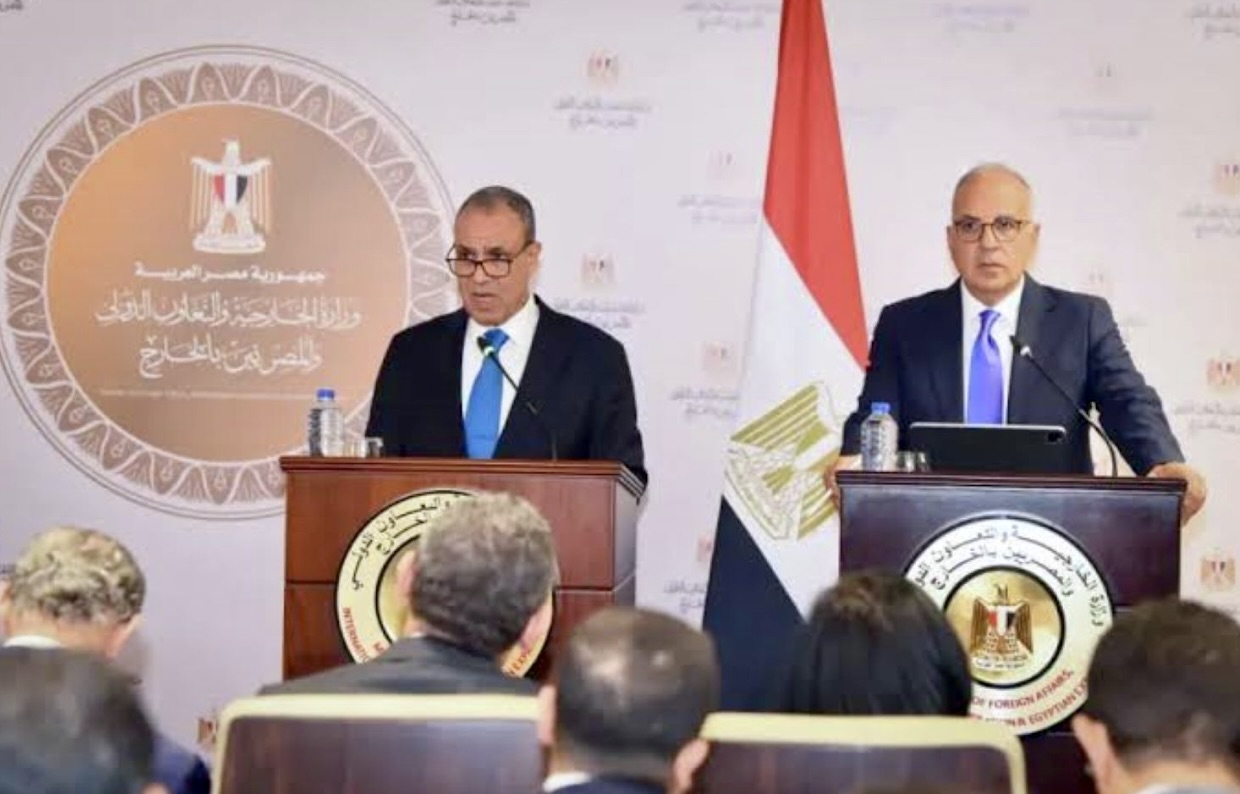 Cairo talks warn unilateral dam management threatens shared water security
Egypt and Sudan issued a joint statement in Cairo on Monday rejecting any unilateral measures over the Nile River, stressing that Ethiopia’s unilateral management of the Renaissance Dam poses a continuing threat to both nations’ water security. Egyptian Foreign Minister Badr Abdel-Aty and Sudanese Foreign Minister Mohi El-Din Salem also jointly condemned the Rapid Support Forces for targeting power stations by launching drones from “one of the neighbouring countries”. The announcement follows complaints filed by Sudan on Sunday with the UN Security Council and the African Union Peace and Security Council accusing Ethiopia of hosting launch sites on its territory.
Addressing reporters at a joint press conference, Salem affirmed that the Sudanese people know how to defend themselves and are stronger with Egypt and President Abdel Fattah el-Sisi as a source of steadfast support. Highlighting the mutual defence of their shared resources, Salem framed Khartoum’s stance as a direct warning “against those who are plotting” against the security, existence, and stability of Sudan.
Reaffirming the strategic partnership between the two downstream nations, Salem pledged Sudan’s total commitment to safeguarding regional water rights. “The Sudanese people will protect Egypt’s water before the Egyptian people… and we want these words to reach the ears of those who are plotting against Egypt and Sudan regarding water, security, and their very existence,” he said.
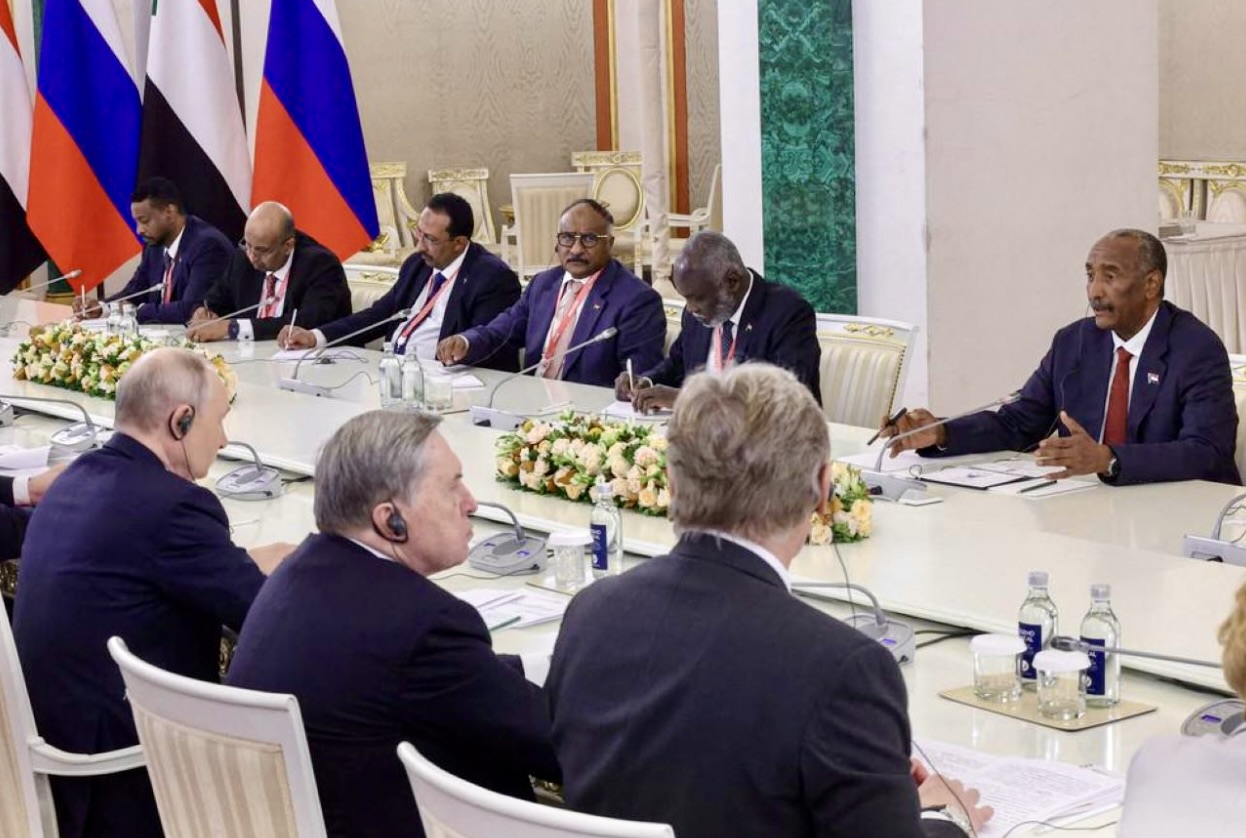 Sudan courts strategic Russian ties amid warnings over regional blowback
Lieutenant General Abdel Fattah al-Burhan, the Chairman of Sudan’s Transitional Sovereignty Council, called on Russia to invest in his country’s mineral wealth and expressed Khartoum’s desire to build a strategic partnership with Moscow across multiple sectors. Speaking during bilateral talks with Russian President Vladimir Putin on the sidelines of the Russia-Africa Summit, Burhan highlighted over seven decades of diplomatic ties and acknowledged Moscow’s wartime backing. During his visit, Burhan was also awarded an honorary doctorate by the Russian University for the Humanities.
President Putin affirmed Russia’s readiness to expand trade, enhance economic cooperation, and assist in ending the conflict to facilitate a lasting political settlement. Emphasising the importance of an immediate cessation of hostilities, Putin pointed to the heavy humanitarian toll of the war, which has displaced nearly 13 million people both internally and across Sudan’s borders.
The diplomatic outreach, however, drew sharp rebuke from former Transitional Sovereignty Council member Mohamed al-Faki Suleiman. In a statement posted to Facebook, al-Faki dismissed the visit as futile, asserting, “Russia cannot gain any naval influence in Sudan.” He noted that while Moscow previously offered Khartoum a power plant and military equipment during the transitional period, Burhan remains fully aware of the international hurdles surrounding such deals.
Al-Faki warned that neighbouring states would actively push back against any security concessions along the strategic maritime corridor. “The Red Sea is a hot area linked to the region; it is impossible for Burhan to be able to implement the promises he made in Moscow.”
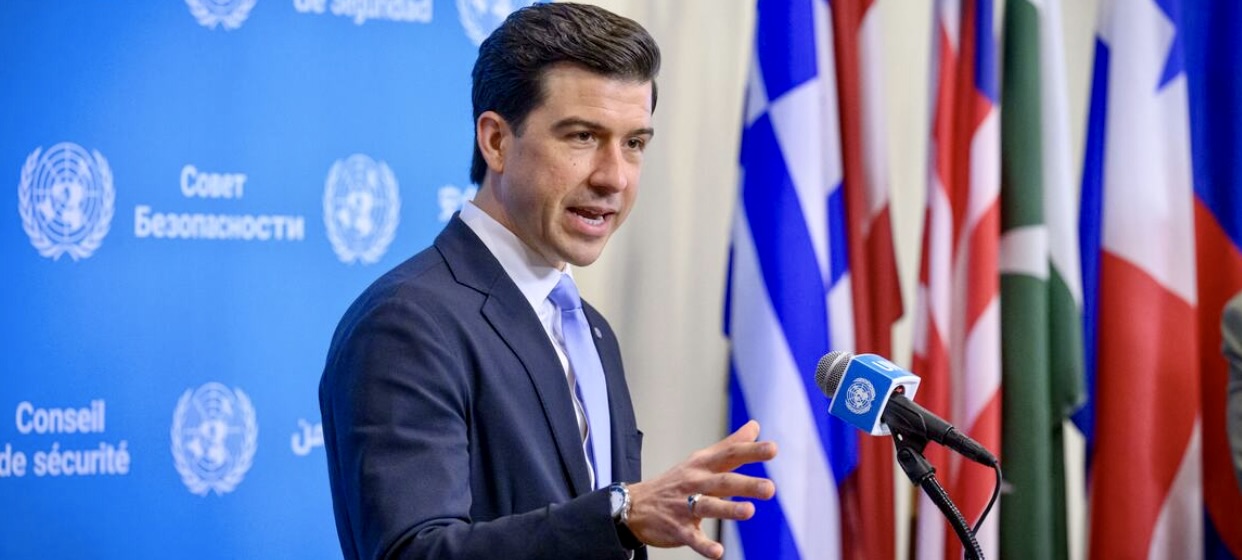 WFP chief announces Sudan as his first destination amid rising hunger
The new executive director of the World Food Programme, Luc Lindbergh, has confirmed that Sudan will be among his first destinations amid mounting concern over regional food security. Speaking to reporters at the United Nations headquarters in New York for the first time since officially taking office, Lindbergh explained that the agency’s operations are currently focused on Sudan, South Sudan, and Somalia. “Our team will continue working to find ways to help alleviate the suffering in these three countries,” he said, warning that Sudan is facing “a very serious situation regarding acute hunger.”
Lindbergh highlighted the vital role of frontline humanitarian staff, praising those “who carry out their duties in almost impossible environments and in the most difficult places on earth. I want to shake hands with these workers and personally express my gratitude for their services and dedication.” Agency officials noted that conditions have worsened due to the El Niño weather phenomenon, which disrupted the agricultural season, alongside ongoing armed conflict that has displaced millions of people both internally and abroad.
In response, the Sudanese Ministry of Foreign Affairs issued a statement rejecting assertions that the country is facing famine, maintaining that local measures are sufficient while expressing appreciation for relief agencies. However, the ministry voiced regret over attempts by foreign governments and organisations to “exploit” the humanitarian file to impose a “humanitarian truce” aimed at sparing the Rapid Support Forces from military defeat and allowing them the opportunity to redeploy.
Despite the government’s stance, relief workers describe an increasingly desperate situation on the ground, including the capital. “Some areas in Omdurman and East Nile are witnessing queues of women, children and the elderly to obtain food from communal kitchens,” says Sabreen Abdel Rahman, a humanitarian volunteer in Khartoum State. Sabreen added that community kitchens are experiencing an influx of people seeking humanitarian aid as large displaced populations from Kordofan and Darfur enter the capital.
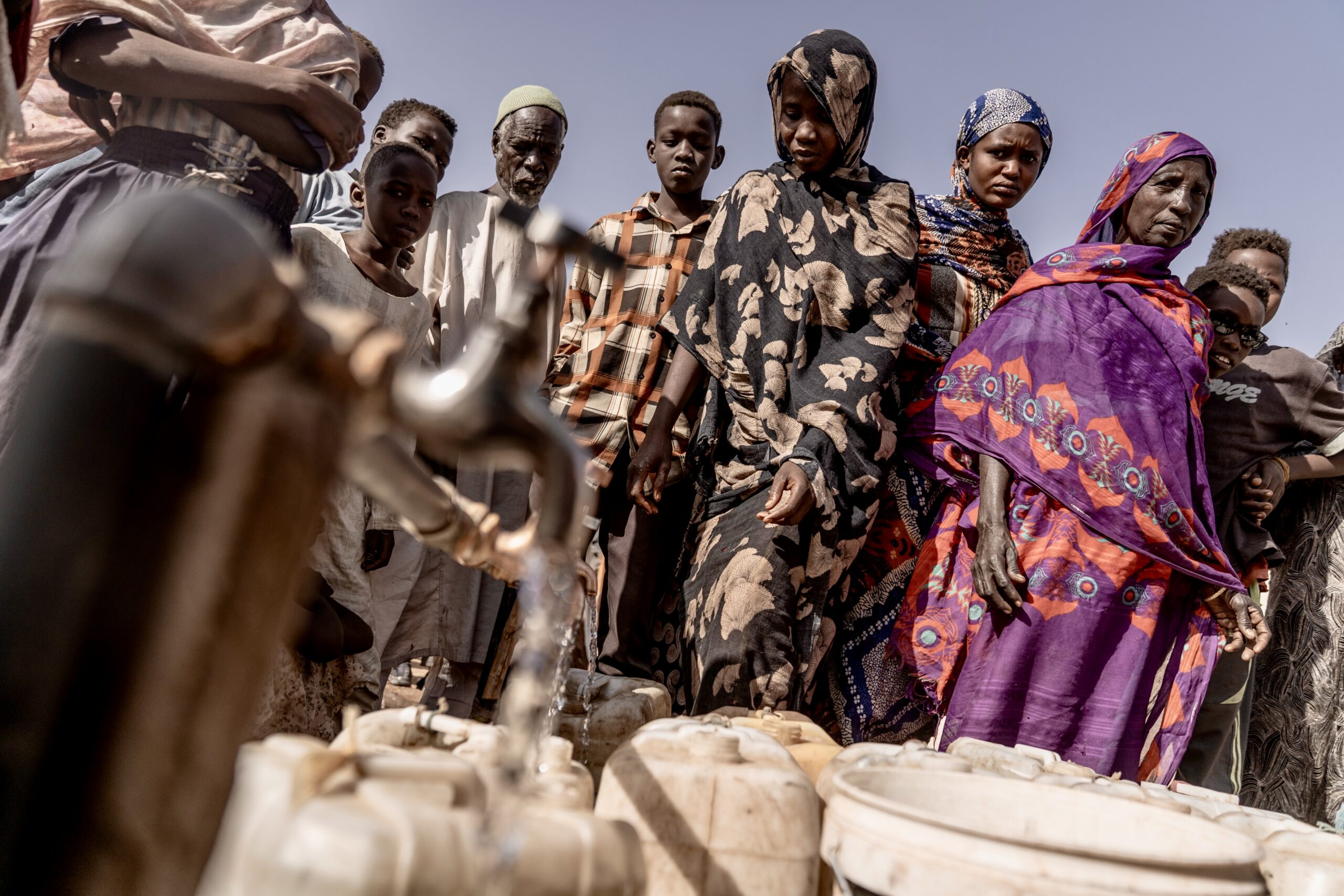
Severe malnutrition crisis grips Kalma Displacement Camp
Rampant malnutrition has gripped Kalma camp in South Darfur, where approximately 2,750 cases were recorded among residents in a single month and roughly 20 malnourished children arrive at clinics every day. The camp, home to around 300,000 displaced people, faces collapsing humanitarian conditions driven by declining food assistance, rising commodity prices, drought, and a failed agricultural season that threatens to deepen hunger across the region.
Local health facilities are critically strained under the influx of sick and starving residents. Adam Rijal, a spokesman for the General Coordination of Displaced Persons and Refugee Camps, stated that health centres receive between 200 and 300 patients daily amid a shortage of medicines and treatment capabilities. Rijal warned that without intervention, these shortages will severely exacerbate food insecurity and malnutrition over the next three to six months.
Rijal also voiced deep alarm over official dismissals of the unfolding disaster, stating that “denying these risks does not change the reality of the suffering of civilians or the indicators monitored by health centres and field sources.” In light of the deteriorating baseline across Darfur, the Committee urged the international community to pressure warring factions into an immediate humanitarian truce of at least 90 days to protect civilians, facilitate relief deliveries, and create conditions for a permanent ceasefire.
Despite these warnings, the Sudanese government continues to reject claims of widespread starvation. On October 29, 2026, the Sudanese Ministry of Foreign Affairs stated that “the strategic stockpile and ongoing agricultural operations were sufficient to meet food needs and achieve stability,” emphasising that Sudan “had not experienced famine, despite the war, the destruction of infrastructure, and the displacement of populations from agricultural production areas.” In at least five major crises in Sudan’s history, authorities have denied famine conditions while simultaneously blocking and targeting humanitarian actors, according to reports from the World Peace Foundation.
International agencies, however, report that hunger is reaching catastrophic levels. The World Health Organization warned on October 12 of an escalating risk of famine in Darfur and Kordofan fuelled by ongoing conflict and severe funding shortfalls. In addition, a coalition of Western and European nations reported on October 26 that roughly 19.5 million people across Sudan face acute food insecurity, including five million trapped in emergency conditions.