

20 October 2026
We have developed a series of weekly news briefs covering major topics of the week to keep our readers informed about the multitude of events taking place in Sudan amidst the ongoing, devastating war.
In this week’s edition:
- Blue Nile: widespread arrests target civil activists amid renewed military clashes
- Drone strikes: three bloody days in Kordofan, Darfur and Khartoum
- Teachers announce strike to coincide with start of new school year
- AFRC: Egyptians bombed areas within Sudan containing 15,000 Sudanese miners
- Sudan faces famine as severe drought wipes out harvests
- Sudan’s army maintains pre-truce conditions despite international peace efforts
- Kordofan: displacement surges amid economic hardships, conflict
 Blue Nile: widespread arrests target civil activists amid renewed military clashes
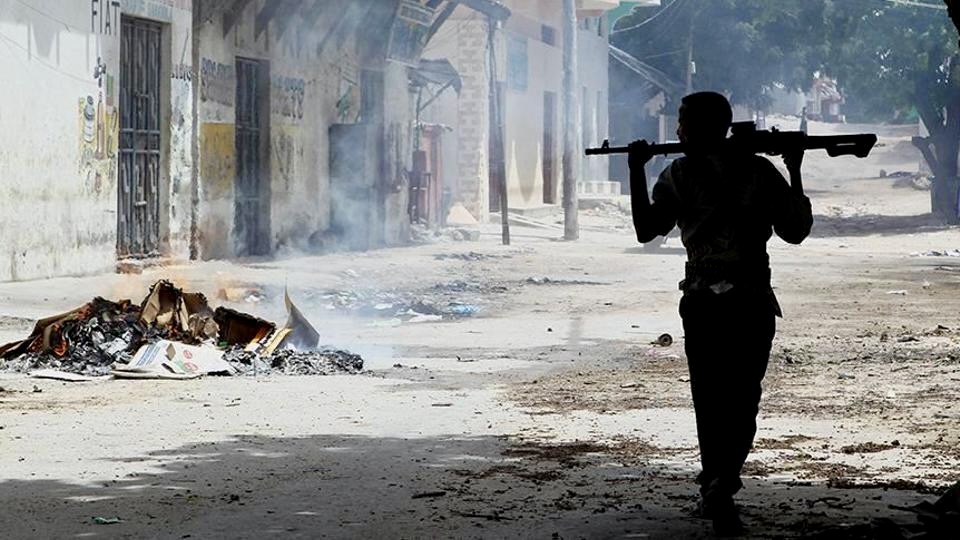
Security authorities in military-controlled areas of Sudan’s Blue Nile State have launched a widespread arrest campaign targeting civil society activists, politicians, and emergency response teams. According to Ali Hajo, head of the Blue Nile Civil Society Initiative, initial estimates indicate that more than 15 civilians have been detained in cities and towns, including Damazin and Al-Roseires.
The detentions are reportedly driven by suspicions of collaboration with the Rapid Support Forces (RSF) or the Sudan People’s Liberation Movement-North (SPLM-N), often selectively targeting individuals based on family ties to affiliated fighters. Hajo condemned the arbitrary nature of the arrests, noting that families are barred from visiting detainees and charges are often delayed for months, prompting demands for immediate releases or fair trials.
This crackdown coincides with renewed military clashes and drone strikes between the Sudanese army and the RSF around the town of Bout in Al-Tadamun province. A local source reported that neither side currently maintains stable control over the contested areas, though the RSF has established training camps and gathering points in the regions south and west of Bout following their withdrawal from Sinja.
Detailing the tactical situation in these contested zones, the local source noted, “The Sudanese army is not stationed in those areas, nor is it conducting any sweeping operations or advancing towards them.” This dynamic has left RSF positions perilously close, estimated to be just two to five kilometres from Bout’s city limits.
The highly fragile security situation has abruptly halted the return of residents to the region and sparked fresh waves of panic. Fearing an imminent attack from the nearby military positions, the local source stated that “some families have been displaced again, with children and the elderly being transferred to the Al-Karama camps in the cities of Damazin and Baw.”
 Drone strikes: three bloody days in Kordofan, Darfur and Khartoum
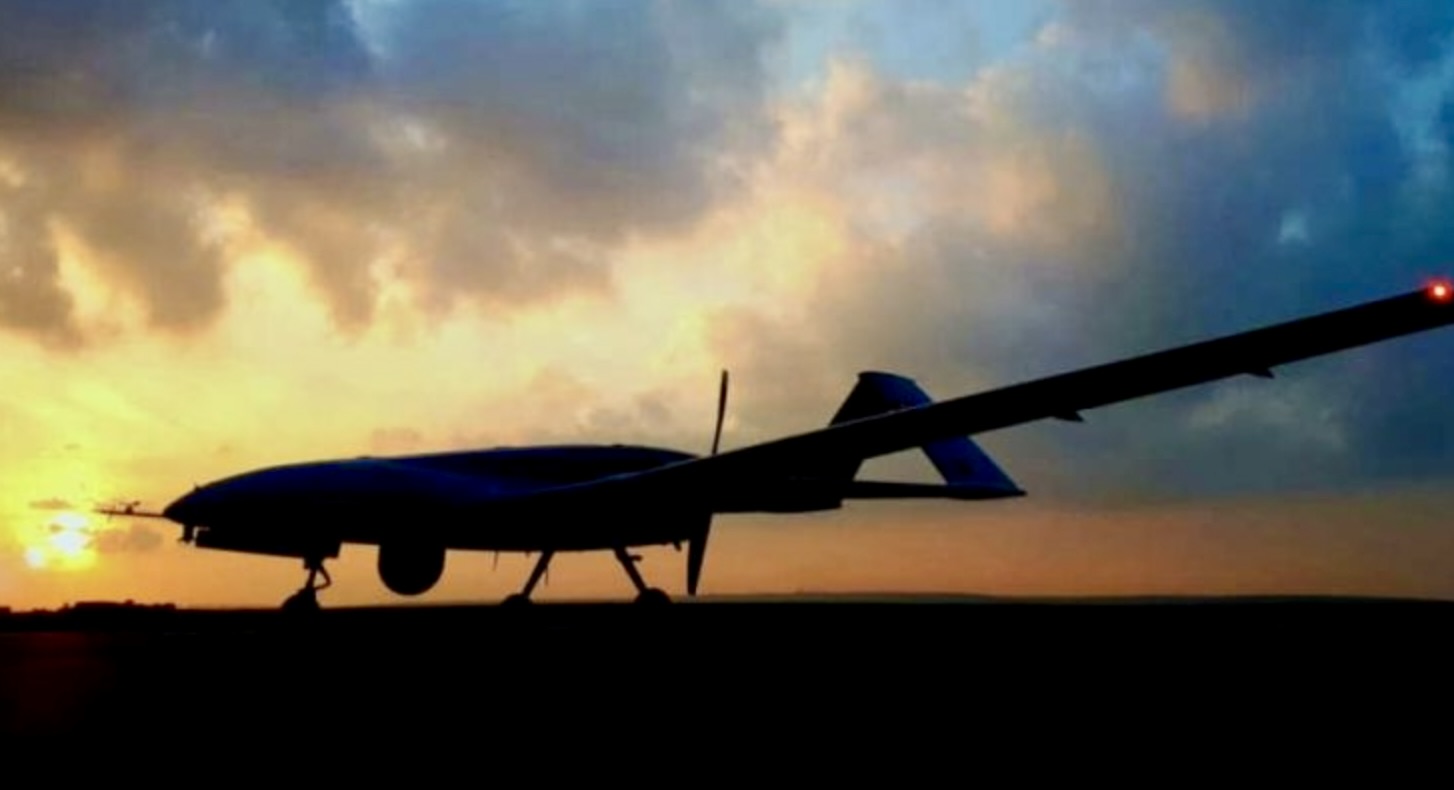
A wave of drone strikes across Kordofan, Darfur, and Khartoum has killed at least 150 civilians in less than a week. Over three consecutive days, devastating attacks included a strike on a commercial vehicle in West Kordofan’s Al-Dabab area that killed approximately 80 people and a bombing at the Al-Naam market, also known as “Amit”, in Abyei that left around 50 dead. Additional strikes killed four family members in West Kordofan, five civilians in East Darfur’s capital of Al-Daein, and three children in Khartoum when an intercepted drone crashed into their home in the Nasser Extension.
The escalating violence prompted immediate diplomatic action from neighbouring South Sudan. Following the Abyei market bombing, South Sudan’s Ministry of Foreign Affairs summoned Sudanese Ambassador Essam Mohamed Hassan Karar. Undersecretary of State Ambassador Agnes Adelino Orifa-Osuha formally protested the civilian casualties, demanding measures to “prevent a recurrence of such attacks and avoid further escalation of tensions in the region.”
The Kordofan Observatory issued a stark warning regarding the surge in violence. In a statement released on Monday, the monitoring group cautioned that the ongoing drone warfare “threatens the safety of markets, residential neighbourhoods, service facilities, and trade and aid corridors.” The Observatory urgently called for “independent and transparent investigations into the attacks that resulted in civilian casualties and for those responsible to be held accountable.”
Meanwhile, Khartoum International Airport was forced to suspend air traffic for three hours on Monday morning, October 19, 2026, following a drone attack on its eastern perimeter. Scheduled flights resumed only after authorities assessed the security situation. The airport’s director confirmed that the facility was intact, stating that “the suspension of flights was a precautionary measure to ensure flight safety.”
This latest disruption at the airport highlights the ongoing struggle to restore normal operations following the devastating conflict between the army and Rapid Support Forces that initially shuttered the facility in April 2023. Although the army regained control of the heavily damaged airport in March 2025, efforts to resume domestic flights have been repeatedly thwarted by security challenges, including a previous series of targeted drone attacks in October 2025.
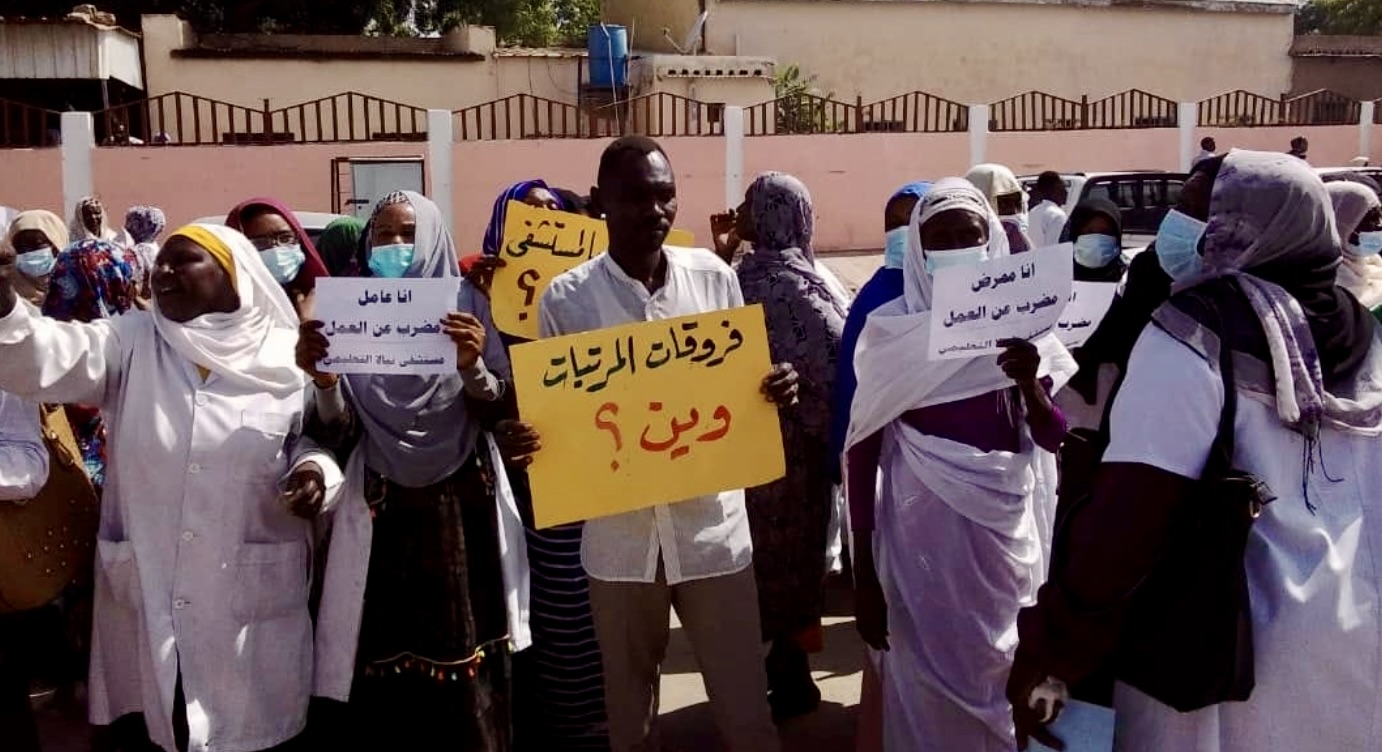
The Sudanese Teachers’ Committee has called for a comprehensive strike on October 21 and 22, directly coinciding with the delayed start of the 2026-2027 academic year in Khartoum State. Educators are demanding improved salaries and the immediate disbursement of overdue financial entitlements, protesting what they describe as the state’s complete abandonment of its responsibilities to the education sector.
In a press statement issued Monday, the committee urged teachers across all localities to adhere to the strike schedule and maintain a united front to secure their rights and ensure their dignity. Condemning the authorities’ continued intransigence, the committee stated, “The government’s evasion of its financial and service obligations will not deter us from continuing our union actions.”
This industrial action underscores the immense hurdles to resuming and stabilising Sudan’s educational process. The ongoing war, which began in April 2023, has severely impacted both students and teachers through mass displacement, disrupted public services, and rapidly deteriorating living conditions across large areas of the country.
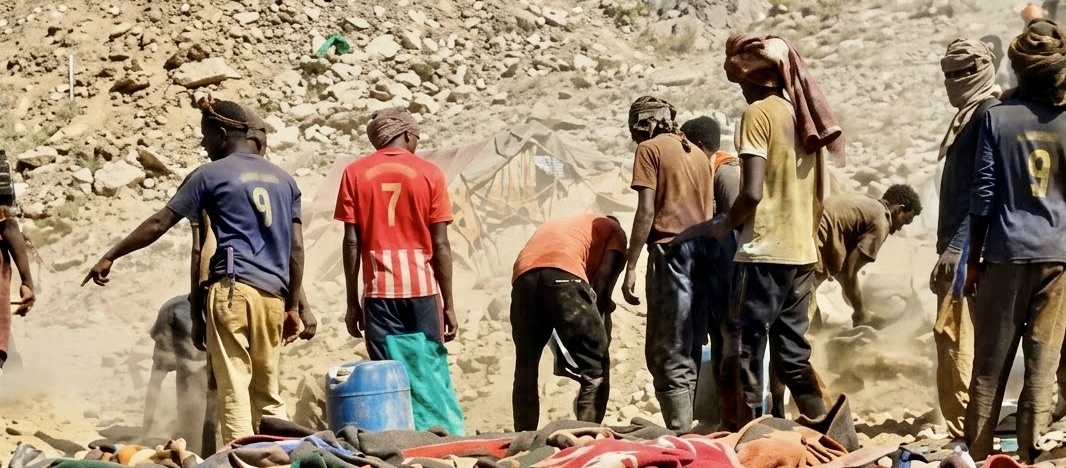 AFRC: Egyptians bombed areas within Sudan containing 15,000 Sudanese miners
In a recent press conference, the Alliance of Forces for Radical Change (AFRC), a left-wing Sudanese civilian political coalition, stated that the Egyptian attack on Sudanese miners took place within Sudanese territory in an area containing 15,000 Sudanese miners.
Egyptian fighter jets conducted deadly airstrikes on October 10 in the North Valley region between the Red Sea and River Nile states, killing 72 people, according to the Emergency Lawyers Association. The Association said the bombings targeted remote territories currently inhabited by an estimated 12,000 to 15,000 artisanal miners. Previously the Egyptian military claimed in a statement that the strikes took place within their territory “to combat illegal gold ore mining” and “to impose full sovereignty within the borders of the Egyptian state.”
Al-Hadi Habani of the AFRC condemned the military aggression, which he claims is inside Sudanese territory, and warned that the unprovoked attacks could impose a new geopolitical reality, describing it as a “scenario” similar to the ongoing Egyptian occupation of the Halaib Triangle, Shalateen, and Abu Ramad regions since the 1990s.
Habani further announced that the Alliance will submit a memorandum to the United Nations detailing the territorial encroachment and Egypt’s exploitation of the ongoing conflict between the national army and the Rapid Support Forces.
In response to the escalating crisis, the Sudanese Transitional Sovereignty Council announced the formation of an official investigation committee to examine the “miners’ incident on the Sudanese-Egyptian border,” although it provided no additional details.
Meanwhile, the Communist Party issued a strong statement condemning the aggression and demanding the immediate withdrawal of Egyptian military equipment from the mining areas. This recent bombardment marks a severe escalation, following a previous round of deadly Egyptian airstrikes in the North Valley region last June that also resulted in dozens of casualties.
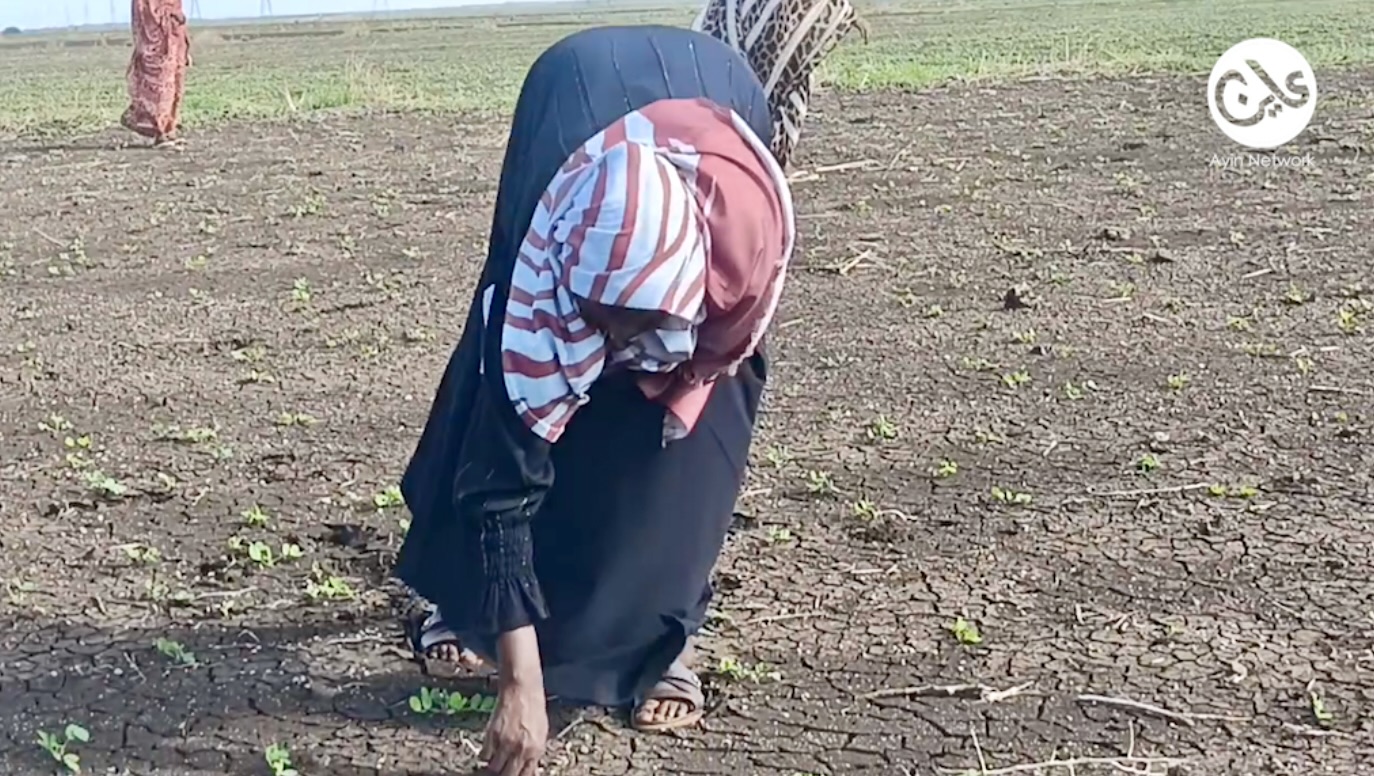 Sudan faces famine as severe drought wipes out harvests
The World Food Programme (WFP) has warned that an El Niño-driven drought threatens to exacerbate food insecurity across Sudan, hitting vital agricultural zones at a time when two out of every five citizens are already suffering from hunger due to ongoing conflict. In a statement published on X, WFP Country Director Abdallah Al-Wardat stated that this wave of the phenomenon—considered among the strongest on record—strikes key economic food-producing regions. Calling on the international community for urgent action, Al-Wardat emphasised that early intervention costs only a fraction of a delayed response and that the WFP requires $134 million to fund immediate relief efforts.
Local emergency monitoring networks are already reporting widespread agricultural collapse. In North Darfur State, the Tawila Local Emergency Room announced the failure of this year’s agricultural season due to the lack of rainfall, wiping out the livelihoods of local farmers and newly displaced populations who depend entirely on rain-fed agriculture. Similarly, the emergency response room in Kutum reported that a critical shortage of drinking water and grazing pastures has forced residents to sell livestock at rock-bottom prices simply to purchase food after crops failed.
Humanitarian researcher Nahla Hassan told news outlet Ayin that the WFP’s appeals have arrived far too late, noting that severe drought has gripped the country since the rainy season failed to materialise in May, leaving farmers with no recourse for their sown seeds. The emergency is further compounded by severe international funding shortfalls; UN humanitarian agencies have implemented only 40% of their response plan this year, having secured less than $1 billion of the more than $2 billion required.
“Drought, the failure of the agricultural season, and the threat of war to agricultural areas in the Blue Nile coincide with a severe economic crisis and a 200% increase in the prices of bread and food commodities compared to what they were two months ago,” Nahla told Ayin. “This means putting millions of Sudanese within the range of famine.”
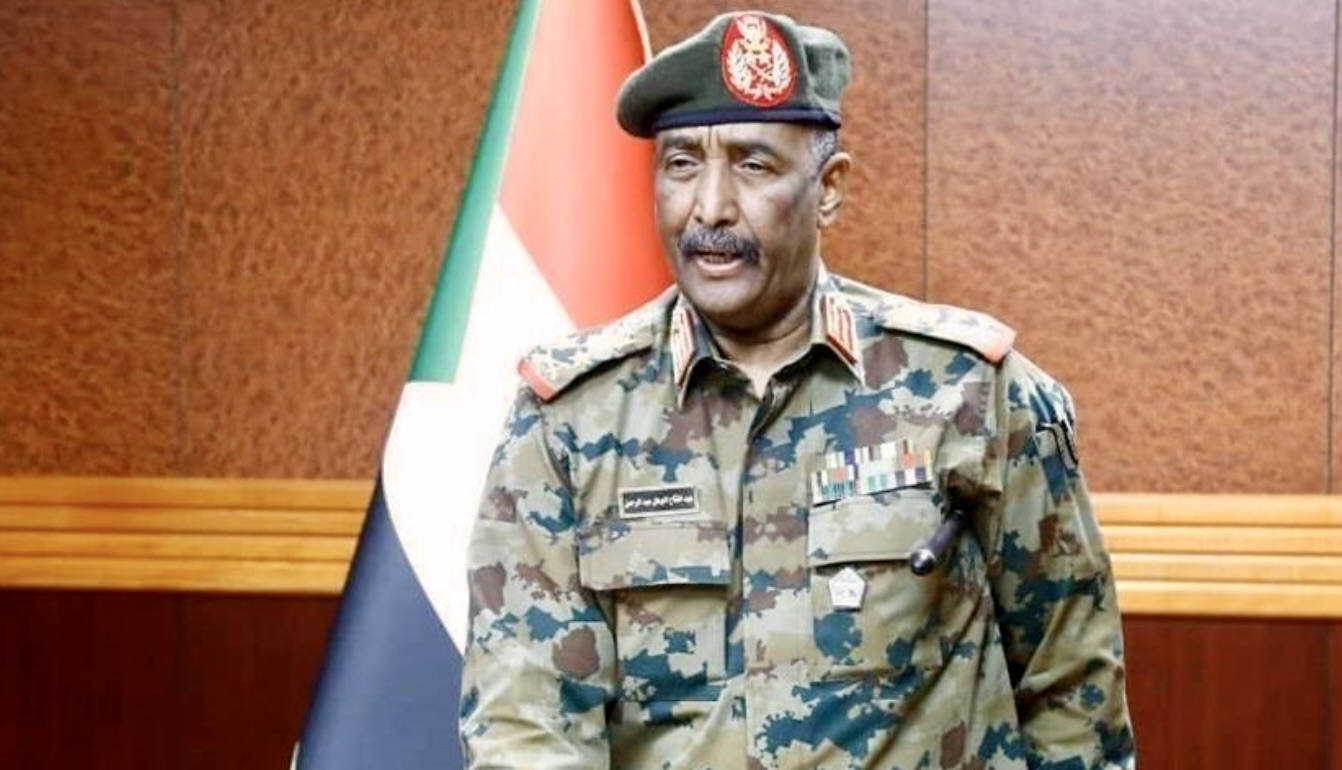 Sudan’s army maintains pre-truce conditions despite international peace efforts
Sudan’s army chief, Abdel Fattah al-Burhan, has affirmed his commitment to American-sponsored peace efforts in a letter sent to US President Donald Trump, though Khartoum continues to demand strict preconditions for a ceasefire. While Washington has urged an immediate humanitarian truce without preconditions, subsequent clarifications from Sudanese officials show the government remains steadfast on requiring the Rapid Support Forces (RSF) to withdraw from urban centres before halting hostilities.
Writing on the “X” platform, Burhan stated that he had assured Trump of the government’s readiness to work in good faith toward a settlement that preserves Sudan’s sovereignty, unity, territorial integrity, and the dignity of its people. Washington’s proposal outlines a 90-day humanitarian truce accompanied by a United Nations-led mechanism to oversee limited RSF withdrawals from priority areas such as North Darfur and North Kordofan, serving as a prelude to comprehensive political dialogue toward civilian governance. The US has not yet commented directly on Burhan’s letter.
Sudan’s representative to the UN, Al-Harith Idris, reinforced Khartoum’s terms during an address to the Security Council on October 16. Idris linked any truce implementation to a scheduled withdrawal of the RSF from civilian homes, vital infrastructure, and residential areas into internationally monitored assembly points. He also demanded the removal of foreign fighters, an immediate halt to weapons and financial flows to the RSF to prevent rearmament, and pre-established mechanisms to verify compliance.
Clarifying the military leadership’s position, Burhan’s political and foreign affairs advisor, Amjad Farid, stated that the government “did not reject the American initiative but rather presented its own vision for its implementation.” Farid explained that Burhan’s letter offered a practical proposal to resolve disagreements through upcoming technical consultations involving the United States and Saudi Arabia. He emphasised that Khartoum refuses to settle for a temporary 90-day truce that merely delays a resumption of conflict, instead aiming for an arrangement that marks the first step toward permanently ending the war.
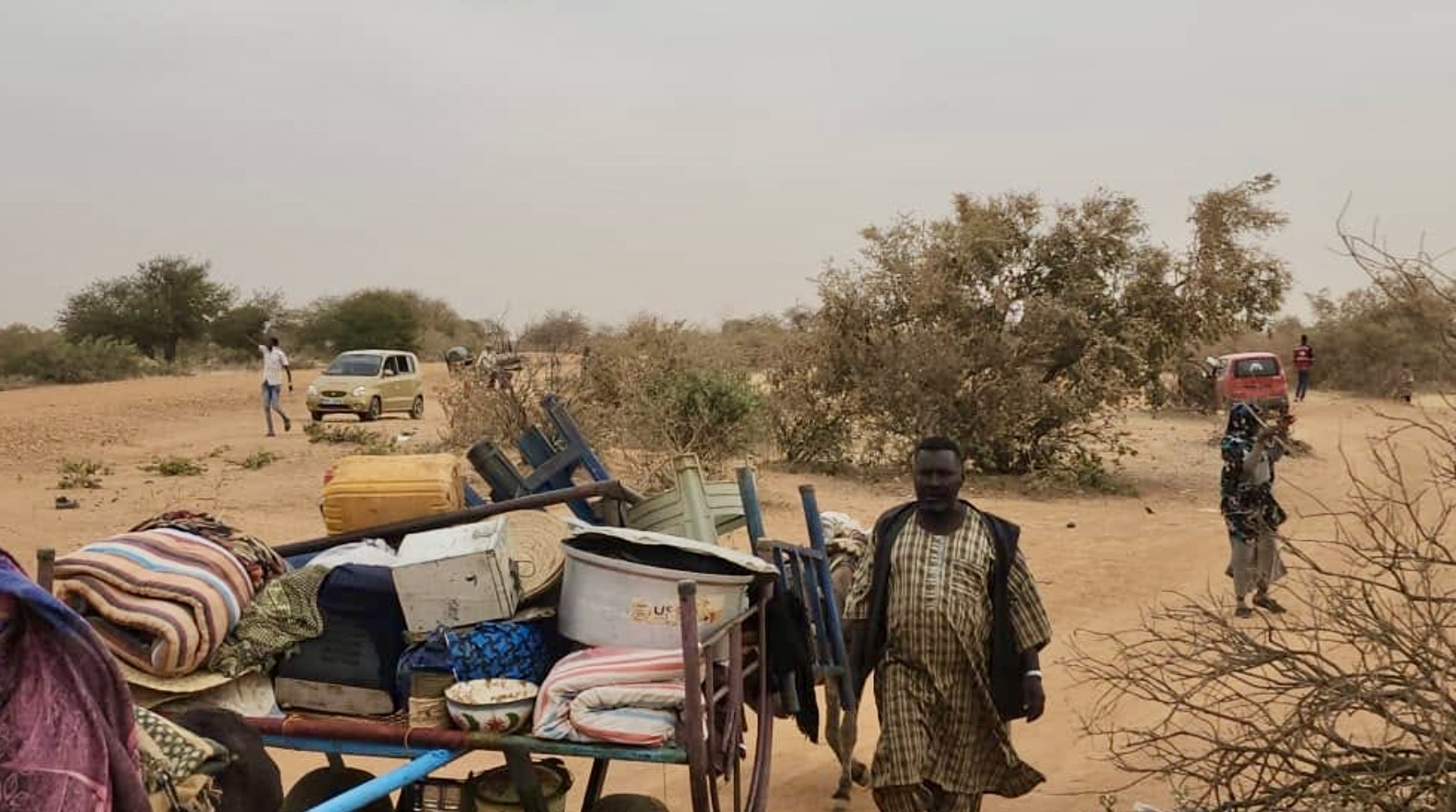 Kordofan: displacement surges amid economic hardships, conflict
The humanitarian crisis across Kordofan has deepened, with growing numbers of residents fleeing toward El Obeid and onwards to Omdurman in search of basic livelihoods. According to local sources and residents who spoke to Ayin, the displacement has been triggered by the collapse of the agricultural season, widespread loss of income, and skyrocketing food prices. Although ground combat saw a temporary lull this week, escalating drone strikes across multiple locations in Kordofan have continued to cause civilian casualties.
Compounding the crisis, displaced populations face severe cash shortages alongside exorbitant living expenses. Residents told Ayin that currency exchange agents are charging steep commissions to convert digital funds from the “Bankak” application into physical currency, with transaction fees consuming up to “half the transferred amount” in localities such as El Nuhud, Ghabish, and Wad Banda. To afford high travel fares, several families have resorted to selling their household possessions, while many others remain stranded without the funds required to leave.
Local monitors have issued urgent appeals for humanitarian intervention to reach stranded communities with food and emergency relief, warning that the economic and security breakdown has devastated families dependent on farming and livestock herding. These conditions reflect recent findings from the Integrated Food Security Phase Classification (IPC), which cautioned that parts of Kordofan and Darfur face a heightened risk of famine driven by active conflict, mass displacement, drought, and a critical shortfall in humanitarian funding.