

1 September 2026
To keep our readers informed of the multitude of events taking place in Sudan amidst the ongoing, devastating war, we have developed a series of weekly news briefs covering major topics of the week.
In this week’s edition:
- Sudanese dialogue launches amid growing political boycott
- RSF field commander leads new wave of defections to army
- Sudanese currency plummets as government blames market speculation
- Landmines and insecurity block displaced from returning to North Kordofan
- Fresh Fighting in South Kordofan displaces over 300 people
- At least 16 Sudanese dead in Egyptian custody, rights group reports
- Escalating Blue Nile clashes force 20,000 to flee as army reinforces frontlines
- Amri residents launch sit-in at Nile poultry company over profit-sharing dispute
- Eight civilians killed in targeted drone strike
 1) Sudanese dialogue launches amid growing political boycott
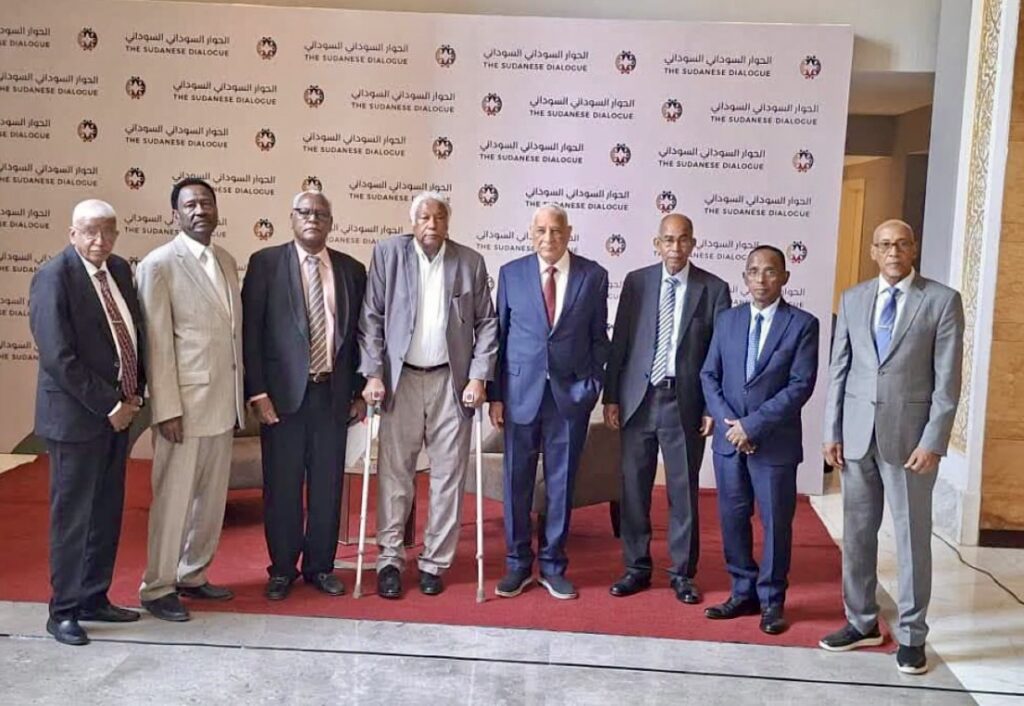
The “Sudanese Dialogue” initiative, ostensibly designed to usher in peace and a political transition, officially launched consultations on Sunday from Khartoum.
Academician Qasim Badri, head of the steering committee, told a press conference that holding the dialogue inside the capital serves as a “great advantage” for national ownership of the process. Media committee head Osman Mirghani Al-Hussein emphasised that the committee’s immediate focus is on creating a conducive atmosphere and building trust, asserting that “the task of uniting the Sudanese people is neither difficult nor impossible.”
In contrast, the Sudanese Declaration of Principles Forces rejected the initiative, arguing that conducting discussions under military control perpetuates geographical divisions and risks legitimising the continuation of the war.
The opposition coalition strongly condemned the African Union Commission’s endorsement of the talks, accusing the regional bloc of acting as “a partner in marketing a fake dialogue” rather than an impartial mediator. The African Union Commission had previously welcomed the dialogue led by an independent committee of “wise men,” expressing hope that it would support regional roadmaps towards a unified sovereign state.
Responding to the regional backing, Mirghani described the African Union’s position as “a critical step” that provides vital momentum for ending the conflict and restoring national stability.
 2) RSF field commander leads new wave of defections to army
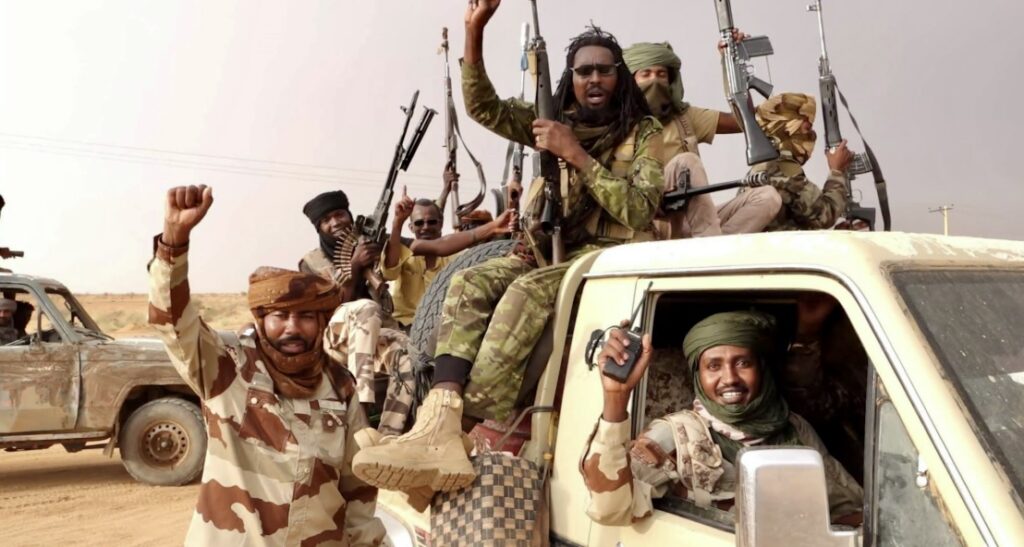
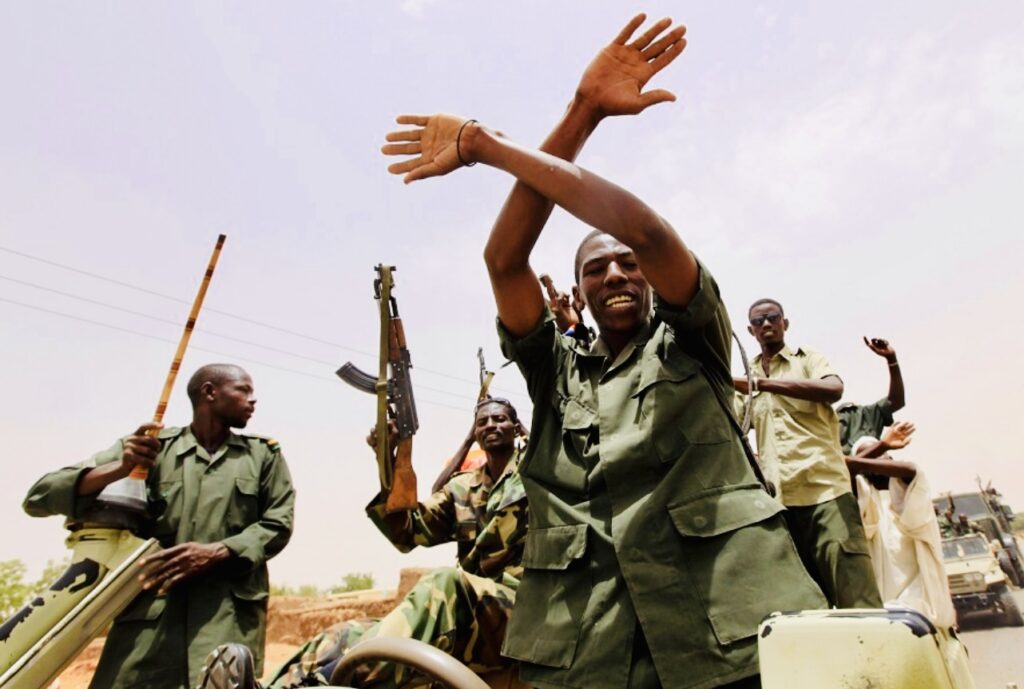
A military force of approximately 200 fighters, led by field commander Abu Bakr Hamouda Dahloub, has defected from the Rapid Support Forces (RSF) and aligned with the Sudanese army in Omdurman.
The defecting unit, which arrived fully equipped with military vehicles and weaponry, includes prominent figures such as Dahloub, who previously commanded the RSF Special Missions Intelligence Division in North Kordofan.
Field sources indicated that Dahloub belongs to the Mahamid tribe under Musa Hilal, a group that has seen several key commanders break away from the RSF recently.
Speaking upon his arrival in Omdurman, Dahloub confirmed his group’s complete integration into army operations, publicly stating that they had “made a mistake by joining the RSF.” The commander called on remaining RSF fighters across active combat zones to abandon the paramilitary group and join the ranks of the national armed forces.
This latest shift comes amidst an accelerating wave of internal breakaways, most notably marked by the October 2024 defection of Sudan Shield commander Abu Aqla Keikil along with thousands of troops.
Recent months have also witnessed high-profile breakaways by senior leaders, including Major General Al-Nur Ahmed Adam and Brigadier General Ali Rizqallah, across Kordofan and Khartoum.
 3) Sudanese currency plummets as government blames market speculation
The Sudanese pound has suffered a dramatic decline in the parallel market, with the US dollar jumping from 6,100 to 6,550 pounds and the Emirati dirham reaching 1,840 pounds.
Currency traders in Omdurman attributed the surge to intense commercial demand for imported goods coupled with the commercial banking sector’s inability to supply foreign currencies.
In response to the economic slide, an emergency government committee, headed by Defence Minister Hassan Kapron, accused private companies and organisations of illegal currency speculation and gold smuggling. Official statements confirmed that the committee is preparing strict regulatory directives for higher authorities aimed at curbing financial violations and safeguarding national economic stability.
However, economic analyst Omar Abshar countered the government narrative, explaining that “Any rise in the currency is linked to the entry of companies and government entities to buy foreign currency for the purpose of importing, and the government is unable to deter them because they are influential institutions.” Abshar noted that military authorities have failed to control the runaway exchange rate, citing the buying and selling of gold as one of the causal factors affecting exchange rates detrimentally.
 4) Landmines and insecurity block displaced from returning to North Kordofan
 5) Fresh Fighting in South Kordofan displaces over 300 people
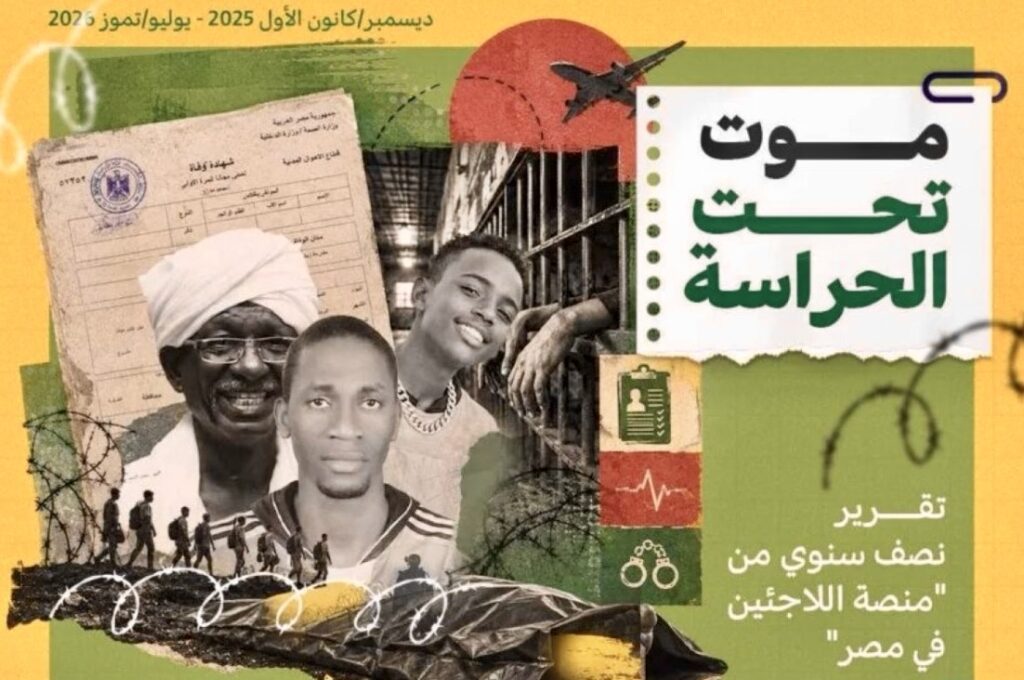 6) At least 16 Sudanese dead in Egyptian custody, rights group reports
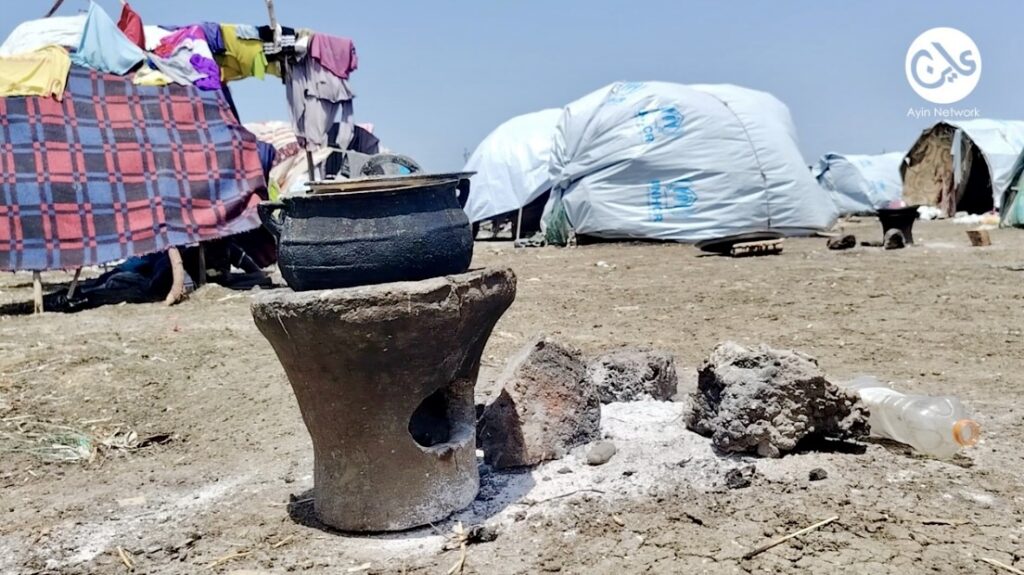 7) Escalating Blue Nile clashes force 20,000 to flee as army reinforces frontlines
 8) Amri residents launch sit-in at Nile poultry company over profit-sharing dispute
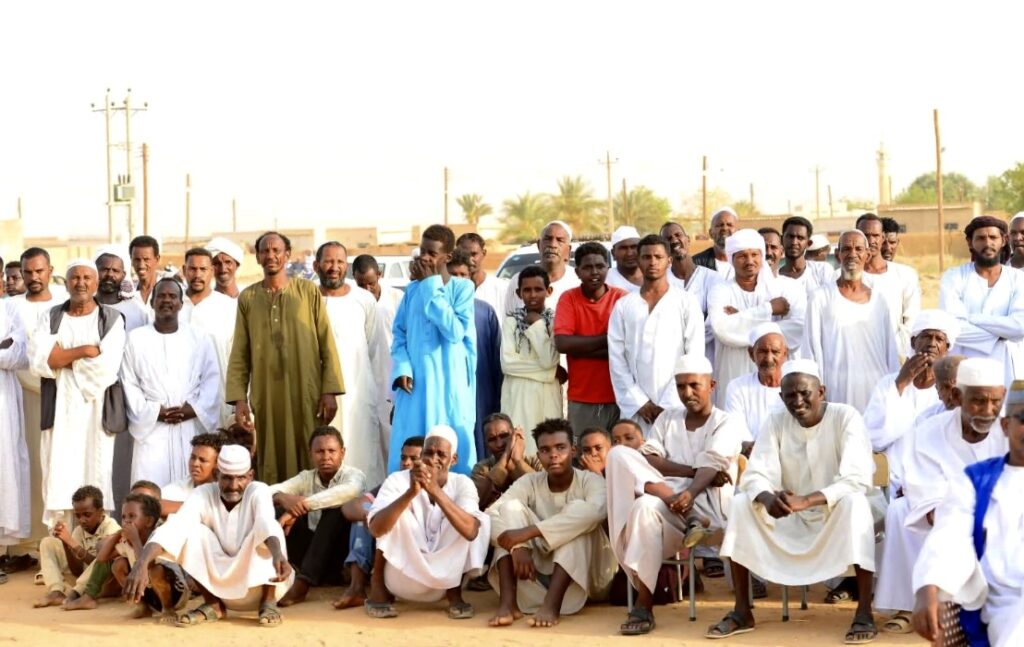
Displaced residents of northern Sudan’s Amri region have mounted a 72-hour peaceful sit-in at the headquarters of the Nile Poultry Company, demanding a fair share of corporate profits and immediate compensation for environmental and health impacts.
The demonstration follows widespread local outrage over new ministerial decisions regarding the ownership, asset distribution, and profit allocation of the facility. Established as a community-support project linked to the construction of the Merowe Dam, the company operates on lands long held by the local population. Protesters argue that authorities have systematically excluded the community from benefiting from the project, despite residents bearing the brunt of its operational health and environmental consequences.
Demonstrators are calling for an immediate overhaul of the company’s ownership structure, demanding that the majority of profits be redirected to rehabilitate the drought-stricken Amri Agricultural Project. Speaking to Ayin, local resident Mohammed Al-Awad confirmed the demonstration began Sunday under strict self-imposed guidelines: protesters are strictly avoiding company offices, maintaining peaceful decorum, and allowing daily production activities to proceed uninterrupted.
Al-Awad warned that community members are keeping all options open should corporate and state officials fail to address their grievances before the 72-hour deadline expires.
Neither government representatives nor Nile Poultry Company management have issued an official response to the protest. The company has previously limited its public statements to affirming its general contribution to regional food security and community partnerships.
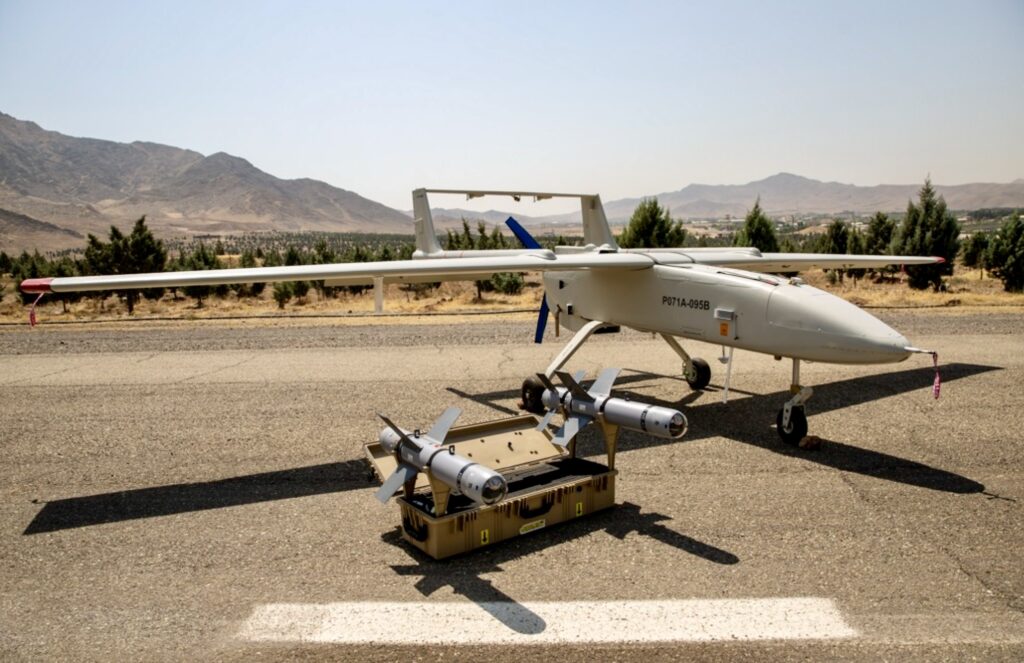 9) Eight civilians killed in targeted drone strike