

26 August 2026
To keep our readers informed of the multitude of events taking place in Sudan amidst the ongoing, devastating war, we have developed a series of weekly news briefs covering major topics of the week.
In this week’s edition:
- United States proposes expanding the arms embargo to all of Sudan
- Hunger forces residents in Kordofan to eat animal feed
- Egyptian government officially takes over the refugee file
- Battles in the desert and accusations against the army of bombing Chad
- Otoro community accuses SPLM-N of breaking ceasefire in Kauda
- Civil forces reject Burhan’s dialogue and propose a new peace plan
- Bank of Sudan rejects electronic update of customer data
- Sudanese army begins arrangements to integrate fighters
- Sentencing of pharmacist in El Obeid sparks human rights controversy
 1) United States proposes expanding the arms embargo to all of Sudan
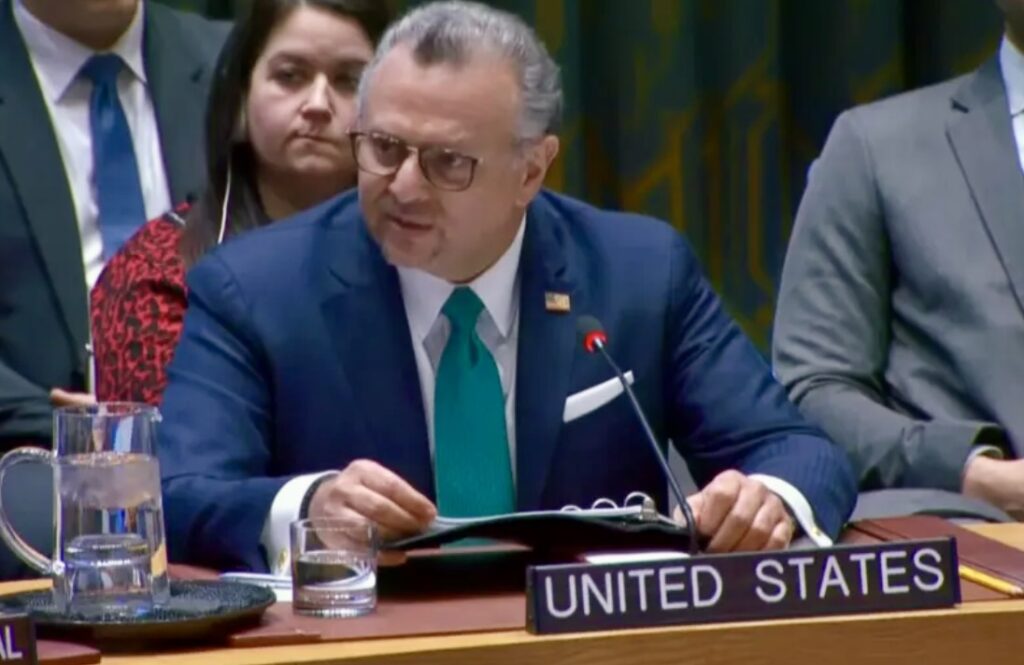
The United States has presented a proposal to the UN Security Council to expand the Darfur arms embargo (Resolution 1591) to encompass all of Sudan, specifically targeting drones and related technologies. US Advisor Massad Boulos outlined that the resolution aims to pressure warring factions into peace, expand the Sanctions Committee’s Panel of Experts, and strengthen regional coordination.
“These weapons caused more than 1,120 civilian deaths during the first half of the year, representing about 80% of the civilian deaths recorded during that period,” Boulos stated in the Council session.
Boulos accused both the Rapid Support Forces (RSF) and the Sudanese Armed Forces of prioritising territorial gains over peace. He noted that the attacks were not limited to combat zones but also targeted markets, health facilities, aid convoys, and vital infrastructure. He accused the Rapid Support Forces of obstructing aid deliveries and attacking water stations and electricity networks.
“The Sudanese Armed Forces carried out more than 12 attacks and raids using drones during August in North and South Kordofan, including an attack on Jebra Sheikh that he said resulted in the killing of five civilians.” The proposal was met with support from Britain, France, and Denmark but faced opposition from Sudan, Russia, and China. Russian delegate Vasily Nebenzya opposed the expansion, arguing that both sides cannot be held equally responsible and accused the RSF of more indiscriminate drone attacks than the army.
Meanwhile, Sudan’s UN representative, Al-Harith Idris, rejected the move as an infringement on sovereignty that unfairly equates the national army with the Rapid Support Forces. Idris says the Sudanese government had, however, accepted in principle the US proposal regarding a truce arrangement that would follow the embargo but had some contentions in terms of implementation. The representative also presented a 90-day humanitarian truce plan endorsed by the army head Abdel Fattah al-Burhan.
Legal advisor Mutasim Abu al-Bashar observed that the proposal is unlikely to pass due to Russian and Chinese veto power. “The American approach is fundamentally political in nature and aims to increase pressure on the parties to push them to negotiate and deal with the humanitarian consequences of the war.” He added that the proposal seeks to limit external support for the warring parties but cited enforcement challenges. “The arms embargo imposed on Darfur under Resolution 1591 has not been effectively and fully implemented, which could limit the practical results of any further expansion.”
 2) Hunger forces residents in Kordofan to eat animal feed
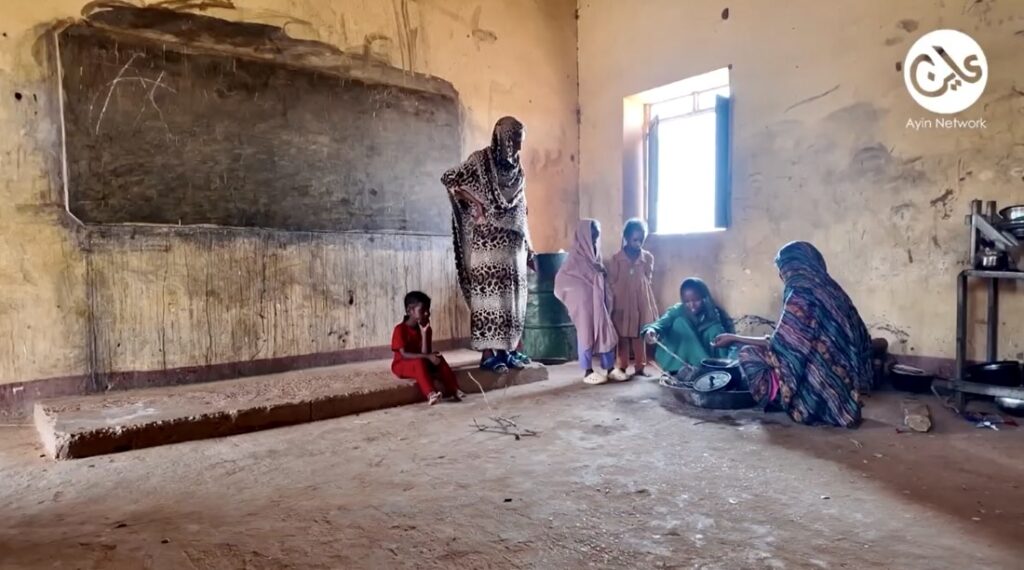
A severe food crisis driven by soaring prices and interrupted aid has forced residents in North and West Kordofan to consume “ambaz”—a peanut pressing residue typically used as animal feed.
Recent clashes around El Obeid have completely halted trade, leaving locals in Al-Nuhud, Wad Banda, Al-Khuwai, and Al-Mujlad dependent on increasingly unaffordable sorghum. Local sources report that some of these areas have not received humanitarian aid in over three years.
According to a local humanitarian worker, some areas have not received humanitarian aid since the start of the war, forcing families to seek inexpensive alternatives such as millet despite the health risks associated with consuming it as a staple food. “Residents are suffering from a lack of income, while the price of a sack of millet has risen to 35,000 Sudanese pounds, an amount beyond the means of most people,” the aid worker said. A local resident in Fuga told Ayin that even the animal feed ambaz is becoming scarce due to the high demand.
The logistical hurdles of moving food through conflict zones continue to drive up costs. “Food supplies, including millet, reach the areas of Al-Nuhud and Wad Banda via the city of Al-Daein in East Darfur State, passing through several checkpoints imposed by the Rapid Support Forces,” one trader told Ayin. “This leads to increased transportation costs and higher prices for goods when they reach local markets.”
 3) Egyptian government officially takes over the refugee file
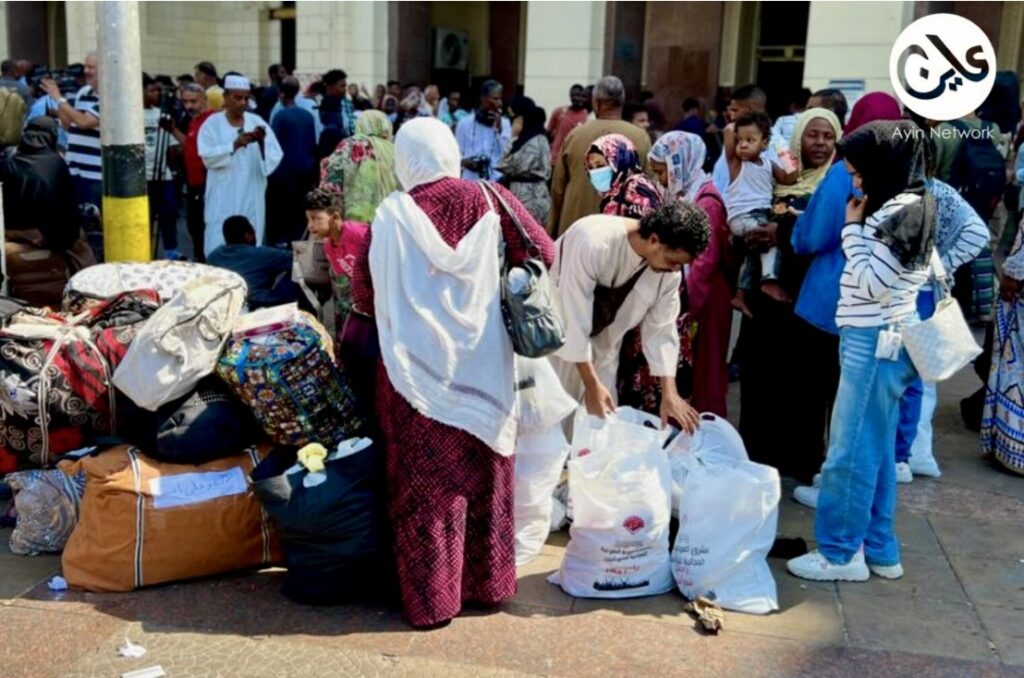
On August 23, 2026, the Egyptian government formally assumed control of the country’s refugee and asylum seeker file from the United Nations High Commissioner for Refugees (UNHCR). Following the June 2026 executive regulations for the Foreigners’ Asylum Law, the newly established “Permanent Committee for Refugee Affairs” now holds full responsibility for managing asylum applications.
This transition has sparked fear among the hundreds of thousands of Sudanese who fled to Egypt following the outbreak of war in April 2023. “The new procedures raise concerns that the assessment of asylum seekers’ status will be based on security considerations rather than humanitarian ones,” says Ahmed Shams El-Din, a researcher specialising in Sudanese refugee issues.
Under the new rules, asylum seekers arriving through legal ports have six months to submit residency applications to the Standing Committee. “Asylum seekers will have to go to the government committee headquarters in Cairo and other Egyptian governorates to apply for legal residency,” Shams El-Din said. “This measure also means that the United Nations has quietly withdrawn from its responsibilities and obligations towards refugees.”
There is also widespread uncertainty regarding future support for displaced populations. “The United Nations has not clarified whether it will allocate financial funding for refugee communities and the services provided to them through this governmental committee or whether it will provide them itself.” He further cautioned that the shift could lead to an increase in arrest and detention campaigns against refugees.
 4) Battles in the desert and accusations against the army of bombing Chad
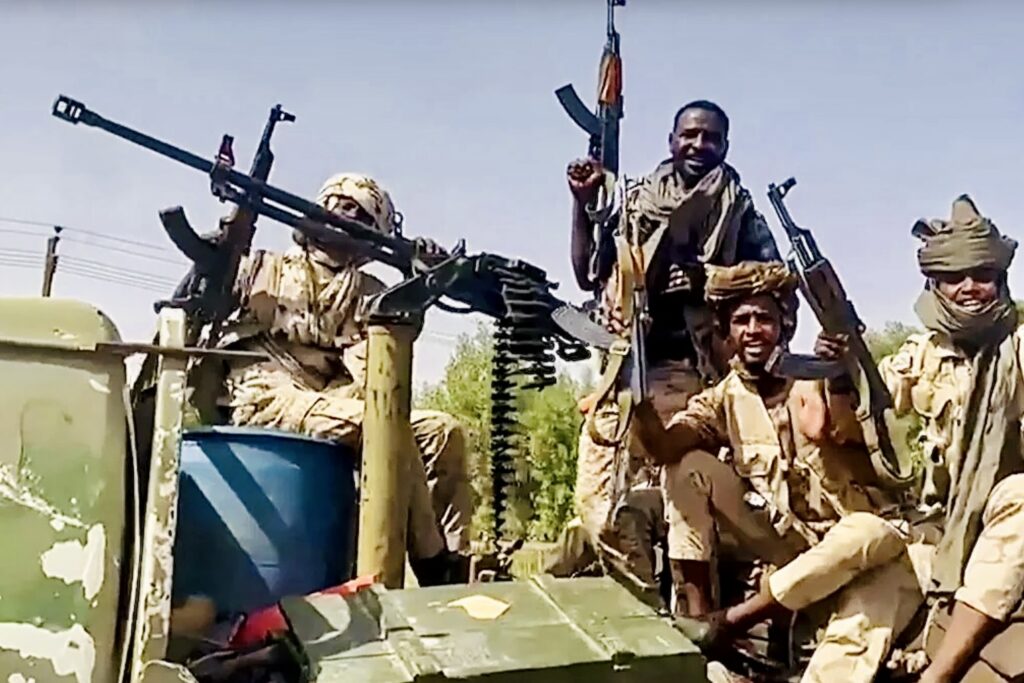
Fierce military clashes erupted last Sunday between the Rapid Support Forces (RSF) and Joint Forces allied with the Sudanese army in the Wadi Hawr desert region near the Sudanese-Chadian-Libyan border.
The Joint Forces claim that they ambushed the RSF after airstrikes scattered the latter inside Chadian territory. In a subsequent statement, the joint force announced the destruction of 49 RSF vehicles, the seizure of 30 intact vehicles, and the capture of approximately 70 RSF, while mourning the loss of four of its own, including Major Abdul Rahman Kasoufo.
At the same time, the Chadian military accused the Sudanese army and its allies of conducting airstrikes deep inside Chad. General Chanan Isaac Cheikh stated that aircraft and drones targeted a convoy more than 100 kilometres from the border, prompting Chad to put its units on high alert. He warned that Chad “reserves the right to take the necessary measures to defend its national sovereignty and to confront any threat targeting its territory.”
In a separate incident, local residents in South Darfur reported that drones struck the eastern and northern neighbourhoods of Nyala last Thursday. This follows a pattern of recent airstrikes targeting suspected RSF positions near Nyala Airport, Al-Riyadh, and Nyala University.
 5) Otoro community accuses SPLM-N of breaking ceasefire in Kauda
 6) Civil forces reject Burhan’s dialogue and propose a new peace plan
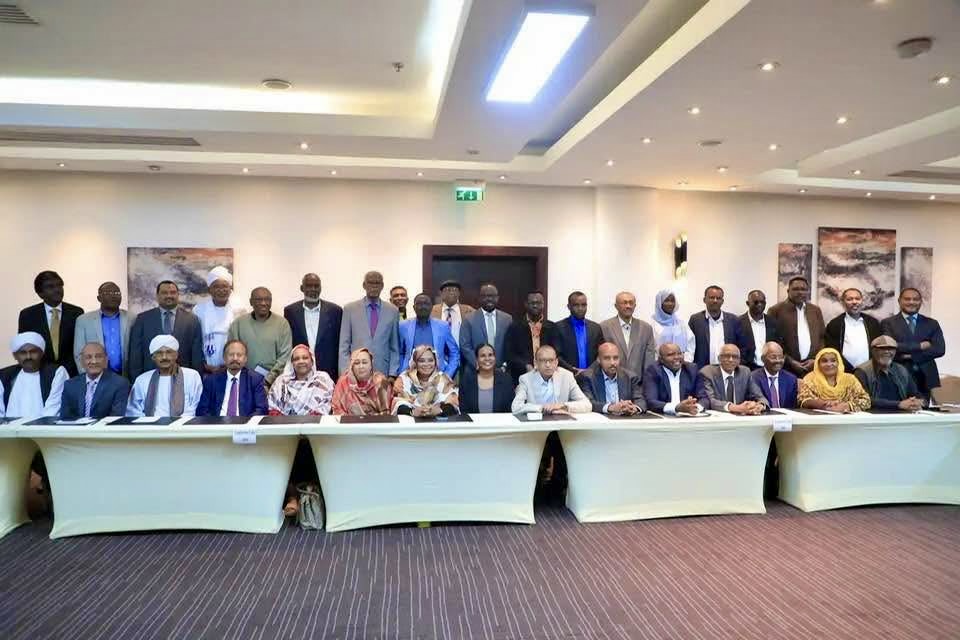
A coalition of anti-war Sudanese political and civil forces has rejected a call by Army Commander Lt-Gen Abdel Fattah al-Burhan for an internal Sudanese-Sudanese dialogue. Following meetings in Addis Ababa, Ethiopia, groups including the “Somoud” alliance, the Arab Socialist Ba’ath Party, and the Umma Party issued a joint position paper arguing that holding talks in military-controlled areas would merely legitimise the country’s de facto division.
The coalition asserted that conducting political dialogue amid ongoing military operations and a worsening humanitarian crisis lacks credibility. They emphasised that prioritising a ceasefire, protecting civilians, and opening humanitarian corridors must precede any political settlement.
Instead of Burhan’s proposal, the anti-war forces outlined three parallel tracks for peace: a humanitarian track for aid and refugee returns, a ceasefire track beginning with a truce and leading to a permanent halt in hostilities, and a comprehensive political track to address the root causes of the crisis.
The coalition endorsed the September 2025 Quartet Roadmap and expressed a willingness to engage with the Quintet Mechanism, provided the process remains entirely Sudanese-owned. They also demanded the exclusion of the National Congress and its Islamic movement from future political processes while advocating for the inclusion of women, youth, refugees, and civil society.
 7) Bank of Sudan rejects electronic update of customer data
The Central Bank of Sudan has clarified that customers cannot solely rely on the government’s digital identity platform, “SudaPass,” to update their banking data, contradicting recent advice from the Ministry of Communications.
In a formal statement, the Central Bank emphasised that all customers must visit bank branches in person to complete their data updates. The bank stated this requirement is essential to safeguard public deposits and customer funds and ensure compliance with international anti-money laundering and counter-terrorism financing standards.
Directives for data updates and account classification have been in place since February 2026. Customers have until the end of the year to complete the process in person to maintain their accounts.
Financial analysts have raised concerns that this physical requirement could act as a restriction on customers living in areas controlled by the Rapid Support Forces. The measure also comes amid strained diplomatic relations between Khartoum and the UAE—the main partner in the Bank of Khartoum—over allegations of RSF funding.
 8) Sudanese army begins arrangements to integrate fighters
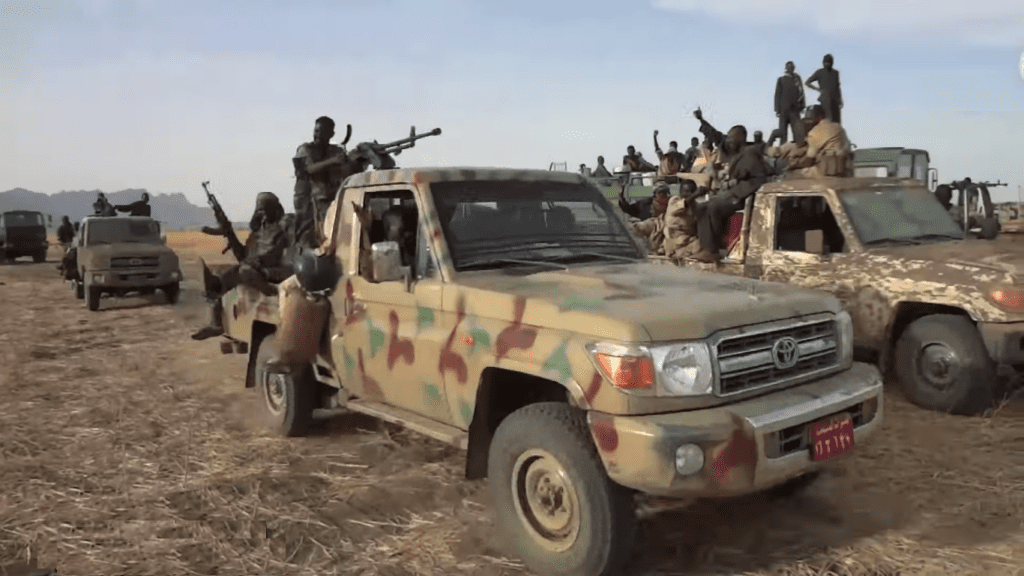
Army Chief Abdel Fattah al-Burhan announced the full integration of the Sudan People’s Liberation Movement-North (SPLM-N) forces under Sovereignty Council Vice-Chairman Malik Agar into the national armed forces. The integration of the troops is part of the security arrangements outlined in the 2020 Juba Peace Agreement.
This announcement, made during a police graduation ceremony in Khartoum on August 24, follows the recent absorption of the Justice and Equality Movement forces, led by Finance Minister Jibril Ibrahim, into the army’s ranks.
Defence Minister Lt-Gen Hassan Kabroun said in a Sudan TV interview that all military formations will eventually fall under the umbrella of the national armed forces. “Our vision is that in the post-war period there will be no military groups outside the Sudanese army,” Kabroun said. Kabroun claimed that anyone who joins the army is welcome and that those injured in battle would receive compensation.
 9) Sentencing of pharmacist in El Obeid sparks human rights controversy
The El Obeid Criminal Court has sentenced pharmacist Dr Ahmed Suleiman Ahmed Al-Waqi’ to six years in prison and ordered the confiscation of his funds, sparking intense debate over freedom of expression during wartime. He was convicted under Article (51) of the 1991 Criminal Code and Articles (19 and 24) of the 2008 Cybercrimes Law.
The case originated in February 2026 after Al-Waqi’ had a verbal dispute with an Economic Security Department intelligence officer, which led to his arrest and a subsequent search of his mobile phone. Authorities discovered private conversations expressing the need to stop the war, which formed the basis of his criminal charges.
Judge Ayman Abdel Karim sentenced Al-Waqi’ to three years for Article (51), two years for Article (19), and one year for Article (24), to be served consecutively. The court noted that the sentence was reduced based on evidence that Al-Waqi’ had previously provided financial and in-kind support to the armed forces.
The pharmacist’s family announced they will appeal the ruling, stressing their respect for the judiciary while maintaining their right to challenge the verdict. The case has raised alarm among human rights advocates regarding the legality of warrantless phone searches, the criminalisation of anti-war opinions, and the use of private conversations for criminal convictions.