

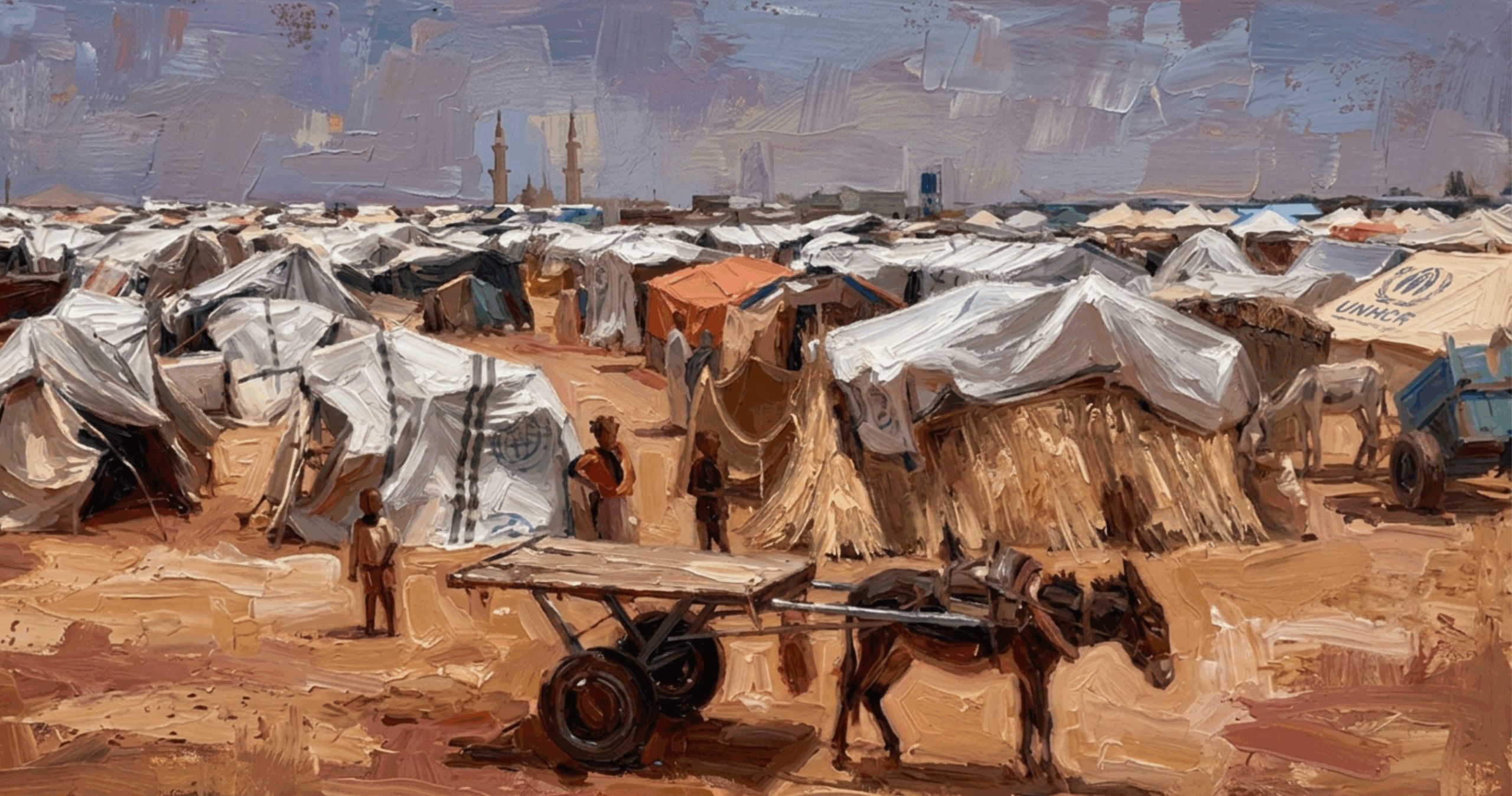
A city within a city: How displacement is reshaping El Obeid
25 August 2026
Despite the ongoing insecurity in and around El Obeid, the capital city of North Kordofan State, displaced people from surrounding villages and further afield continue to flock in. Ongoing insecurity in nearby villages, along with towns in South Kordofan State, has ensured a steady flow entering El Obeid, a city many humanitarian workers say has now reached its capacity.
The situation remains fluid; estimates for the displaced vary widely. While some estimate that 100,000 internally displaced individuals are now in El Obeid, the local Humanitarian Aid Commission says the city’s population has reached over 3 million, and approximately half of them are displaced.
“The fact that people are flooding into a city that has been under siege for months and quite possibly endured one of the most intense, persistent drone strikes of any city, says a lot about how unstable the situation is,” political analyst Mohamed Ibrahim told Ayin.
El Obeid
El Obeid is one of the most strategic cities in Kordofan. It is based along routes linking the capital, Khartoum, with Darfur, and the wider Kordofan region, making it a strategic target for the warring parties. When the war erupted, displacement flowed into El Obeid from West and South Kordofan, followed by reverse displacement from Khartoum, Gezira, and elsewhere.
The city has been attacked several times by the Rapid Support Forces (RSF) and remained under siege until it was lifted by the Sudanese army in February 2025. From June to August this year, heavy drone strikes were reported to hit in different places, including markets, water tankers, a prison, and the army command headquarters east of the city.
“Today, we are seeing substantially higher levels of need than we observed three months ago,” says Francesco Lanino, Deputy Country Director for Save the Children in Sudan. “El Obeid is approaching a humanitarian breaking point. Families arriving in the city are seeking safety, but many are finding food shortages, limited access to clean water and health services already pushed to their limits.”
Women helping women
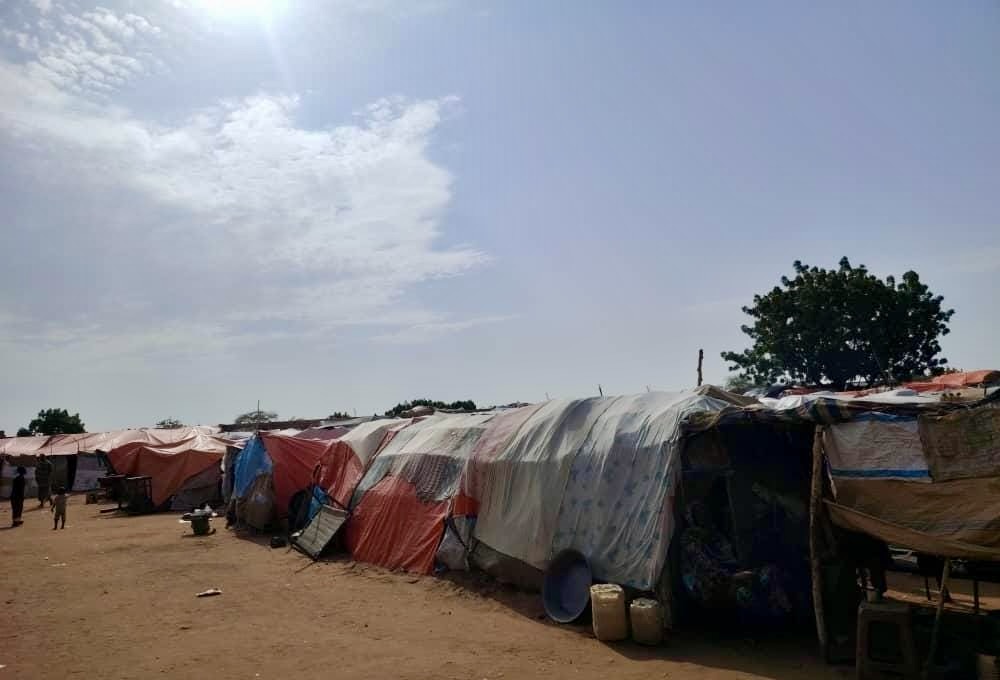
According to Ebtisam* the displacement camp is so huge it feels like a city of its own within El Obeid. Ebtisam works with the Women’s Emergency Response Room, where they organise community-based response initiatives, with a special focus on women, girls, survivors of violence, and women with disabilities.
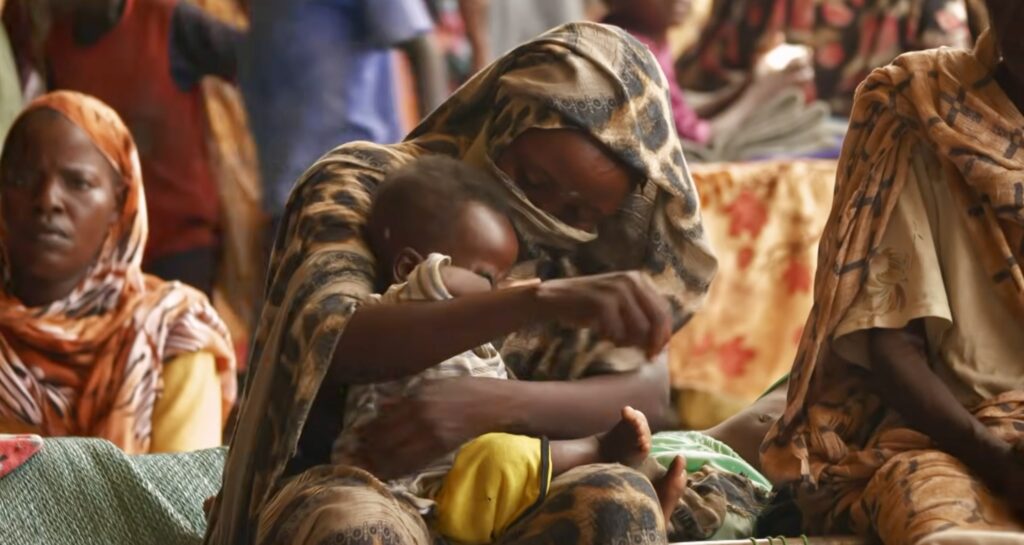
Amid these challenges, women play a vital role in meeting the needs of families in displacement centres in El Obeid, Ebtisam said. They are not only among the most affected groups but also leaders and initiators in their communities.
“Women address needs that are not adequately met by aid, such as personal hygiene supplies, sanitary pads, clothing, mattresses, and blankets, as well as the needs of pregnant and breastfeeding women,” she added.
High prices and drones
According to a civil society activist who lives in El Obeid and prefers to remain anonymous, humanitarian agencies face doubled costs due to economic inflation, blockades, and rising fuel and transport prices. A budget meant to assist 1,500 to 2,000 beneficiaries now covers only 500 to 600 people, leaving hundreds without vital assistance.
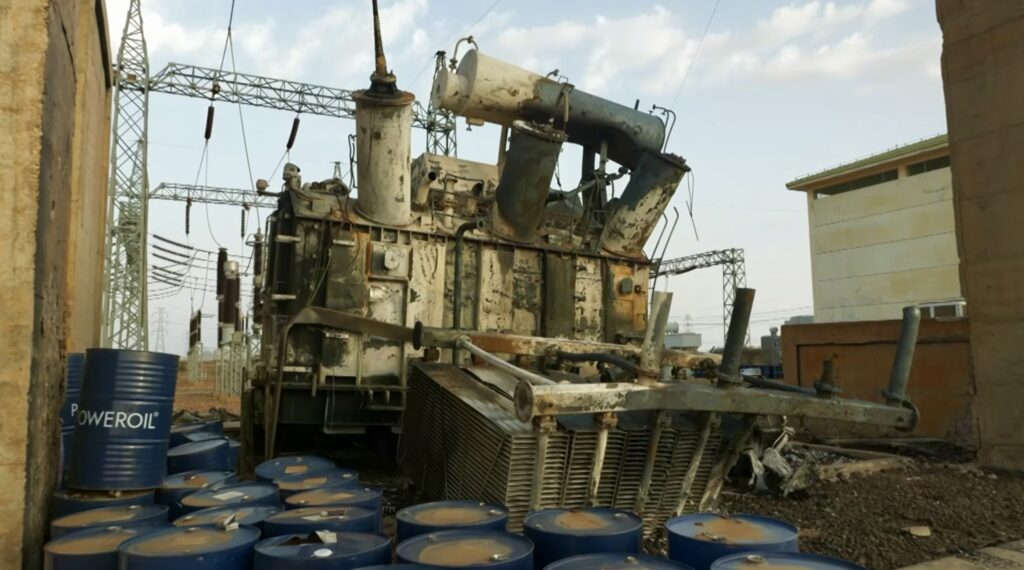
Besides the lack of assistance, he added, public services are under immense strain because existing capacity cannot absorb the growing number of people. The conflict itself has caused a systemic collapse that has compounded the situation. After multiple drone strikes targeted civilian infrastructure, including water stations, electricity substations, and fuel depots, basic services are scarce for a population that is growing daily.
“Whenever one or two pumps were hit, over 54 full buses would depart El Obeid the next day, with bus bookings fully sold out seven to eight days in advance,” he said.
Ismail Jebel, an economic analyst who lives in El Obeid, says market prices have skyrocketed. A 50-kilogramme sack of sugar has reached 250,000 Sudanese pounds (roughly $42). Some commodities have quadrupled in price. A sack of rice, once 40,000 Sudanese pounds, now goes for 177,000 to 180,000 SDG.
Heading to El Obeid despite the risks
The risks facing people heading to El Obeid are not limited to humanitarian gaps and high prices. The journey itself can be dangerous, with some people facing armed groups along the way and others losing their lives.
“Fluid conflict dynamics have led to volatility. Just four to five days ago, civilians attempting to enter from areas south of El Obeid faced grave abuses – several were killed attempting to enter, while others were abducted and held for exorbitant ransoms,” the activist told Ayin.
Jebel, however, believes that El Obeid remains the safest place to be right now. He said people living in areas under RSF control are facing severe hardship, with a lack of services and goods and dire humanitarian conditions. “Despite prevailing conditions, people have continued flocking to El Obeid as a major safe haven. The city has long been home to the ‘Hajjana’ forces (the army’s 5th Infantry Division) since before the war, and to this day, these forces remain a primary source of trust and safety for the residents of El Obeid,” he said.
Jebra Sheikh
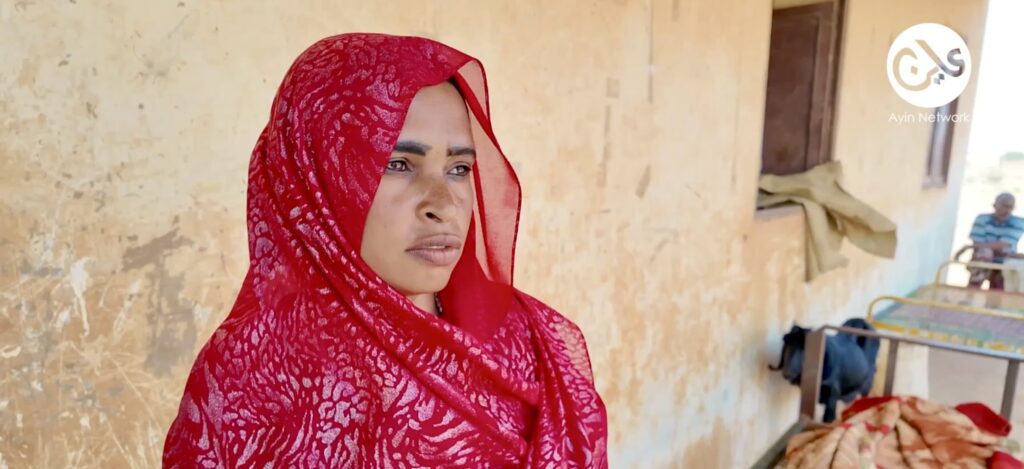
In other cases, North Kordofan residents have fled the violence, including RSF raids on villages, to other localities within the state. One such locality is Jebra Sheikh, roughly 200km north of El Obeid. “The Rapid Support Forces attacked us and then displaced us,” says one displaced woman from Umm Shudayrah village, now sheltering in Jebel Sheikh. “First they stole our livestock, and every time they demand more.” The pressure and intimidation became too much for her and other residents who fled with little to no resources at hand. “We have simple things that are not enough for us. We ate something light that we carried with us,” the woman added. “But the RSF took everything from us. Even food and drink.”
*The name was changed to protect the source’s identity