

Regional push to anchor Burhan faces civilian resistance
22 August 2026
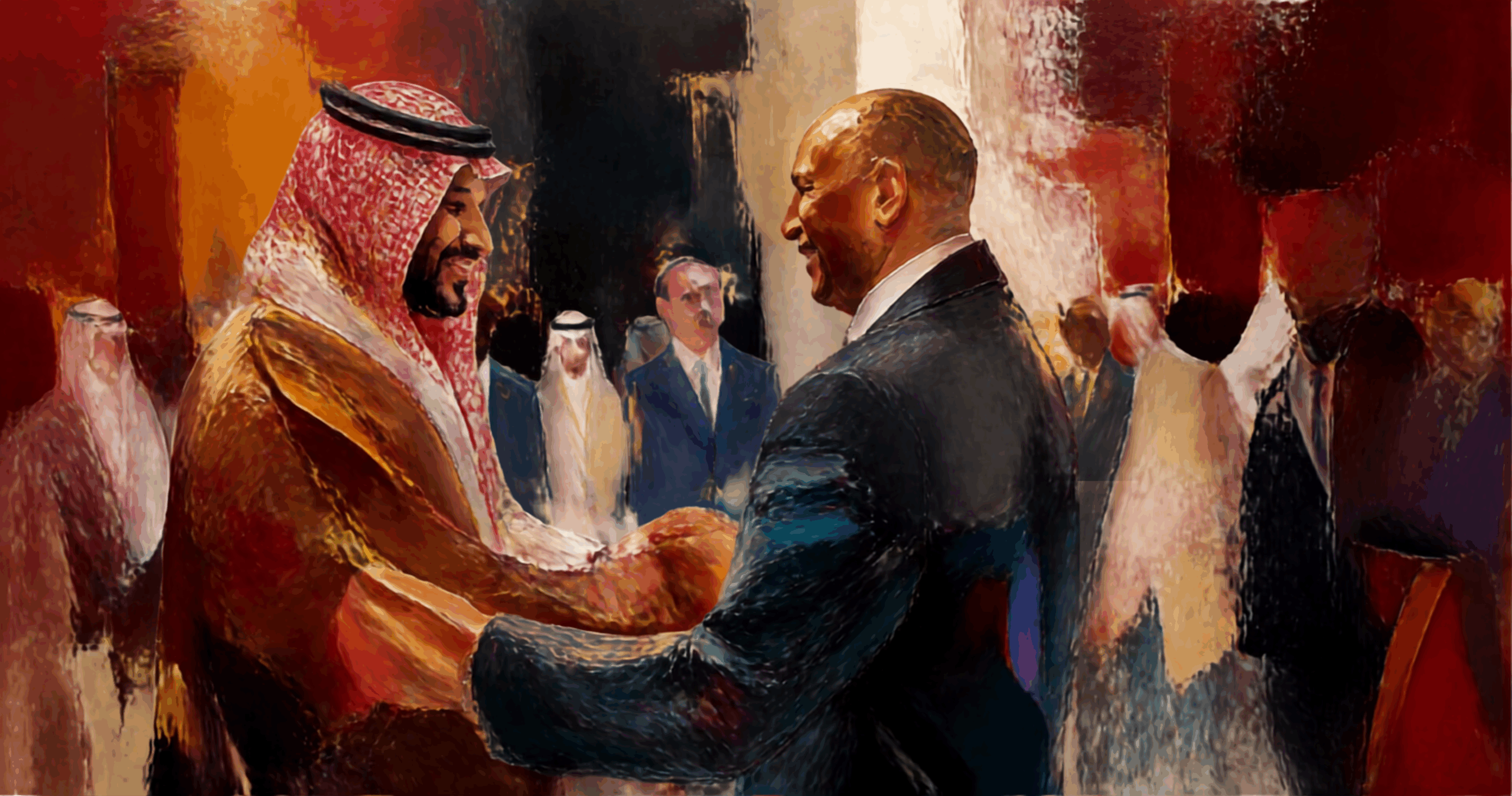
Saudi Arabia, Egypt, and Turkey are pushing to establish a new political arrangement that would give Lt Gen Abdel Fattah al-Burhan a central role in Sudan’s next transitional period, according to three informed sources, including two diplomatic.
The initiative seeks to finalise a transitional political structure in which Burhan would remain head of state for the coming years, while a political dialogue would lead to the formation of a civilian government and a legislative council. The proposed Sudanese-Sudanese dialogue aims to provide the civilian component of the arrangement while keeping Burhan at the top of the state.
The initiative comes as regional actors attempt to shape Sudan’s political future and, according to the sources, follows pressure on Burhan from countries supporting his government to limit the role of Islamist forces. Riyadh, in particular, has sought to encourage Burhan to distance the future political structure from Islamists while simultaneously helping him build a civilian coalition that could support the proposed transition.
According to the US-based Sudanese researcher Mohamed Kambal, the initiative makes one factor clear: Saudi Arabia gives legitimacy to the army as the de facto ruler of the country. “It is in the ultimate interest of these three countries that the army fully defeats the Rapid Support Forces; if the army advances in Darfur, they are unlikely to support any peace effort and will push for the full dismantling of the Rapid Support Forces.”
Civilian outreach
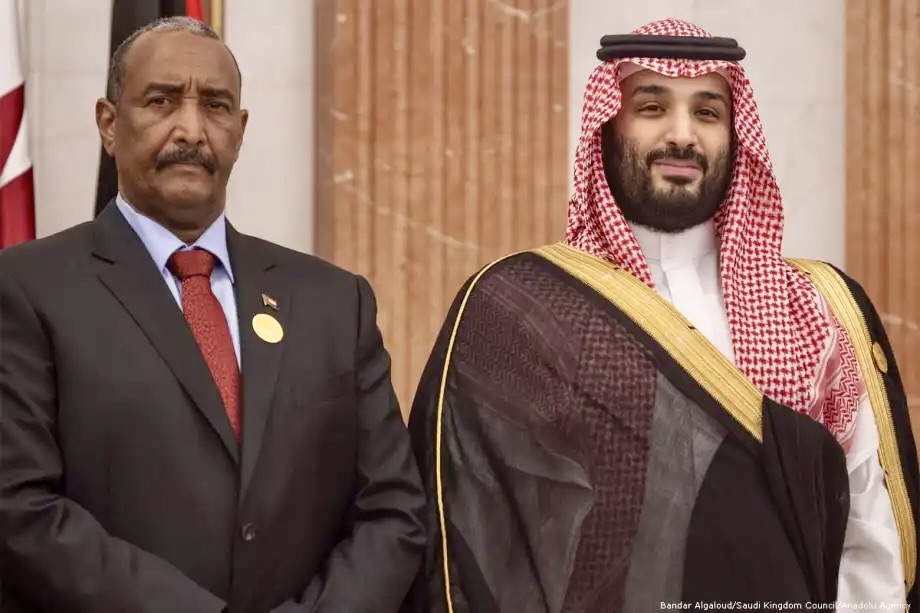
Saudi Arabia has been the most active of the three regional countries in reaching out to Sudanese civilian figures. Since Ramadan, Riyadh has hosted several politicians and civilian figures to explain what sources describe as the Saudi initiative for Sudan. Among those approached were Sudanese Congress Party leader Omar al-Digair, Siddig al-Sadig al-Mahdi, and former foreign minister Dr Mariam al-Sadig al-Mahdi.
Mariam al-Mahdi confirmed in a recent interview that she had travelled to Riyadh and met Saudi officials to discuss their initiative. She said that Saudi Arabia had also hosted several civilian figures and senior members of the Umma National Party. She declined to detail the proposal publicly, saying that it was for the Saudis to explain their initiative. The Saudi outreach has, however, struggled to secure broad civilian participation.
Two senior sources within the civilian alliance, “Somoud”, told Ayin that the majority of the coalition is likely to reject participation in the proposed dialogue. The sources said internal meetings are continuing to establish a unified position and prevent individual parties or prominent figures from breaking away from the coalition and joining the process separately.
The dispute is becoming increasingly important because the proposed political formula depends on the participation of civilian forces to provide legitimacy to a transition in which Burhan would retain the presidency. Rather than bringing Somoud into the process as a unified coalition, efforts have increasingly focused on individual figures and parties, particularly those experiencing internal organisational tensions.
According to the sources, the regional initiative aims to create a civilian political component around Burhan. But within Somoud, there is concern that participation would amount to endorsing a political settlement whose central outcome has already been determined.
Burhan’s committee
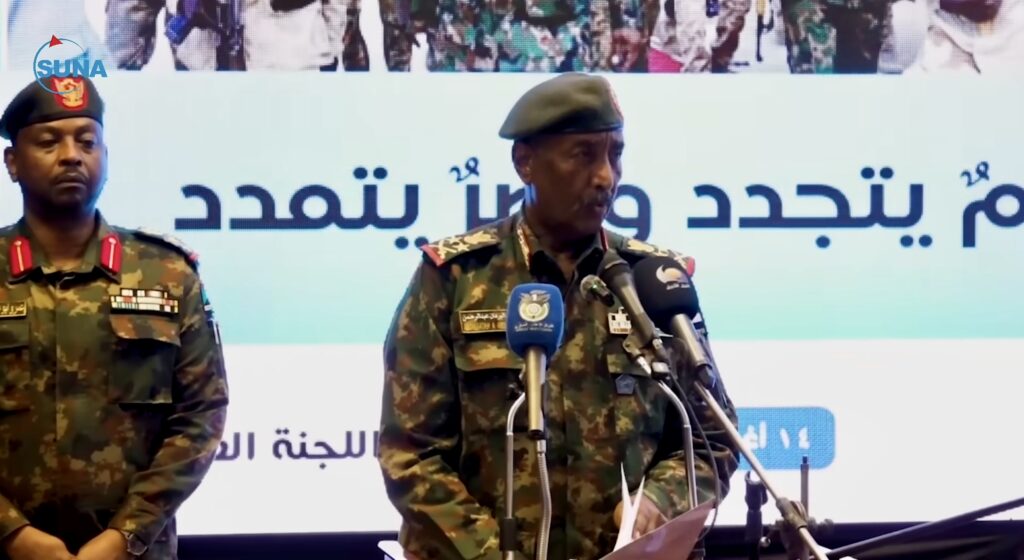
Burhan has, meanwhile, moved to formalise the dialogue process. He announced the establishment of a national committee to prepare for a Sudanese-Sudanese dialogue inside Sudan and promised participants temporary immunity. The announcement came during celebrations marking the anniversary of the Sudanese Armed Forces.
The temporary immunity offered by Burhan is intended to remove one of the principal obstacles to participation and reassure civilian figures that they can return to Sudan and enter the political process without facing legal consequences. But the offer has not resolved the fundamental political objection: whether civilians should participate in a dialogue whose proposed outcome may already place Burhan at the head of state.
The day before the announcement, on Thursday, Burhan met members of the committee, which is headed by lawyer Nabil Adib. Those attending included Osman Mirghani, editor-in-chief of Al Tayyar; journalist Othman Mirghani of the Saudi-owned Middle East newspaper; Nasreldeen Sholgami and Nimat Alzein.
Adib has been central to efforts to assemble the committee and reach out to potential participants. Several individuals approached by him, including Elmahboob Abdel Salam and Manzol Assal are understood to have declined. Other figures, such as Gassim Badri and Mohamed Jalal Hashim, have also been approached.
The reluctance of several figures initially considered for the committee illustrates the difficulty facing the initiative: those invited are being asked to participate in a process whose intended political outcome remains publicly unclear but which civilian sources say is already understood within the organisers’ circle.
A regional initiative vs. the Quad framework
For Somoud, the regional push raises a broader diplomatic question over the future of the internal framework for ending Sudan’s war.
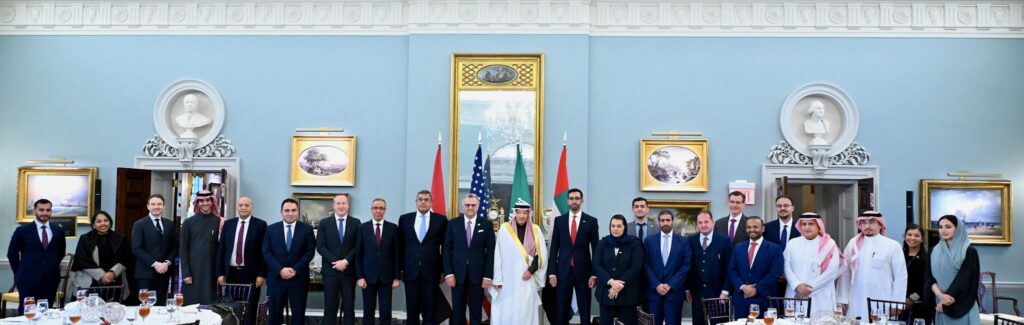
The two senior Somoud sources told Ayin that they view the Saudi, Egyptian and Turkish initiative as contradicting the September Quad statement, which explicitly opposed the participation of Islamist forces and called for a civilian-led government. The sources argue that the regional initiative is effectively seeking to establish a political structure around Burhan while using civilian participation to provide it with legitimacy. They also see the competing approaches of regional actors as contributing to the paralysis of the Quad, with two of its members pursuing a different political track.
The tension is particularly significant for Saudi Arabia. Riyadh has positioned itself as a key mediator in the Sudan conflict and has formerly worked with the United States on efforts to secure a humanitarian ceasefire. Yet its current engagement with Sudanese civilian actors appears, according to the sources, to be moving towards a model that would retain Burhan at the centre of the state while creating a civilian political layer around him.
For Cairo and Ankara, the initiative also offers an opportunity to influence the political configuration that could emerge after the war. Their support for Burhan increasingly includes efforts to shape the civilian component of his proposed political order.
The immediate challenge, however, is whether enough civilian actors will accept the invitation to make the process credible. Somoud’s leadership is attempting to prevent defections, while Burhan’s camp and its regional supporters are pursuing individual figures who could participate even without the coalition’s endorsement.
So far, however, many view Burhan’s efforts to hold a political dialogue with skepticism and self-serving. “Any credible transition must start with Burhan’s departure from sovereign political authority,” writes political analyst Ezzat Khairi. “A leader who promised civilian rule in 2019, overthrew the transition in 2021, promised withdrawal from politics in 2022, rejected negotiations during the war, failed to restore stable governance in army-held areas, and now returns with a dialogue controlled by his own authority cannot be the bridge to Sudan’s democratic future.”