

How Sudan’s war reversed the Horn of Africa’s refugee story
18 July 2026
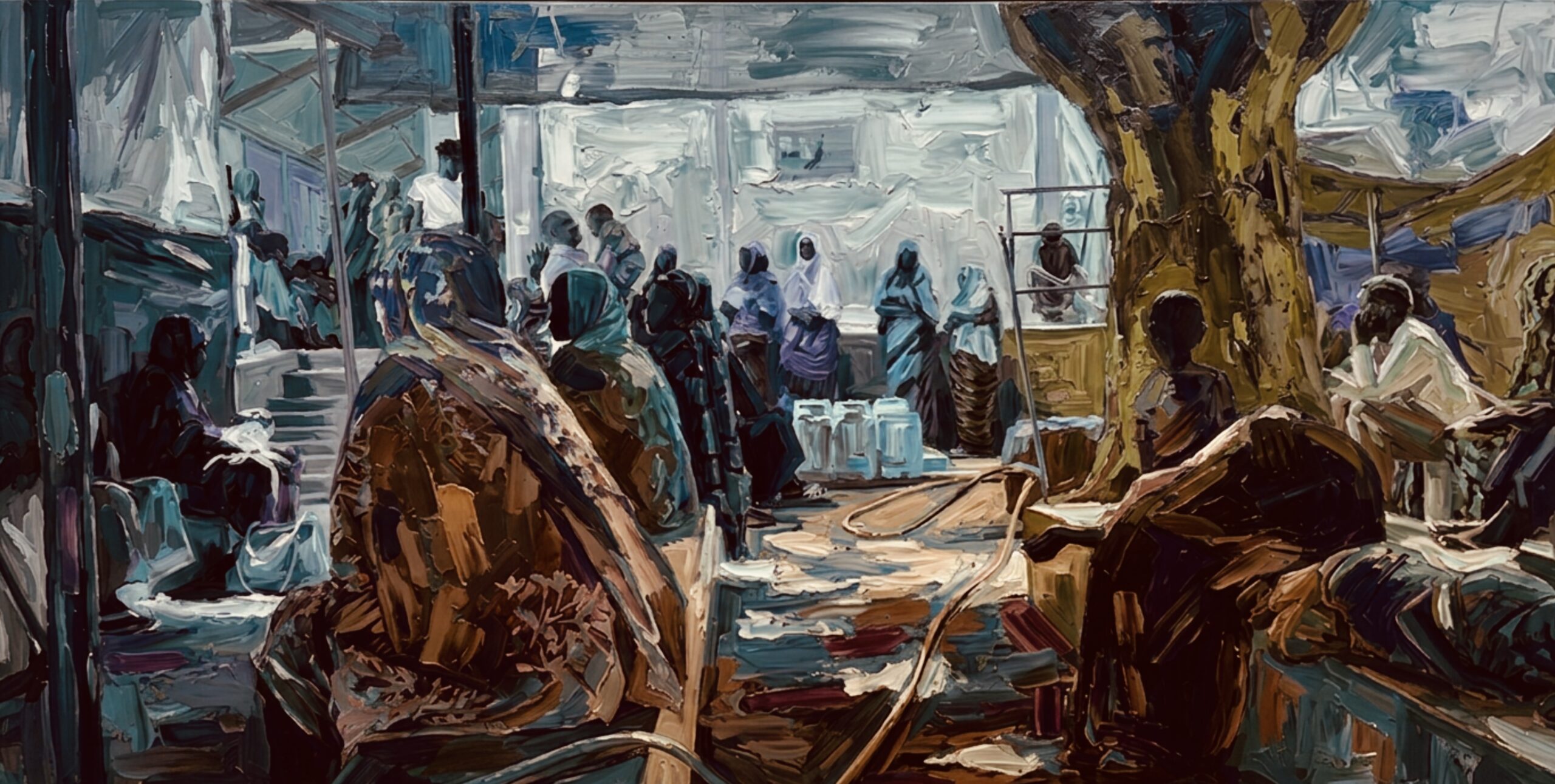
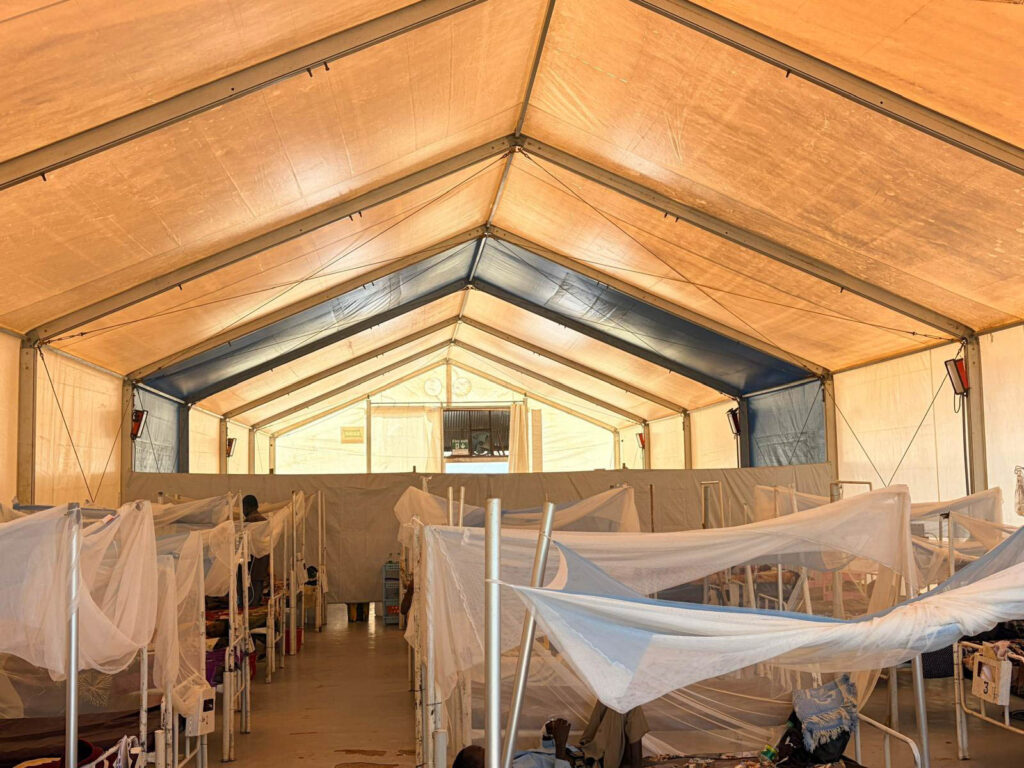
What began as a refuge for Ethiopians fleeing the Tigray conflict has become one of the few functioning healthcare lifelines in eastern Sudan. At Um Rakuba refugee camp, Gedaref State, the hospital now serves not only the camp’s majority of 17,000 Ethiopian refugees but also an estimated 100,000 people from surrounding Sudanese communities, according to Médecins Sans Frontières (MSF).
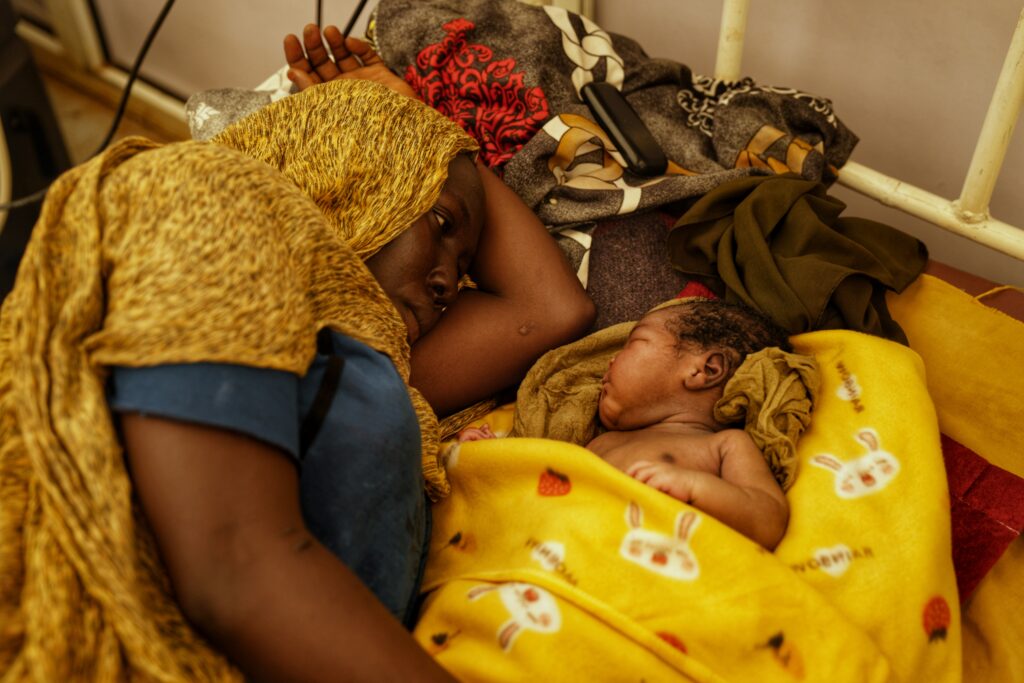
“I came here because three or four hospitals in our area have closed,” one Sudanese woman receiving treatment at the camp hospital told MSF. “Where else should we go? We need more support, and not only for Sudanese communities but also for the refugees.”
As international humanitarian funding shrinks and aid organisations scale back operations across Sudan, residents say the camp’s already limited services are steadily disappearing. According to MSF, fewer than ten humanitarian organisations now operate in and around Um Rakuba, down from around 35 at the height of the Ethiopian refugee response in 2021.
All these changes illustrate the wider humanitarian crisis unfolding across Sudan. Since fighting erupted between the Sudanese Armed Forces (SAF) and the Rapid Support Forces (RSF) in April 2023, millions have been displaced internally or forced to flee across borders, placing enormous pressure on already overstretched aid systems.
Why the NGOs left
Many NGOs relied heavily on UNHCR funding. Indeed, as UNHCR said in July 2025, “rising displacement, shrinking funding and political apathy” forced the agency to suspend programmes worldwide, with more than $1.4 billion worth of assistance cut or put on hold.
The consequences are visible across every sector. Community leaders regularly talk about deteriorating access to primary healthcare, protection services, water and sanitation, food assistance, and education.
Beyond healthcare, protection referral pathways for the refugees have weakened, particularly for women and children, including unaccompanied minors. Water and sanitation shortfalls affect both the community and the hospital in Um Rakuba, MSF says. Refugees report reductions in food assistance, while treatment interruptions at primary healthcare facilities are leading to more severe medical complications by the time patients reach MSF.
A reversal of roles
Sudan, once a refuge for the Horn of Africa, now depends on the same neighbours it once sheltered. As aid funding collapses, the region’s refugee system is beginning to fail on both sides of the border.
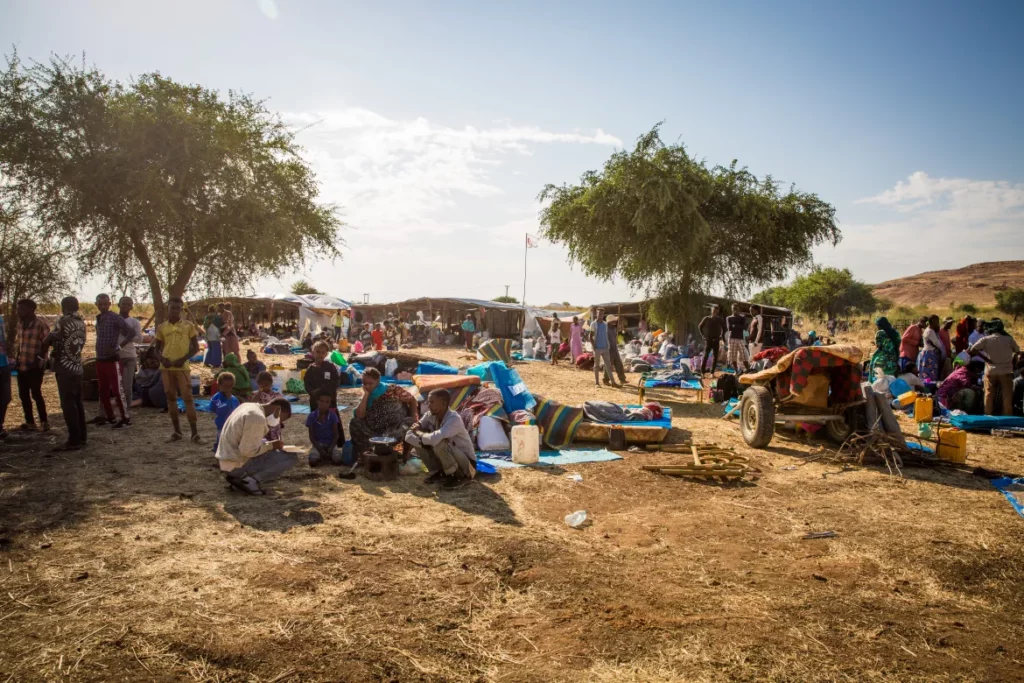
Um Rakuba exists because Sudan once played a very different role in the region. Before the war erupted in 2023, Sudan was one of Africa’s largest refugee-hosting countries, providing refuge to hundreds of thousands of people fleeing conflict in neighbouring Eritrea, Ethiopia and South Sudan, a UNHCR report says.
Several years later, the direction of displacement has reversed. Millions of Sudanese have fled their country’s conflict, many seeking refuge in neighbouring states, including Ethiopia, which has kept its borders open despite mounting pressure on its asylum system.
According to the UNHCR, Ethiopia is now hosting more than 77,000 Sudanese refugees and has also received more than 20,000 Ethiopian refugees who have returned from Sudan. Over the past year, around 75,000 South Sudanese refugees have also crossed into Ethiopia, making it Africa’s second-largest refugee-hosting country. At the same time, the UNHCR warns that funding shortfalls are pushing Ethiopia’s refugee response “to the verge of collapse” as new arrivals continue to outpace available resources, while severe funding shortfalls have forced aid agencies to cut emergency relief supplies in Ethiopia by 70 percent in 2025. As said in a joint statement, Ethiopia’s government calls for help: “Ethiopia has kept its doors open, but it cannot bear this responsibility alone.”
If Sudan’s story is one of reversed fortunes, it is not unique. Across the Horn of Africa, the burden of displacement is being shared by countries with limited resources of their own, where humanitarian needs continue to outstrip available funding. It is in this context that Shaun Hughes, the emergency coordinator for the World Food Programme in Sudan, described the situation as “a full-blown regional crisis that’s playing out in countries that already have extreme levels of food insecurity and high levels of conflict.”
The normalisation of loss
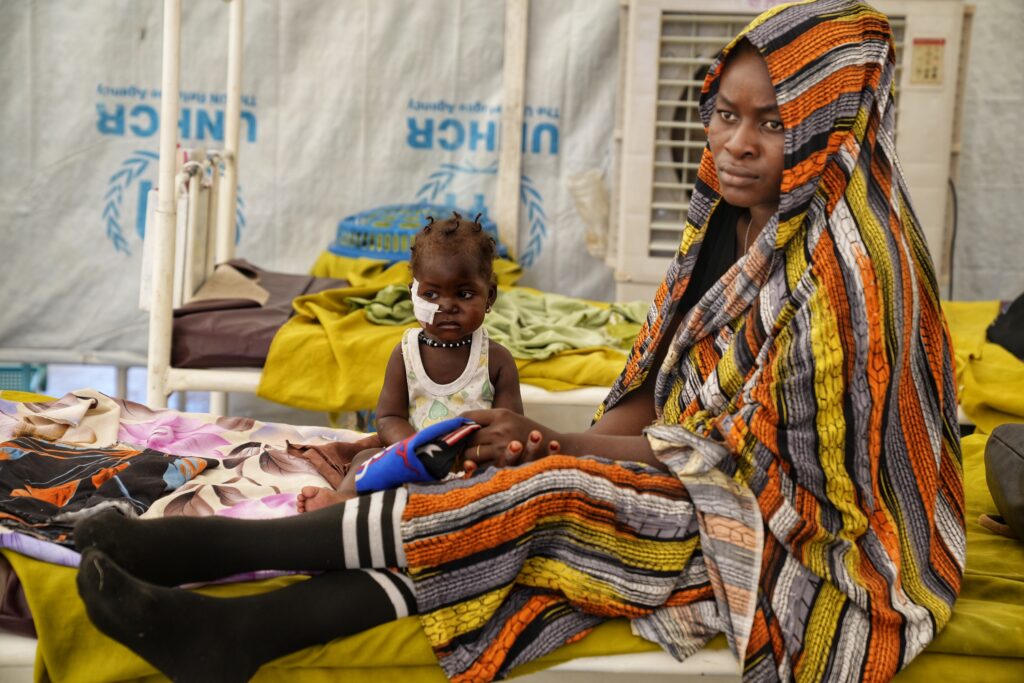
“Sudan was once called the food basket of the area,” says Dr Tanya Hajj Hassan, a MSF paediatrician who visited El-Gedaref nearly a year ago. She recalls the fertile green fields on her way to the hospital and the contrast with the humanitarian reality there. “Every day we were treating children with severe acute malnutrition. I have never seen this level of despair in my career.”
People have lost hope and are learning to accept death as a morbidly intrinsic part of life, Dr Tanya says. “The first time I observed it was when a mother brought her child to the emergency department in a very critical condition. While we were resuscitating the child, she asked if she could leave. We explained that the child might die, and she simply accepted it. I think that reflects how tragically normalised child deaths have become in Sudan.”
Almost a year after Dr Tanya’s visit, many of the same challenges remain in the camp and have intensified. Food assistance remains insufficient. Refugees currently receive about 4 kg of wheat per person per month, dropping to around 2.5 kg in some months, compared to around 14 kg in early 2023, before the war in Sudan broke out.
Uncertain future
Nearly six years after Um Rakuba opened to shelter Ethiopians fleeing war, the camp now reflects a very different regional reality. Sudanese patients travel there because hospitals closer to home have closed. Refugees who once sought safety in Sudan now watch Sudanese people fleeing across the same borders they once crossed, but now in the opposite direction.
Meanwhile, the humanitarian system supporting both groups is steadily shrinking. For residents of Um Rakuba, the consequences are immediate: less food, fewer services and longer journeys to access healthcare. As Sudan’s war enters its fourth year and humanitarian funding continues to decline, the camp’s future, like that of the people it serves, has become increasingly uncertain.