

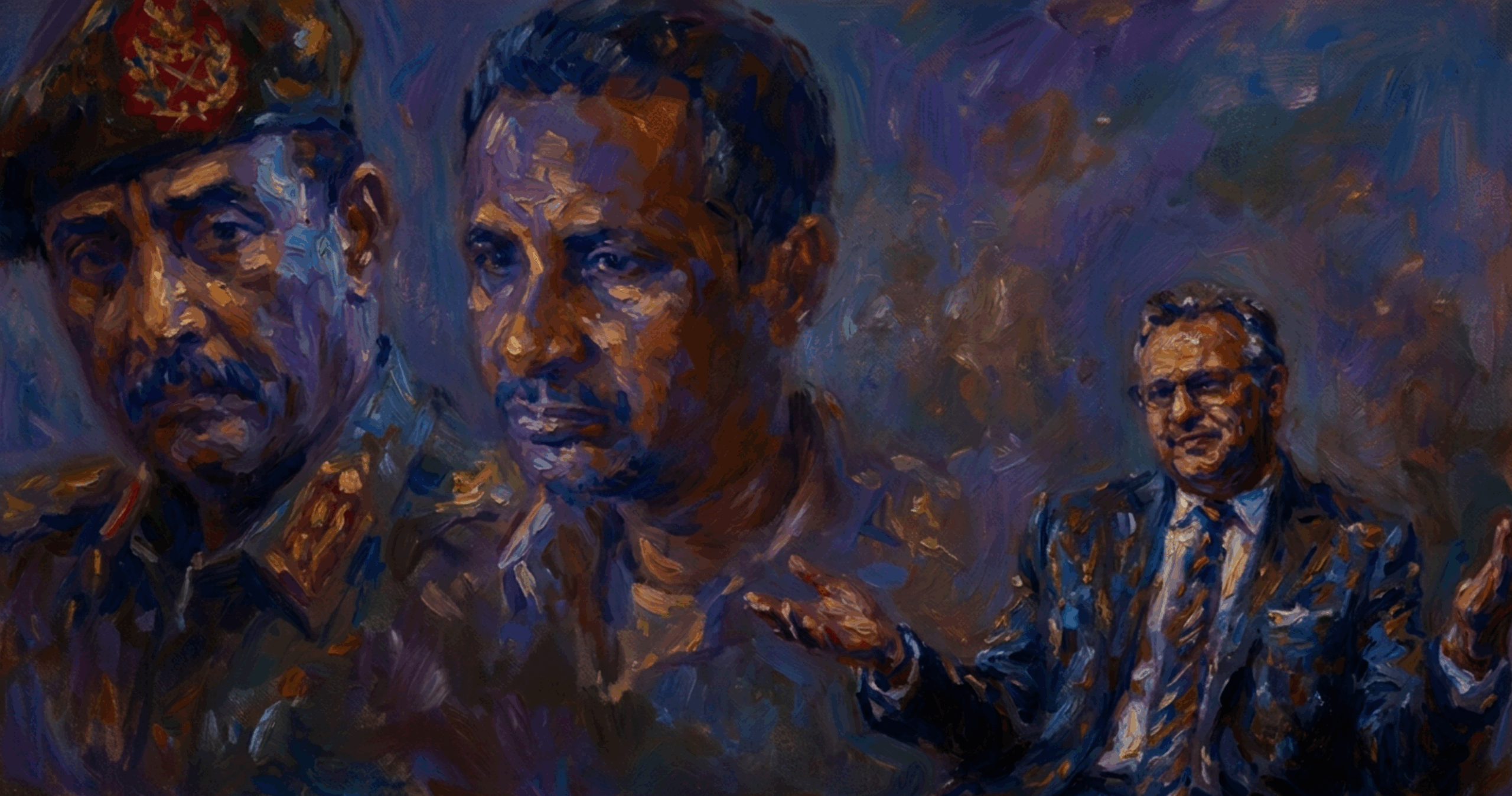
Behind the 90-Day ceasefire: US proposal exposes divisions inside Sudan’s army
13 July 2026
As diplomatic efforts to halt Sudan’s devastating war gain momentum, a new US-backed proposal for a 90-day humanitarian ceasefire has become the focus of intense political and military negotiations. While public attention has focused on whether the Sudanese Armed Forces (SAF) and the paramilitary Rapid Support Forces (RSF) will accept the initiative, diplomatic sources say the negotiations have revealed growing divisions within the military coalition supporting the army and that the RSF has reservations about parts of the proposal.
According to diplomatic sources familiar with the discussions, the proposal presented by the US special envoy for African and Arab affairs, Massad Boulos, envisions a 90-day humanitarian ceasefire followed by the launch of an inclusive political process aimed at ending more than three years of conflict.
Although the Sudanese military has broadly welcomed the initiative, it has objected to one of its five core provisions, insisting that the RSF must withdraw from all towns and cities it has controlled since 11 May 2023. Diplomatic sources, however, describe the demand as part of a broader negotiating strategy rather than a final condition that would necessarily derail the talks.
Cairo meeting
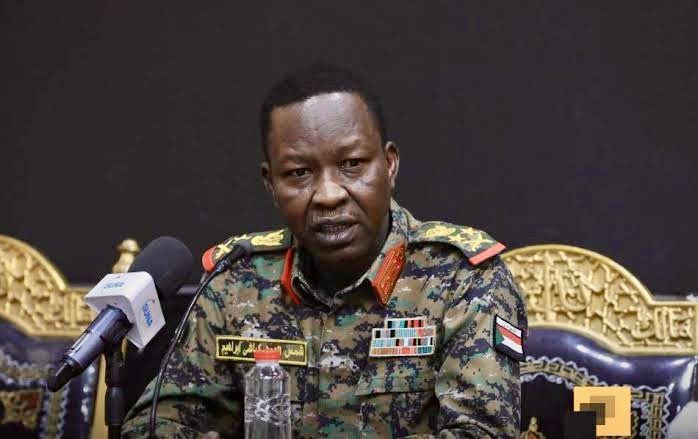
The present diplomatic development comes after Boulos and Sovereign Council member Lt Gen. Shams al-Deen Kabashi met on June 21 in Cairo. The US envoy called the conference, which Sudan’s ambassador and military attaché in Cairo attended, although neither took part. The diplomatic source stated that the meeting took place with Burhan’s consent, contrary to online speculation suggesting that Kabashi had acted independently in meeting Boulos.
Negotiations have now narrowed primarily to technical arrangements concerning the withdrawal of RSF forces from parts of North Kordofan State, particularly around the strategic city of El Obeid, diplomatic sources told Ayin. The United Nations is expected to play a technical oversight role should an agreement be reached, monitoring troop movements and verifying compliance with the ceasefire arrangements.
Diplomatic sources further revealed that Washington has proposed either the United States or Geneva as the venue for formally signing the ceasefire agreement. According to one source, Boulos urged Kabashi to move quickly to secure political commitments before domestic political pressure inside Sudan complicated or reversed the negotiations. “The message was clear,” one diplomat said. “The longer the process takes, the more difficult it becomes for both sides to maintain political space for compromise.”
Internal army divisions
While negotiations continue, diplomatic sources say the ceasefire discussions have highlighted political and institutional divisions inside the coalition supporting the Sudanese Armed Forces.
According to several diplomats familiar with recent contacts, Kabashi has increasingly found himself politically sidelined within the military leadership despite remaining one of Sudan’s most senior officers. The sources argue that Kabashi’s reduced influence began after the military leadership dissolved his position as deputy commander of the armed forces. His willingness to engage in negotiations – including signing a ceasefire deal in Al Manama – and his relatively pragmatic approach to a ceasefire reportedly created tensions with more hardline figures in the military establishment.
Several diplomatic officials also pointed to Kabashi’s growing influence among some military officers during the early stages of the war, suggesting that internal competition over military and political authority contributed to his gradual marginalisation.
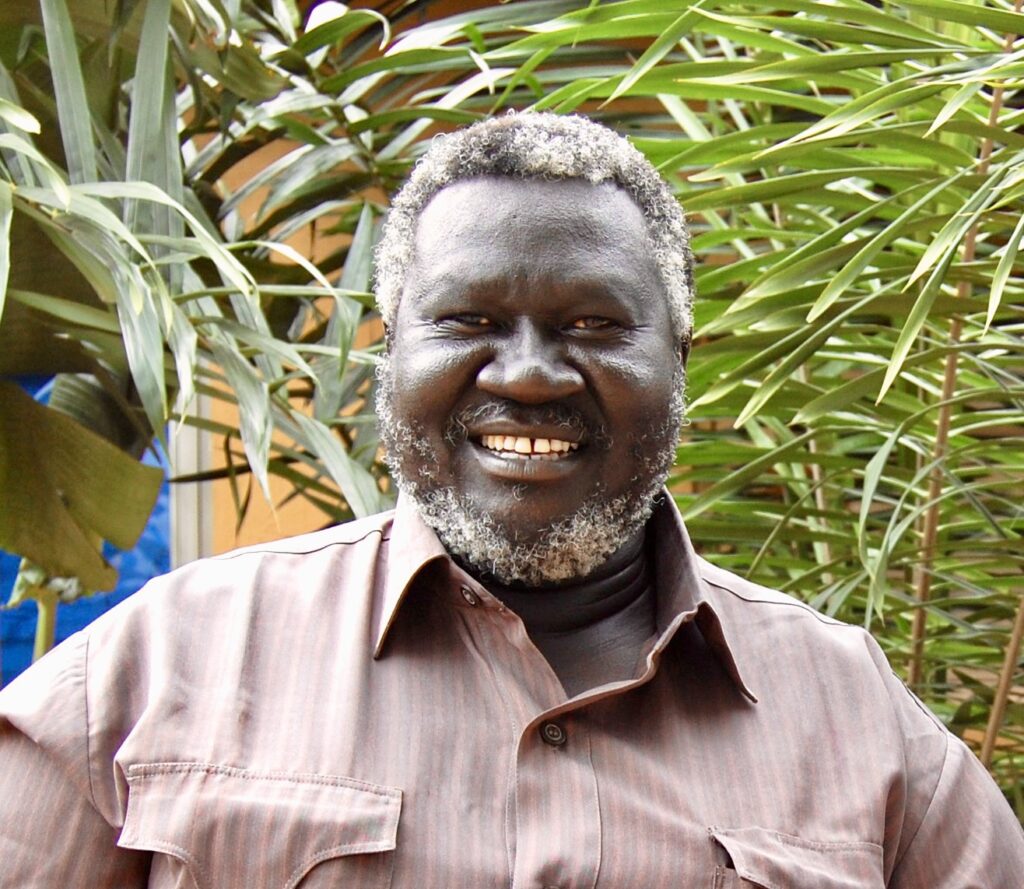
Another senior Sudanese figure who has reportedly become increasingly isolated is Sovereign Council Deputy Chairman Malik Agar. Diplomatic sources told Ayin that Agar has become more distant from the military leadership recently and currently maintains strained relations with several senior SAF figures, including Burhan. Although Agar remains publicly supportive of the military-led government, diplomats describe his political influence as having diminished considerably as decision-making has become increasingly concentrated within a smaller circle of military commanders.
RSF reservations
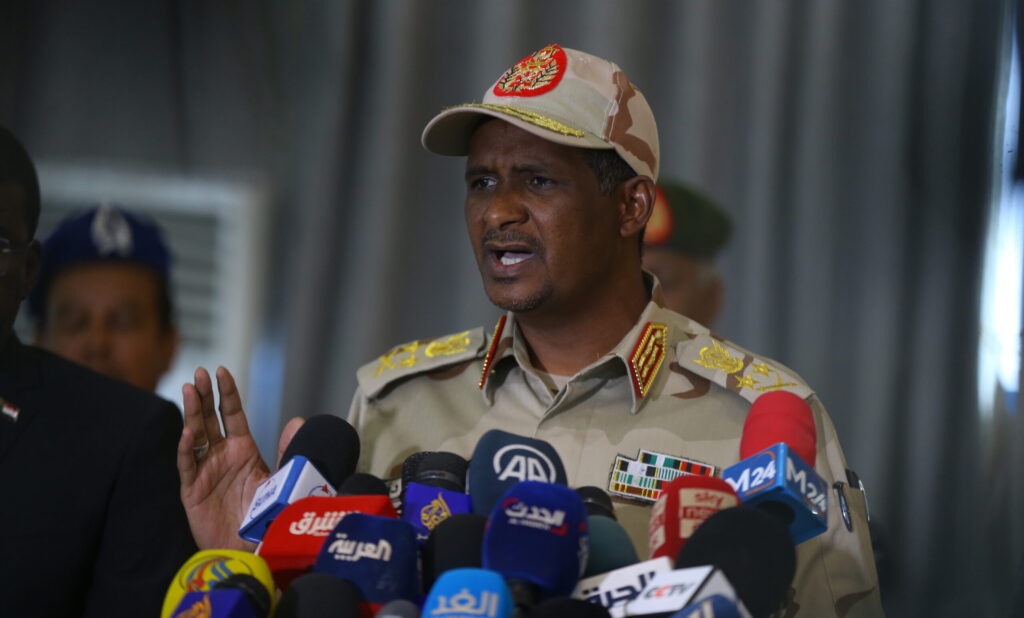
While much public attention has focused on SAF’s objections, diplomatic sources have emphasised that the RSF has also expressed reservations about parts of the proposed ceasefire.
According to the same sources, discussions with RSF representatives indicate that the group supports the general framework of the initiative but continues to seek amendments. Diplomats declined to specify the exact nature of the RSF’s reservations, saying negotiations remain ongoing and sensitive. However, they stressed that neither side has fully endorsed the proposal in its current form.
Chances of RSF participation may also be further stymied by a 13 July Port Sudan court ruling sentencing RSF leader Mohamed Hamdan Dagalo (aka ‘Hemedti’) to death for war crimes, crimes against humanity and genocide over atrocities committed in the West Darfur region. The army-controlled court convicted Hemedti in absentia, along with 15 other senior RSF members, who were given the same sentence.
Those sentenced included Hemedti’s brother and deputy, Abdelrahim Hamdan Dagalo, another brother, Al-Qoni Hamdan Dagalo, and Abdul Rahman Juma Barkallah, the RSF’s West Darfur commander. Judge Mohamed Al-Amin ordered the confiscation of all RSF assets and directed authorities to pursue Interpol Red Notices to arrest and extradite individuals convicted.
Challenges to the proposal
One of the most politically sensitive aspects of the American proposal concerns the structure of the political process expected to follow the ceasefire. According to diplomatic sources, Boulos informed Sudanese officials that the upcoming political negotiations would not include Islamist groups associated with the former ruling National Congress Party or the Islamist Movement. The exclusion reflects growing international concerns that reintegrating Islamist political networks into any future transition could undermine prospects for a durable settlement and discourage broader international engagement.
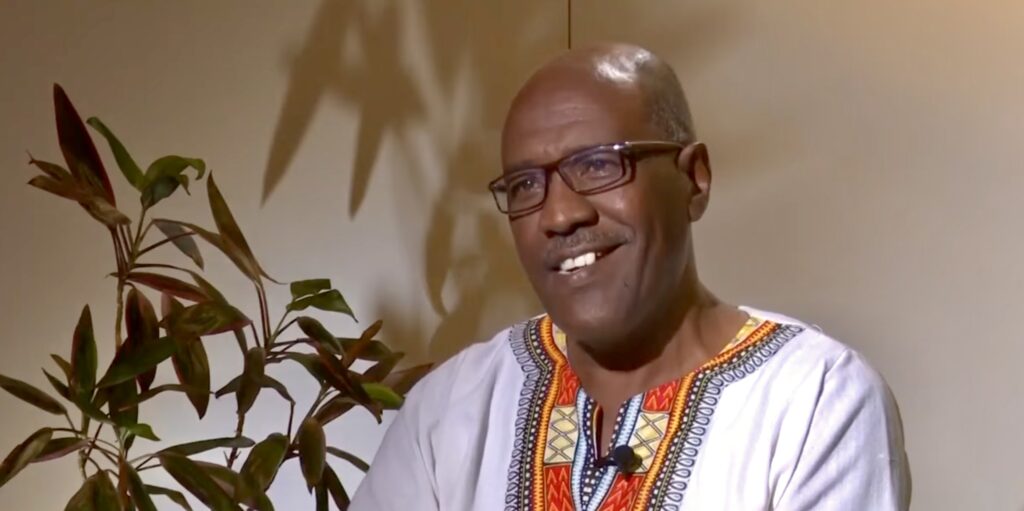
For Tariq Abdelmajeed, a member of the Central Committee of the Sudanese Communist Party, the disagreements surrounding the proposed ceasefire reflect deeper structural contradictions within the coalition backing the army. Rather than viewing the current tensions as disagreements over a single peace initiative, he argues they are the product of competing political projects that have coexisted since the war began.
“The visible differences within the alliance supporting the armed forces are not superficial; they are objective necessities that these groups adopted from the very beginning of the war,” Abdelmajeed said. “The only thing that truly unites this entire alliance is the exclusion of the revolution and the prevention of the realisation of its goals and slogans.”
Abdelmajeed argues that while the army coalition appears united militarily, its members are pursuing fundamentally different political objectives. “Burhan is seeking international legitimacy as a fait accompli. The Islamists, through the umbrella of the armed forces, are trying to return to power and present themselves as allies of the regional and international community politically and economically. The rest see their real influence rise or fall depending on how much the main actors need them.”
He also believes the fragmented diplomatic landscape has complicated efforts to reach a comprehensive settlement. Competing regional initiatives, differing priorities among international mediators, and the absence of a strong unified civilian political voice have all contributed to uncertainty surrounding the negotiations. He warns that any agreement reached under these conditions risks lacking broad Sudanese political ownership. “The humanitarian track and assistance to our people across Sudan should not become conditional upon this settlement. The reality requires the conscience of the international community to respond to what is one of the greatest humanitarian catastrophes of our time.”