

Drinking from abandoned wells: the cholera crisis in Fuga
24 June 2026
Fuga, a rural gold-mining town controlled by the Rapid Support Forces (RSF) in West Kordofan, is currently experiencing a cholera outbreak. Residents claim that the outbreak is linked to a worsening water crisis and an influx of people displaced by conflict from areas such as Al-Nuhud and other towns across West Kordofan.
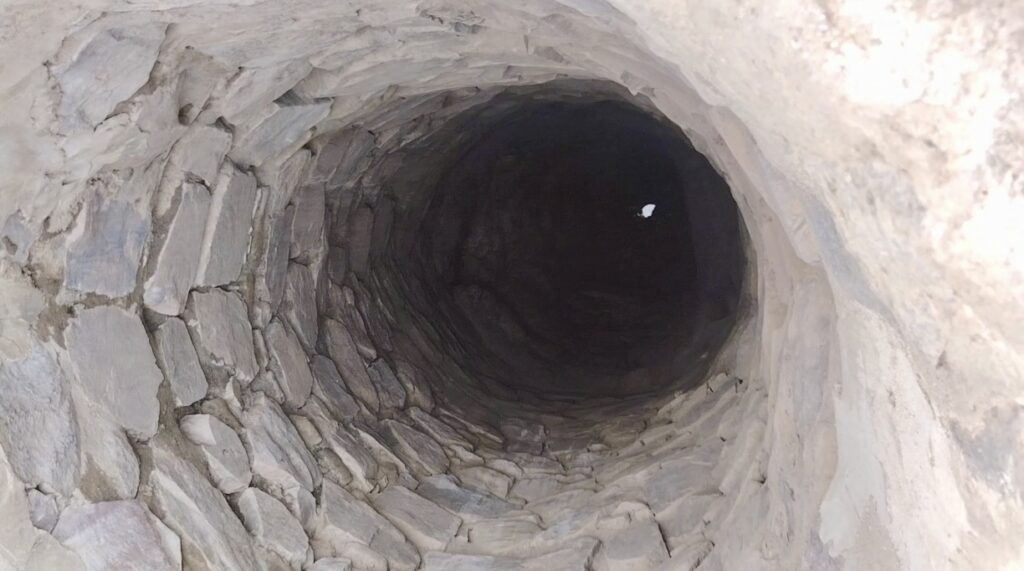
The outbreak emerged weeks after residents began drinking water from abandoned wells that they had manually cleaned of years of accumulated debris, including animal hides, clothing and algae.
“This is the third year that cholera has struck, and it has occurred in the same month – May – which is due to the water situation,” Dr Ahmed*, one of the few doctors still working at Fuga Hospital, told Ayin. “During this month, water is scarce because of the lack of rain, so residents use well water. This time, the outbreak is more severe than before,” Dr Ahmed said.
On 1 June, the UN warned that a suspected cholera outbreak in West Kordofan was continuing to spread, with more than 300 suspected cases and 77 reported deaths recorded between May and June. Local medical records believe it could be higher, having recorded between 80 and 150 reported deaths since mid-May in West Kordofan State. With 800 suspected cholera cases identified in Fuga this year, local residents know exactly what is causing the high death rate, but they lack any alternatives to prevent it. Either the local community stops drinking or they take the daily risk of contracting a deadly cholera epidemic.
All in the family
Samir*, whose extended family lives together in the same household, said he had tried to protect them from cholera by following standard hygiene measures. However, two weeks after the outbreak began, his one-and-a-half-year-old son contracted the disease. Then his niece contracted the disease. And then his brother and another niece. And then finally his wife. Fortunately, all five family members were able to receive treatment – from injections, medication and spent periods within the local hospital.
“The isolation centre does not allow those infected to return home until the illness has run its course,” Samir said. But many families avoid the hospital, he added, due to overcrowding, “which was another factor in the spread of the disease.”
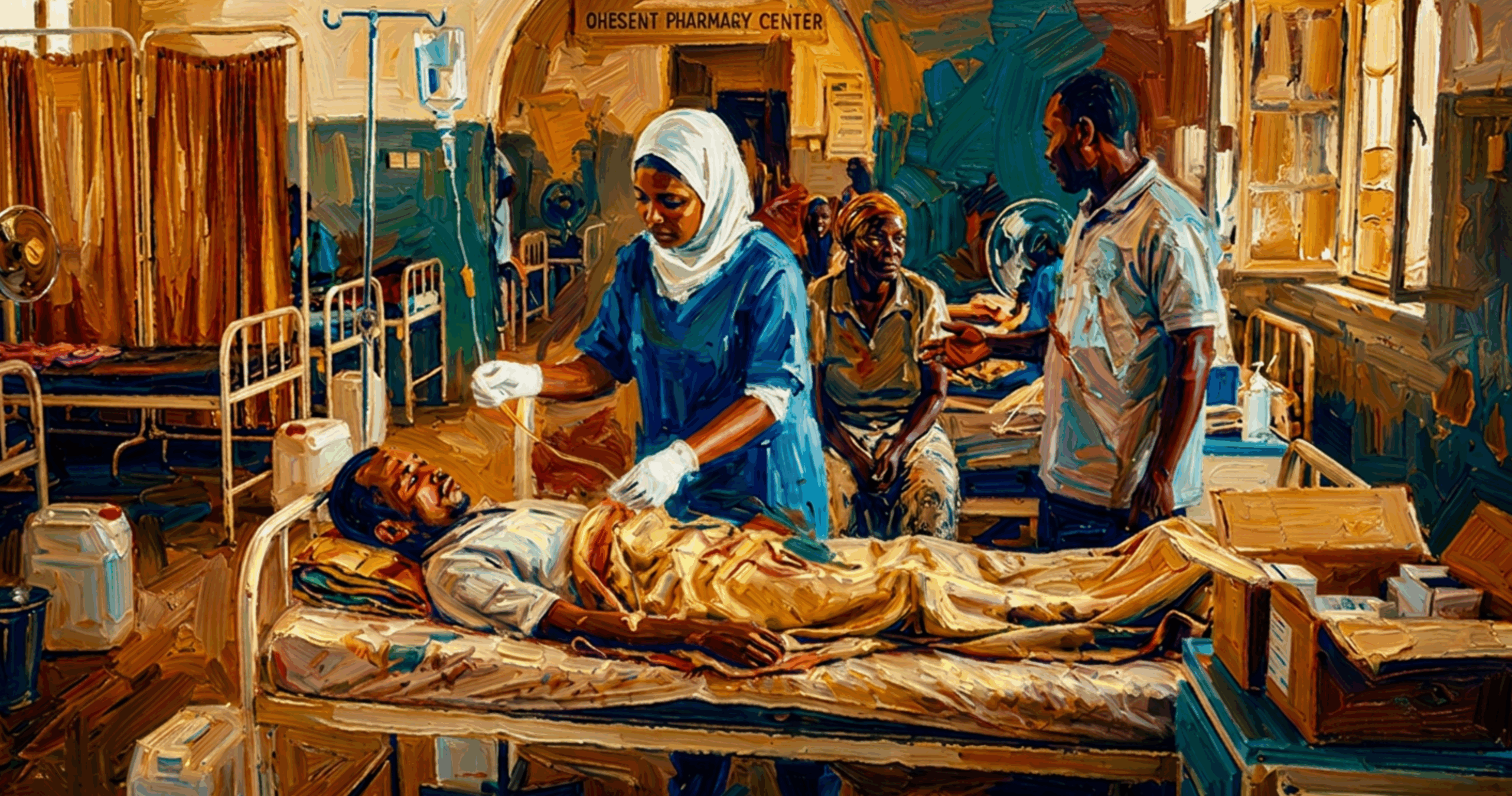
The government hospital was still under construction when cholera struck the area. Three private clinics were responsible for responding to the emergency, although they did not have the capacity to handle a major outbreak. Organisations such as the Sudanese Red Crescent provided intravenous fluids and basic medical supplies. Later, the organisations CAFA and Allied Services established a central quarantine site at the government hospital and transferred patients there for treatment. It has since become the main treatment centre for cholera cases.
Despite the assistance provided, the area still lacks many essential medical supplies and machines needed for the effective treatment of patients. Two key areas — salt and potassium — need to be constantly monitored to treat cholera, Dr Ahmed said. “We must constantly monitor the levels of potassium and sodium in the patient’s body, particularly among the elderly, many of whom have died due to dangerously high or low levels.”
In addition, residents believe that if the rains do not arrive soon, the outbreak will continue. Many are hoping that rainfall will wash away stagnant and contaminated water, replacing it with water that is safer for use.
Beyond Fuga
The outbreak has also spread to villages near Fuga, where health authorities have reported additional cases and deaths. Two days before Eid al-Adha, around the 25th of May, the disease spread to an area called Dhahiyat Jawal, a village north of Al-Nuhud, roughly one hour by road.
“The number of infected people is unknown, but there have already been ten deaths, including members of my family, who travelled to Al-Nuhud to receive treatment,” said Mahmoud*, a Nuhud resident.
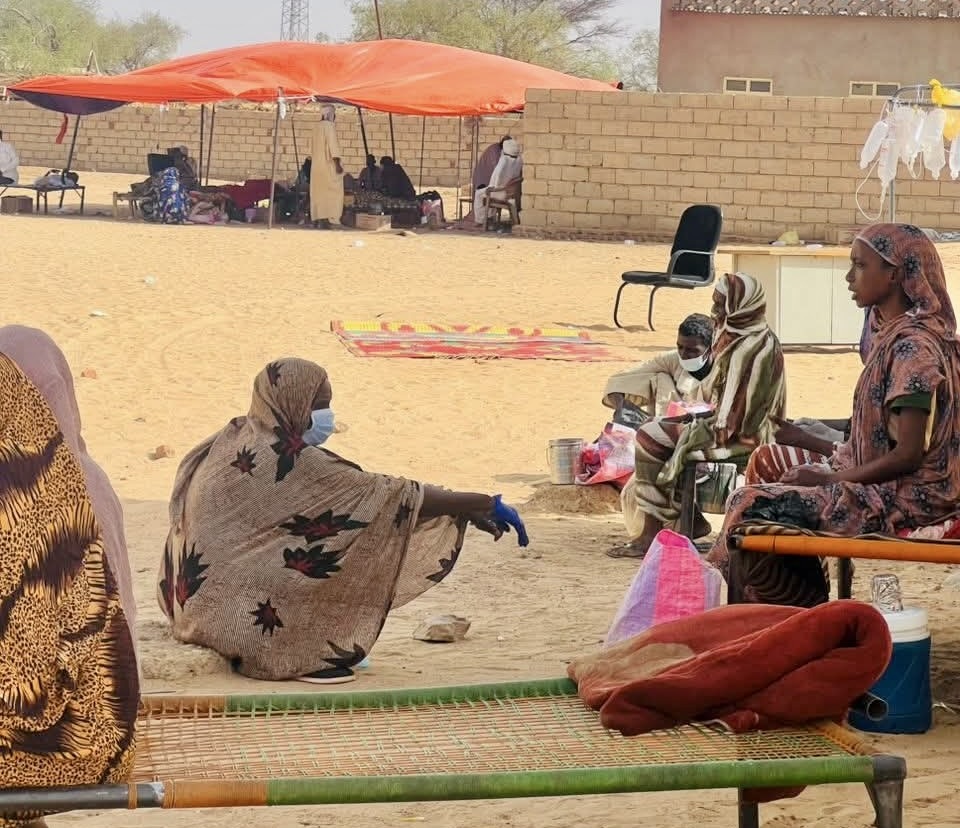
According to Mahmoud, medical authorities have shown little response to the situation in Nuhud. No medical assistance has been provided to these people. Al-Nuhud Hospital has only provided oral medication, which patients had to purchase themselves. In one case, a woman whose condition was more serious received two injections, but no isolation facilities were provided. Instead, patients were asked to take whatever protective equipment they needed and return to their village.
“Al-Jawal is a large town with a weekly market that attracts a large number of people, and this is our greatest concern regarding the spread of the disease. Since the start of the war, the health system in the areas north of Al-Nuhud has collapsed. Historically, these areas have also suffered from the absence of rural clinics, village dispensaries and health centres,” he added.
The cholera crisis unfolding across Fuga and surrounding areas is not simply an isolated health emergency — it is a systemic result of both the conflict and even pre-conflict neglect. For many residents, cholera is only the latest crisis to affect communities already struggling with conflict, displacement and a lack of basic services.
The crisis also highlights the intersection between war and public health. As Fuga is under the control of the Rapid Support Forces, healthcare and other essential services depend largely on the authorities governing the area. This situation has left residents with limited access to assistance and few alternatives when local systems become overwhelmed.
*The names have been changed or shortened to protect the security of the sources