

2 June 2026
To keep our readers informed of the multitude of events taking place in Sudan amidst the ongoing, devastating war, we have developed a series of weekly news briefs covering major topics of the week.
In this week’s edition:
- International actors invite Sudanese political forces to preparatory meeting in Ethiopia
- At least 40 civilians killed in armed clashes in North Kordofan
- Sudanese army chief relies on Saudi influence for political breakthrough
- Drone strike kills ten civilians in West Kordofan
- Sudanese refugee dies in Cairo after transfer to embassy for deportation
- Sudanese agricultural projects on brink of failure for third consecutive season
 1) International actors invite Sudanese political forces to preparatory meeting in Ethiopia
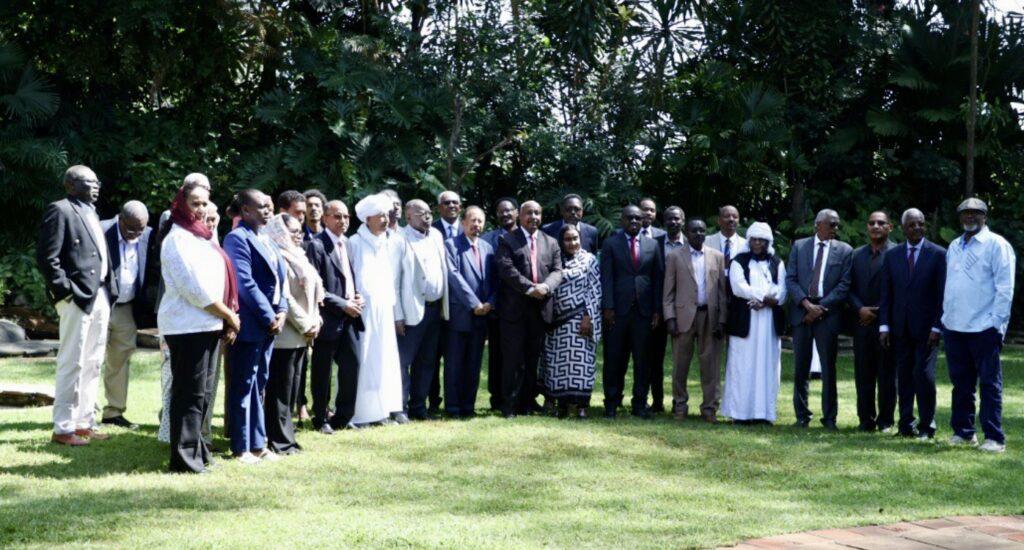
A preparatory meeting convened by a five-member international mechanism is scheduled to take place in the Ethiopian capital, Addis Ababa, to lay the groundwork for an inclusive Sudanese-Sudanese dialogue. The mechanism—comprising the United Nations, the African Union, the European Union, the Arab League, and the Intergovernmental Authority on Development (IGAD)—extended invitations to various political factions to design a political process that bridges the gap between forces supporting the warring factions and those rejecting the conflict.
The “Somoud” Civil Democratic Forces Alliance confirmed its participation in the June 2026 sessions. Their spokesman, Jaafar Hassan, acknowledged that previous attempts to host the meeting in Djibouti and Addis Ababa failed due to internal disagreements. However, he expressed renewed optimism for this round.
“The meeting is primarily exploratory, and its purpose is to ensure that the political process is under the supervision of the five-member mechanism,” Hassan told Ayin. “We are optimistic about the meeting, and we consider it the beginning of a Sudanese-Sudanese dialogue owned by the Sudanese, in which they set their agenda that serves to stop the war and restore and establish the Sudanese state.”
In contrast, the Democratic Bloc Alliance has shown internal fractures regarding the invitation. Faction spokesman Mohamed Zakaria revealed that while they received an invitation for the June 3–4 summit, the bloc remains divided over the inclusion of the “Ta’sees” alliance, led by Rapid Support Forces (RSF) commander Mohamed Hamdan Dagalo. “The issue of the parties and other procedural matters is the reason why many organizations within the Democratic Bloc refuse to participate unless the bloc meets with the five-member mechanism and discusses its reservations,” Zakaria explained, adding that “the bloc will decide its position and will come out with the opinion that is agreed upon.”
Shortly after, Democratic Bloc leader Minni Arko Minawi announced that the alliance would ultimately accept the invitation, reinforcing that any dialogue must remain purely Sudanese and comprehensive. However, Minawi drew a firm line regarding the RSF, writing on Facebook that the Democratic Bloc completely rejects granting the RSF any political privileges due to genocidal crimes committed during the war. Minawi emphasized that “achieving peace should not come at the expense of justice, and there is no room for compromise on the rights of victims or for impunity.”
Meanwhile, the Popular Congress Party, led by Ali al-Hajj, threatened a total boycott if figures connected to the former ruling National Congress Party are allowed to attend. “Some parties are trying to include civil forces and figures linked to the National Congress among the participants in the meeting, which may undermine the credibility of the meeting and lead to the undermining of the dialogue,“ the party stated. They warned that “any participation by the National Congress Party or its members will be met with our immediate withdrawal,” holding the five-member mechanism fully responsible for any resulting political rifts.
 2) At least 40 civilians killed in armed clashes in North Kordofan
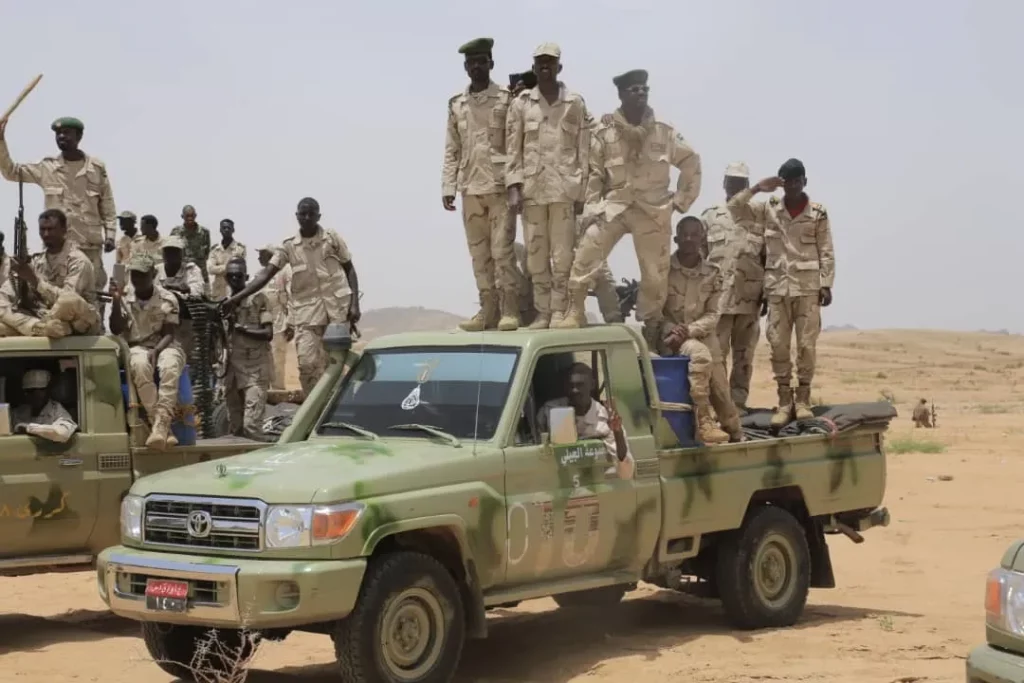
At least 40 people have been killed following intense three-day armed clashes between the Rapid Support Forces (RSF) and local armed residents in the West Bara locality of North Kordofan State. The violent encounters, which spanned a recent Thursday, Friday, and Saturday, have triggered a wave of mutual accusations between the warring factions and local human rights monitors.
The human rights monitoring group “Emergency Lawyers” reported that the RSF initiated the assault by invading the rural villages of Al-Marra, Saadoun Al-Sharif, and Al-Radha, sparking fatal firefights inside civilian areas. In an official statement, the group called for “an independent investigation into the circumstances of the attack and the accompanying violations, holding those responsible accountable, and taking urgent measures to protect the civilian population in conflict zones in Sudan.”
Conversely, the RSF offered a conflicting narrative, claiming that its troops were ambushed by armed citizens. RSF official spokesman Al-Fatih Qureshi announced that military commander Lieutenant General Mohamed Hamdan Dagalo has ordered the formation of an internal committee to investigate the West Bara escalation. Qureshi accused Sudanese military intelligence of “being involved in the events with the aim of inciting strife between the social components in the Kordofan region.”
Qureshi asserted that the newly formed committee would work swiftly to establish the facts on the ground, adding that the RSF is “committed to taking the necessary measures against anyone proven to have committed violations or acts that affect social peace and security conditions in the region.”
However, the National Umma Party countered this defense, citing a long pattern of systemic abuses by RSF-affiliated fighters in the region, including looting, illegal checkpoints, and the theft of civilian vehicles. In a public reprimand, the party stated that it “holds the leadership of the Rapid Support Forces fully responsible for the repeated attacks and the accompanying acts of looting, intimidation and security breakdown in the areas under its control,” demanding that the paramilitary group honor its mandates to protect innocent civilian lives.
 3) Sudanese army chief relies on Saudi influence for political breakthrough
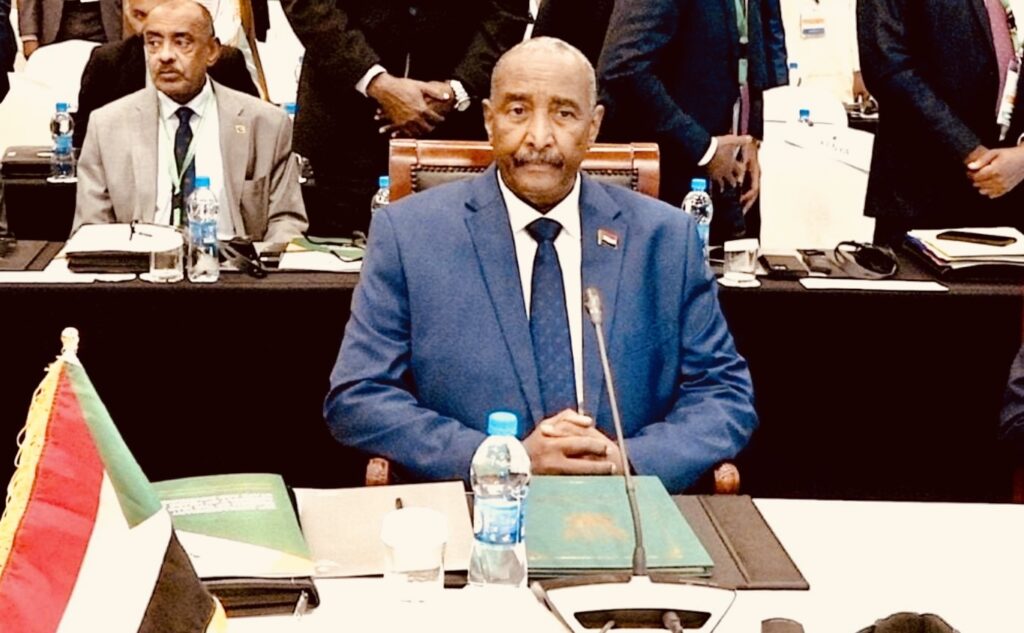
Sudanese Army Chief Lieutenant General Abdel Fattah al-Burhan, is reportedly leaning heavily on Saudi Arabia’s diplomatic leverage to secure a breakthrough for his newly proposed political dialogue initiative. The strategy follows Burhan’s recent peace overture delivered on the eve of Eid al-Adha.
A well-informed diplomatic source, speaking on the condition of anonymity, revealed that Riyadh has consistently provided vital “political and economic protection” to the military-led government based in Port Sudan. According to the source, Saudi Arabia has quietly shifted its diplomatic stance to show a clear bias toward Khartoum, moving away from its previous neutrality.
The source disclosed that Saudi officials conducted a series of unannounced, high-level meetings with traditional Sudanese political parties and civil leaders between late March and early April 2026 to map out an alternative political trajectory. “There are political leaders in Sudanese parties who participated in meetings with Saudi officials two months ago, and they addressed the Sudanese crisis and the creation of new solutions. If Saudi Arabia manages to achieve a breakthrough, the existing political alliances will not continue in the same manner; there will be major shifts in positions,” the source told Ayin.
This diplomatic pivot aligns with growing Saudi opposition to the RSF, particularly after the paramilitary group attempted to establish a parallel “founding government” in July 2025. Riyadh has notably adopted harsher rhetoric against the RSF, joining Egypt in a joint statement demanding the removal of the “militias” controlling El Fasher—marking the first time Saudi Arabia has explicitly used the term to describe Dagalo’s forces since the war began.
According to the diplomat, Saudi Arabia’s primary strategic objective is ensuring a stable, unified state along the volatile Red Sea coast. “The Saudis want a stable state on the Red Sea coast, and they believe that the army is the only entity capable of achieving this. At the same time, they are looking for a political role for traditional Sudanese parties to support any political system,” the source stated, noting that Burhan’s recent dialogue initiative was carefully synchronized with Riyadh’s behind-the-scenes maneuvers.
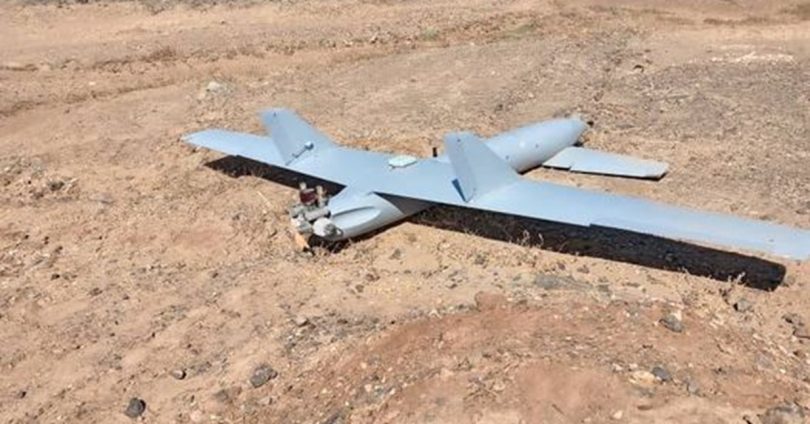 4) Drone strike kills ten civilians in West Kordofan
A devastating drone strike targeting two civilian transport vehicles on the Al-Fula-Abu Zabad road in West Kordofan State has left at least 10 civilians dead, including multiple women and children. The strike has ignited widespread condemnation from both local political entities and international human rights watchdogs monitoring the escalating use of unmanned weaponry in the region.
Local sources reported that the strike hit an area known as “Kadam,” completely destroying the civilian vehicles as they traveled between towns. The National Umma Party immediately pointed the finger at the Sudanese Armed Forces, explicitly accusing the military of executing the aerial bombardment that killed ten citizens, including eight children, and left several other passengers severely wounded.
The human rights organization “Emergency Lawyers” revealed that the victims were internally displaced persons (IDPs) who had previously fled intense fighting in the Abu Karshola region of South Kordofan. The group emphasized in a statement that “the attack took place in a civilian area where there are no military operations and no military presence,” and fiercely demanded an immediate cessation of aerial targeting in all heavily populated civilian zones.
The incident highlights a terrifying trend in the Sudanese conflict, where drones have increasingly targeted civilian supply lines and transit corridors between Abu Zabad, Al-Dubaibat, Al-Fula, and El-Obeid. UN High Commissioner for Human Rights Volker Türk previously sounded the alarm on the issue, warning against “the excessive use of these deadly weapons and the destruction of civilian objects” after reporting that drone strikes alone had claimed the lives of at least 880 civilians in Sudan.
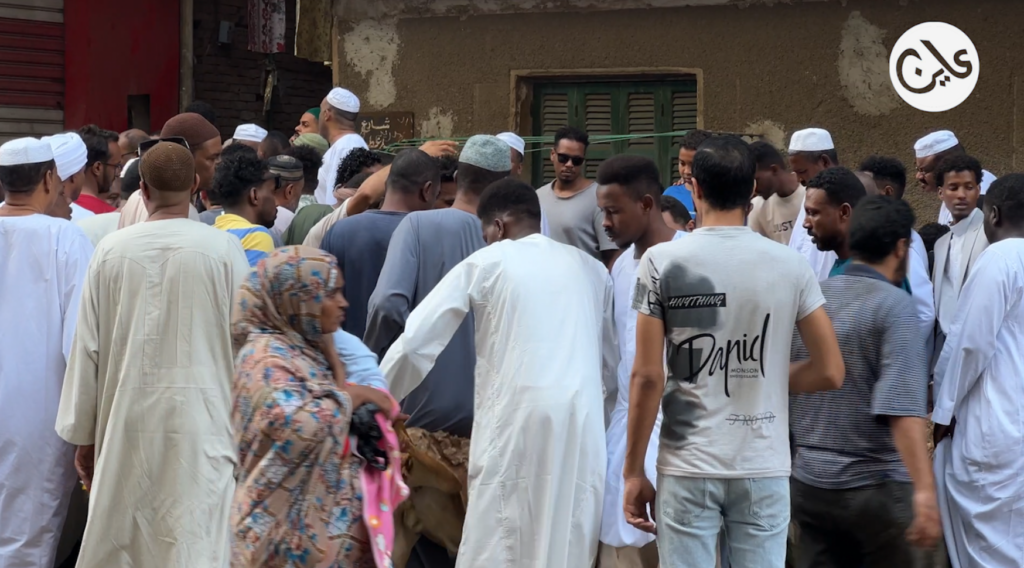 5) Sudanese refugee dies in Cairo after transfer to embassy for deportation
The Sudanese Embassy in Cairo has confirmed the death of 64-year-old Sudanese citizen Hamed Ali Adam Musa under highly contentious circumstances. Musa passed away directly after being transported to the embassy headquarters by Egyptian authorities, who were seeking emergency documentation to facilitate his immediate deportation back to war-torn Sudan.
While the embassy’s official press release refrained from detailing the exact medical cause of death, local sources confirmed that Musa, a registered refugee, had been swept up in a series of aggressive immigration crackdowns executed by Egyptian police targeting foreign nationals and undocumented refugees.
The incident coincides with reports from distraught Sudanese families in Egypt, who claim that authorities have initiated mass expulsions from Cairo police stations directly to the Wadi Halfa border crossing in northern Sudan.
Activists stationed at the Wadi Halfa border crossing corroborate these accounts, stating that Egyptian authorities are delivering hundreds of Sudanese deportees from major hubs like Cairo and Alexandria to the Sudanese border every week. The mass deportations persist despite conflicting data regarding the true size of the diaspora, with Egyptian state circles claiming the presence of 4 million Sudanese, while independent human rights groups estimate the actual number is well under one million.
In an effort to manage the crisis, Egypt announced a new policy allowing refugees a 45-day window to regularize their status and formally seek asylum. The new asylum card is intended to grant legal status and allow access to basic public health services. However, despite these legislative shifts, local activists note that arbitrary street sweeps and deportations at major transit hubs show no signs of slowing down.
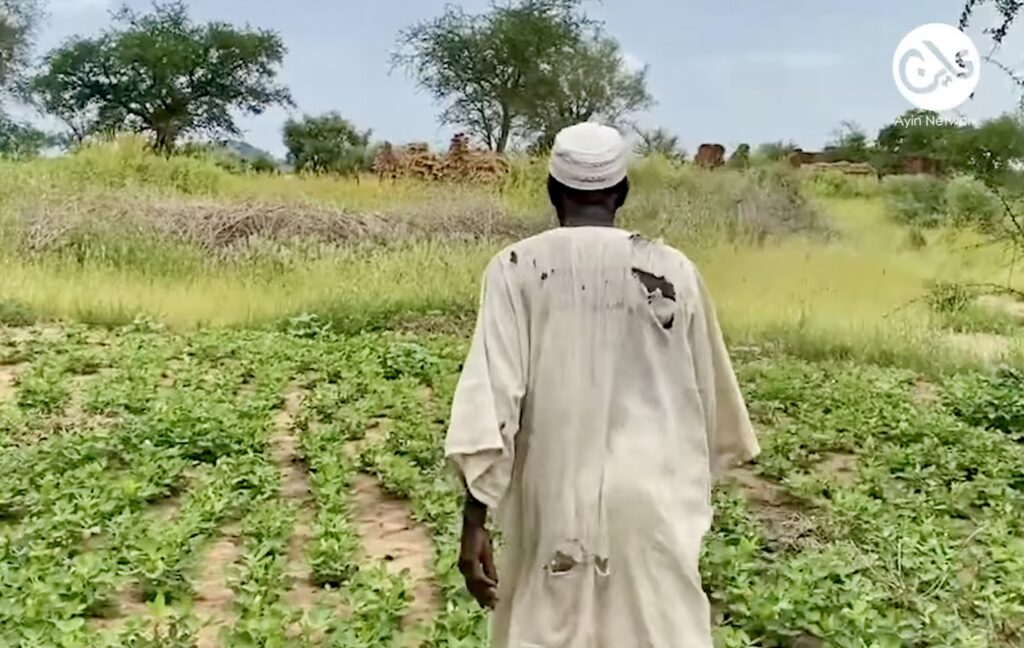 6) Sudanese agricultural projects on brink of failure for third consecutive season
Sudan’s vital agricultural sector is facing an imminent collapse for the third consecutive season due to severe funding shortages and catastrophic infrastructure decay. The crisis threatens to plunge millions more into acute food insecurity as the critical summer cultivation window rapidly closes without the necessary resources to sustain production.
Despite the General Assembly of the state-run Agricultural Bank voting to increase its capital to combat skyrocketing inflation, farmers on the ground report that the situation remains dire. The famous Gezira scheme is particularly crippled, suffering from a total lack of maintenance on its primary canals, water transmission channels, and agricultural roads following destructive raids launched by the RSF between 2023 and 2024.
Mohamed Al-Hadi, a seasoned farmer in the central section of the Gezira project, explained that the financial burden of preparing a single 5-acre plot has soared to 3 million Sudanese pounds (approximately $700 USD). However, Al-Hadi stressed that money is only part of the problem. “If we put the seeds in the ground, the water will not reach them because the canals are dilapidated, and the main canals do not carry sufficient quantities of irrigation water, so we will inevitably lose, and we cannot proceed with preparations before ensuring the maintenance of the infrastructure.”
Al-Hadi dismissed recent government efforts, such as the opening of the Sennar Dam gates, as a superficial public-relations stunt. “The Ministry of Irrigation opened the gates of the Sennar Dam two days ago for propaganda purposes only,” Al-Hadi stated, noting that the clogged and ruined infrastructure simply cannot handle the influx of irrigation water.
In a bid to salvage the season, Minister of Agriculture and Irrigation Ismat Qurashi convened an emergency meeting to review state-level financing and explore exempting agricultural fuel from government taxes. Qurashi announced that the Agricultural Bank has agreed to ease strict borrowing restrictions and finance up to 40% of the planned 25-million-acre summer season. Additionally, the ministry is looking outward for survival, highlighting a recent diplomatic mission to Turkey aimed at securing strategic partnerships in food processing, training, and the gum arabic trade to inject life back into Sudan’s failing breadbasket.