

26 May 2026
To keep our readers informed of the multitude of events taking place in Sudan amidst the ongoing, devastating war, we have developed a series of weekly news briefs covering major topics of the week.
In this week’s edition:
- Military buildup sparks fear of imminent clashes in the Kordofan region
- Deadly RSF drone strikes on North Darfur Markets
- Police crackdown on Sudanese refugees in Egypt intensifies with mass arrests
- Mass arrests follow deadly drone strike on Ghabish market, West Kordofan
- Cash liquidity crisis cripples Sudanese markets ahead of Eid al-Adha
- Suspected cholera outbreak claims 80 lives in West Kordofan
 1) Military buildup sparks fear of imminent clashes in the Kordofan region
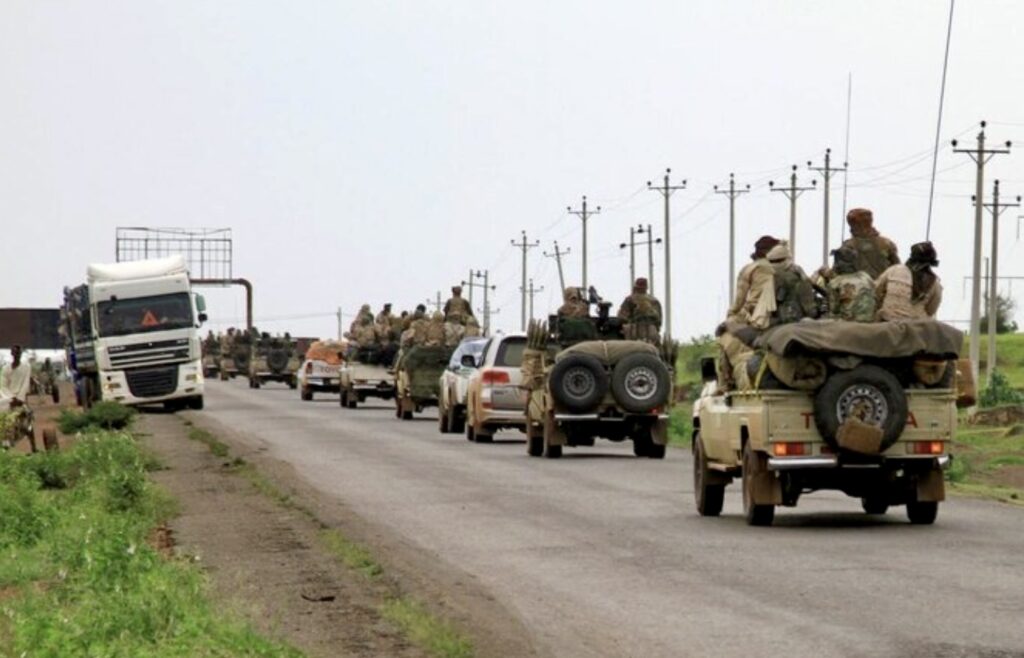
A heavy military buildup by both the Sudanese Armed Forces (SAF) and the paramilitary Rapid Support Forces (RSF) has plunged the Kordofan region into a tense state of anticipation. Local sources report substantial reinforcements moving toward active fronts, signaling the potential for imminent, large-scale battles.
The sudden surge in military activity follows a successful SAF operation that broke the blockade on the strategic cities of Dilling and Kadugli in South Kordofan State. This advance allowed commercial and humanitarian aid convoys to pass through following brief but intense skirmishes with the RSF in the Takma area, located between Dilling and Habila.
Witnesses from northwest El Obeid, North Kordofan State, reported seeing dozens of RSF combat vehicles traversing the area over a two-day period, heading east toward the RSF-controlled city of Bara. Concurrently, sources in Nuhud, West Kordofan State, confirmed the arrival of fresh military reinforcements advancing from the west, raising fears of expanding clashes.
The wider Kordofan region has increasingly transformed into a core theater of operations. While the army maintains a firm grip on North Kordofan’s capital, El Obeid, its repeated pushes south toward Dilling and west toward El Khoy have frequently triggered heavy fighting with the RSF, which utilizes these territories as forward operating bases.
The prolonged violence has extracted a heavy humanitarian toll on local communities. Areas like Al-Dubaibat, Kazqil, Al-Hamadi, and Al-Khuwai have reportedly been emptied out into ghost towns, forcing thousands of civilians to flee to safer pockets in El-Obeid, Abu Zabad, and Al-Fula.
 2) Deadly RSF drone strikes on North Darfur Markets
A devastating wave of Rapid Support Forces (RSF) drone strikes targeting local markets in North Darfur has left dozens of civilians dead and scores injured. The aerial bombardments focused heavily on the localities of Al-Tina and Karnoi, igniting widespread panic that the strikes are a precursor to a massive ground offensive.
According to a statement issued by the Coordination of Resistance Committees of El Fasher on Monday, May 25, a drone strike directly targeted the crowded market in Karnoi, causing unconfirmed civilian casualties. This marked the second time the market was hit in a week, a tactic that has ended all commercial activity and blocked access to basic goods.
A day earlier, an RSF drone strike hit the border town of Al-Tina, killing at least five civilians and injuring countless others. The international medical organization Doctors Without Borders (MSF) confirmed the severity of the crisis, reporting that 47 wounded individuals had crossed the border into neighboring Chad to seek urgent medical care following the strikes.
Local emergency response rooms report that the week’s total casualties across the two targeted localities have surpassed dozens of deaths and left at least 85 people with varying degrees of injury.
A worker in the Karnoi emergency room detailed the harrowing reality on the ground: “Civilians in these areas have come to know instinctively that the intensification of drone attacks usually precedes the outbreak of ground battles, especially with the frequent field information confirming suspicious movements and the transfer of military equipment and reinforcements for the Rapid Support Forces near these localities.”
 3) Police crackdown on Sudanese refugees in Egypt intensifies with mass arrests
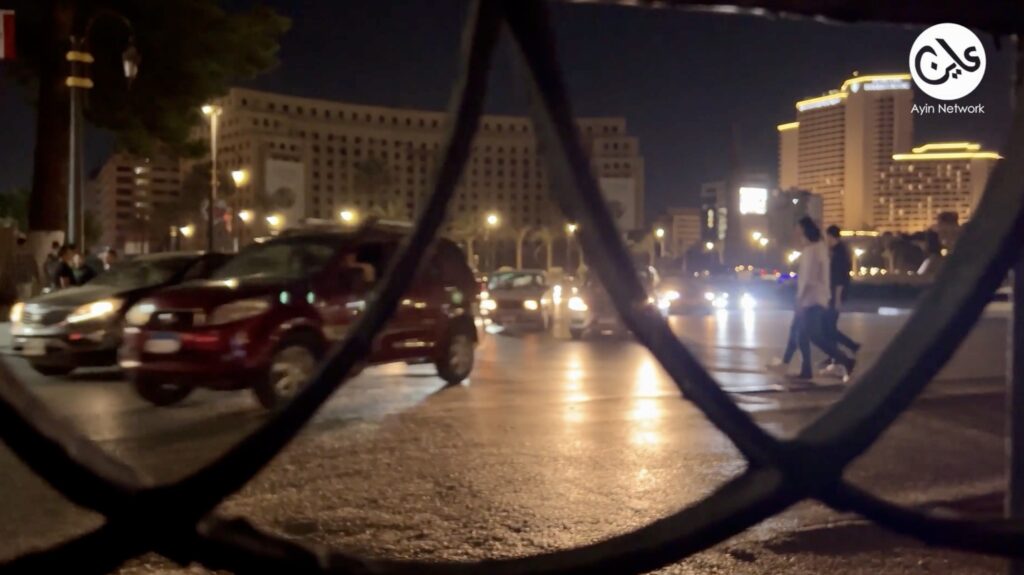
Egyptian authorities have launched sweeping arrest campaigns across Cairo, detaining dozens of Sudanese refugees and taking them to local police stations. Families have reported losing contact with loved ones over a chaotic 48-hour period, sparking widespread panic among the expatriate community.
One affected family shared that their 29-year-old son was detained in downtown Cairo and swiftly referred to the public prosecution for violating residency procedures. “We, as a Sudanese family, arrived by road from the north of the country to Aswan by trucks about two years ago, and we live in Cairo,” a relative explained. “While my sisters do not leave the residence, we go out daily to look for work in Sudanese shops.”
Strict security measures at the Giza-area holding facility have prevented the family from visiting him. Describing the punitive financial pressure used by authorities to expedite deportations, the relative added: “Ultimately, my brother will be deported to Sudan. Either we pay about 14,000 Egyptian pounds to expedite the deportation process at our own expense, or we wait for him to be detained in prison for about 45 days to be deported at the expense of the Egyptian government. This method is used to force families to pay the cost of transportation.”
Human rights defenders report that the sweep has not spared minors, noting that boys under the age of 16 are currently held behind bars awaiting deportation as major holidays approach. “The detention of Sudanese people raises serious concerns,” says human rights advocate Mohamed Al-Sir, who recently fled Cairo. “There are several deaths recorded this year as a result of the deteriorating prison environment, including a decline in health conditions coupled with severe psychological pressure.”
Al-Sir strongly criticized the conditions and the lack of diplomatic pushback from Khartoum. “All age groups are being put in one place with hardened criminals convicted in criminal cases, simply because they came to Egypt fleeing the war in their country,” Al-Sir said. “What is happening is not being met with a full and decisive response from the Sudanese government.” Around 800,000 Sudanese have fled to Egypt since the war erupted, and many feel abandoned by their government, a sentiment underscored by the high-profile 12-hour airport detention and deportation of Sudanese journalist Durra Qumbu in mid-May.
 4) Mass arrests follow deadly drone strike on Ghabish market, West Kordofan
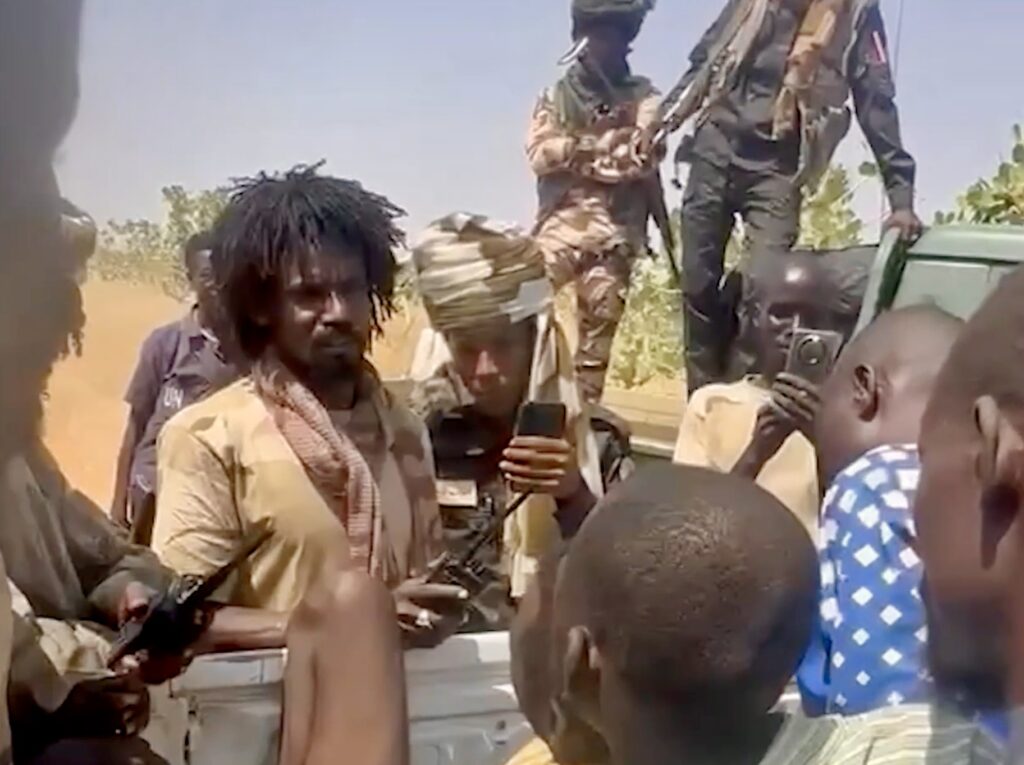
The Rapid Support Forces (RSF) have initiated a harsh wave of arbitrary arrests targeting civilians in Ghabish, West Kordofan, following a deadly drone strike on the city’s central market. The strike hit a parked military vehicle, killing 11 people—including seven soldiers—and injuring 17 others, triggering a massive civilian exodus.
In the immediate aftermath of the attack, the RSF shut down the market, stoking fears of a total security collapse. Troops have spent the last 48 hours arresting dozens of local residents under the suspicion that they provided coordinates and intelligence to the Sudanese Armed Forces to guide the airstrike.
The human rights advocacy group “Emergency Lawyers” confirmed the identity of several detainees, including Al-Fatih Abdulrahman Abdullah and Al-Sadiq Muhammad Saleh. The group expressed grave concern for Al-Fatih, who was previously injured in an RSF attack and required medical treatment in Nuhud prior to his enforced disappearance.
The legal group strongly condemned the practice of holding civilians incommunicado. In an official statement, the group noted: “This comes in the context of ongoing arbitrary arrests and enforced disappearances of civilians in areas controlled by the Rapid Support Forces, accompanied by the transfer of detainees to prisons and detention centers without legal procedures or protection guarantees.”
The Emergency Lawyers called the campaign “a grave violation of international humanitarian law and the principles of the protection of civilians,” demanding an immediate disclosure of the whereabouts and safety of all forcibly disappeared individuals. The crackdown has shattered Ghabish’s status as a vital commercial sanctuary, which had previously offered refuge to thousands fleeing active combat zones in Darfur and Kordofan.
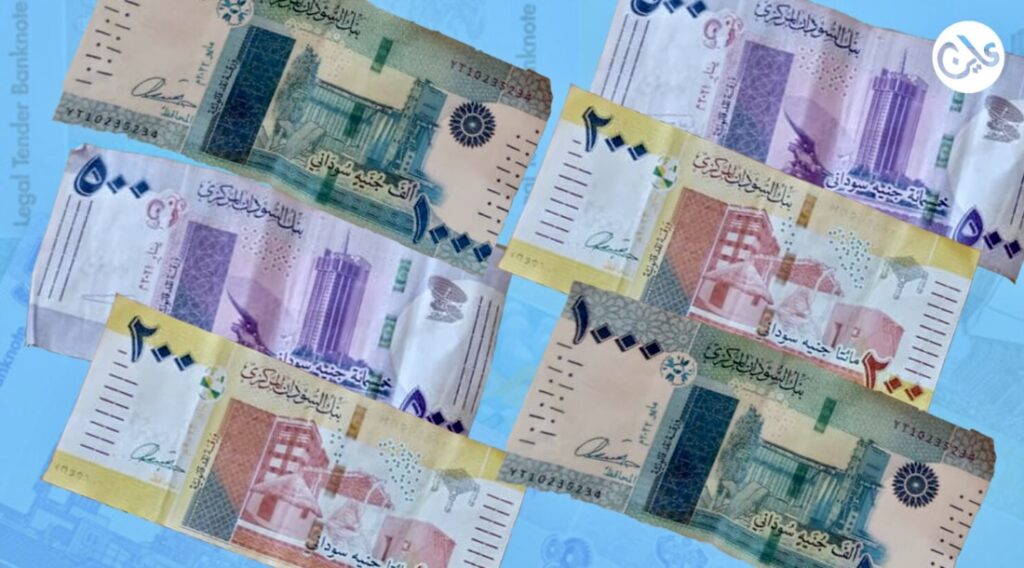 5) Cash liquidity crisis cripples Sudanese markets ahead of Eid al-Adha
A severe cash liquidity crisis has paralyzed markets across multiple Sudanese states just as communities prepare to celebrate Eid al-Adha. The cash drought, combined with widespread failures of digital banking applications, has left citizens entirely unable to purchase daily necessities or traditional sacrificial animals.
Network failures have exacerbated the breakdown of commerce. “The communications network is poor in most residential neighborhoods,” says Fatima*, a Khartoum resident. She noted that the sudden failure of banking apps left her stranded when trying to buy a sacrificial sheep, forcing her to turn to predatory black-market cash brokers who demanded an exorbitant 10% processing fee.
“It’s awful to have money deducted from you in exchange for getting your own money! This only happens in Sudan,” she said. “I received 720,000 Sudanese pounds in cash in exchange for an electronic transfer of 800,000 pounds late at night after a slight improvement in the network.”
Economic analyst Mohamed Ibrahim criticized the financial authorities for failing to safeguard the economy during major holidays. “The Central Bank may have avoided injecting funds into the markets for fear of a deteriorating exchange rate and further losses for the Sudanese pound, but the liquidity crisis and the deduction of funds from electronic transfers to cash have also severely harmed citizens,” Ibrahim observed.
Ibrahim further explained that the underlying issue lies in neglected infrastructure. “Improving electronic transfer systems requires advanced technology that may cost around $50 million, so when the demand for electronic transfers increases, the networks are unable to handle tens of thousands of transactions at once,” he added.
 6) Suspected cholera outbreak claims 80 lives in West Kordofan
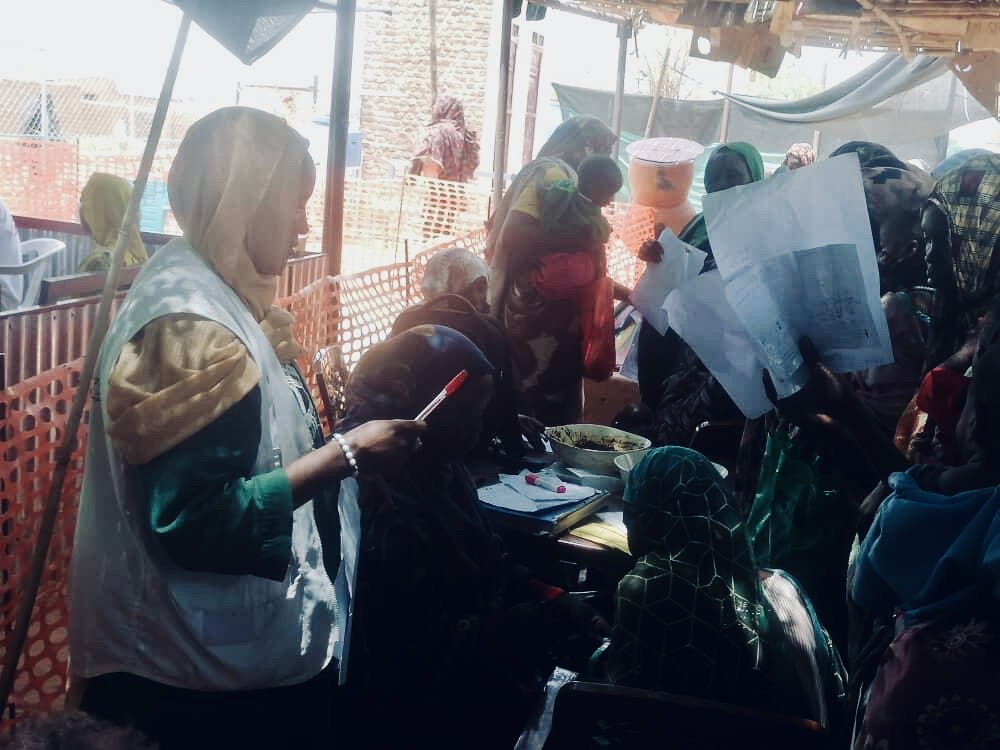
A catastrophic health crisis is unfolding in the RSF-controlled city of Foga, West Kordofan, where a suspected cholera outbreak has claimed 80 lives and infected over 273 people. Local sources describe the conditions inside the isolation centers as utterly unmanageable amid a total collapse of health infrastructure.
The outbreak has torn through the Nuhud locality over the past week, met by a total absence of international humanitarian organisations. “The hospital receives more than 60 cases of infection daily, while between 7 and 8 people die daily, in addition to the cases that are treated at home,” a medical volunteer at Foga Hospital said.
The volunteer warned that the official figures represent only a fraction of the tragedy, as dozens recover or die at home without ever reaching the isolation facilities. He pointed to a severe shortage of vital intravenous fluids, explaining that the disease is now actively spreading to neighboring areas via transit routes.
“The region has been deprived of services and aid because it is under the control of the Rapid Support Forces,” the volunteer lamented, asking, “What is the fault of the citizens there, who have no connection to politics?”
Local sources attribute the epidemic to contaminated drinking water, as residents are forced to store water from distant wells in unhygienic conditions for prolonged periods. Meanwhile, the Ministry of Health of the Government of National Accord released a statement on its Facebook page claiming that health isolation centers in Foga are actively receiving and monitoring suspected cases as part of an “integrated plan to raise the level of preparedness and rapid response.”