

From thieves to warlords: the rise of the Awlad Jadallah militia
26 March 2026
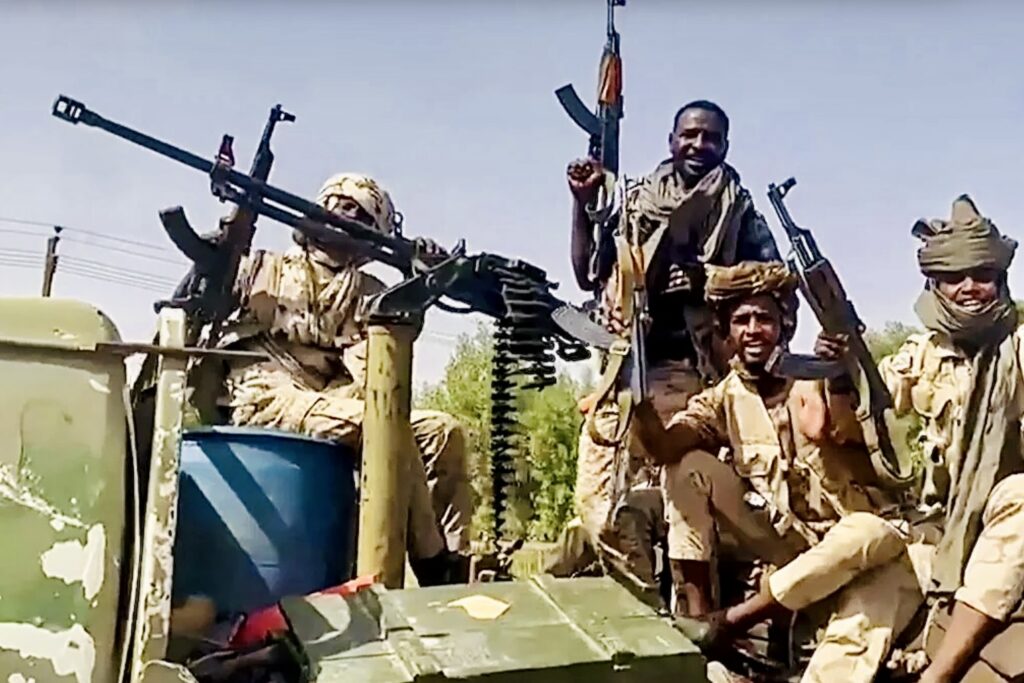
The security vacuum created by Sudan’s ongoing war has birthed a new and terrifying force in the Kordofan region. What began decades ago as a localised group of livestock thieves has evolved into “Awlad Jadallah“—a heavily armed militia that has paralysed life for residents of West and North Kordofan through a relentless campaign of looting, extortion, and kidnapping.
Operating under the chaotic shadow of the Rapid Support Forces (RSF), the Awlad Jadallah have transformed from rural bandits into a formidable paramilitary threat. Their escalating crimes, which now include the arbitrary arrest and detention of civilians, have left local populations desperate and demanding accountability.
“Like one family”
The origins of the Awlad Jadallah lie not in military barracks but in the nomadic grazing routes of Kordofan. According to Ahmed Adam*, a local leader in West Kordofan, the group first emerged in the early 2000s. Ethnically tied to a local social component, they are primarily sheep and camel herders who migrate seasonally for grazing and water.
“The Awlad Jadallah are a nomadic herd comprising about 300 camps,” Adam explained. “They are like one family of brothers, cousins, aunts, and grandchildren.”
Despite being wealthy livestock owners themselves, the group became notorious for stealing sheep and camels, leading to constant, localised clashes. Uniquely, they have no singular leader. “They move collectively, and each one of them knows himself as ‘Wad Jadallah’,” Adam noted. “While they own vehicles, they traditionally preferred to move on camelback, armed with weapons like the G3 rifle,” he added.
By 2022, their criminal activity had caused such severe friction that their own local community publicly disowned them, citing the profound damage they had done to peaceful coexistence in the region.
The outbreak of war and the transformation
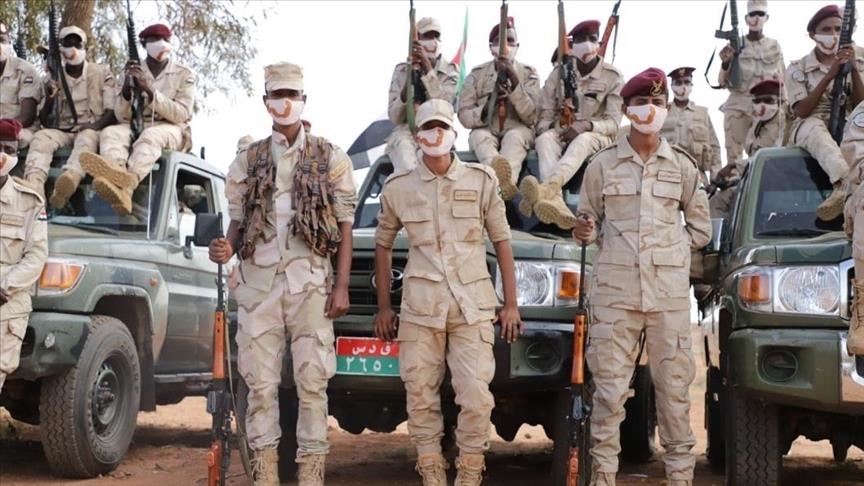
The outbreak of the current Sudanese conflict provided the perfect cover for the Awlad Jadallah to upgrade their operations, local sources told Ayin. Two months into the war, they emerged in the “Tayba” area of West Kordofan, newly equipped with military vehicles and heavy weaponry.
They initially clashed with the RSF and disrupted local commerce, exploiting existing ethnic tensions between the Hamar and Misseriya tribes to shift their focus from livestock theft to armed robbery. After an RSF attack on Tayba in January 2024 left one Awlad Jadallah member dead, the group relocated to the Al-Sa’ata area on the border of North Kordofan.
However, their violent extortion tactics quickly alienated their new neighbours. “They clashed with local communities as a result of their involvement in armed robbery,” explained Hassan Abdel Rahim*, a local citizen. “Some of their gunmen were killed during armed clashes with the locals, so they were forced to move their camps.”
The “alliance of villains”
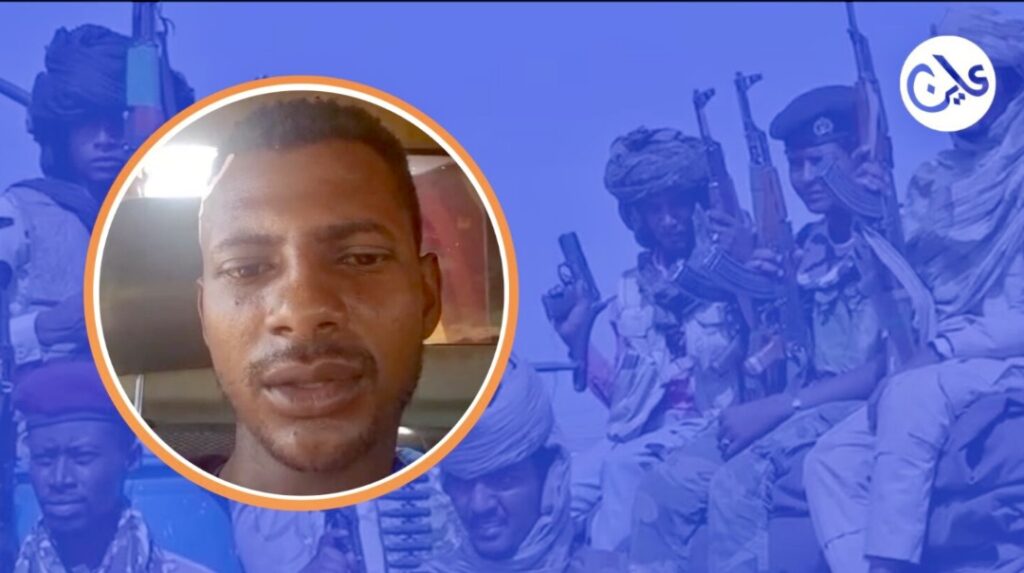
It was during this period of displacement that the Awlad Jadallah formed a crucial, albeit opportunistic, alliance with Suleiman Mohammed Bureima, commonly known as “Salib Al-Deek“, a notorious RSF-allied militia leader. Bound by ethnic ties and a shared interest in plunder, they terrorised both North and West Kordofan.
The Awlad Jadallah’s allegiances remained fluid, shifting between army-aligned militias and the RSF depending on where the profit lay. However, when the RSF captured the cities of Al-Nuhud and Al-Khuwai in May 2025, the Awlad Jadallah firmly aligned themselves with the paramilitary group, according to local sources on the ground.
The unchecked rise of the Awlad Jadallah has deeply eroded public trust in the RSF commanders ostensibly controlling the region, local residents in Abu Zabad, West Kordofan State, said.
“All these crimes are happening right under the noses of the Rapid Support Forces,” said Abdullah al-Sayed*, a local resident. He pointed out that the RSF command in Abu Zabad fails to take action despite constant complaints about incidents of murder or kidnapping. This inaction has solidified local suspicions that high-ranking RSF officials are actively protecting the militia.
Sources indicate that Al-Deek operated under the protection of prominent RSF field commanders Hussein Barsham and Abdul-Moneim Sharia. Following the death of a more protective RSF commander, Makin al-Sadiq, in September 2025, crimes surged again. Locals believe that Hussein Barsham, whose influence grew after al-Sadiq’s death, directly supports this resurgence. The UK government notably sanctioned Barsham in early 2025 for his involvement in civilian atrocities.
Kidnapping and extortion
The human cost of the Awlad Jadallah’s impunity is staggering. Mohammed Ahmed*, a social activist in West Kordofan, reported monitoring more than 10 kidnappings in the Abu Zabad locality between December and February alone.
“Most of the kidnapped are traders and livestock owners,” Ahmed said, noting that ransoms have reached as high as 32 million Sudanese pounds (roughly US$9,400). He also documented at least three murders directly tied to Awlad Jadallah looting operations in February.
The militia is now acting as a rogue authority. In late February, they arrested dozens of young traders transporting peanuts and oil in “tuk-tuks.” The Awlad Jadallah detained them in a holding cell, falsely accusing them of smuggling crops to army-controlled areas. While an RSF leader eventually intervened to free the men, the Awlad Jadallah looted all of their property before releasing them.
As the Awlad Jadallah transition from simple bandits to a heavily armed group capable of arresting and detaining citizens at will, the thousands of civilians trapped in Kordofan’s security vacuum face an increasingly terrifying and lawless reality.
A turbulent sea of militias
The Awlad Jadallah are only one of five RSF-aligned militias operating in West Kordofan State, says military expert Mohamed Khalil Al-Saim. None of these militias receive salaries from the RSF, Al-Saim told Ayin, and rely solely on the armed robbery of civilians for their survival. With little oversight from the RSF, he adds, this ad hoc setup is a key reason for the ongoing insecurity within the Kordofan region. It is also a setup that is unlikely to end, even if a ceasefire between the warring parties is signed. “The RSF will not be able to control the militias allied with it,” Al-Saim said. “This makes them a threat to any peace process, especially if their interests are harmed.”
*Names have been changed to protect the identities of the sources.