

Sudan in a week: Ayin News Bulletin #16
15 January 2025
To keep our readers informed of the multitude of events taking place in Sudan amidst the ongoing, devastating war, we have developed a series of weekly news briefs, covering nine major topics of the week.
In this week’s edition:
- Ongoing fighting in Kordofan and its devastating humanitarian impact
- From Dongola to Gedaref: Arrests and court rulings target civil activists
- Bank of Sudan allows financing for real estate amid economic challenges
- Pakistani arms deal for the Sudanese army worth $1.5 billion
- The army-government relocates to Khartoum amidst service challenges
- Sinja: 27 were killed in an attack targeting military officers
- New wave of displacement from Kordofan region
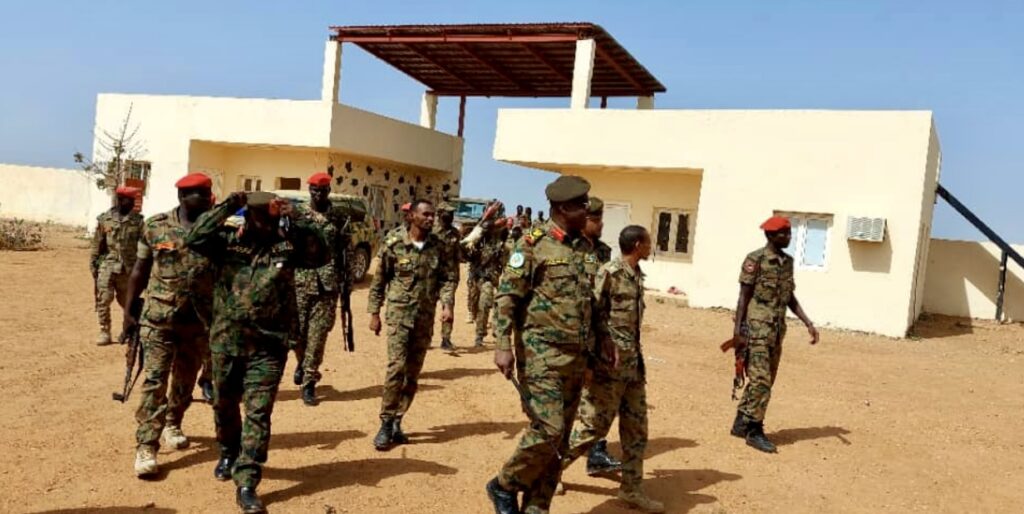 1) Ongoing fighting in Kordofan and its devastating humanitarian impact
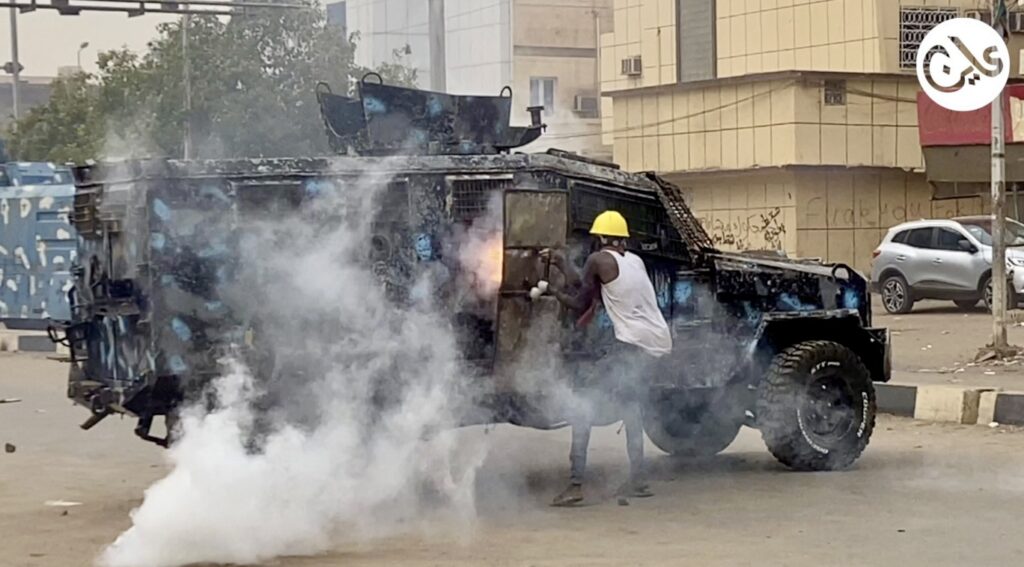 2) From Dongola to Gedaref: Arrests and court rulings target civil activists
Security authorities in the northern Sudanese city of Dongola have arrested Ahmed Abdullah Khader, known as “Shifa,” head of the General Center of the Nubian Gathering, according to a statement by the group. The arrest was reportedly carried out following a complaint filed by the Al-Baraa Bin Malik Battalion, an Islamist-leaning armed group allied with the Sudanese army.
The Nubian Gathering said Khader was subjected to abuses during his arrest and accused authorities of spreading false claims that he had fled, despite remaining in Dongola to face the case. The group said Khader has maintained a clear anti-war position and rejected what it described as politically motivated accusations.
Khader is a prominent activist who opposed the regime of former president Omar al-Bashir and played a key role in the peaceful December Revolution that led to Bashir’s ouster in April 2019. He is also known for campaigning against illegal mining and the use of cyanide in northern Sudan, as well as opposing dam projects that threatened to inundate large parts of the Northern State.
The Nubian Gathering characterised the case as political targeting, asserting that the complaint aimed to suppress opposition voices. It called on supporters to gather outside the Dongola Criminal Court on Wednesday, January 14, to show solidarity with Khader and turn the trial into a protest in defence of freedom of expression.
In a related development, a court in the eastern city of Gedaref sentenced civil and humanitarian activist Ayman al-Hariri to six months in prison and imposed a fine for a Facebook post calling for the release of detainees from alleged “ghost houses”. The ruling, issued on January 11, marked the second conviction of an activist in less than a month.
Activists and political groups have condemned the verdict, warning of growing repression in army-controlled areas. Saleh Ammar, spokesman for the Alliance of Civil Forces in eastern Sudan, said the ruling reflected the influence of former ruling party elements within the judiciary, as authorities intensify restrictions on journalists and activists under heightened security censorship and expanded cybercrime laws.
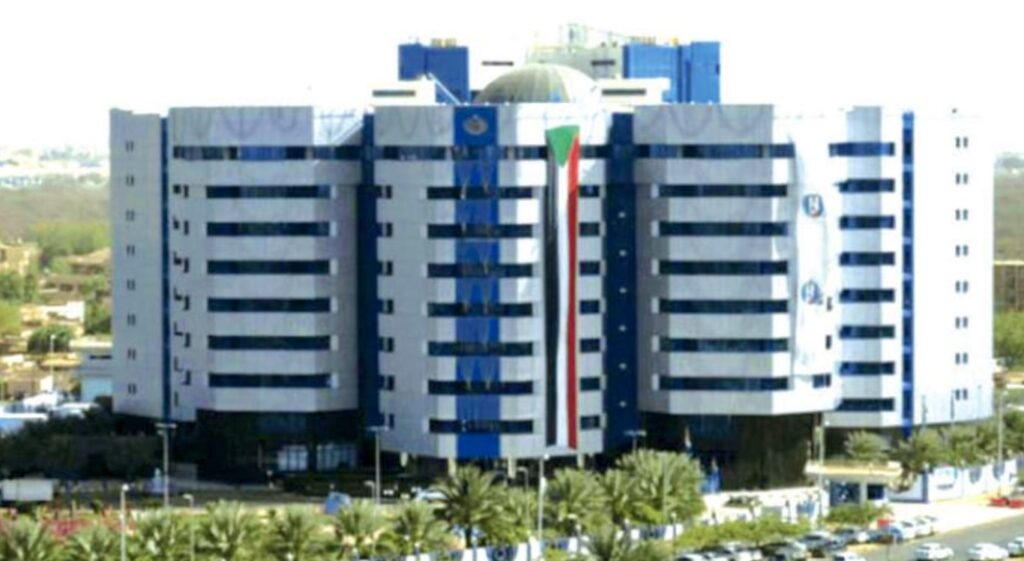 3) Bank of Sudan allows financing for real estate amid economic challenges
Sudan’s Central Bank has announced new measures allowing commercial banks to finance the restoration, maintenance and reconstruction of buildings, as well as the purchase of vehicles, in a bid to support postwar recovery and encourage private-sector participation in rebuilding areas devastated by the conflict.
In a circular issued on January 6, the bank authorised financing for real estate reconstruction and the purchase of various modes of transportation, including buses and rickshaws, with a particular focus on Khartoum and the Al-Jazeera states. Both states suffered extensive damage during fighting between the army and the Rapid Support Forces.
The Central Bank stipulated that land ownership by the client would be a basic requirement for granting reconstruction financing in the real estate sector. Nearly three years of armed conflict have severely weakened the property market, which the decision aims to revive.
Economic analyst Mohamed Ibrahim told Ayin that the move primarily aims to revive Khartoum as Sudan’s main population and financial centre. However, he noted that the circular did not specify applicable interest rates, creating uncertainty for both lenders and borrowers.
Ibrahim warned that many banks may lack the capacity to finance large-scale reconstruction, as building material costs have risen by up to 1,500 percent since the war began. He added that the policy is likely to benefit only a small segment of citizens able to provide guarantees or mortgage assets, while around 12 million displaced people remain without homes or livelihoods.
The banking sector itself has been deeply affected by the war, with nearly 900 branches damaged or looted and dozens of banks in Darfur and Kordofan out of service for a third consecutive year. Widespread looting of bank treasuries and customer deposits, particularly in Khartoum, has further undermined confidence in Sudan’s financial system and complicated efforts to support recovery.
 4) Pakistani arms deal for the Sudanese army worth $1.5 billion
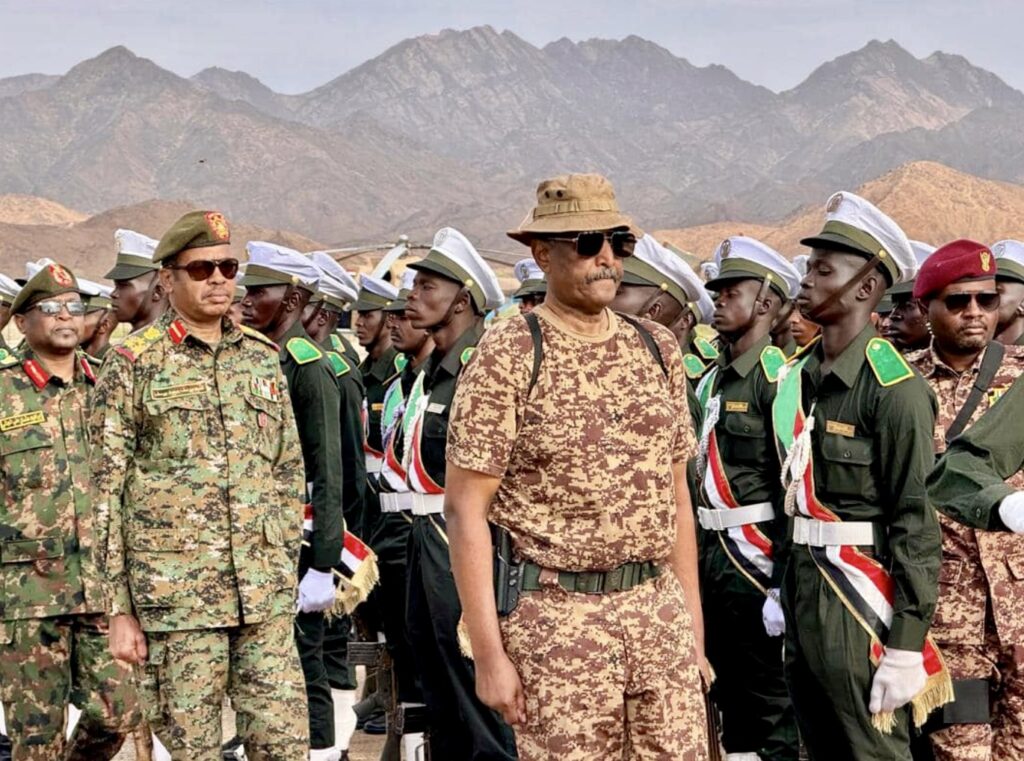
Sudan’s army is preparing to acquire an integrated air and defence weapons system from Pakistan in a deal valued at up to $1.5 billion, according to Reuters. The same source claims the deal converted Saudis’ loans into a JF-17 fighter jet deal.
The agreement may represent the largest military procurement by Sudan’s armed forces in recent years, amid ongoing fighting with the Rapid Support Forces (RSF) since April 2023.
Reuters suggested that a regional actor may be overseeing and financing the acquisition. A former military source in Khartoum said army commanders believe the balance of power now hinges on securing advanced air and defence capabilities to counter sophisticated weapons reaching the RSF, particularly via Nyala Airport in Darfur.
The source added that army chief Abdel Fattah al-Burhan signalled this shift last year, after consolidating control over the capital, when he declared it was time for the military to move from a defensive posture to an offensive one. He described the deal as a first step toward reshaping the army’s strategy and reducing its long-standing reliance on Russian weaponry.
According to Reuters, the planned package includes light attack and training aircraft, roughly 200 drones, and air defence systems, with JF-17 fighter jets at a later stage. The equipment is intended to enhance the army’s ability to conduct air operations across multiple fronts.
Democracy and peace activist Mujahid Ahmed told Ayin that the acquisition could prolong the war, deepen the humanitarian crisis, and fuel an arms race, arguing that the scale of the deal may push both sides further away from ceasefire or humanitarian truce options.
 5) The army-government relocates to Khartoum amidst service challenges
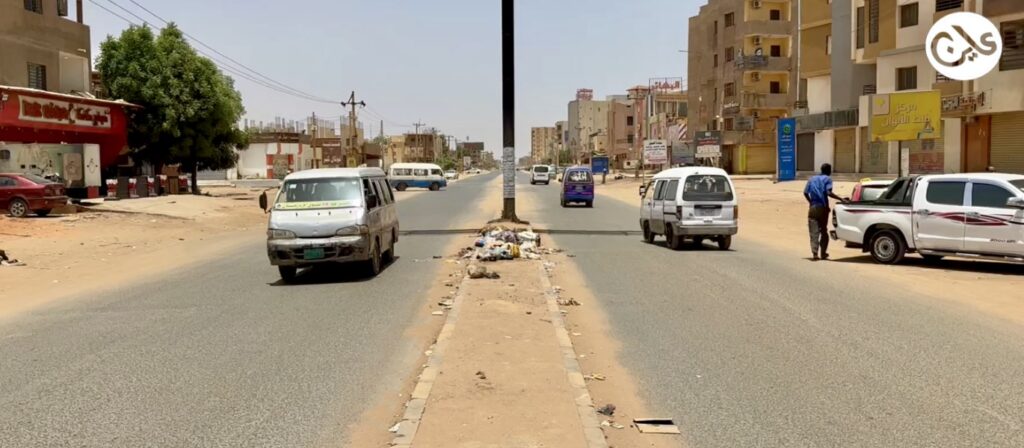
Sudan’s military-led government, headed by Prime Minister Kamil Idris, has officially relocated its headquarters from Port Sudan back to the capital, Khartoum, marking a symbolic return and the start of a reconstruction push after more than two years of devastating war.
The move comes after the Sudanese army regained full control of Khartoum in May 2025, following prolonged fighting with the Rapid Support Forces. Authorities now face vast reconstruction challenges, particularly in infrastructure and public services, under the supervision of Transitional Sovereignty Council member Lt Gen Engineer Ibrahim Jaber.
Speaking to residents in Khartoum on Sunday, Idris announced the immediate launch of a reconstruction phase aimed at improving living conditions and restoring activity in schools and universities. The following day, Sovereignty Council Chairman Lt. Gen. Abdel Fattah al-Burhan met with the prime minister in the capital, where both agreed to administer state affairs from Khartoum and begin rebuilding efforts without disclosing funding sources.
Although many ministries and state institutions lost their main headquarters to destruction and looting, government offices have resumed work at temporary locations along Sixty Street, Africa Street and Nile Street. Officials say restoring basic services is the first priority before wider reconstruction can begin.
A source in the Khartoum State government told Ayin that efforts are focused on restoring electricity to Khartoum, Khartoum North and parts of Omdurman. The capital has already received around 400 electrical transformers via Port Sudan, and their installation is almost complete, although officials emphasise the need for much more.
On the ground, residents report a gradual return to life in some neighbourhoods, despite persistent power outages and insecurity. Volunteer workers say criminal gangs impersonating security forces remain a serious concern, a problem authorities acknowledged after announcing the arrest of 450 suspects earlier this month, including armed groups operating dozens of fake security offices across the capital.
 6) Sinja: 27 killed in attack targeting military officers
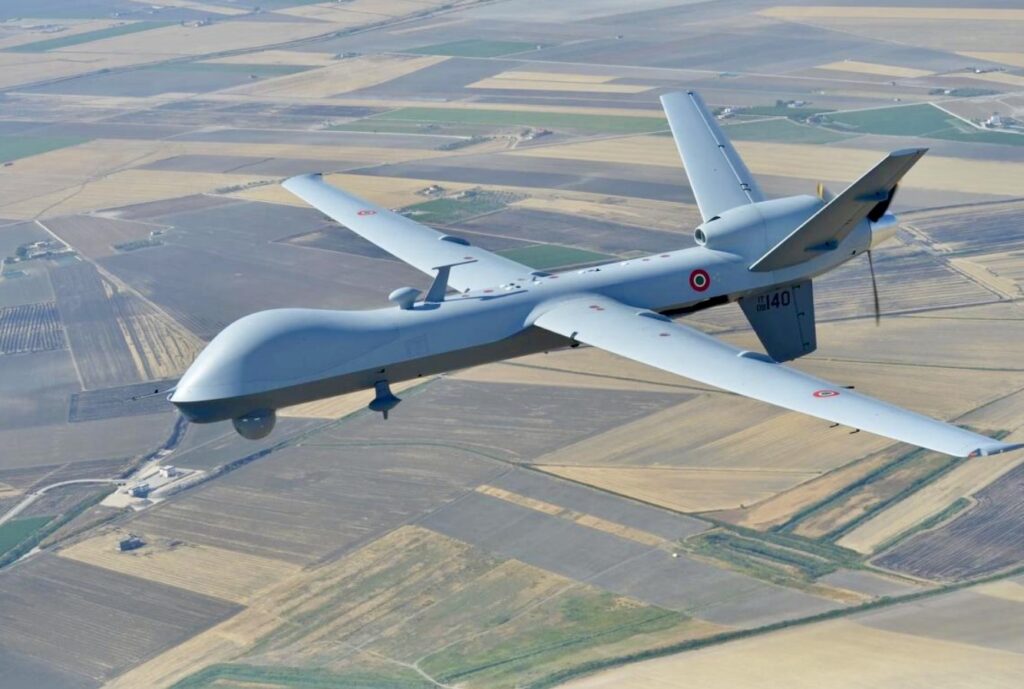
At least 27 people were killed and 73 others wounded in a drone attack that struck a meeting hall inside the headquarters of the Sudanese army’s 17th Infantry Division in Sinja, the capital of Sennar State, on 12 January, local officials said.
A source in Sinja said the attack occurred in the early hours of the morning, minutes after official delegations arrived at the venue. The strike was carried out in three phases, with successive munitions hitting the hall directly, causing heavy casualties among those inside.
Sennar State Health Minister Ibrahim al-Awad confirmed that the total number of victims reached 100, including 27 fatalities and 73 injured. Local sources said dozens of wounded, some in critical condition, were transferred to hospitals in Sinja and Sennar as security forces imposed tight measures following the attack.
The Rapid Support Forces did not formally claim responsibility, but Pasha Tabik, an adviser to the RSF commander, wrote on Facebook after the incident that the operation was “a message to those who advocate continuing the war”, warning that “what is coming will be more painful”.
The attack came hours after Sudanese army airstrikes destroyed four RSF combat vehicles in the Yabus area of the Blue Nile region on Sunday, according to the army’s spokesperson. Authorities in Sennar State have not yet disclosed the identities of officials who were expected to attend the targeted meeting.
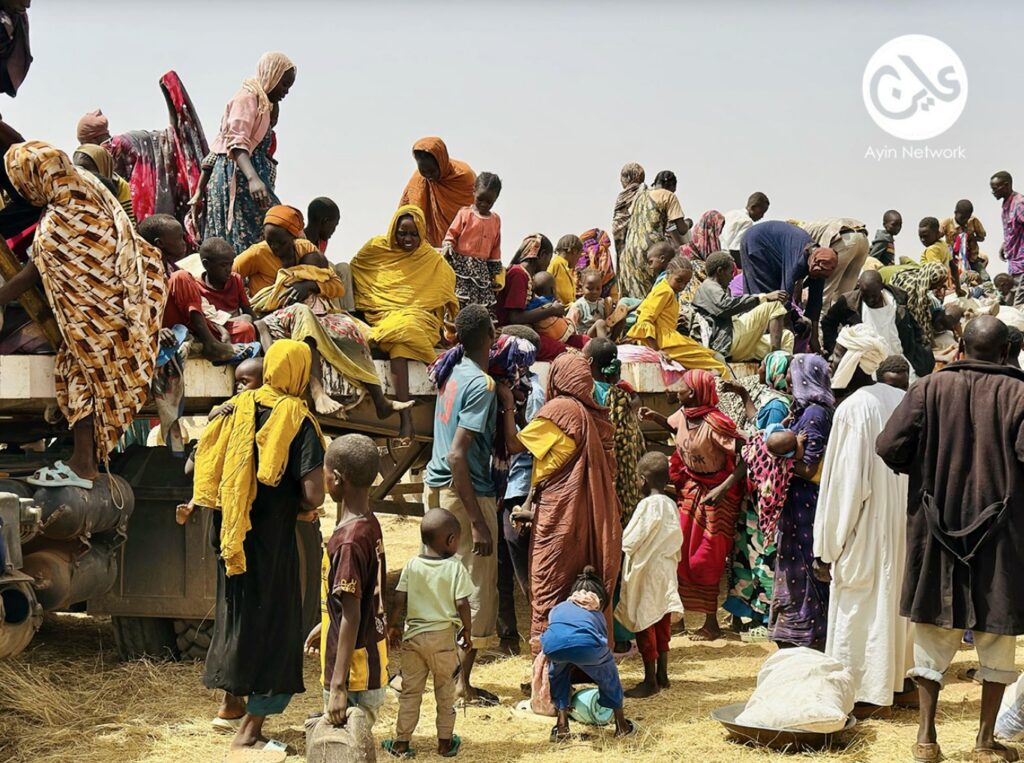
More than 1,000 days after the war erupted in Sudan, the humanitarian situation in the Kordofan region is rapidly deteriorating, with escalating displacement overwhelming health and food services and leaving women and children to bear the brunt of the conflict, UN agencies have warned.
The UN Office for the Coordination of Humanitarian Affairs (OCHA) said growing insecurity in Kordofan has triggered new waves of displacement and severely disrupted health services, as fighting continues across multiple fronts. The roads linking Kadugli and Dilling remain blocked, restricting access to food, medical care, farms, and markets.
The International Organization for Migration reported that more than 2,200 people were displaced last week from Al-Abbasiya and Kadugli to White Nile State, while others fleeing North Kordofan have continued to arrive in Gedaref, Khartoum and River Nile states.
UN Humanitarian Coordinator in Sudan Denise Brown said displacement camps are already beyond capacity. Al-Afad camp in Northern State is hosting its maximum of 3,000 families, with up to 80 new families arriving daily, despite having only 100 toilets compared with an estimated need of 800. OCHA said the Northern State alone is hosting around 80,000 displaced families, placing extreme strain on food, water, health, sanitation, and education services.