

Sudan in a week: Ayin News Bulletin #14
30 December 2025
To keep our readers informed of the multitude of events taking place in Sudan amidst the ongoing, devastating war, we have developed a series of weekly news briefs, covering nine major topics of the week.
In this week’s edition:
- Fears of imminent attack prompt military buildup in Blue Nile State
- Kidnappings for ransom continue to plague West Kordofan
- Al-Burhan seeks military and political support during Türkiye visit
- New customs tariff hike deepens economic fears in Sudan
- Health crises and displacements worsen in South Kordofan
- RSF attack breaks weeks of calm in North Kordofan
- UN Mission describes El Fasher as “ghost town” after rare visit
- Sudanese army-government begins gradual return to Khartoum
- Sudan advances to AFCON round of16
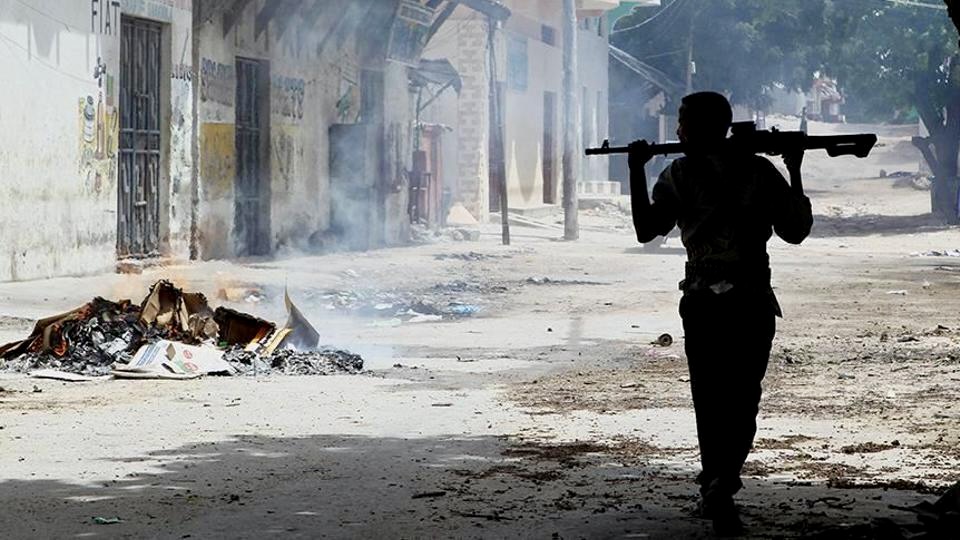 1) Fears of imminent attack prompt military buildup in Blue Nile State
Fears of an imminent military escalation are mounting in Sudan’s Blue Nile State amid reports of preparations by the Rapid Support Forces (RSF) and the Sudan People’s Liberation Movement–North (SPLM-N) to launch coordinated attacks. Military and humanitarian sources told Ayin that the Sudanese army has reinforced its positions in the region to deter a possible offensive.
A humanitarian worker said international organisations and UN agencies were discussing emergency contingency plans after intelligence suggested attacks could target Kurmuk, Qaysan, and areas along the border with South Sudan and Ethiopia. The worker observed a sharp increase in armed mobilisations across the border in Ethiopia’s Benishangul region.
According to the source, around 10,000 fighters linked to the RSF and SPLM-N factions led by Joseph Tuka and Abu Shotal are reportedly receiving training and logistical support near the Sudanese border. He said preparations are complete and warned that attacks could begin as early as next month, starting with drone strikes followed by ground assaults.
The Sudanese army has responded by transferring forces from central Sudan and eastern Kassala State to Damazin, the capital of Blue Nile State. A military source confirmed that the reinforcements aim to secure the Ethiopian border and repel any potential incursion.
Sudanese army chief Abdel Fattah al-Burhan, speaking from Ankara, warned unnamed countries against underestimating Sudan’s military capacity, saying the army remains capable of defending the nation’s borders despite the prolonged war.
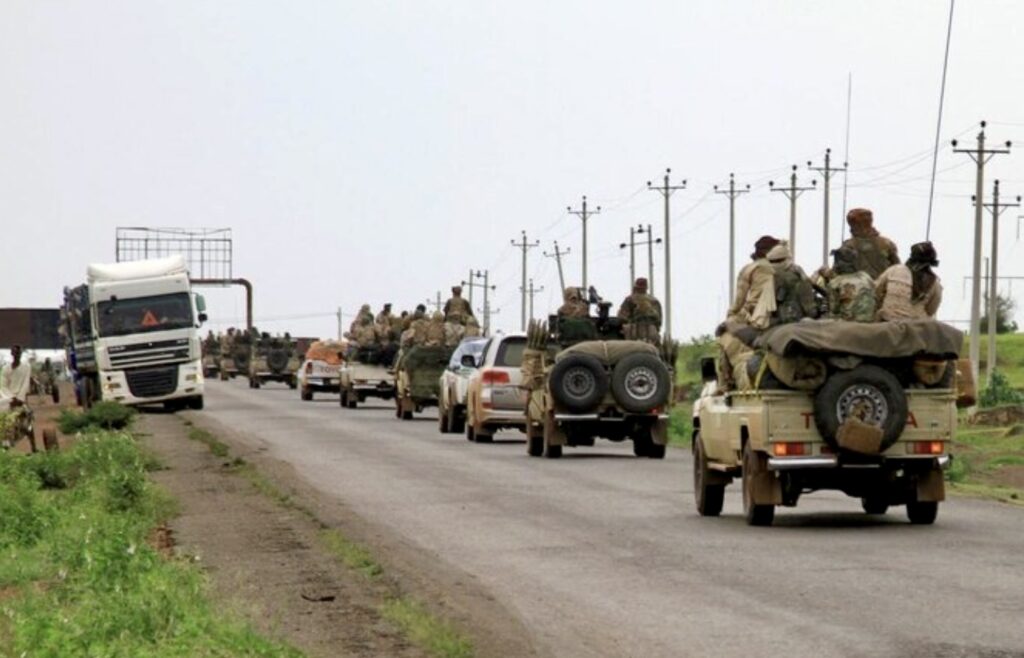 2) Kidnappings for ransom continue to plague West Kordofan
Kidnappings and ransom demands have continued in West Kordofan State, with armed men linked to the Rapid Support Forces abducting civilians in the Abu Zabad area, according to local sources.
A relative of a kidnapped livestock trader reported that they seized the man while he was grazing sheep near his village. Days later, the kidnappers demanded 30 million Sudanese pounds for his release, sparking ongoing negotiations amid fears for his safety.
In a separate incident, RSF gunmen abducted three young men travelling by motorcycle from western Al-Nuhud. Local residents mobilised quickly and managed to free the captives without casualties, a local source told Ayin.
Residents say such incidents have become frequent as weapons proliferate and unpaid RSF recruits resort to criminal activity. A local leader accused RSF commanders of failing to seriously pursue perpetrators, leaving families to pay ransoms out of fear.
He added that kidnappers often demand payment through banking apps and sometimes increase their demands even after receiving money, deepening public anger and insecurity across the region.
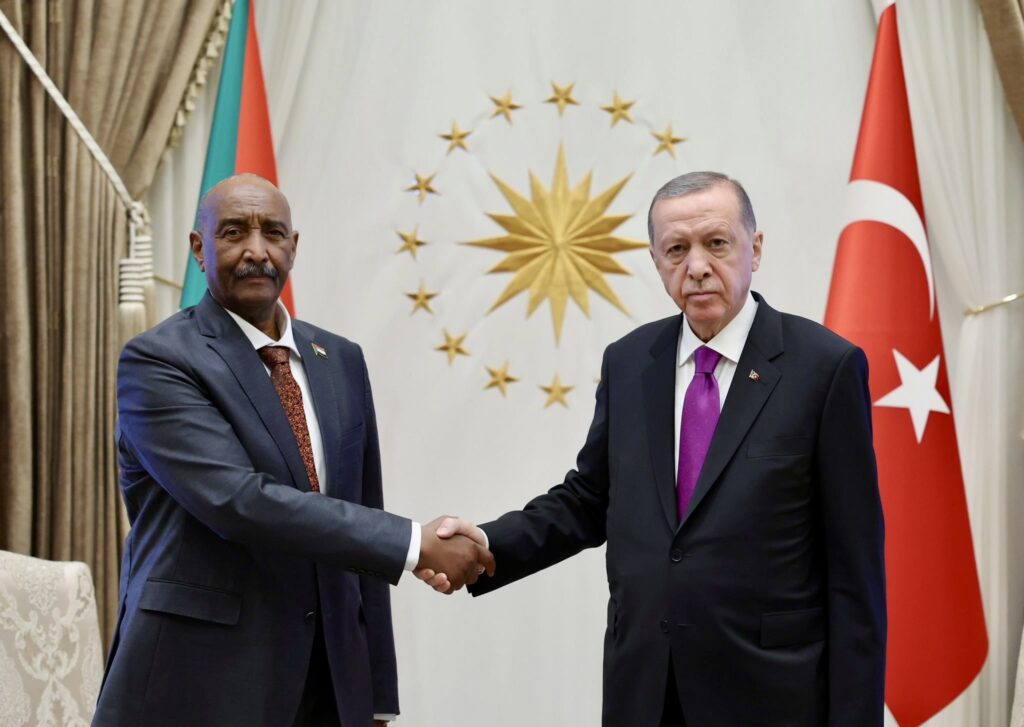 3) Al-Burhan seeks military and political support during Türkiye visit
Sudanese army chief and Sovereign Council head Abdel Fattah al-Burhan is on an extended visit to Türkiye, holding high-level talks aimed at strengthening bilateral cooperation and securing military support.
Burhan met Turkish President Recep Tayyip Erdoğan in Ankara, with Sudanese officials saying the visit activated joint committees between the two countries. Speaking to the Sudanese community, Burhan said the trip had largely achieved its objectives.
He reiterated that ending the war depends on the disarmament and demobilisation of the Rapid Support Forces, criticised regional mediation efforts, and accused the UAE of backing the RSF—an allegation Abu Dhabi denies.
A diplomatic researcher told Ayin that Burhan’s visit is linked to efforts to obtain military assistance and revive stalled operations, particularly after weeks of relative calm on major fronts.
US media reports indicate Sudan has previously acquired Turkish-made drones, which analysts say have altered battlefield dynamics in favour of the army.
 4) New customs tariff hike deepens economic fears in Sudan
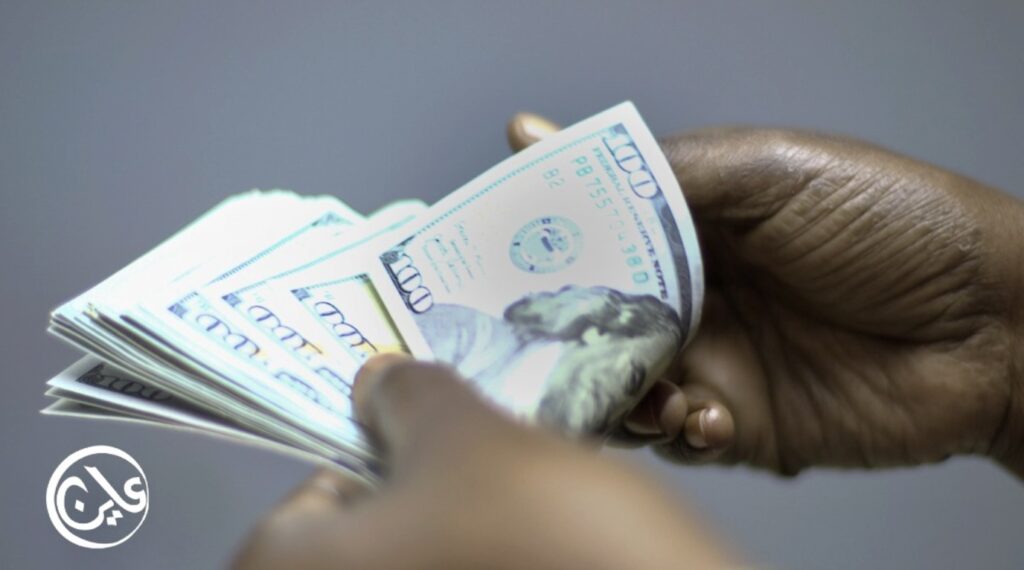
Sudan’s Ministry of Finance has implemented a new increase in customs tariffs, triggering confusion among importers and fears of further price hikes in already strained markets.
Traders said some importers have halted supplies to major cities, including Khartoum and Port Sudan, as the tariff rose from 2.486 to 2.827 pounds. Importers expect further increases as the fiscal year closes.
A food supplier operating along the northern border said customs rates could soon align with parallel-market exchange rates, potentially exceeding 3,500 pounds per dollar in 2026.
Economic analyst Mohamed Ibrahim warned that the emergency 2026 budget, combined with rising tariffs, signals worsening living conditions, as military spending continues to overshadow health, education, and development.
He cautioned that without ending the war and tackling corruption, the government may struggle to meet even basic obligations such as public sector salaries.
 5) Health crisis and displacement worsen in South Kordofan
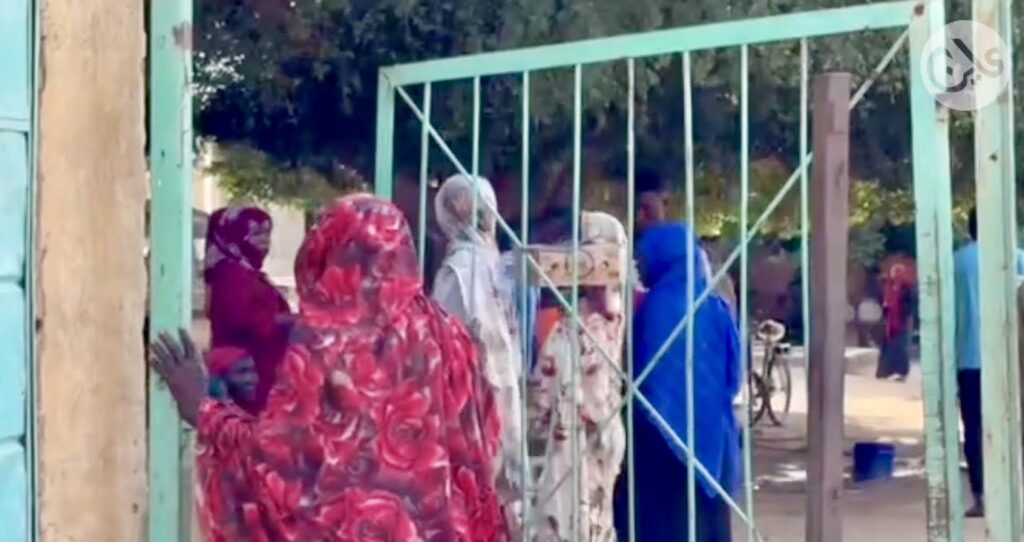
Despite a lull in fighting, South Kordofan State is facing a deepening humanitarian crisis marked by mass displacement, collapsing health services, and soaring food prices.
Residents of Kadugli reported sharp price increases after salaries were paid via banking apps instead of cash, while food supplies entering the city have largely stopped. Hospitals are suffering from severe staff shortages and dwindling medicines.
A source at Kadugli Hospital said entire departments have shut down after doctors fled, leaving facilities on the brink of collapse. Similar conditions were reported in Dilling, where hospitals struggle to handle even minor cases.
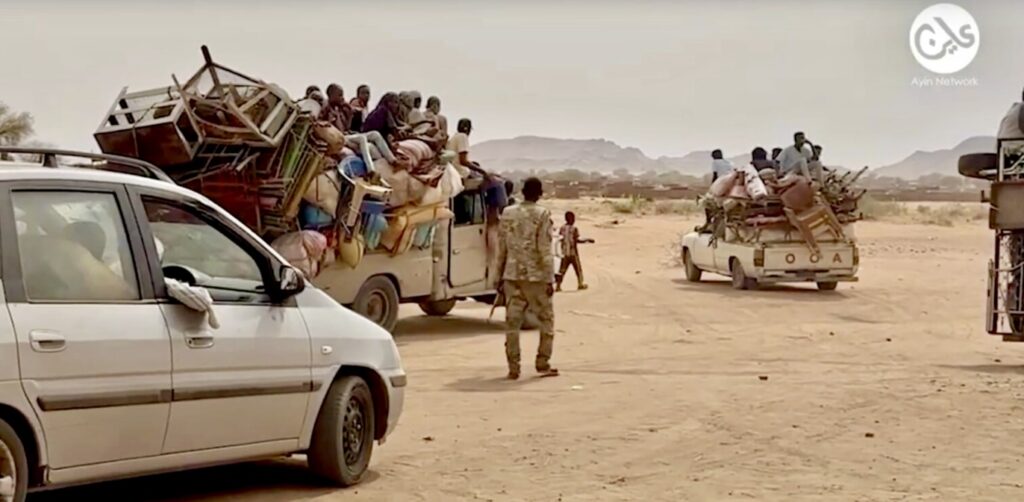
Displacement continues toward eastern areas, such as Abu Jubaiha, which is absorbing new arrivals from Kadugli, Dilling, and neighbouring regions. Local volunteers say humanitarian needs are rapidly expanding.
A recent fire at a displacement shelter in Abu Jubaiha destroyed several tents, compounding the hardships facing already vulnerable families.
 6) RSF attack breaks weeks of calm in North Kordofan
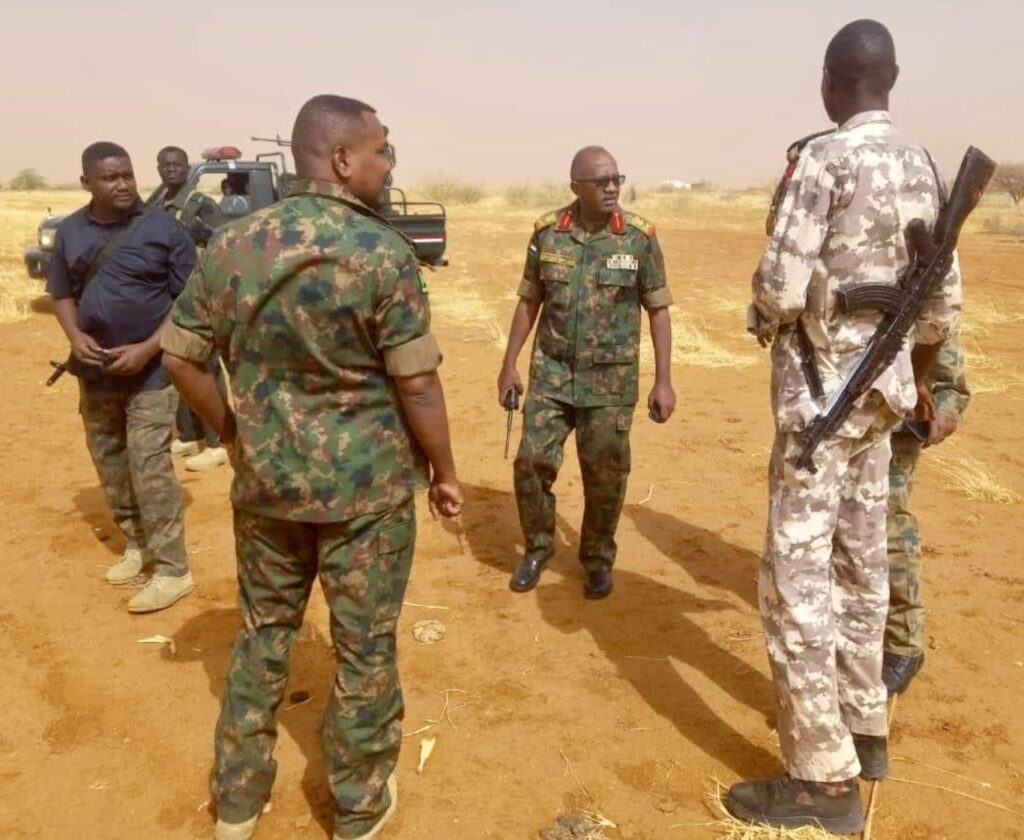
The Rapid Support Forces launched an attack on the Dankoj area north of El Obeid, ending weeks of relative calm in North Kordofan State, military sources said.
The assault targeted army and joint forces stationed along the route toward Bara, causing losses before RSF fighters withdrew back to their strongholds. Both sides later shared videos showing deployments in the area.
The incident mirrors earlier hit-and-run attacks by the RSF on army outposts along key roads, underscoring the fragility of the ceasefire-like calm that had prevailed.
While control lines remain unchanged, the escalation raises fears of renewed large-scale fighting in a state that has seen intense battles since mid-2025.
 7)
7) 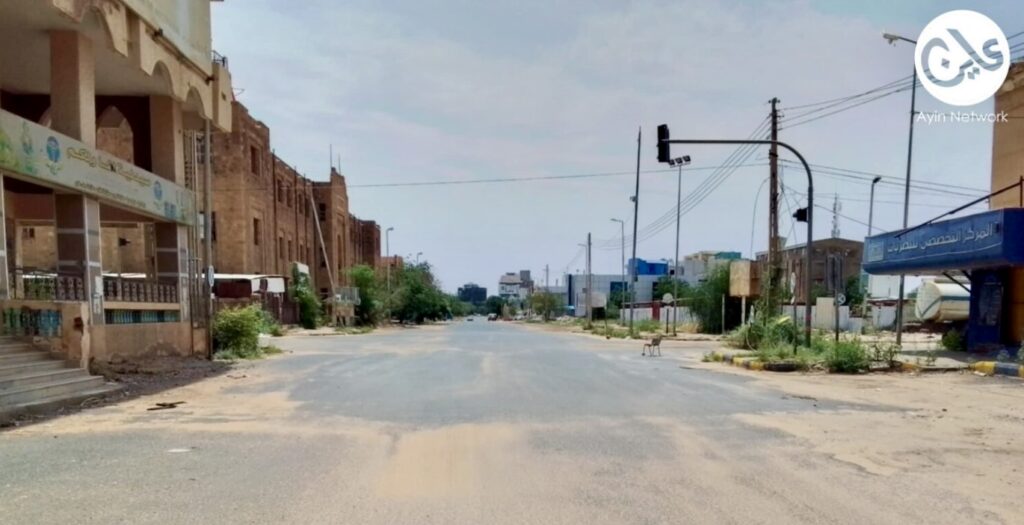 8) Sudanese army-government begins gradual return to Khartoum
Sudan’s government has started relocating its headquarters from Port Sudan back to Khartoum, marking its first return to the capital in more than two years.
Five ministries have already moved, with Prime Minister Kamil Idris expected to officially resume duties from Khartoum in mid-January 2026. Authorities say the process remains gradual due to extensive war damage.
Officials highlighted major security, infrastructure, and electricity restoration efforts, including clearing war remnants and deploying surveillance systems across the capital.
However, economists warn that looted markets and ongoing economic paralysis could limit state revenues, complicating the government’s plans.
Despite challenges, officials say the move aims to encourage residents and businesses to return, restoring life to a capital still largely empty.
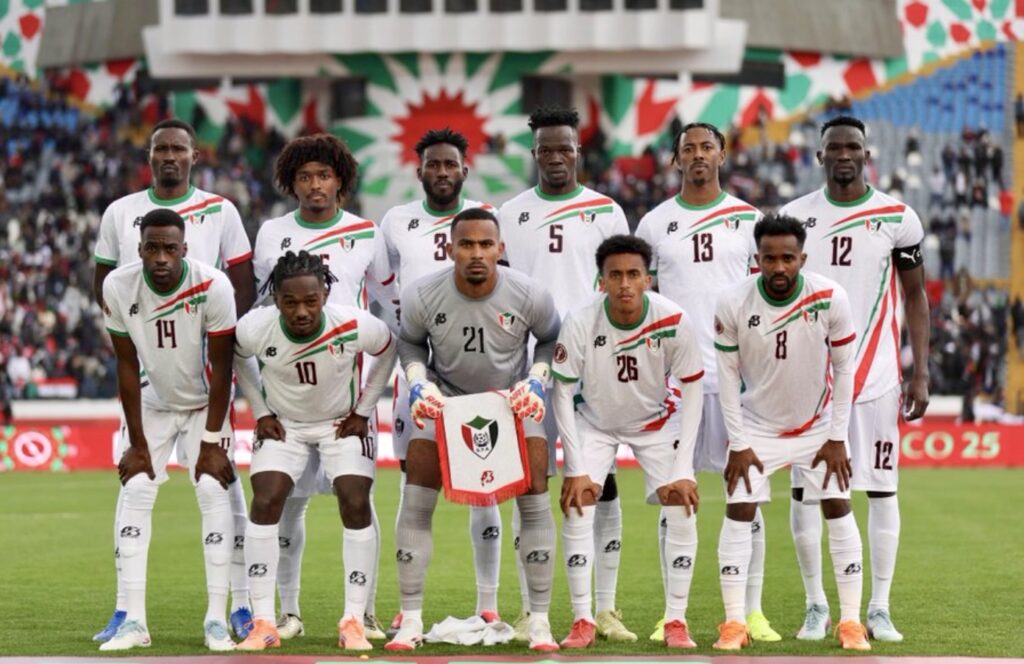 9) Sudan advances to AFCON round of16
Sudan’s national football team has qualified for the round of 16 of the 2025 Africa Cup of Nations in Morocco, boosting national morale amid the ongoing conflict.
Sudan’s 1–0 victory over Equatorial Guinea and the conclusion of group-stage matches on Monday secured the qualification.
Sudan advanced as group runners-up or among the best third-placed teams, continuing a strong showing in the tournament.
Fans and analysts hailed the achievement as a rare moment of celebration for a country enduring prolonged war and hardship.