


Sudan in a week: Ayin News Bulletin #13
26 December 2025
To keep our readers informed of the multitude of events taking place in Sudan amidst the ongoing, devastating war, we have developed a series of weekly news briefs, covering nine major topics of the week.
In this week’s edition:
- South Kordofan: Imminent battles and soaring prices
- Oil talks between Sudan and South Sudan collapse
- Arrest of activist fuels fears of crackdown on peaceful protests in Sudan
- Military authorities tighten economic blockade on western Sudan
- Sudan renews restrictions on religious celebrations in Atbara
- Sudanese government presents peace initiative to UN Security Council
- Sudanese banks resume partial clearing operations after two-year halt
- Sudan national team opens AFCON campaign amid war-time challenges
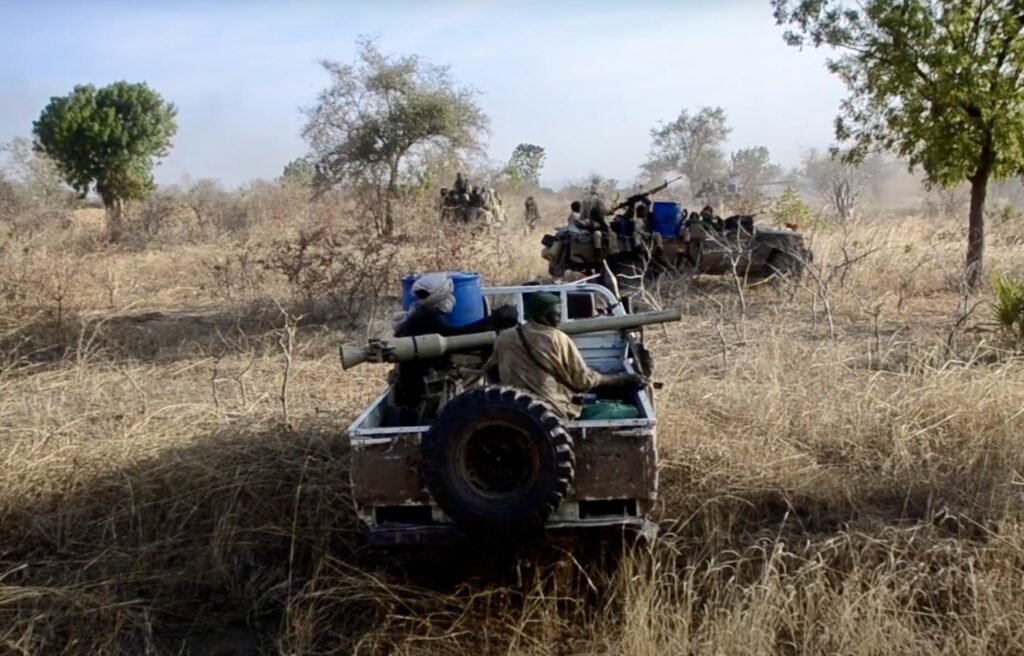 1) South Kordofan: Imminent battles and soaring prices
South Kordofan state is sliding toward a wider confrontation as shifting frontlines, aerial bombardment and ground advances bring fighting closer to major population centres, heightening fears for civilians in cities such as Kadugli and Dilling. Residents report growing displacement, market disruptions and mounting anxiety as the conflict increasingly takes on the character of a three-front war.
On December 17, Sudanese army warplanes struck gatherings of “Founding Alliance” forces in the Jangaro area west of Kadugli, prompting residents of Jangaro and nearby Borno to flee into the state capital. A local source said the attacks sparked fears that armed groups would advance toward civilian areas, particularly after the army garrison in Jangaro had withdrawn months earlier.
The situation escalated days later, when a joint force of the Rapid Support Forces (RSF) and the Sudan People’s Liberation Army–North, aligned under the Founding Alliance, seized control of Borno, about 36 kilometres from Kadugli. The area has changed hands repeatedly since November, underscoring the volatility of the frontlines and the fragility of military control around the city.
As fighting edged closer, Kadugli entered a state of tense anticipation. While the city has not recently seen heavy shelling, the presence of opposing forces in nearby areas has driven daily departures by residents, even as villagers from the west and north continue to seek refuge inside the city. “Dozens of families have arrived from Borno and Al-Bardab,” a Kadugli resident told Ayin, adding that drone flights over the city have intensified fear despite the absence of direct strikes.
International aid agencies have begun pulling out staff amid the insecurity. The Norwegian Refugee Council and other organisations evacuated personnel from Kadugli via UN aircraft to South Sudan last weekend, a move aid workers say reflects growing concerns over access and safety as battles draw nearer.
Further north, the city of Dilling is facing an even grimmer scenario. The city is effectively under siege due to RSF positions to the north and east, SPLA-N forces to the west, and limited access routes, leaving only the southern approach partially open. Residents say drone attacks and artillery shelling earlier this month sparked concerns about an imminent ground assault.
The humanitarian situation in Dilling is deteriorating rapidly. The shelling that occurred on December 18 disrupted markets and transport, leading to cash shortages and sharp price increases. A kilogram of flour now costs around 14,000 Sudanese pounds (roughly US$ 5), while lentils and basic staples have also surged, according to residents. With supply routes cut and smuggling halted, goods have stopped entering the city altogether.
Hospitals are struggling to cope. A medical worker said facilities face acute shortages of gauze, first-aid supplies and medicines, while some diagnostic tests are unavailable or useless without accompanying treatment. “The needs are far greater than what we can provide,” the staff member said.
Amid the chaos, civilians remain trapped between fear of bombardment and fear of flight. Some residents say they are reluctant to leave Dilling due to reports of raids and forced recruitment in surrounding areas, as well as the risk of being confined to displacement camps if they attempt to travel south.
By contrast, parts of eastern South Kordofan — including Abu Jubaiha, Kalogi and Taqali — have seen relative calm this week. Local sources say markets have stabilised and the road to White Nile State remains open, offering a fragile sense of normalcy in a state otherwise bracing for a potentially explosive escalation.
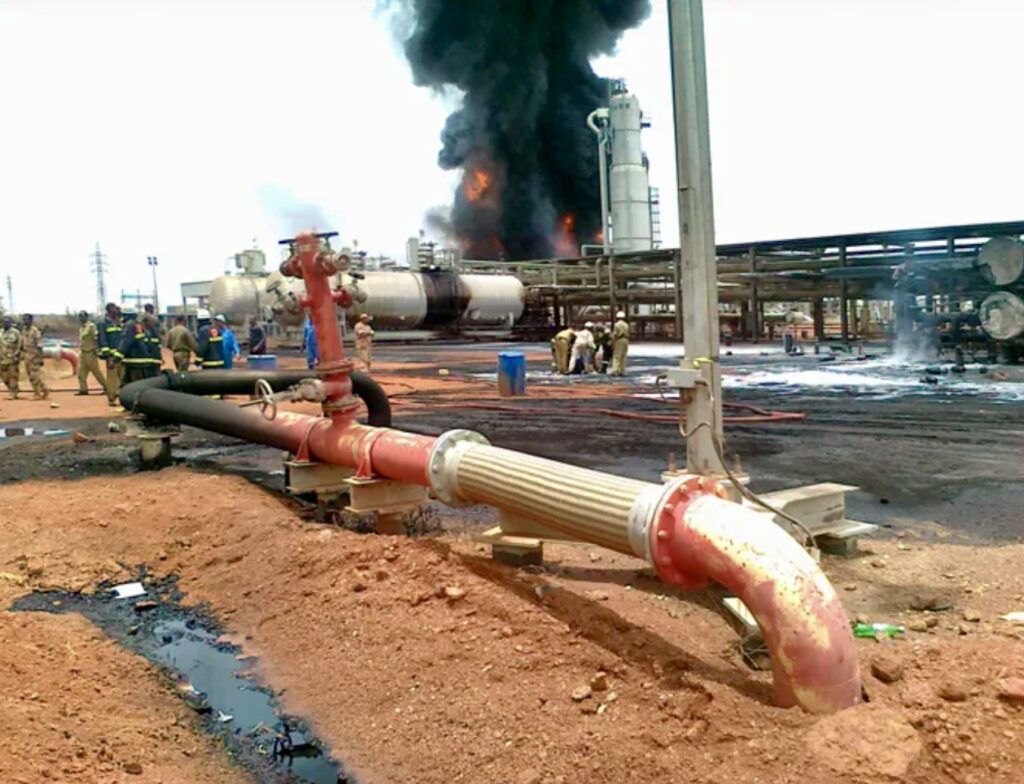 2) Oil talks between Sudan and South Sudan collapse
Negotiations between Sudan and South Sudan to resume oil production and exports have failed, following consultations in Port Sudan last week triggered by the Rapid Support Forces’ (RSF) takeover of the Heglig oil field in West Kordofan.
The talks were held during a visit by a high-level South Sudanese delegation led by Tut Galwak, the security adviser to President Salva Kiir, and included officials from the foreign ministry and the oil sector.
An informed source told Ayin that the talks collapsed after Sudan’s military-led government refused to allocate any oil revenues to the RSF, which has demanded a share of proceeds after seizing control of Heglig, including transit fees for South Sudanese oil.
The source said the RSF has conditioned the reopening of the field on guaranteed revenue sharing, keeping production suspended despite Sudanese technical readiness to resume operations.
After the delegation returned to Juba empty-handed, RSF deputy commander Abdel Rahim Dagalo appeared in a video from inside the Heglig field, threatening army chief Abdel Fattah al-Burhan and vowing to continue fighting.
Sources close to the RSF said the field remains shut, with companies and engineers withdrawn, while talks continue directly between the RSF and South Sudan through technical committees.
 3) Arrest of activist fuels fears of crackdown on peaceful protests in Sudan
Sudanese security forces arrested political activist Munib Abdel Aziz on 19 December in the village of Maqasir, Northern State, after he participated in a protest marking the anniversary of the December Revolution.
Abdel Aziz spoke near a mosque after Friday prayers, calling for an end to the war, opposing the Rapid Support Forces, and demanding that the army withdraw from politics and restore civilian rule.
Hours later, security forces raided his home and detained him. Prosecutors in Dongola charged him under articles related to undermining the constitutional order and inciting war—charges that carry the death penalty. He is being held at a local police station and has met with his lawyer.
The arrest came as hundreds of demonstrators took to the streets across Sudan to commemorate the seventh anniversary of the revolution that ousted Omar al-Bashir, with riot police using tear gas to disperse crowds in Omdurman.
Islamist figures loyal to the former regime publicly called for tougher security measures, while Civil Support Authority leader Mohamed Abbas hinted at the formation of a new intelligence unit.
Activists warned that authorities are likely to intensify repression of peaceful protests, particularly in army-controlled areas, amid renewed pressure from Islamist factions within the security apparatus.
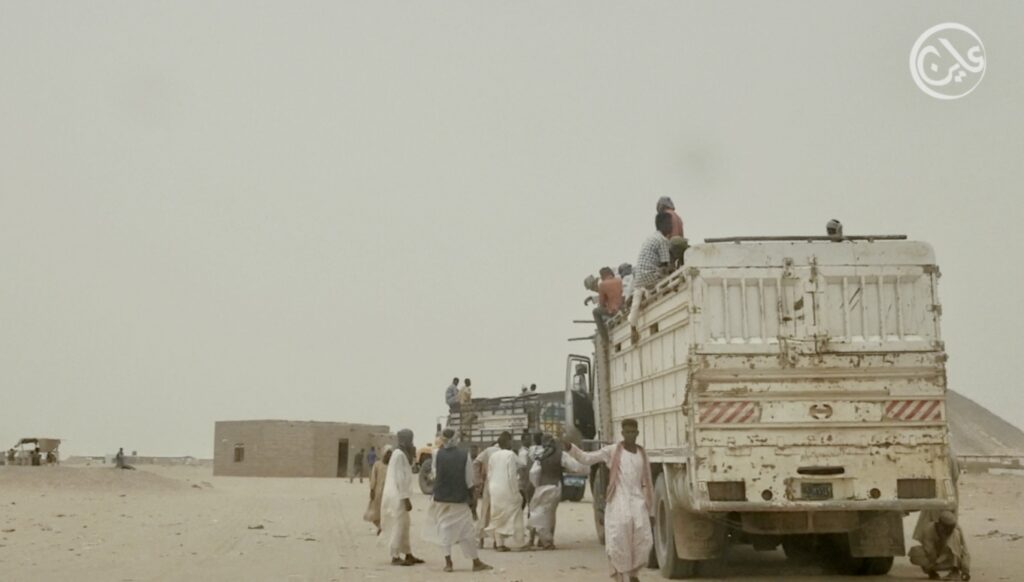
4) Military authorities tighten economic blockades in western Sudan
Khartoum State Governor Ahmed Othman Hamza has issued a new emergency order banning the transfer of goods and fuel from Khartoum toward areas controlled by the Rapid Support Forces in western Sudan.
The decision, announced Saturday, is the third such measure in less than a month and includes penalties of at least five years’ imprisonment, heavy fines, and confiscation of goods and vehicles.
The discovery of large-scale food and petroleum product smuggling to RSF-held areas in Kordofan, according to authorities, prompted the move.
Similar restrictions were imposed earlier by the Northern State government, shortly after the closure of the Al-Tina border crossing, a key supply route for parts of North Darfur.
Traders warned the new measures will isolate large swathes of northern and western Kordofan, including Bara, Sudri, and Umm Kridim, cutting off access to food and basic commodities.
“The situation will be catastrophic within days,” one trader told Ayin, warning of imminent shortages and soaring prices.
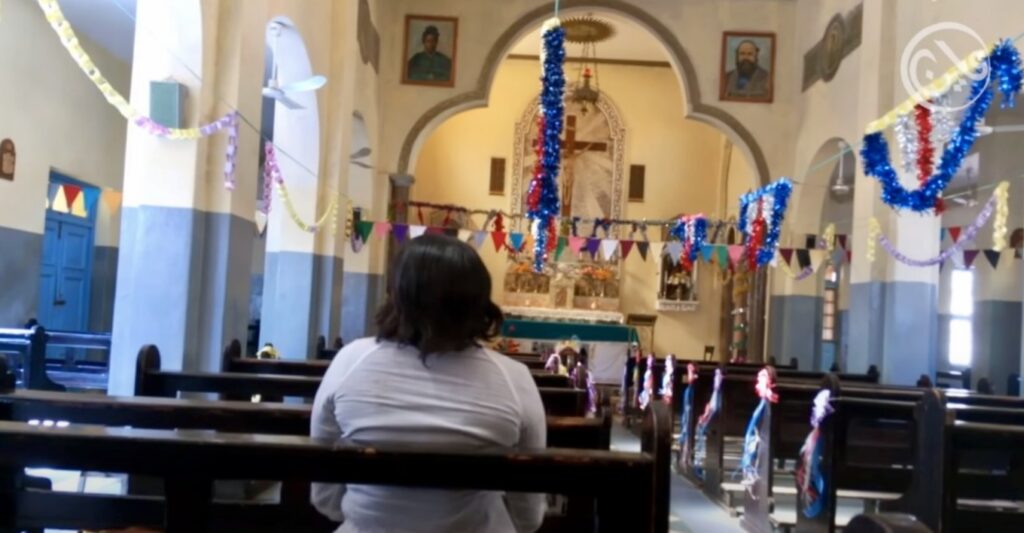 5) Sudan renews restrictions on religious celebrations in Atbara
Authorities in Atbara, River Nile State, have banned all public gatherings—including Christmas celebrations—signalling a potential renewed rollback of religious freedoms in northern Sudan.
The local security committee said the measures were “precautionary,” suspending celebrations for Christmas, New Year and Independence Day, along with trips, festivals and events in parks, halls and clubs.
Atbara has remained largely free of ground fighting since the outbreak of war, though drone strikes have previously targeted infrastructure, including electricity facilities.
Under former president Omar al-Bashir, Christian communities faced decades of restrictions, including church demolitions and limits on religious celebrations.
Following the 2019 revolution, religious freedoms briefly expanded before declining again after the 2021 military coup and the outbreak of the current conflict. Church leaders say the new restrictions revive fears of systematic discrimination against religious minorities.
 6) Sudanese government presents peace initiative to UN Security Council
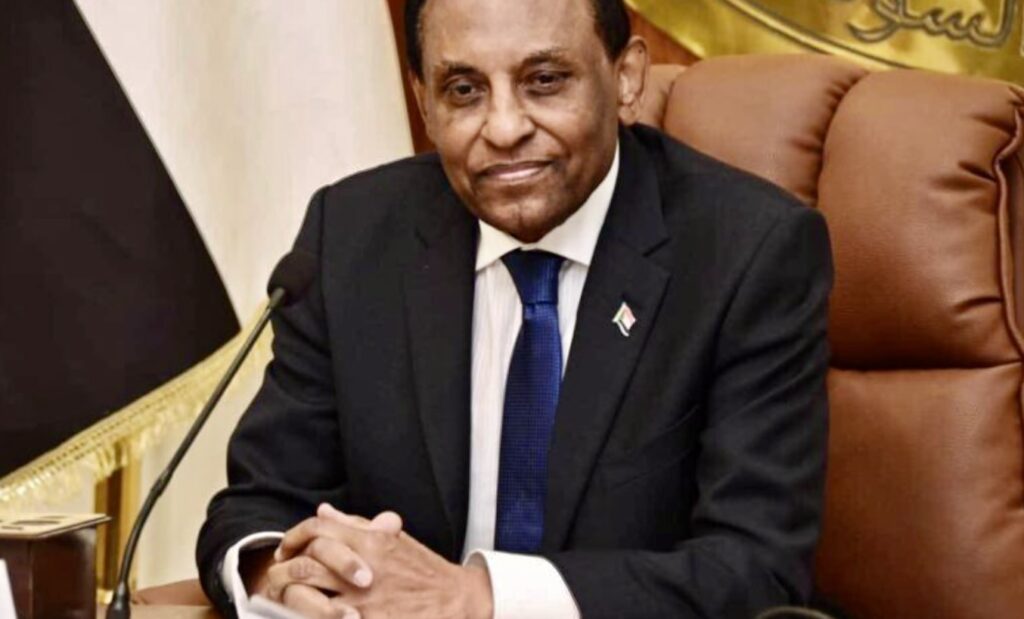
Sudan’s military-appointed prime minister, Kamil Idris, has presented a peace initiative to the UN Security Council calling for a comprehensive ceasefire and the disarmament of the Rapid Support Forces.
Addressing a council session on the deteriorating situation in Sudan, Idris described the war as an “existential crisis” and said the proposal was aimed at protecting civilians and restoring state authority.
The initiative calls for a Sudanese-led dialogue, a monitored ceasefire, the withdrawal of the RSF from all occupied areas, and the regrouping of its fighters in designated camps.
It also proposes facilitating the return of displaced people and refugees, alongside the RSF’s disarmament under international supervision.
Idris stressed that the initiative was not imposed from outside and was intended to end decades of violence rather than secure military victory.
The proposal comes amid scepticism from observers, as fighting continues across multiple fronts.
 7)
7)  8) Sudan national team opens AFCON campaign amid war-time challenges
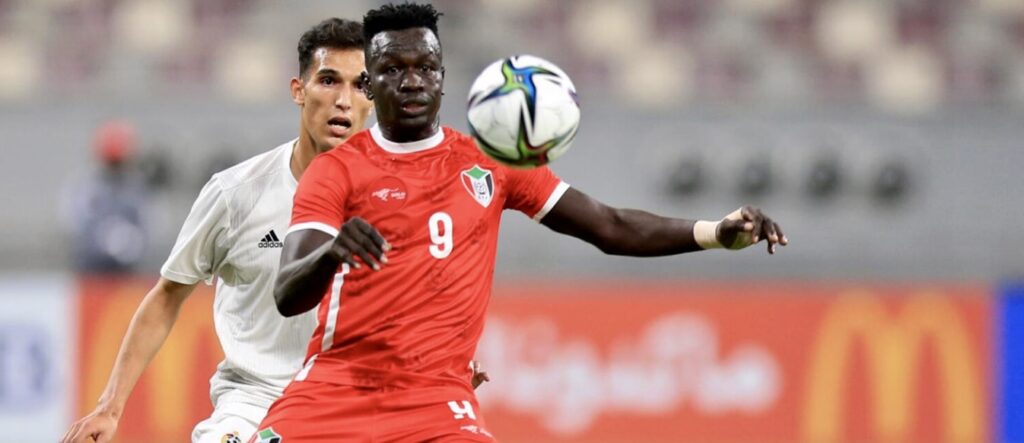
Sudan’s national football team is set to play its opening match of the African Nations Championship in Morocco on Wednesday against Algeria.
The team, led by Ghanaian coach Kwesi Appiah, qualified for the tournament despite the destruction of stadiums and the suspension of domestic sports for more than two years due to the war.
Sudan recently drew 0–0 with Algeria at the Arab Cup in Doha, though Algeria fielded a second-string squad in that match.
In a challenging pool, the national team is grouped with Algeria, Burkina Faso, and Equatorial Guinea.
Sports analyst Amjad Hussein said Sudan enters the tournament with limited preparation and declining performance due to funding shortages and the collapse of sports infrastructure.
He stressed that winning the opening match is crucial if Sudan hopes to advance beyond the group stage.