

Sudan in a week: Ayin News Bulletin #12
17 December 2025
To keep our readers informed of the multitude of events taking place in Sudan amidst the ongoing, devastating war, we have developed a series of weekly news briefs, covering nine major topics of the week.
In this week’s edition:
- Air strikes intensify across South Kordofan
- Rapid Support Forces maintain Heglig’s presence despite withdrawal deal
- Sudanese political forces sign a Declaration of Principles
- Volunteers warn against return to Babnusa after RSF takeover
- El Obeid faces humanitarian crisis as siege tightens
- Gun attack in northern Sudan highlights rising insecurity
- Al-Burhan concludes Saudi visit amid renewed diplomatic push
- Sudanese Artist Abdel Qader Salem dies at 79
- Over 500 academics boycott UAE-linked institutions over Sudan war
 1) Air strikes intensify across South Kordofan
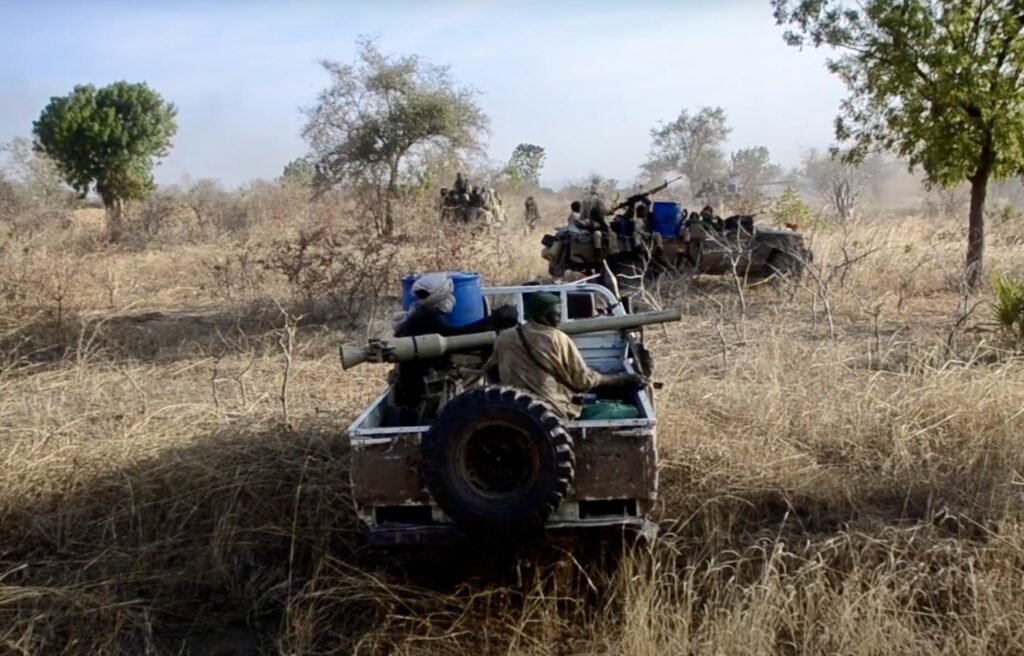
Military tensions escalated in South Kordofan over the past week as waves of drone strikes targeted multiple cities, heightening fears that fighting could spill into densely populated urban areas. Air attacks marked a sharp rise in hostilities, despite the absence of major ground battles.
The escalation comes amid continued mobilisation by forces aligned with the “Founding Alliance” on the outskirts of Kadugli. The Sudan People’s Liberation Movement–North (SPLM-N), led by Abdel Aziz al-Hilu, has declared that the capture of Kadugli and Dilling is “a matter of time.”
Sources in the Miri area told Ayin that SPLA and Rapid Support Forces units have been deploying north and west of Kadugli after advancing to Kiga. An SPLA source stated that they expect a senior commander to supervise the assembled forces.
On December 13, a drone strike hit the UNISFA headquarters in Kadugli, killing six Bangladeshi peacekeepers and wounding others. Artillery shelling resumed the following day, with local sources reporting casualties near a military division headquarters in the city’s southern sector.
Residents fear potential assault routes from the southeast, areas previously used during SPLA attacks in August 2023. Authorities reportedly restricted civilian access to hospitals following the bombardment.
The violence has triggered renewed displacement from Kadugli, with hundreds fleeing to other parts of South and North Kordofan. The International Organization for Migration warned that the security situation remains “highly tense and volatile.”
Drone attacks resume in Dilling as health system buckles
The city of Dilling, which experienced relative calm in November, was again hit by drone strikes on 14 December amid escalating military movements in South Kordofan. A drone targeted the Military Medical Hospital twice within an hour.
A medical source told Ayin that the first strike killed three civilians and a hospital visitor, while a second strike killed four soldiers and a woman. No official casualty figures have been released.
Residents learnt about the death toll through mourning tents set up in their neighbourhoods, underscoring the absence of official communication. Authorities have not issued a public statement on the incident.
Medical staff warned that the Military Medical Hospital is now the only functioning health facility in Dilling capable of providing full treatment, as the city faces a severe healthcare crisis.
The renewed attacks have intensified fears among civilians, particularly as drone warfare has increasingly targeted medical and civilian infrastructure across the state.
Abu Jubaiha targeted by drone as it absorbs new waves of displaced
A drone strike hit the southern part of Abu Jubaiha in South Kordofan on December 15, targeting the vicinity of the Tenth Division headquarters, residents said. No casualties were reported.
According to a local resident, the shells landed near the military site in the Al-Madaris neighbourhood without causing injuries, and daily life resumed the following morning.
Drone warfare has increasingly targeted Abu Jubaiha since its expansion across South Kordofan earlier this year, following similar attacks on Kadugli, Dilling, Kalogi, and Delami.
At the same time, the city has been receiving waves of displaced people fleeing clashes around Heglig. Emergency responders reported the arrival of hundreds of families, most of them women and children.
Many of the displaced had initially crossed into South Sudan before returning to Sudan through Al-Liri. Humanitarian organisations provided short-term aid, but most families later moved to White Nile State.
Local volunteers warned that Abu Jubaiha lacks sufficient shelter capacity for those who remain, calling for urgent humanitarian intervention.
 2) Rapid Support Forces maintain Heglig presence despite withdrawal deal
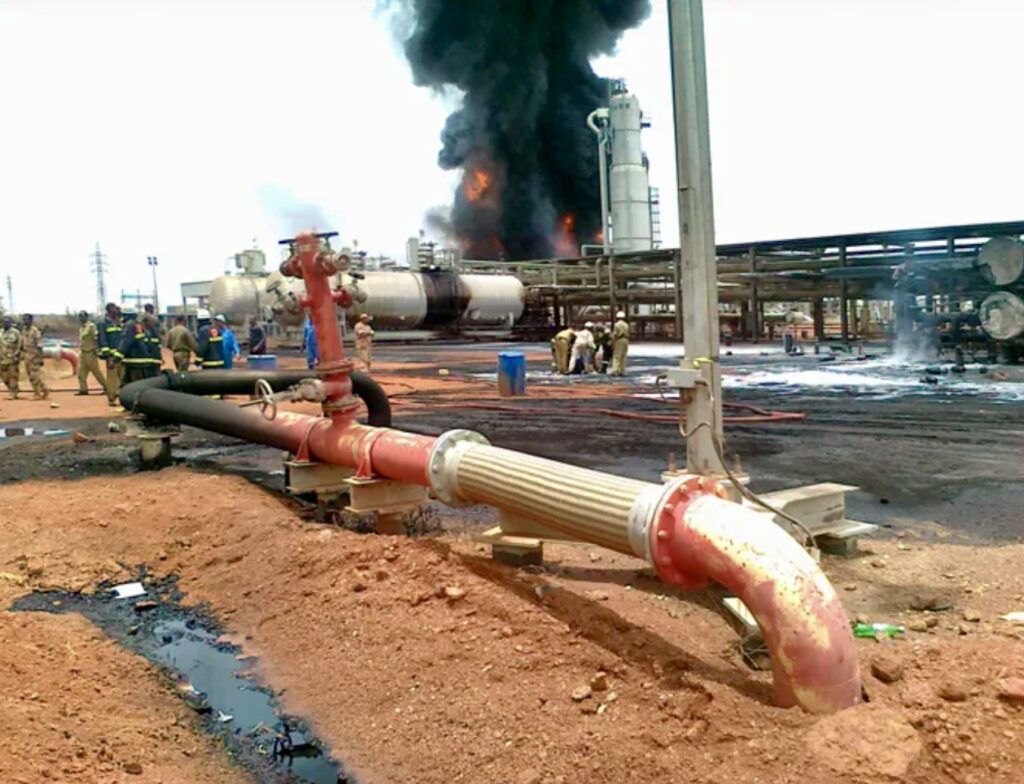
The Rapid Support Forces (RSF) have deployed fighters across the Heglig oil field and along the border with South Sudan, despite an announced agreement calling for their withdrawal from the area.
Sources told Ayin that while South Sudanese forces were allowed limited access to secure specific facilities, RSF units retained broad control over the oil field and surrounding border zones.
Technical committees from the RSF and the South Sudanese government are reportedly negotiating management arrangements, including revenue-sharing demands by the RSF.
Earlier this week, South Sudan announced a tripartite agreement involving Khartoum, Juba, and the RSF to neutralise the oil field and prevent a military confrontation. Officials said oil production was continuing normally.
However, sources aligned with the RSF contradicted this claim, asserting that they have halted oil pumping since the withdrawal of Sudanese army forces, pending finalisation of the agreement.
The RSF seized control of the Heglig area earlier this month after the Sudanese army pulled back into South Sudan.
 3) Sudanese political forces sign Declaration of Principles
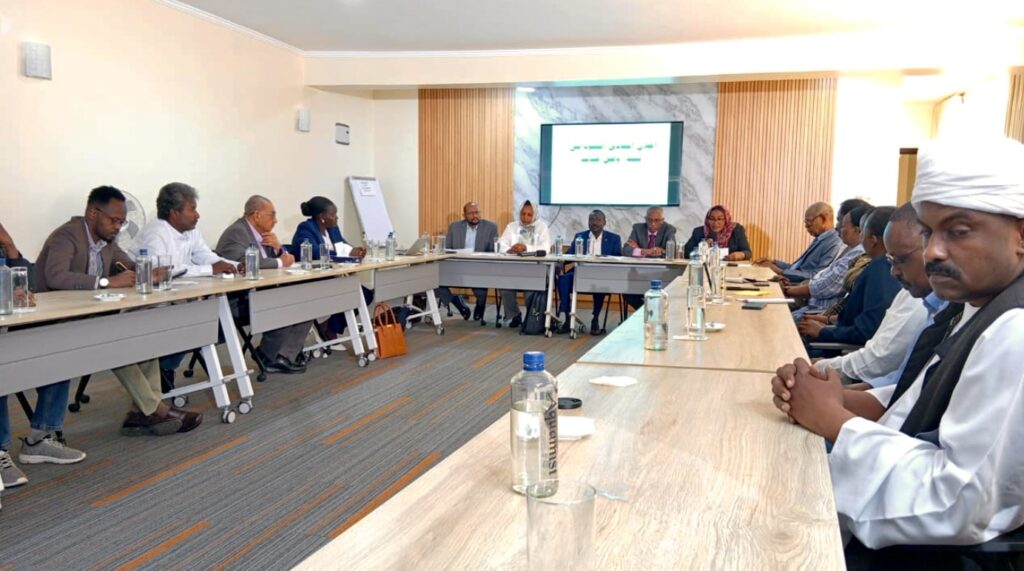
Sudanese political parties, armed movements, and civil forces signed a “Declaration of Principles” on Tuesday, calling for an end to the war and the launch of a civilian, Sudanese-led political process.
The signatories rejected military solutions and demanded an immediate ceasefire linked to humanitarian access and political negotiations. They called for a nine-month transitional period leading to elections.
Among the signatories were the Sudan Liberation Movement led by Abdel Wahid Nour, the National Umma Party, the Sudanese Congress Party, and former Prime Minister Abdalla Hamdok.
The alliance also adopted a document classifying the National Congress Party and the Islamic Movement as terrorist organisations and excluding them from any future political process.
Speaking in Nairobi, National Umma Party leader Sadiq al-Mahdi said Sudan faced a choice between a civilian democratic project and continued military authoritarianism.
Movement leaders emphasised that the declaration aimed to unify civilian forces and build a broad front capable of ending the war.
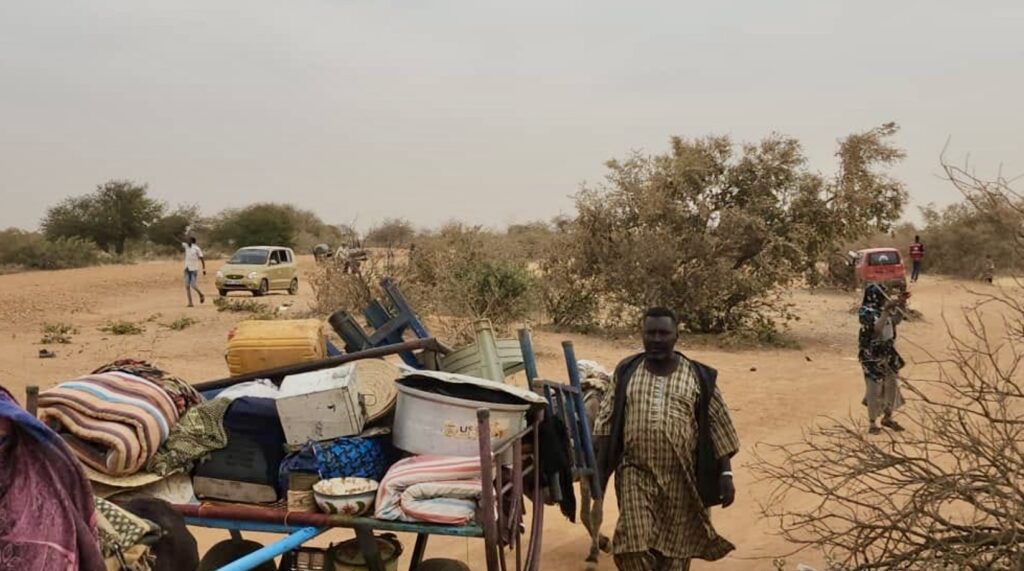
Volunteers in West Kordofan warned displaced residents not to return to Babnusa, citing widespread destruction and the presence of landmines and unexploded ordnance.
The warning follows the Rapid Support Forces’ capture of the city on 2 December, after nearly two years of fighting with the Sudanese army.
An estimated 177,000 residents fled Babnusa during the clashes, seeking refuge in nearby towns now under RSF control.
Local sources said some displaced families have begun returning to assess damage to their homes, despite serious safety risks.
The Babnusa Emergency Room reported severe damage to hospitals, schools, and water infrastructure, making the city uninhabitable.
The advisory, volunteers emphasised, aims to safeguard children, the elderly, and chronically ill residents until conditions improve.
 5) El Obeid faces a humanitarian crisis as siege tightens
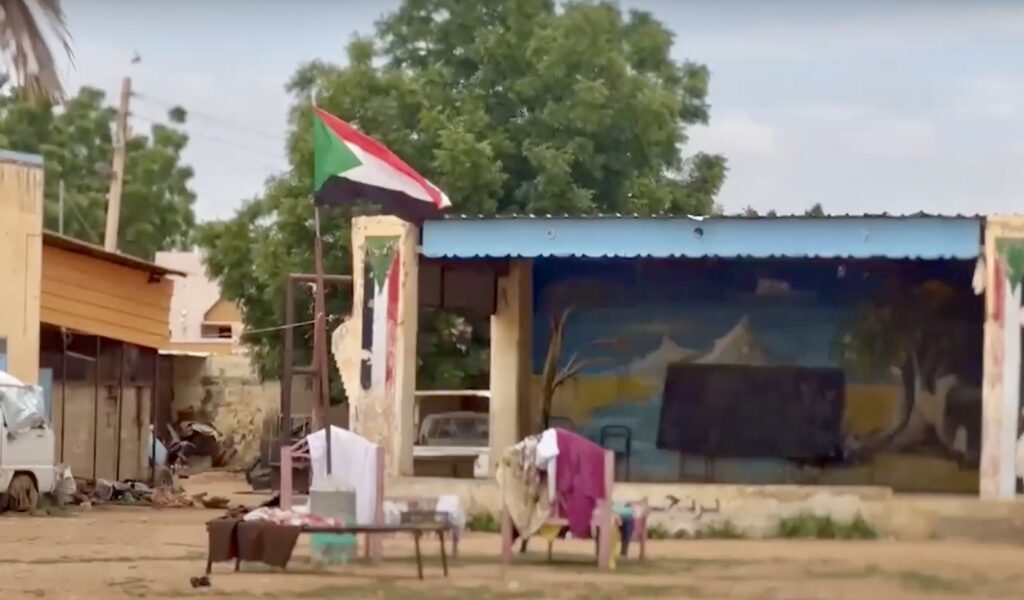
Well over one million displaced people in El Obeid, North Kordofan, are facing worsening humanitarian conditions as the Rapid Support Forces tighten a siege around the city.
Volunteers reported severe shortages of food, shelter, and heating, with displaced families crowding into schools and open spaces amid constant drone activity overhead.
Security restrictions have limited civilian movement, leaving many residents unable to flee despite deteriorating living conditions.
Officials said El Obeid is hosting well over one million displaced people, including at least 175,000 from West Kordofan.
Humanitarian organisations are operating in the city, but they face mounting challenges due to access restrictions.
The RSF currently surrounds El Obeid from three directions, leaving only one eastern route open toward White Nile State.
 6) Gun attack in northern Sudan highlights rising insecurity
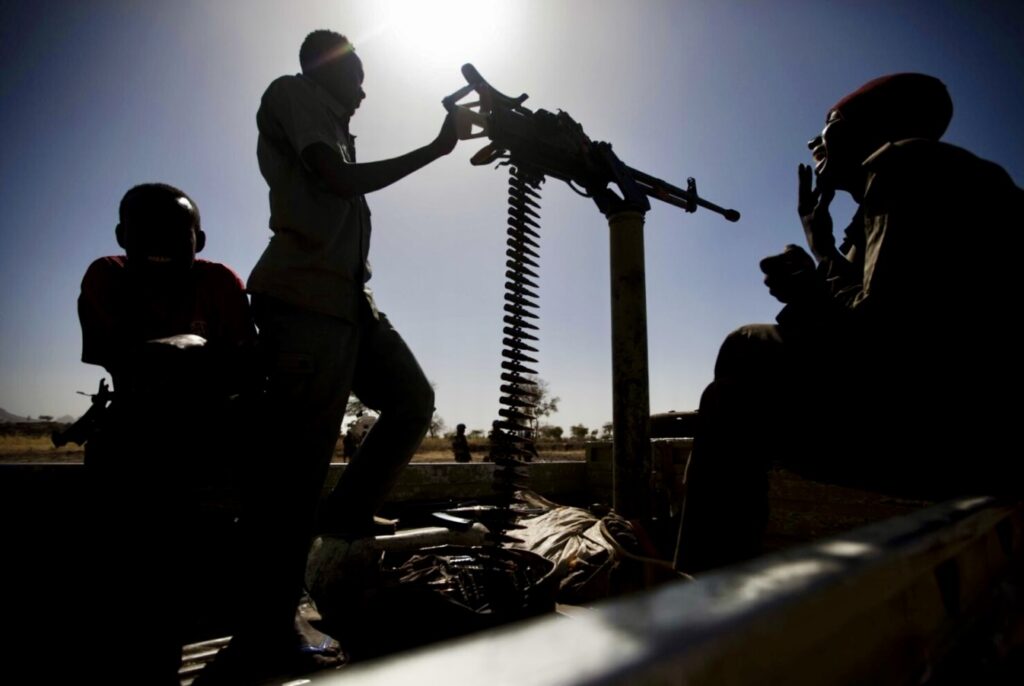
An intelligence officer was killed in Dalgo locality, Northern State, after gunmen opened fire on a joint security patrol on 12 December.
Authorities said the incident began when two armed men fired randomly near a hospital, prompting security forces to pursue them.
During the pursuit, one suspect opened fire, killing intelligence officer Ahmed Ibrahim. The attackers were identified as members of the 19th Infantry Division.
Local officials acknowledged the incident and pledged accountability, urging residents not to spread rumours. The shooting comes amid growing concern over the spread of armed groups and weapons in northern Sudan during the war.
Recent incidents, including a prison escape and sabotage attempts in Wadi Halfa, have further raised alarm among residents.
 7) Al-Burhan concludes Saudi visit amid renewed diplomatic push
 8) Sudanese Artist Abdel Qader Salem dies at 79
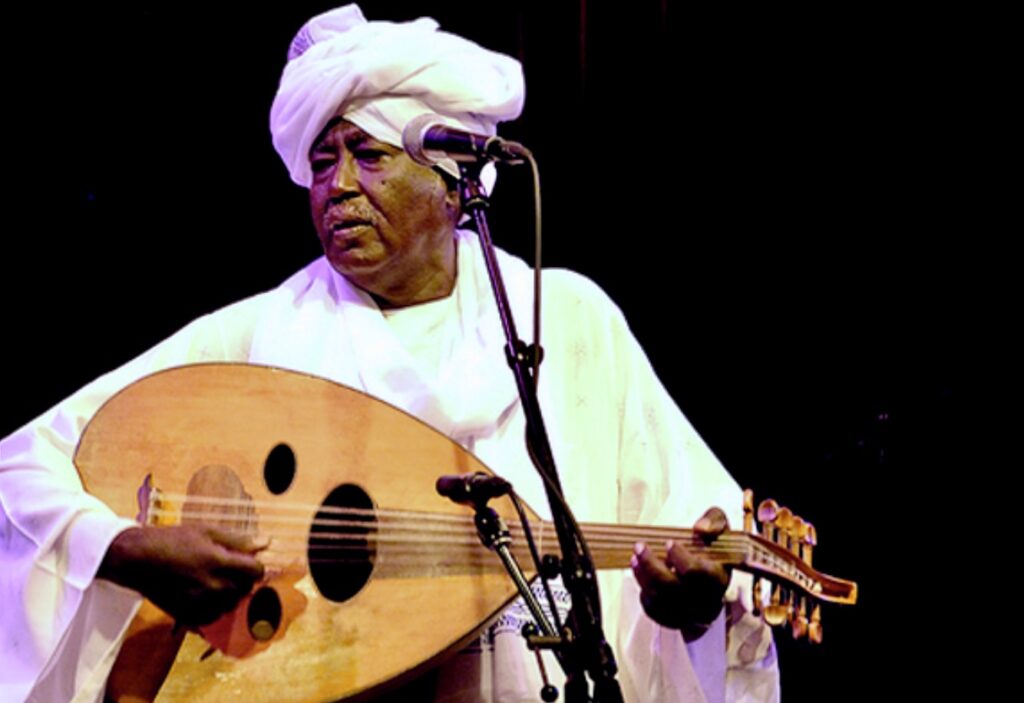
Renowned Sudanese artist, musician, and researcher Abdel Qader Salem died early Tuesday in Omdurman at the age of 79. Born in Dilling, South Kordofan, Salem was a pioneering figure in Sudanese music and a leading authority on the musical heritage of Kordofan.
He combined artistic performance with academic research, earning a PhD in music and producing influential studies on regional singing styles. Salem represented Sudan at international festivals across Europe, Asia, and Africa, gaining wide recognition from the 1980s onwards.
His work played a key role in documenting Sudan’s cultural diversity and preserving traditional music. Artists and cultural figures across Sudan mourned his death as a major loss to the country’s artistic legacy.
 9) Over 500 academics boycott UAE-linked institutions over Sudan war
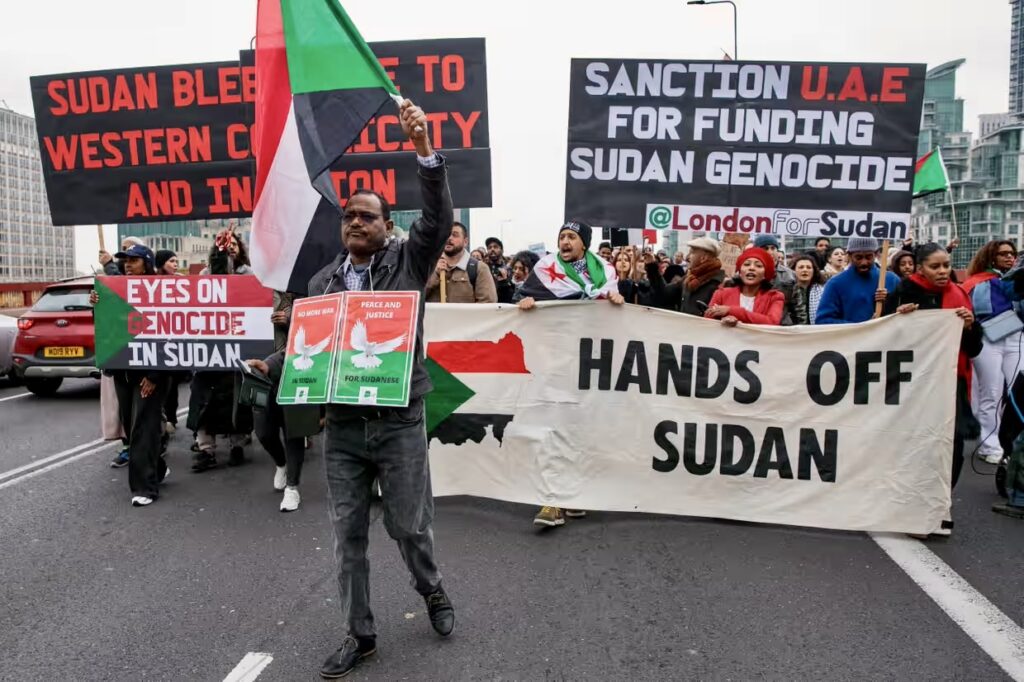
More than 500 academics from around the world have pledged to boycott institutions based in or funded by the United Arab Emirates, accusing the UAE of instigating, financing, and prolonging the war in Sudan between the Sudanese Armed Forces and the Rapid Support Forces since April 2023.
The commitment was announced in an open letter signed by prominent scholars and public intellectuals, including Angela Davis, Françoise Vergès, Mona Shalaby, Olufemi O. Taiwo, Robin D.G. Kelly, and Ruth Wilson Gilmore.
In the letter, the signatories hold the UAE responsible for sustaining what they describe as a counter-revolutionary war that has produced the world’s largest displacement crisis, forcing well over 12 million people from their homes and leaving more than 150,000 dead.
While acknowledging that the UAE is not the sole actor involved in abuses against Sudanese civilians, the academics argue that no other state has provided the Rapid Support Forces with comparable political, military, and financial backing.
The letter also criticises Abu Dhabi for what it describes as a failure to honour its December 2024 pledge to end its support for the RSF, alleging continued arms supplies and involvement in illicit gold trading linked to the conflict.
Signatories further accuse Emirati academic and cultural institutions of helping suppress criticism and normalise the war. They called on scholars, artists, and institutions worldwide to join the boycott and refuse cooperation with entities they say are complicit in sustaining the conflict in Sudan.