

Sudan in a week: Ayin News Bulletin #10
30 November 2025
To keep our readers informed of the multitude of events taking place in Sudan amidst the ongoing, devastating war, we have developed a series of weekly news briefs, covering nine major topics of the week.
In this week’s edition:
- Continued escalation of military battles in Kordofan
- US envoy: Sudan’s warring parties reject ceasefire proposal
- Sudan army ends alliance with “Awlad Qamari” militia in the north
- Inflation falls, but army government shifts budget to war effort
- South Kordofan: SPLM-N, RSF accused of abducting civilians
- Fighting intensifies near Torit in South Sudan
- Rising Ethiopia–Eritrea tensions deepen militarisation
 1. Continued escalation of military battles in Kordofan
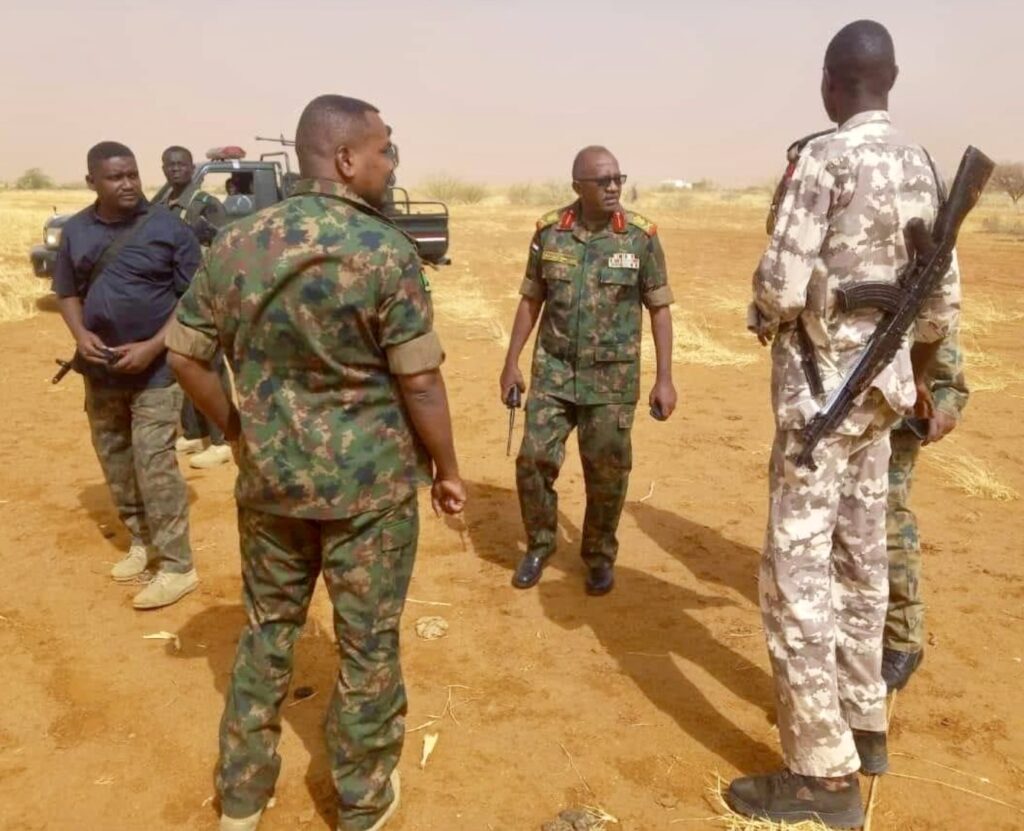
Military clashes between the Sudanese army and the Rapid Support Forces (RSF) continued for a second consecutive week across the Kordofan region, as both sides mobilised fighters and military hardware. The army said on 25 November that its 22nd Infantry Division in Babanusa repelled a dawn attack by RSF forces.
Fighting intensified last week southwest of Bara in North Kordofan as the Sudanese army and allied armed movements attempted to seize key terrain to advance towards areas held by the RSF in West Kordofan. The region’s rugged terrain—including Jebel Issa and Abu Sunun—has given the RSF a defensive advantage and strengthened key supply routes that link its positions across the state.
According to field sources, the army and its allies launched two major assaults on the mountain positions on Wednesday and Saturday; however, the RSF successfully repelled both attacks. The sources also confirmed that the army briefly entered Abu Qud, located west of El Obeid, before withdrawing due to an RSF counter-offensive.
In West Kordofan, the RSF continued to besiege the army’s 22nd Division in Babanusa, which is one of the last major army strongholds in the state, alongside the 90th Brigade in Heglig. A field source told Ayn that the army has now fully withdrawn inside the division’s headquarters, where it is fending off repeated RSF assaults.
Army aircraft and artillery thwarted a large-scale RSF attack on Babanusa on 24 November, which forced the RSF fighters to retreat, according to the source. However, the RSF are still mobilising reinforcements in nearby Al-Mujlad, aiming to capture the Babanusa base.
 2. US envoy: Sudan’s warring parties reject ceasefire proposal
US special envoy Massad Boulos said neither the Sudanese army nor the RSF have accepted a new ceasefire proposal, urging them to agree to a humanitarian truce “without preconditions.” Speaking in Abu Dhabi alongside UAE presidential adviser Anwar Gargash, Boulos noted both sides have repeatedly violated past ceasefire deals.
The RSF announced a unilateral three-month humanitarian truce on Monday, one day after army chief Abdel Fattah al-Burhan rejected the Quartet’s proposal for a monitored ceasefire. In a recorded message, RSF commander Mohamed Hamdan Dagalo stated that the truce responds to international efforts, including those led by US President Donald Trump.
Burhan’s rejection triggered widespread frustration among Sudanese citizens who had hoped recent diplomatic activity—especially the Quartet’s renewed push—might bring relief after nearly three years of war. Activists accused Burhan of advancing an Islamist agenda aimed at prolonging the conflict.
Residents interviewed by Ayin expressed deep disappointment, stating that the war has devastated livelihoods, increased prices, and eroded security. Some residents expressed fear that rejecting the ceasefire would escalate fighting in heavily affected regions, such as West Kordofan.
Burhan criticised the Quartet mechanism and described Boulos’s proposal as “the worst ever,” insisting the war would continue until the RSF withdrew from all cities under its control.
 3. Sudan army ends alliance with “Awlad Qamari” militia in the north
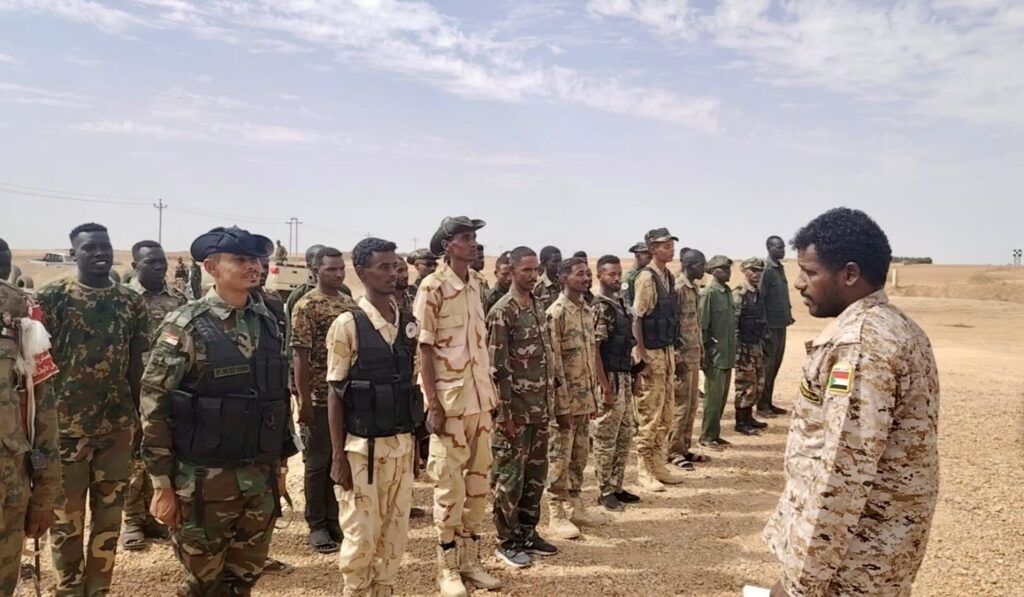
A confrontation between Sudanese army forces and the Awlad Qamari militia in Dongola on November 21 has brought an abrupt end to their military alliance. Local sources informed Ayn that on 24 November a joint force consisting of the army, intelligence services, and Central Reserve Police conducted a raid on militia positions within the city.
The raids aimed to seize weapons and vehicles and dismantle the group’s presence under direct orders from army headquarters. The escalation followed a high-level army delegation’s visit to the 19th Infantry Division in the Northern State, signalling a shift in the army’s strategy in the region.
A military source said the group—an ally of the army since mid-2024—had evolved into an undisciplined “strategic reconnaissance battalion,” violating orders and conducting unauthorised operations. The militia also attempted to contact other pro-army groups independently to control desert routes and gold-rich trade corridors.
According to the source, the group aimed to expand its influence by attacking civilians and targeting workers in areas that produce gold. The joint operation has now “completely ended” the militia’s presence, with security forces pursuing the remaining fighters hiding in the region.
Northern State’s security committee had previously ordered the group to surrender its weapons. The clashes on November 21 resulted in the deaths of two militia members.
 4. Inflation falls, but army government shifts budget to war effort
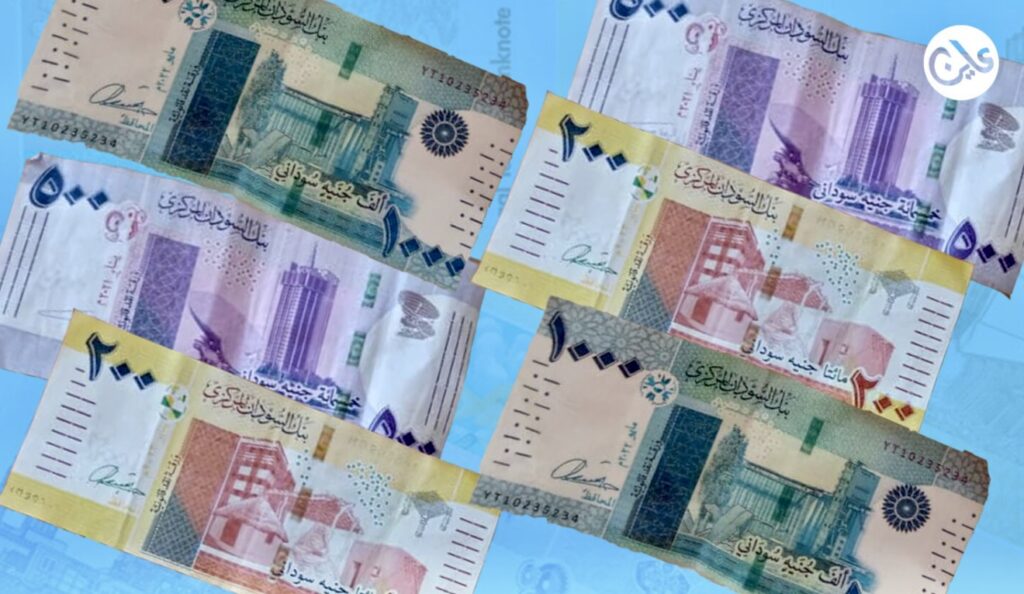
Sudan’s Central Bureau of Statistics reported that inflation dropped to 77.4% in October 2025—the first major decline since the war began. However, citizens and economists report that living conditions continue to worsen, with food and consumer prices remaining high.
In Port Sudan, the government approved the general outlines of the 2026 budget, prioritising military spending and resource mobilisation for the fight against the Rapid Support Forces. Analysts warn that the budget excludes development sectors such as education, health, and basic-goods support.
Economist Mohamed Ibrahim told Ayn the government’s wartime spending strategy threatens to further weaken agriculture and industry. An official report from the Ministry of Industry indicates that more than 1,180 factories have ceased operations since the conflict began.
Citizens interviewed report no noticeable change in prices despite the lower inflation rate. Some traders have even warned consumers about imminent price hikes, raising concerns that economic pressures will continue to push households deeper into hardship.
Economic observers attribute the inflation drop to government controls over financial flows and the stabilisation of the Sudanese pound at around US$3,600 on the parallel market.
 5. South Kordofan: SPLM-N, RSF accused of abducting civilians
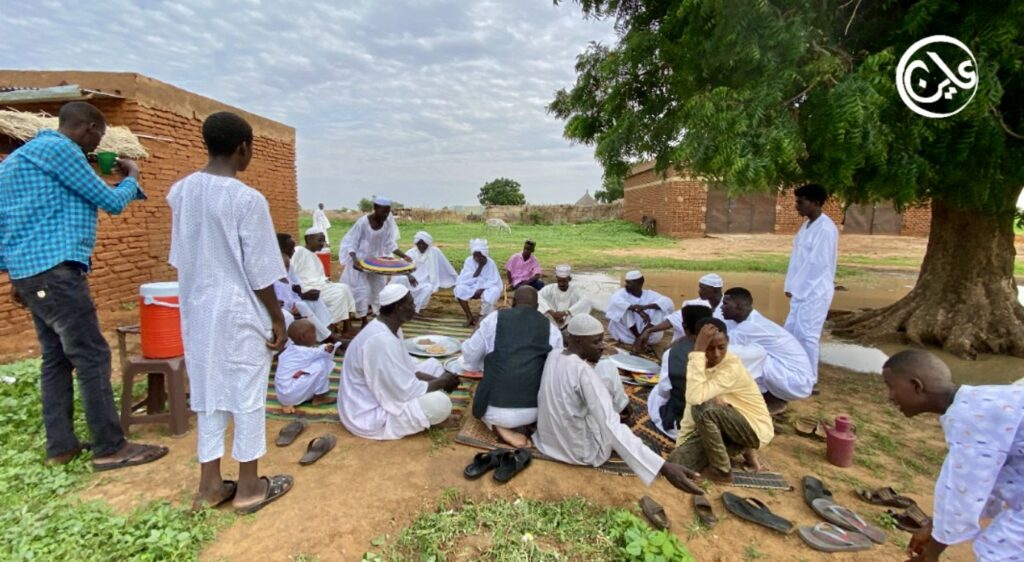
The Sudanese Doctors Network accused forces affiliated with the SPLM-N (led by Abdel Aziz al-Hilu) and RSF elements of abducting more than 150 young men—including minors—after an attack on the al-Zalataya mine in South Kordofan’s Abbasiya locality. The network described the incident as a war crime and a serious violation of international humanitarian law.
In a statement reviewed by Ayin, the network called the targeting of civilians and children “inhumane” and said such crimes must be met with accountability. The network demanded the immediate release of all abductees and urged humanitarian organisations to gain access to the affected community.
The United Nations and regional bodies have also expressed concern, noting that similar forced recruitment incidents occurred earlier in Tebessa town. Looting and civilian intimidation have become increasingly common in conflict-affected communities.
Since the war began in April 2023, Sudan has seen widespread violations, including child abductions, property looting, and attacks on essential infrastructure. Humanitarian groups warn that none of the conflict parties are adhering to civilian-protection standards.
 6. Fighting intensifies near Torit in South Sudan
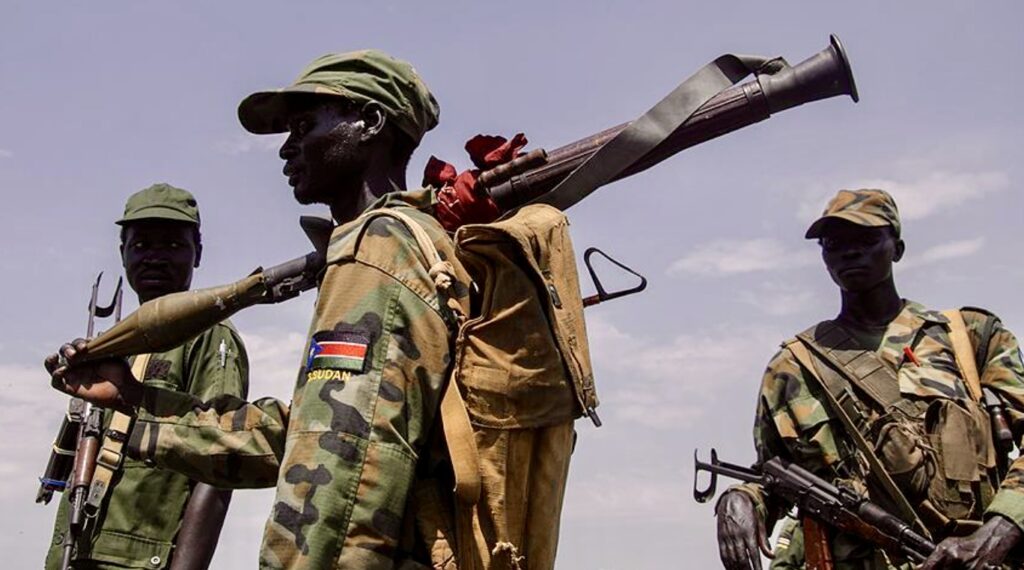
Clashes between South Sudan’s government forces and armed opposition groups have intensified around Torit, capital of Eastern Equatoria State, prompting civilians to flee to a church amid a worsening humanitarian situation. Medical workers report a lack of healthcare and rising panic among residents.
The fighting began on 22 November after opposition forces advanced using machine-gun-mounted vehicles, while government troops fortified defensive positions with trenches, rocket launchers, and artillery. International and UN calls for de-escalation have so far failed.
A lawmaker from Eastern Equatoria told Ayin the situation resembles “guerrilla warfare,” with small opposition groups attacking villages around the city rather than launching a direct assault on Torit itself. Reports have surfaced of skirmishes in Ifoto, south of Torit.
The UN warned in late October that South Sudan risks sliding back into open conflict amid worsening security and economic conditions. The escalation comes as President Salva Kiir reshaped his government, appointing James Wani Igga as Vice President for Economic Affairs and making several cabinet changes.
These political shifts coincide with rising local insecurity, raising concerns about the government’s ability to stabilise restive regions.
 7. Rising Ethiopia–Eritrea tensions deepen militarisation
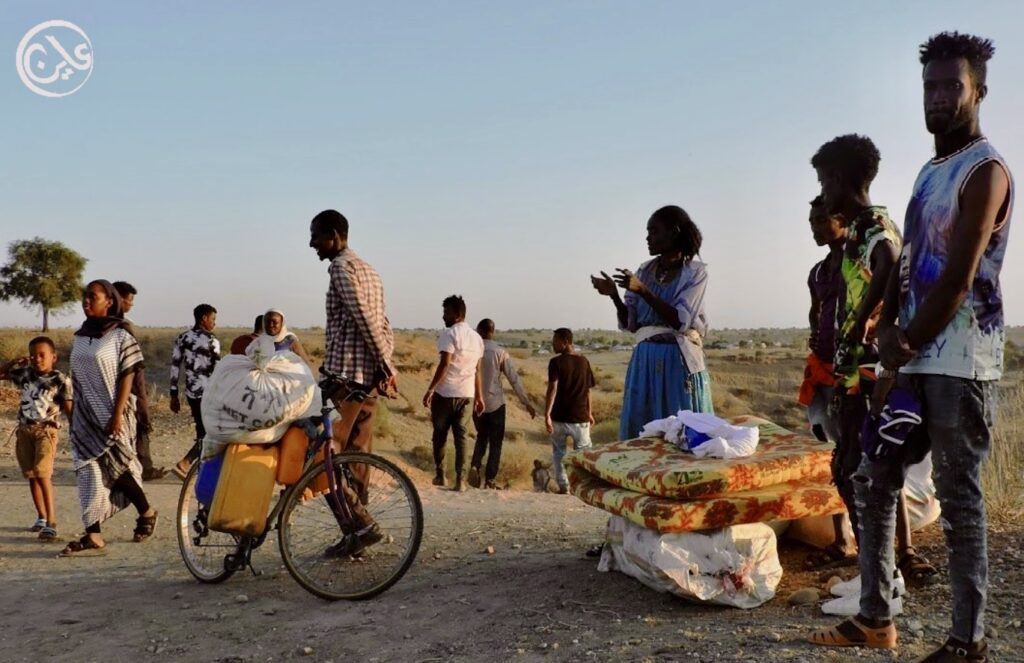
Political and military tensions in the Horn of Africa are escalating, with analysts warning that the region is entering a new era of militarisation. Fragile political arrangements in Ethiopia, renewed tensions with Eritrea, and overlapping crises in Sudan and Somalia are contributing to a volatile environment.
Researcher Khaled Mohamed Taha told Ayin that the region is undergoing a strategic shift, with Ethiopia rebuilding its military, Eritrea reinforcing border deployments, and foreign military actors expanding their presence in Somalia. He said these developments indicate “a non-passing moment” that could reshape power dynamics for years.
Unresolved disputes in Ethiopia—including the status of western Tigray and the fate of regional forces—continue to threaten the stability of the Pretoria Peace Agreement. Taha said mistrust between Addis Ababa and Tigray makes renewed conflict possible.
Ethiopian Prime Minister Abiy Ahmed’s recent rhetoric on gaining access to the sea has heightened regional sensitivities. Taha said the Red Sea is viewed in Ethiopia as an “economic lifeline,” but warned that miscalculation between Ethiopia and Eritrea cannot be ruled out.
The researcher noted that weak regional mechanisms, ongoing wars, and great-power competition—without direct military involvement—have created a vacuum enabling states to expand military activities. This, he said, risks drawing the region into a broader confrontation that could reshape the strategic map of the Horn of Africa.